
Planning the Perfect Portfolio Shoot for Aspiring Models
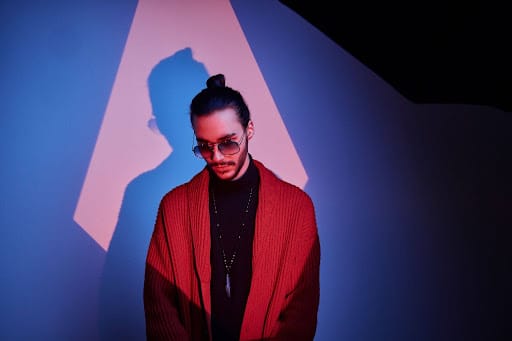
Before you choose an outfit or step in front of a camera, decide what you want your photographs to show. A strong modeling portfolio gives someone a clear view of your appearance and the kinds of work you could suit. That takes a little planning: a photographer whose work fits your direction, clothes that support each shot and enough variety to show more than one expression. You do not need to arrive with every pose perfected. A considered plan gives you and the photographer something concrete to work toward, while leaving room for the moments that happen naturally.
Choose a Direction Before Booking Your Shoot
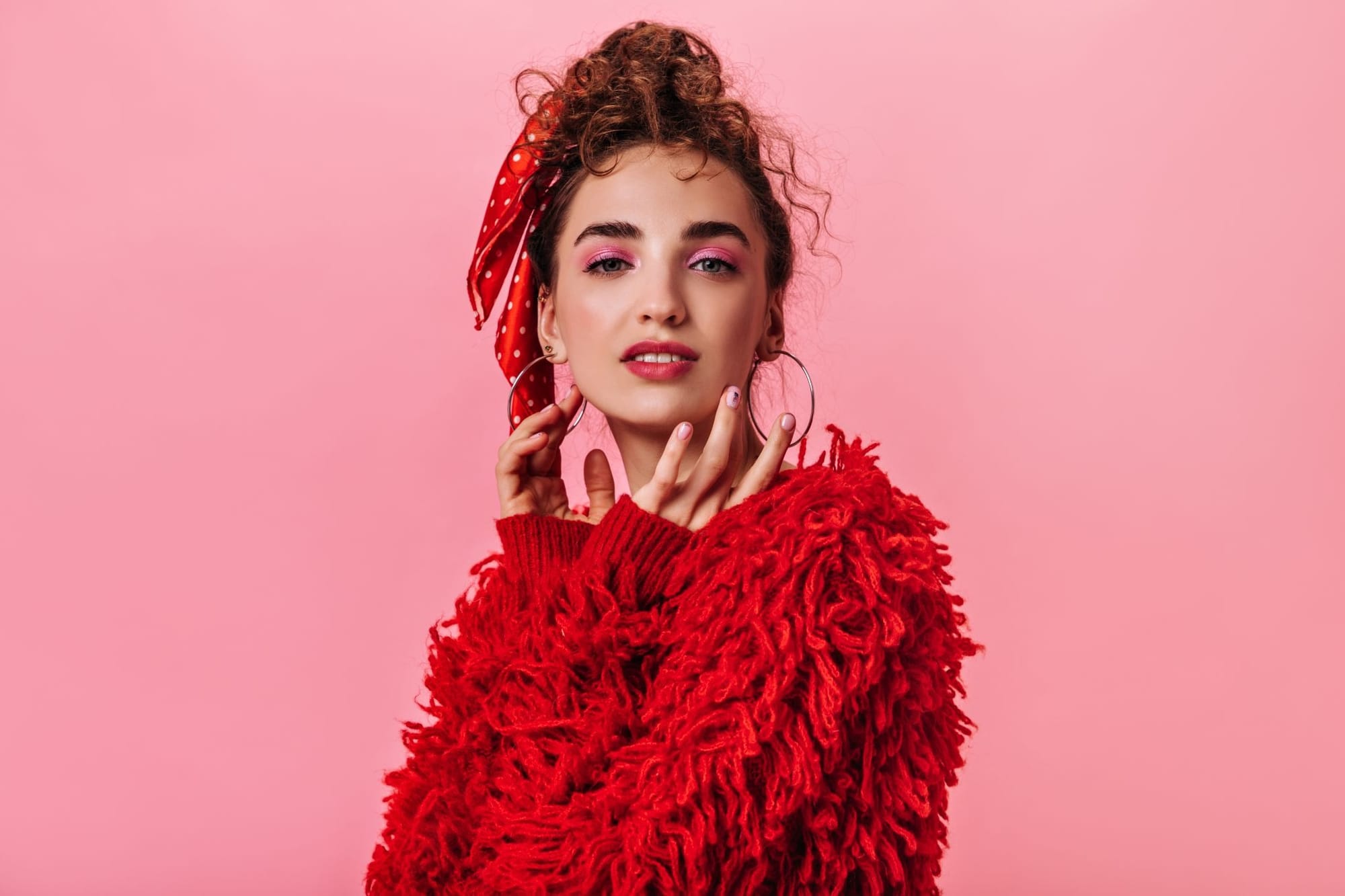
Start with the work you hope to pursue. Commercial photographs often call for an approachable expression and a believable everyday moment. Fashion images may place more emphasis on clothing, movement and a stronger visual concept. Look at the kind of work that interests you, then discuss how your first photographs can reflect that direction.
Separate a styled portfolio from simple digitals. Digitals show how you look now, with straightforward clothing and minimal styling. Some agencies ask for these first. Check the submission requirements before assuming you need a large professional collection; your portfolio shoot can serve a different purpose from an initial application.
Give the photographer a short explanation of your aims and a few visual references. Talk about what appeals to you in each example, whether it is the expression, light or full-length framing. This makes the conversation more specific than asking for photographs that simply look professional.
Find a Photographer Who Understands Your Look
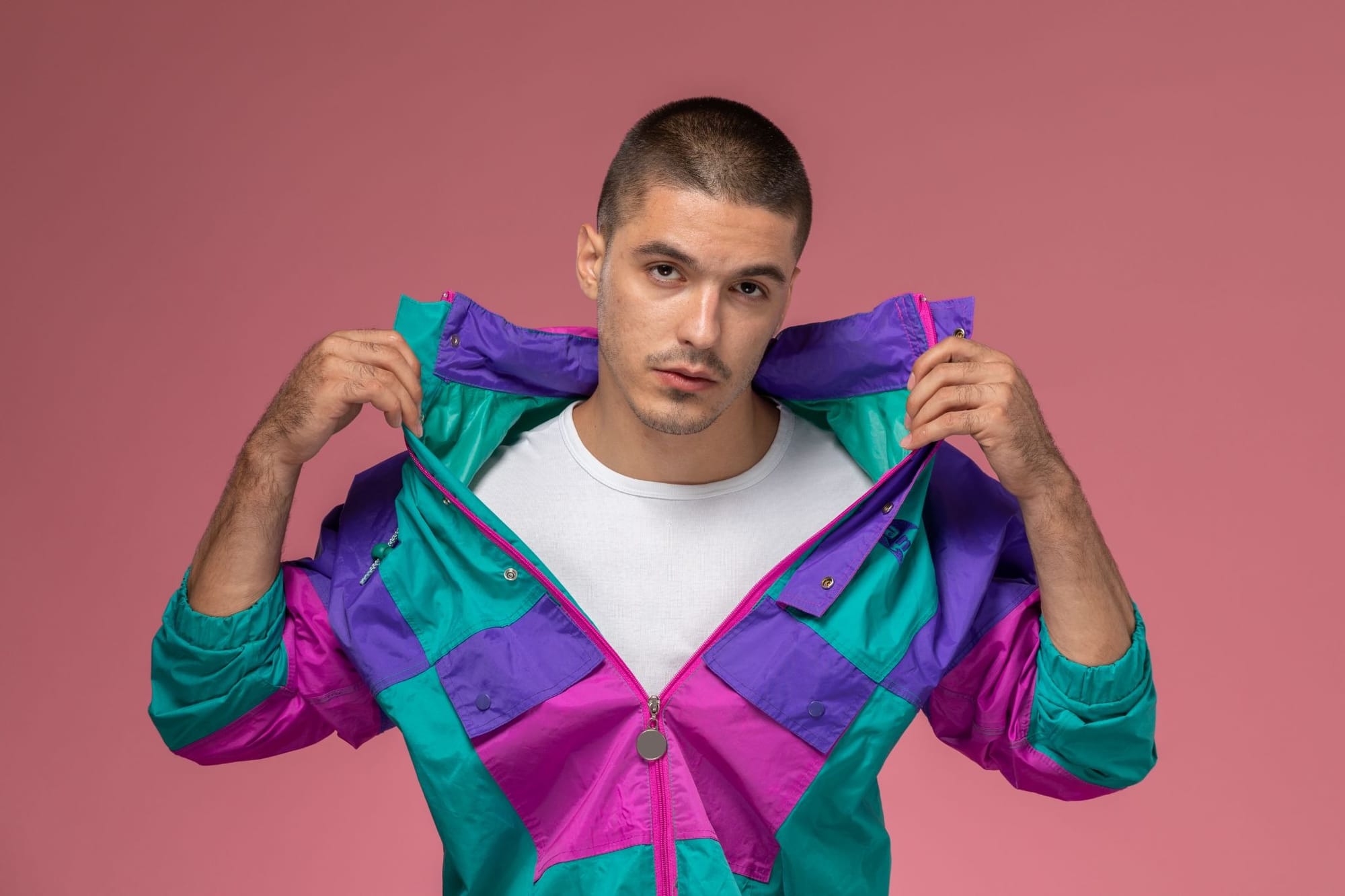
Review complete portfolios when choosing a photographer. Look for clear headshots, convincing expressions and full-length images that show the model and clothing well. A striking single photograph tells you something, but a broader selection helps you judge whether the photographer can produce the variety your own collection needs.
Pay attention to style. If your references show relaxed commercial portraits, a portfolio made entirely of heavily styled fashion imagery may not match your immediate goal. Discuss the difference before the shoot. Ask how the photographer would approach your ideas and what they need from you to prepare.
Decide who will handle wardrobe, hair and makeup. You may prepare these yourself or work with other professionals, depending on the shoot. Agree on the intended looks beforehand so everyone understands the brief. Clear communication also makes it easier to respond to direction once the camera starts working.
Plan Your Essential Shots and Wardrobe
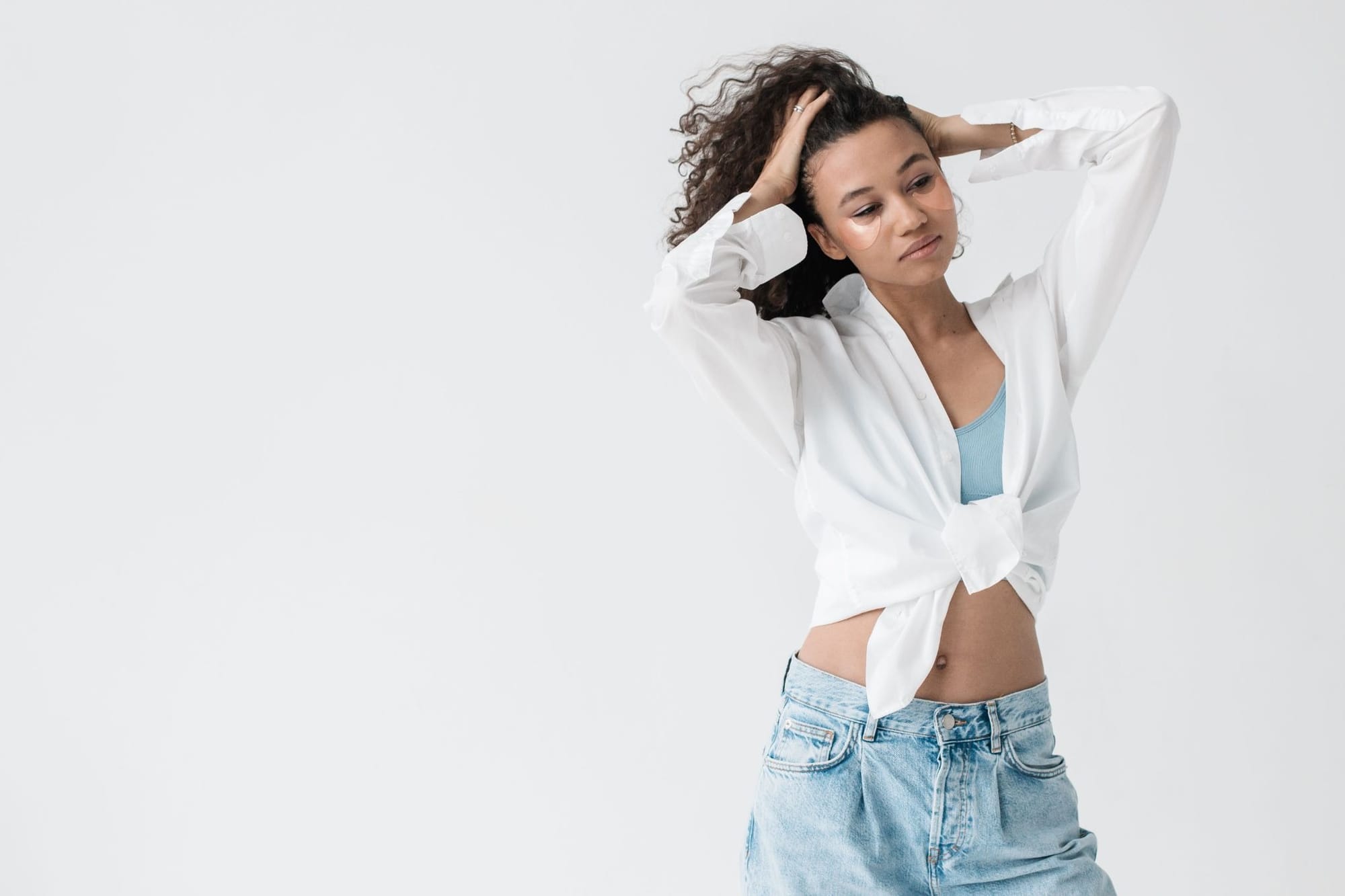
Build the shot list around photographs with different jobs. A clean headshot introduces your face. A simple full-length image shows proportions. A smiling portrait adds an approachable expression, while a more styled frame can demonstrate movement or a fashion direction. Select the combination that supports your goals instead of collecting looks without a purpose.
For straightforward images, choose well-fitting clothes that let the viewer see you clearly. Heavy layers and elaborate accessories can distract from the information a clean body shot needs to provide. More expressive outfits belong in the styled photographs, where fabric, color and silhouette contribute to the idea.
Try the outfits before the session and check that you can move comfortably in them. Coordinate hair and makeup with the planned looks rather than treating every photograph as a complete transformation. Keep the required clothing, accessories and any agreed props together so your attention can stay on the shoot.
Practice Expression and Stay Open to Direction
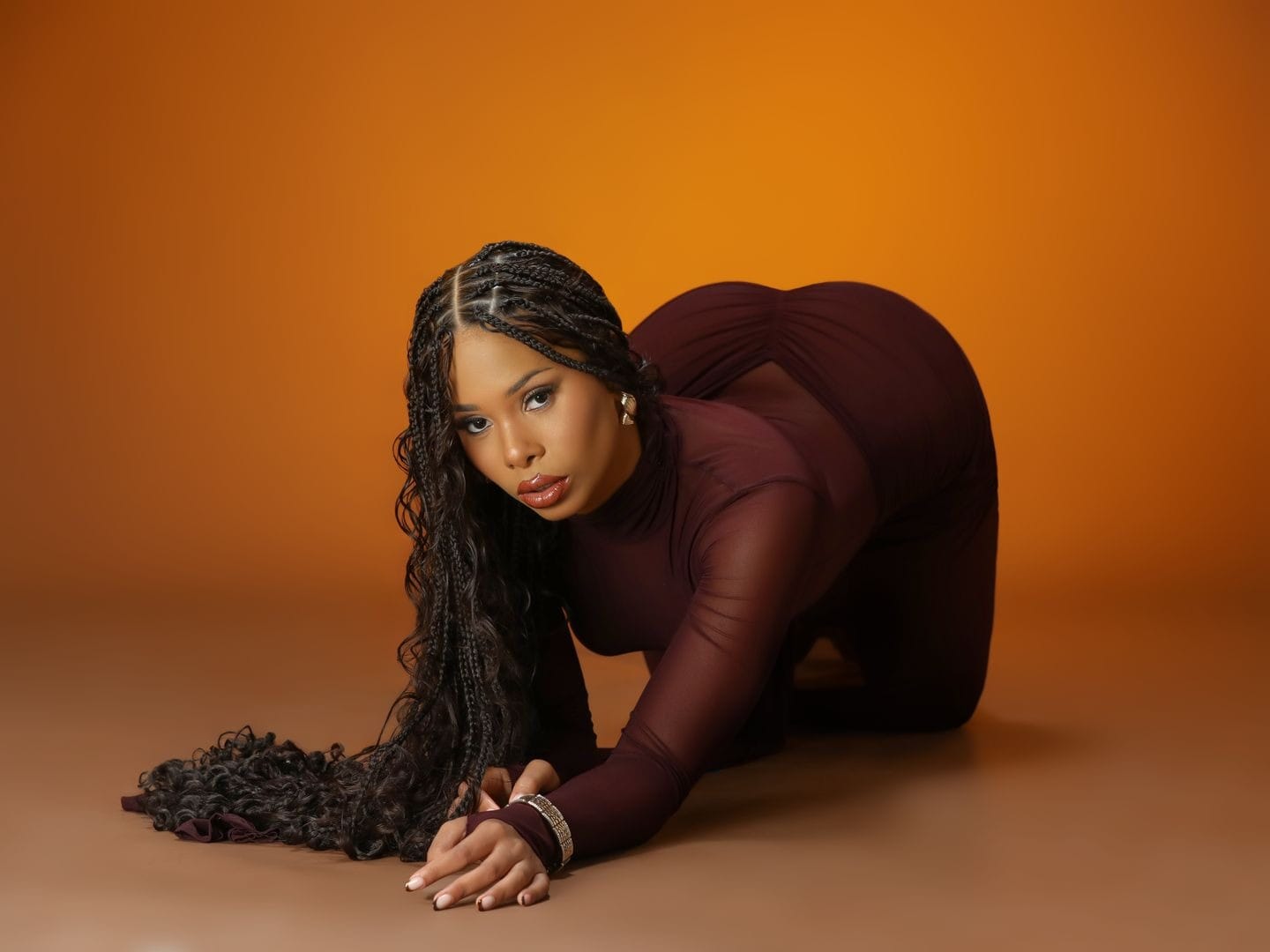
Use a mirror to explore small changes in angle, posture and expression. Notice what happens when you relax your shoulders, turn slightly or soften your hands. Practice helps you become familiar with those movements; you do not need to memorize a long sequence of rigid poses.
Give expressions the same attention as body position. An easy smile suits a different photograph from a quiet editorial look. Think about the mood the image needs and keep your eyes engaged. For a commercial smile, recalling something genuinely funny can produce a more natural result than holding the same expression through every frame.
During the session, listen to the photographer and say when something feels awkward. Try variations within the agreed concept, including movement when the outfit allows it. Eat beforehand and bring water so you can concentrate. Preparation should help you stay responsive, not make you reluctant to change a pose that is not working.
Select a Portfolio That Shows Clear Variety
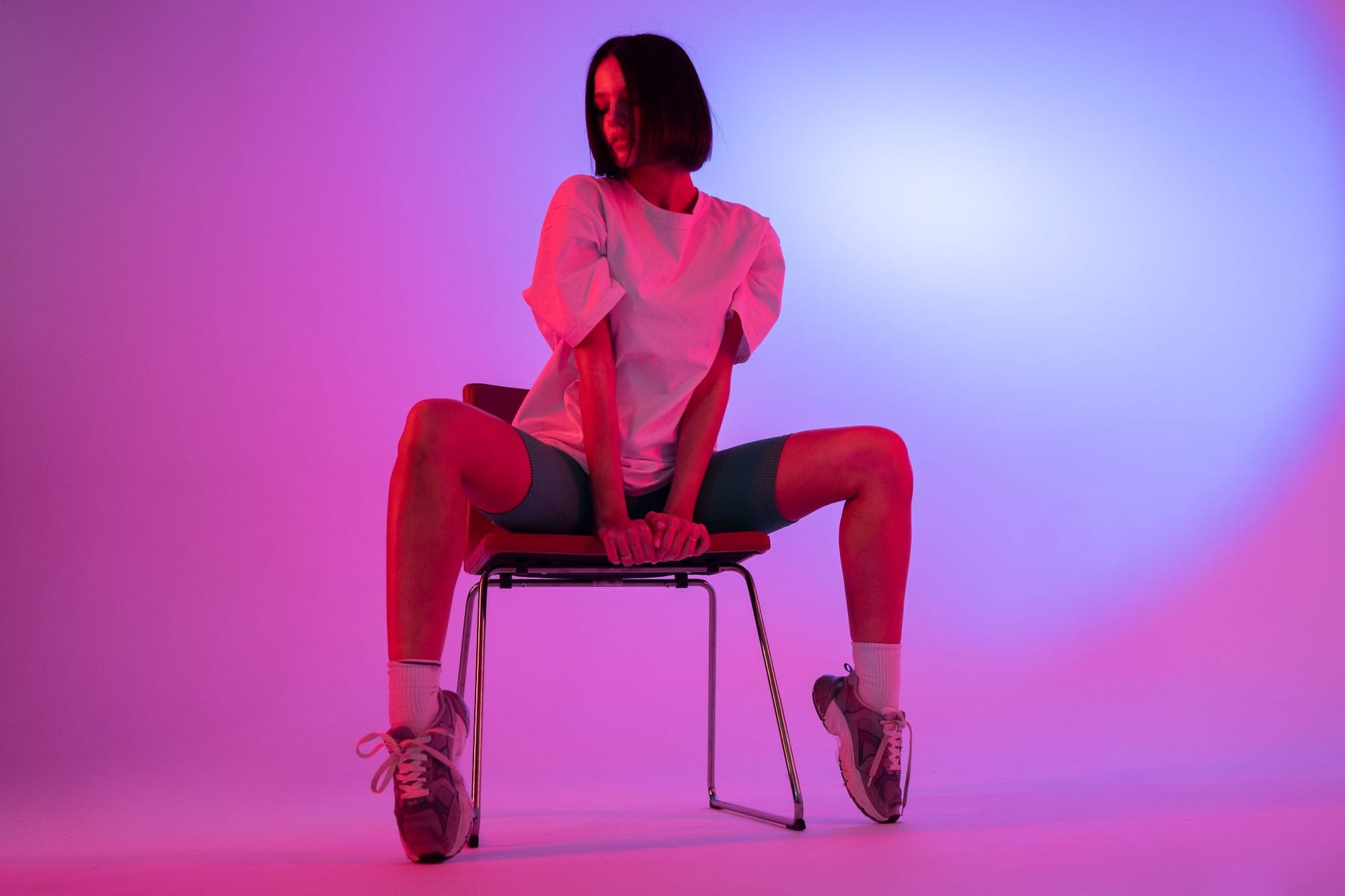
Review the photographs as a collection after the shoot. Choose images that tell a viewer something new about your look or expression. Several near-identical portraits can make the selection feel repetitive, even when each photograph works on its own. A smaller group of strong, distinct images can communicate more clearly.
Keep the editing natural enough for people to recognize you. Discuss retouching preferences with the photographer and look for a consistent finish across the selection. A polished photograph should still show your features, rather than leave a casting team unsure how closely it represents your current appearance.
Give the opening and closing images particular care. A clear, strong headshot can introduce the collection, and another memorable frame can finish it. Revisit the portfolio as your look changes or you produce stronger work. The first shoot gives you a starting collection that you can continue to improve.
What Our Clients Share About Maps Studio
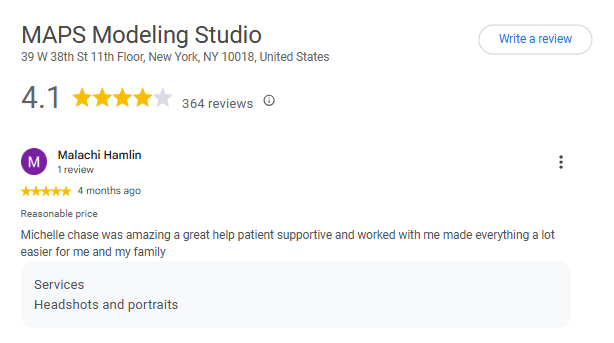
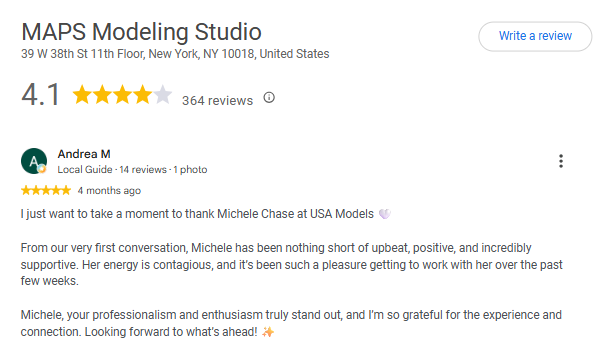
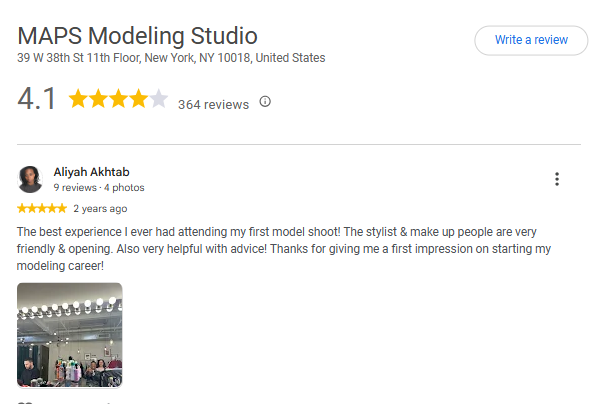
Planning your first portfolio session also means choosing a team you feel comfortable with. At Maps Studio, we welcome clients' feedback about their experience with us. The reviews below share individual perspectives that may help you prepare questions before your own shoot.
Frequently Asked Questions
Do I Need a Professional Portfolio to Apply to an Agency? Not always. Some agencies begin with simple digitals. Read the specific submission instructions before arranging a shoot, and distinguish those application photographs from a styled portfolio.
What Should I Wear for a Full-Length Photograph? Choose simple, well-fitting clothing that shows your proportions clearly. Save more elaborate outfits for the photographs where styling forms part of the concept.
Should Every Photograph Have the Same Expression? No. Choose expressions that fit the work you want to pursue. A relaxed commercial smile and a quieter fashion portrait can demonstrate different aspects of your range.
How Do I Choose the Final Images? Select clear, strong photographs that serve different purposes. Avoid filling the collection with minor variations of one pose, and keep the editing consistent with your real appearance.
Final Takeaway
A productive portfolio shoot begins with a clear direction and leaves you with photographs that serve that direction. Work out the images you need, discuss them with the photographer and prepare clothes you can move in comfortably. Give yourself room to respond to guidance rather than trying to perform a fixed sequence of poses. When you select the final photographs, look for clarity and real variety across the whole modeling portfolio. Keep the images that represent you well today, and replace weaker ones as your work develops. A thoughtful selection will tell a clearer story than a crowded collection.
Visit Mapsstudio for more information about photography.
Note: We enjoy sharing creative inspiration, photography tips, and industry insights to help you capture life's best moments. The services, styles, and equipment mentioned in our articles are for informational purposes only and may not reflect our current offerings. For the latest on our photography services and portfolio, visit Maps studio.
Member discussion