
What Is Editorial Modeling and Why Is It Important?
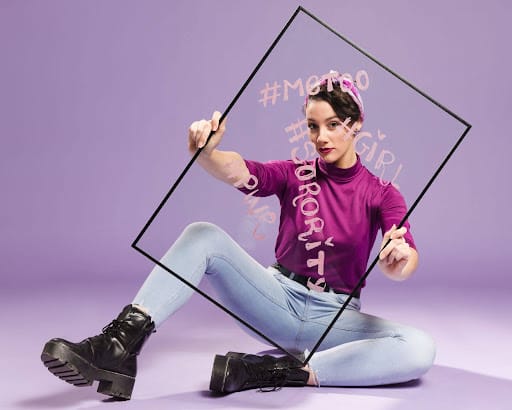
Editorial modeling is a form of fashion artistry built on storytelling and emotion conveyed through images. It puts artistic expression first and presents high fashion designs in prestigious magazines. Unlike commercial modeling, it centers on creativity, pushes at beauty standards, and often comes with specific height and feature requirements. It shapes fashion trends and influences how brands connect with consumers. Here's what the work involves, including the skills and requirements.
The Essence of Editorial Modeling
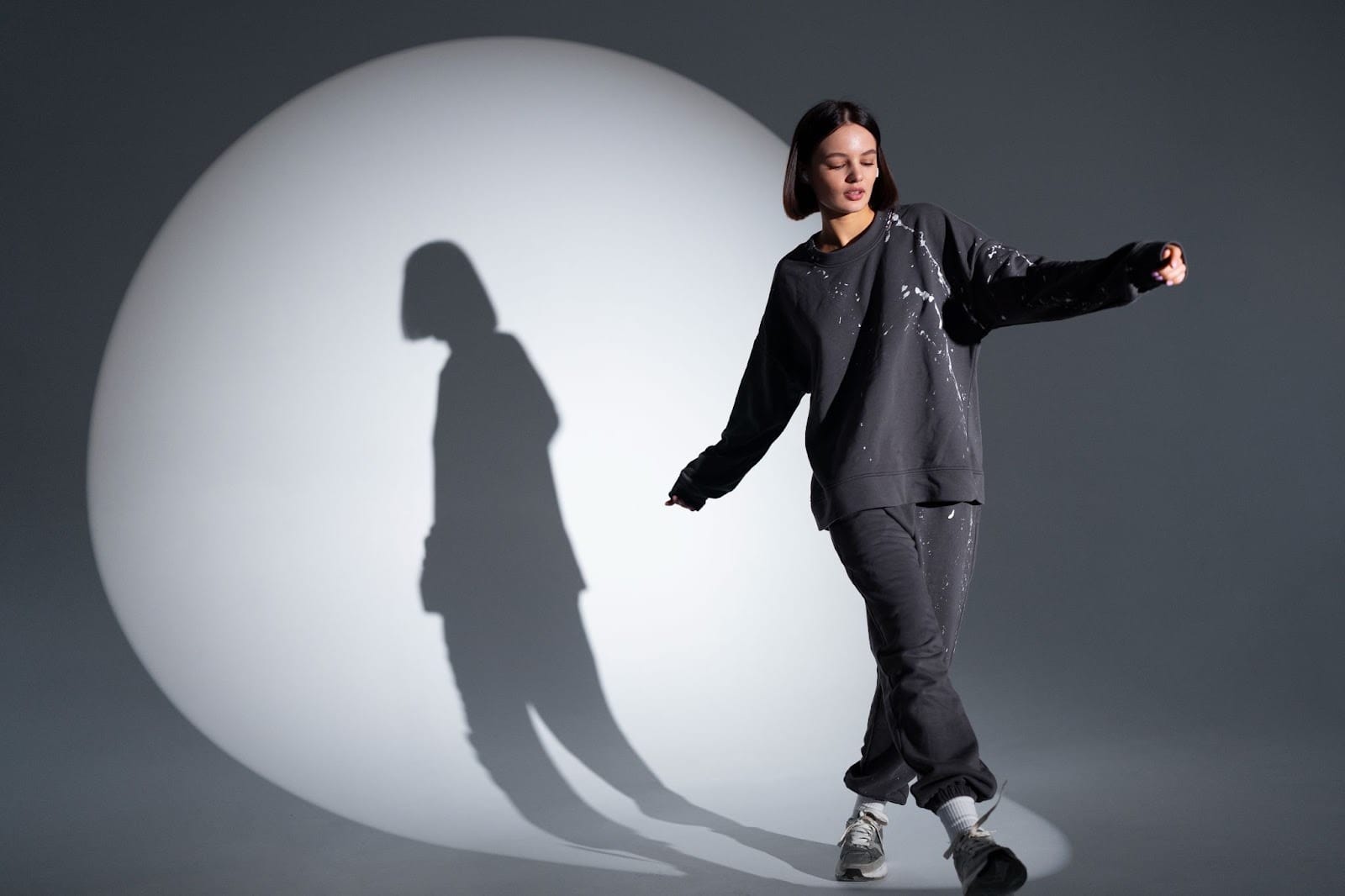
Editorial modeling goes well beyond posing for a camera.
Editorial models present the latest designs from top-tier fashion designers in prestigious magazines like Vogue. They embody concepts and emotions, turning abstract ideas into striking visual stories.
Standing tall, typically over five feet nine for women and six feet for men, these models take direction from photographers and collaborate with them to create memorable imagery.
The industry is becoming more inclusive, with plus-size and diverse ethnic representation. That shift enriches the artistry and broadens the narrative of beauty, which makes editorial modeling a real force in fashion.
Key Differences Between Editorial and Commercial Modeling
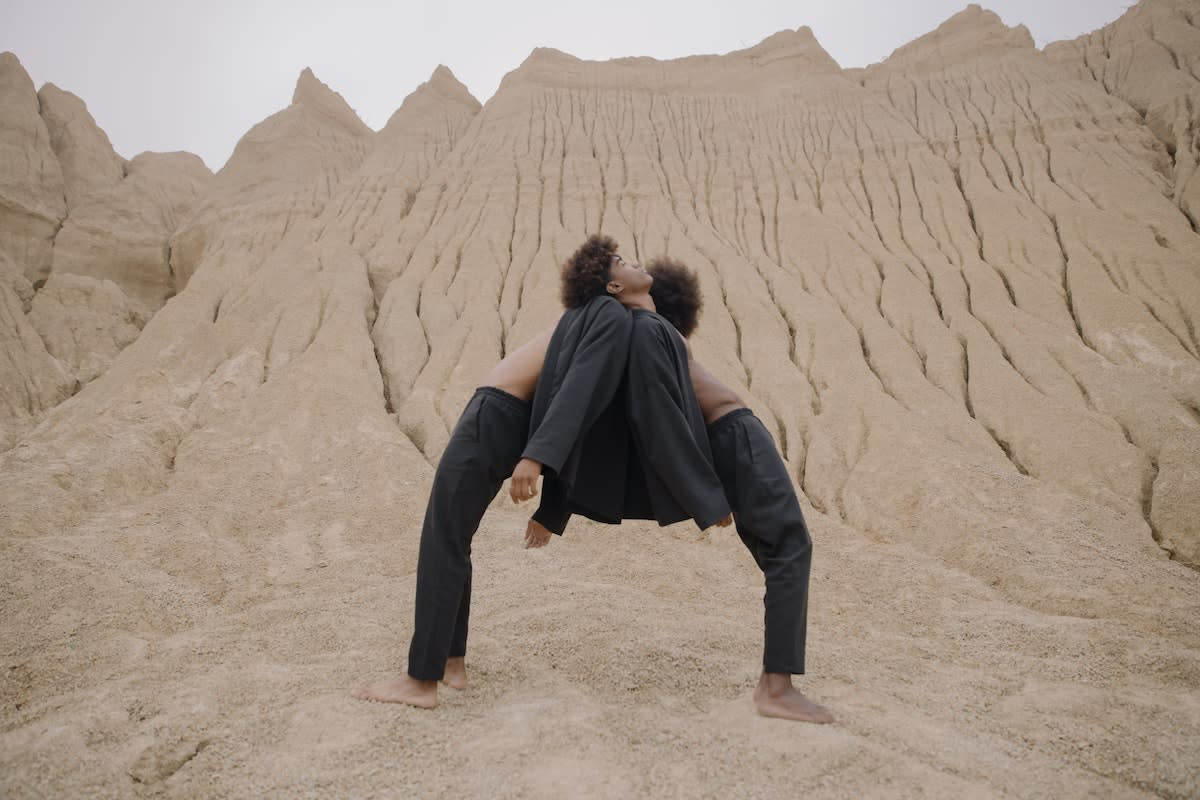
Editorial and commercial modeling are two distinct paths in the fashion industry, each with its own goals and expectations.
Editorial modeling focuses on artistic expression and storytelling, appealing to niche audiences through high fashion publications. Commercial modeling targets everyday consumers and promotes products in a relatable way.
Editorial models often face stricter height and beauty standards than their commercial counterparts, who work under a more inclusive approach.
Commercial modeling also typically pays better, since compensation is linked to product sales, while editorial work may put creativity ahead of financial gain.
Both require strong visual skills. Editorial modeling emphasizes artistic expression, and commercial modeling puts the client's needs first.
Knowing these differences helps aspiring models choose their career path.
Skills Required for Success in Editorial Modeling
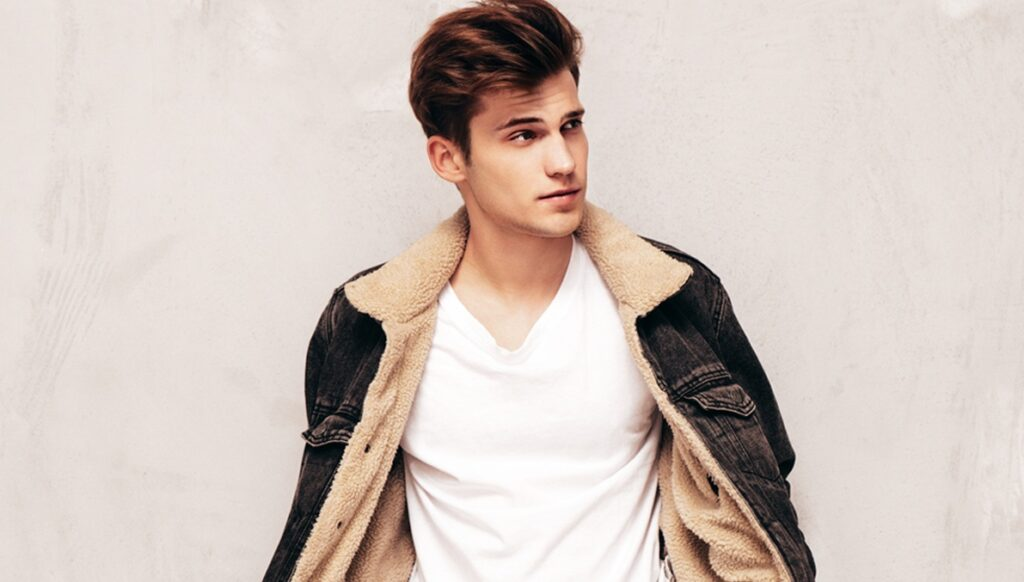
Editorial modeling takes a blend of creativity and technical skill.
You act as a visual translator, interpreting mood boards and creative briefs to embody abstract concepts like "melancholy elegance." Strong posing and facial expression skills are what convey emotion.
Collaborating with stylists, photographers, and art directors improves your ability to capture the intended visual feeling. Physical endurance matters too, since challenging poses have to hold through lengthy shoots.
Embrace your offbeat beauty features, because those are what set you apart in a competitive industry. Those skills are what let you succeed in editorial modeling.
The Role and Requirements of Editorial Models
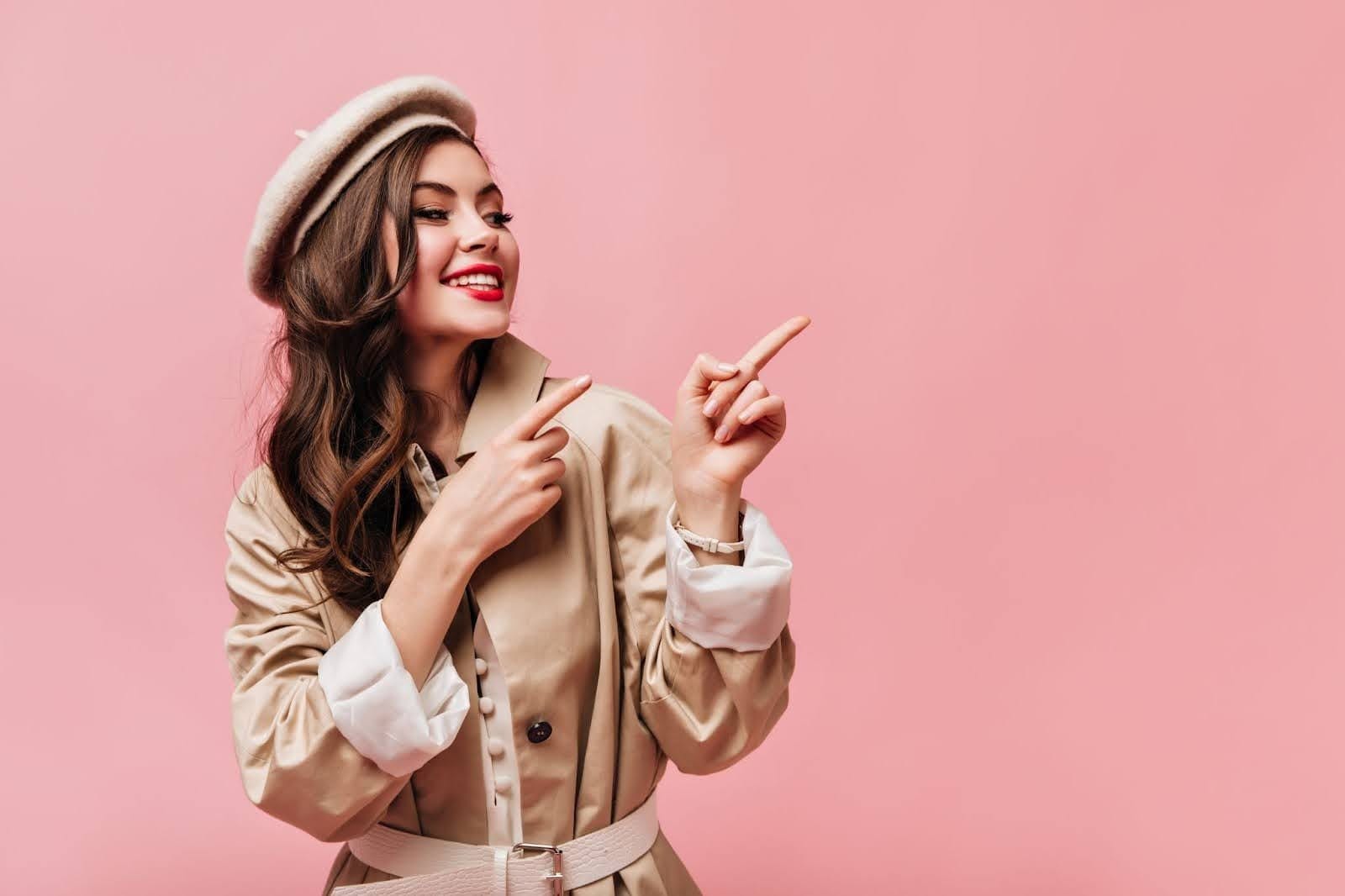
Technical skills matter, and so does a deep understanding of your role within the creative team. You act as a visual translator, turning abstract concepts into memorable images.
Study the mood boards and grasp the story behind each shoot. Collaboration with photographers, stylists, and art directors matters, because that teamwork is what lets you embody the emotions the narrative calls for.
Physical endurance is part of the job, since editorial shoots can demand uncomfortable poses. Editorial models typically range in height from 5'9" to 6'2", with an emphasis on features that stand out.
Adapting to changing industry standards lets you embrace diverse looks and expand your opportunities.
The Importance of Editorial Modeling in Fashion Industry
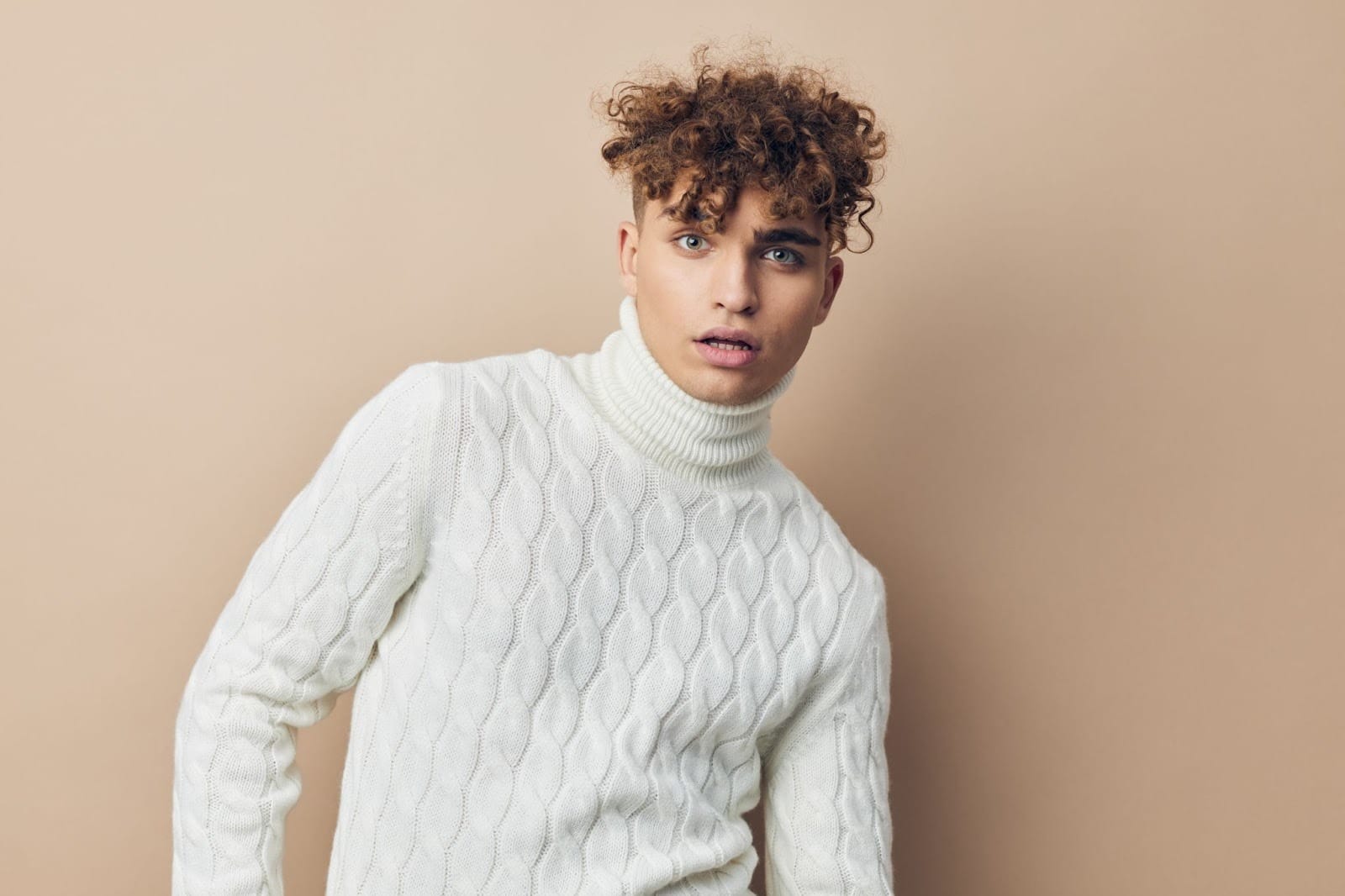
Editorial modeling shapes the fashion industry by blending artistry and storytelling. It presents the latest trends and concepts, which helps both new and established designers communicate their vision.
Striking visuals from editorial models raise brand identities and influence how consumers perceive them. A strong editorial portfolio advances a model's career and opens doors to networking within the industry.
As diverse beauty standards take hold, editorial modeling pushes boundaries and lets distinctive features come through. It inspires creativity, promotes fashion narratives, and connects audiences with a style world that keeps changing.
Client Feedback
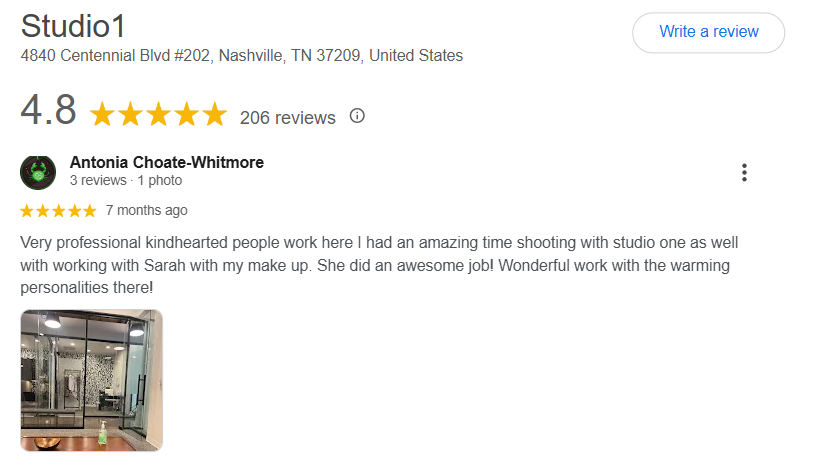
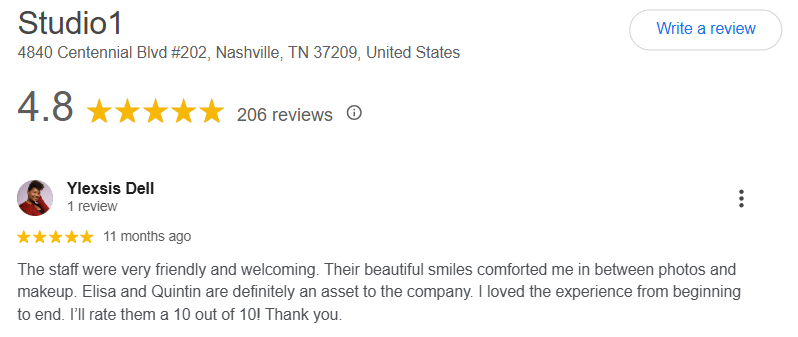
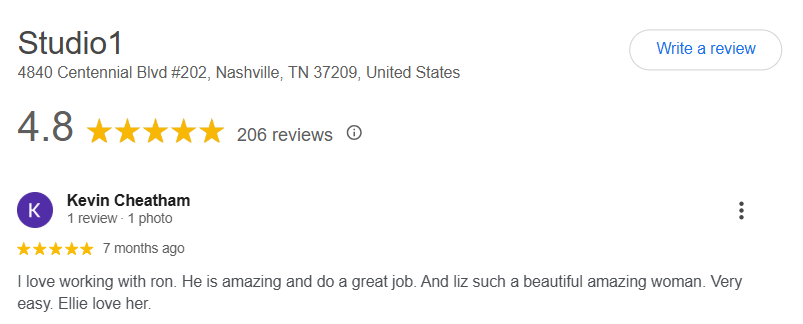
At Studio1 Photography, we value the feedback we receive from our models and clients. This section features a selection of reviews from various platforms, including Google My Business. These testimonials reflect our dedication to helping models understand editorial modeling and its importance in their careers. We take pride in creating positive experiences and supporting our clients every step of the way. For more information, visit us at Studio1 Photography.
Frequently Asked Questions
How Do I Find Opportunities in Editorial Modeling? Build a strong portfolio, network with industry professionals, attend fashion events, and stay updated on trends. Creative collaborations also open doors to editorial projects.
What Is the Typical Duration of an Editorial Photoshoot? Several hours, often four to eight. Be prepared for long waits, multiple outfit changes, and close work with the creative team throughout.
Are There Age Restrictions for Editorial Models? Yes. Fashion industry standards typically favor younger adults, though as inclusivity grows there are more opportunities for models of various ages in editorial work.
How Can I Maintain My Confidence as a Model? Celebrate your own qualities, focus on your strengths, seek constructive feedback, and support other models. Every rejection brings you closer to the right opportunity.
What Should I Include in My Modeling Portfolio? Diverse editorial shoots, professional headshots, and strong commercial images. Versatility and distinctive styles are what help you stand out and attract potential clients.
Conclusion
Editorial modeling is much more than posing for a camera. It's about conveying a story and evoking emotion. The skills and roles behind it define the art form and explain why it matters to the fashion industry. Behind the creativity and craftsmanship of editorial shoots, these models have real impact on how fashion narratives take shape, and that artistry makes editorial modeling a genuine part of the culture.
Visit Studio 1 photography for more information.
Note: We enjoy sharing creative inspiration, photography tips, and industry insights to help you capture life's best moments. The services, styles, and equipment mentioned in our articles are for informational purposes only and may not reflect our current offerings. For the latest on our photography services and portfolio, visit Studio-1.us.


Member discussion