
What to Include in Your Model Portfolio?
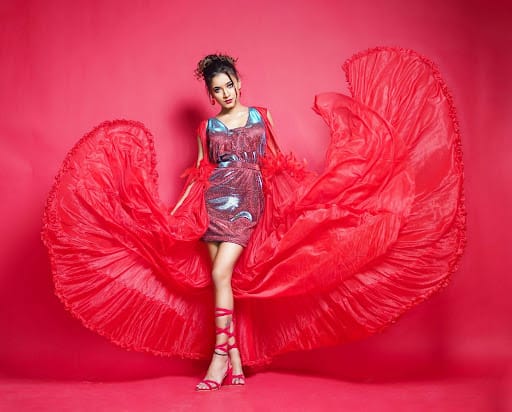
Building a model portfolio means covering the key shots - a clean headshot, a full-length body shot, and a swimsuit image for versatility. Know your modeling type, whether that's fashion, commercial, or fitness, and pick a photographer who works in that lane. Include your personal stats, and make sure the images are varied and high-quality. Get those right and your portfolio stands out. Here's the detail.
Essential Photos for Your Portfolio
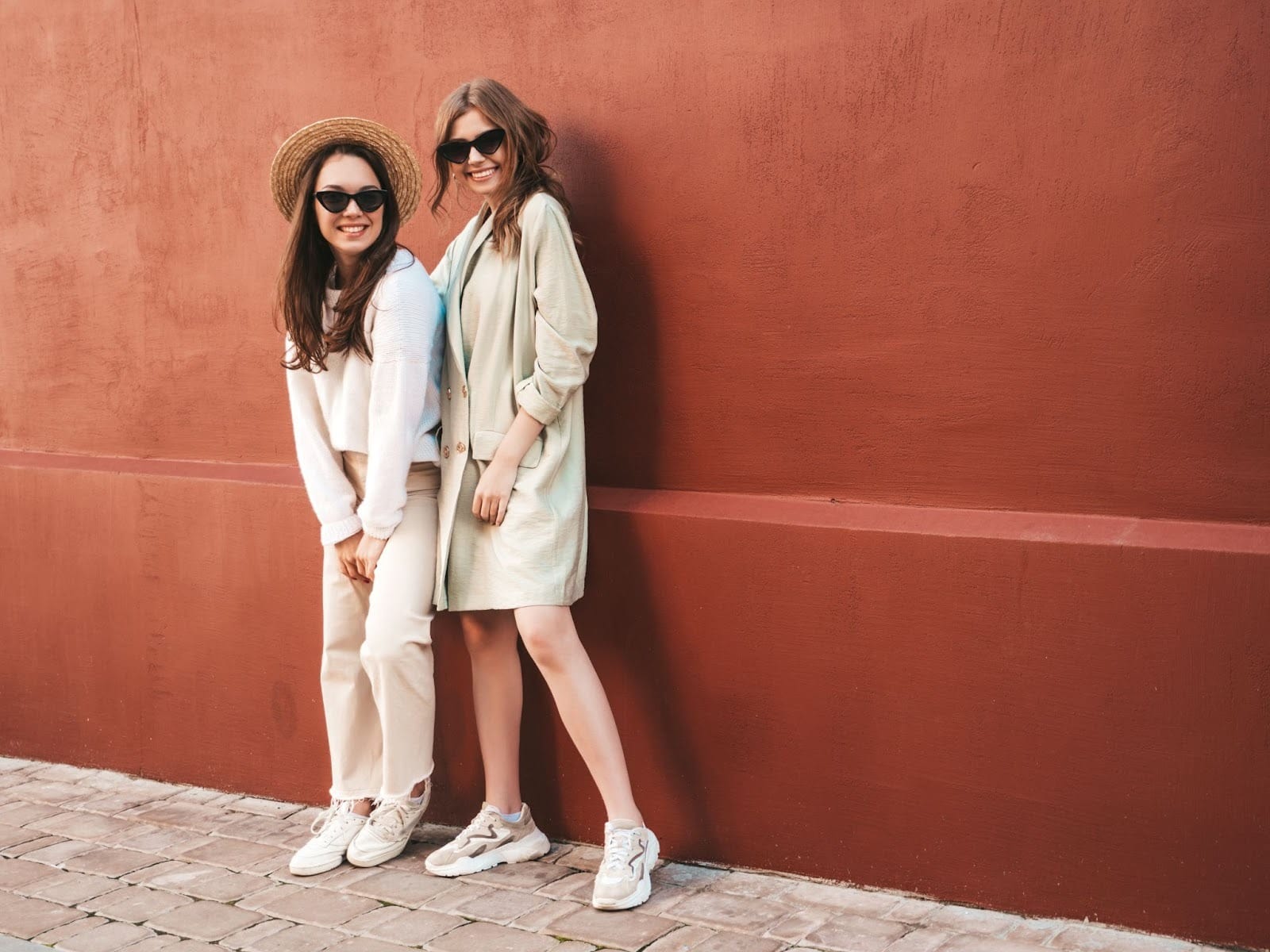
The photos are what make the first impression, so lead with images that show who you are.
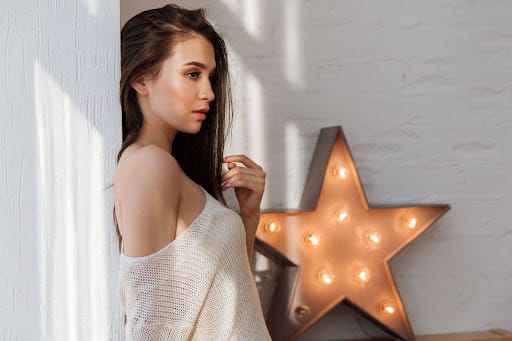
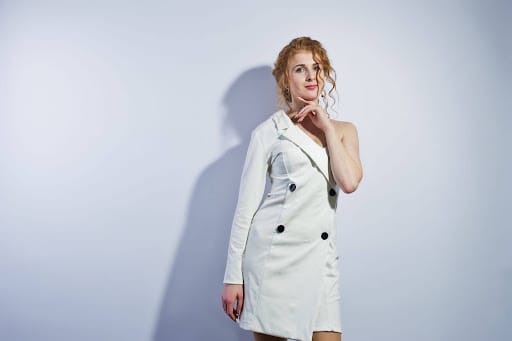
Start with a clean headshot for your face, then a full-length body shot for your proportions. A swimsuit shot adds versatility, and an editorial fashion shot gives you room to be creative. A commercial shot that shows emotional range matters too. And don't skip a smiling shot for your approachable side.
Close with a strong image that leaves an impression. Cover those and you've got a collection that stands out to clients and agents.
Understanding Your Modeling Type
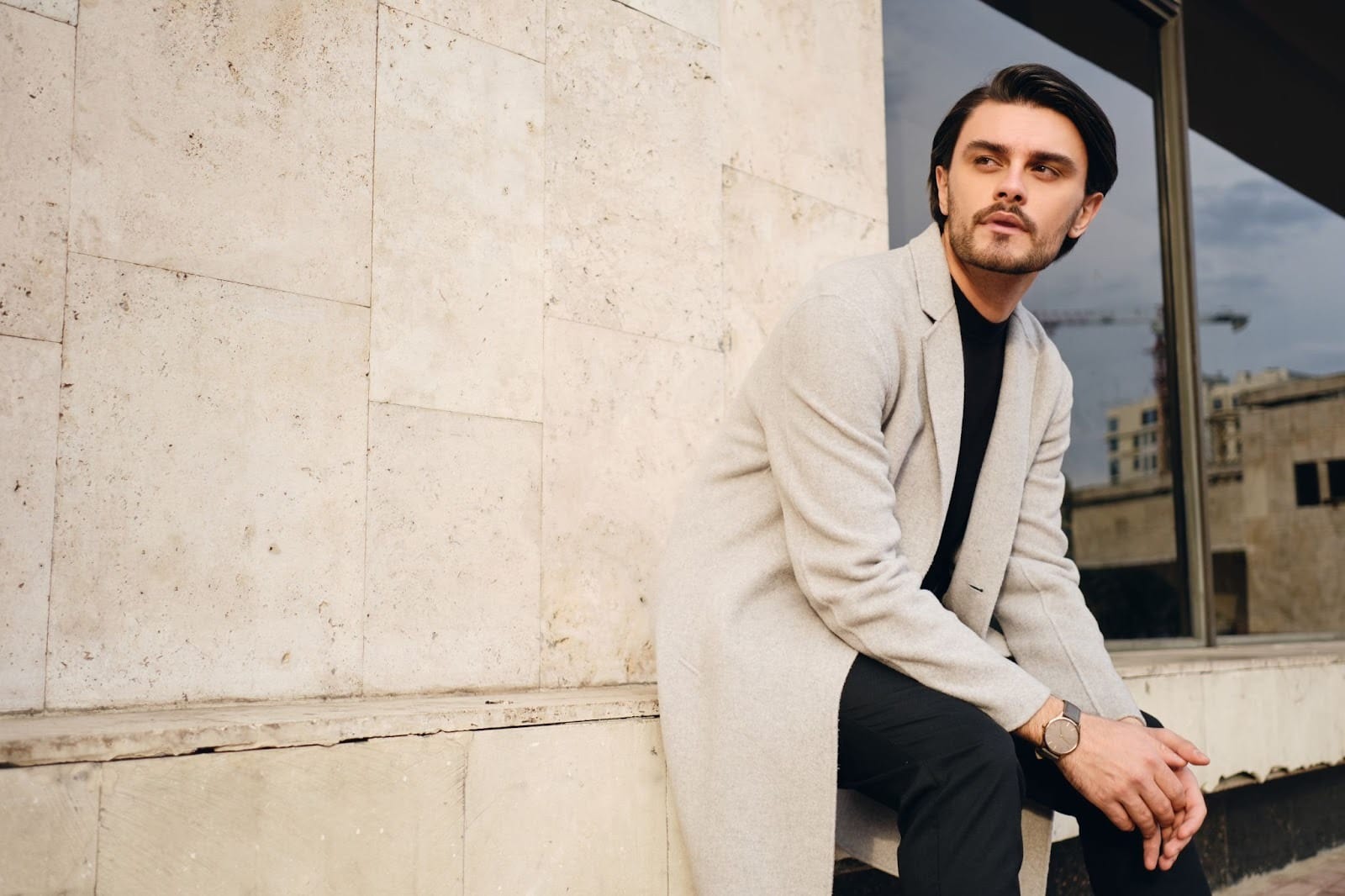
Knowing your modeling type is what lets you build a portfolio that clicks with clients and agents. Work out whether you fit fashion/editorial, commercial, catwalk, or fitness, then shape the portfolio around your strengths.
Fashion models lean into high-end aesthetics; commercial models need to read as relatable. If you're starting with no experience, begin with the essential photos that suit your type - body shots and expressive images that show your range.
Line the portfolio up with your type and the right opportunities get easier to reach.
Choosing the Right Photographer
So how do you pick the right photographer? Start with someone experienced in your specific modeling type.
Look at their work and aesthetic to be sure it matches your vision. Before booking, talk through the details and get a feel for the chemistry between you. Be clear on pricing and deliverables, including photo rights. And bringing a friend along for support makes the whole thing easier.
Including Personal Stats and Contact Information
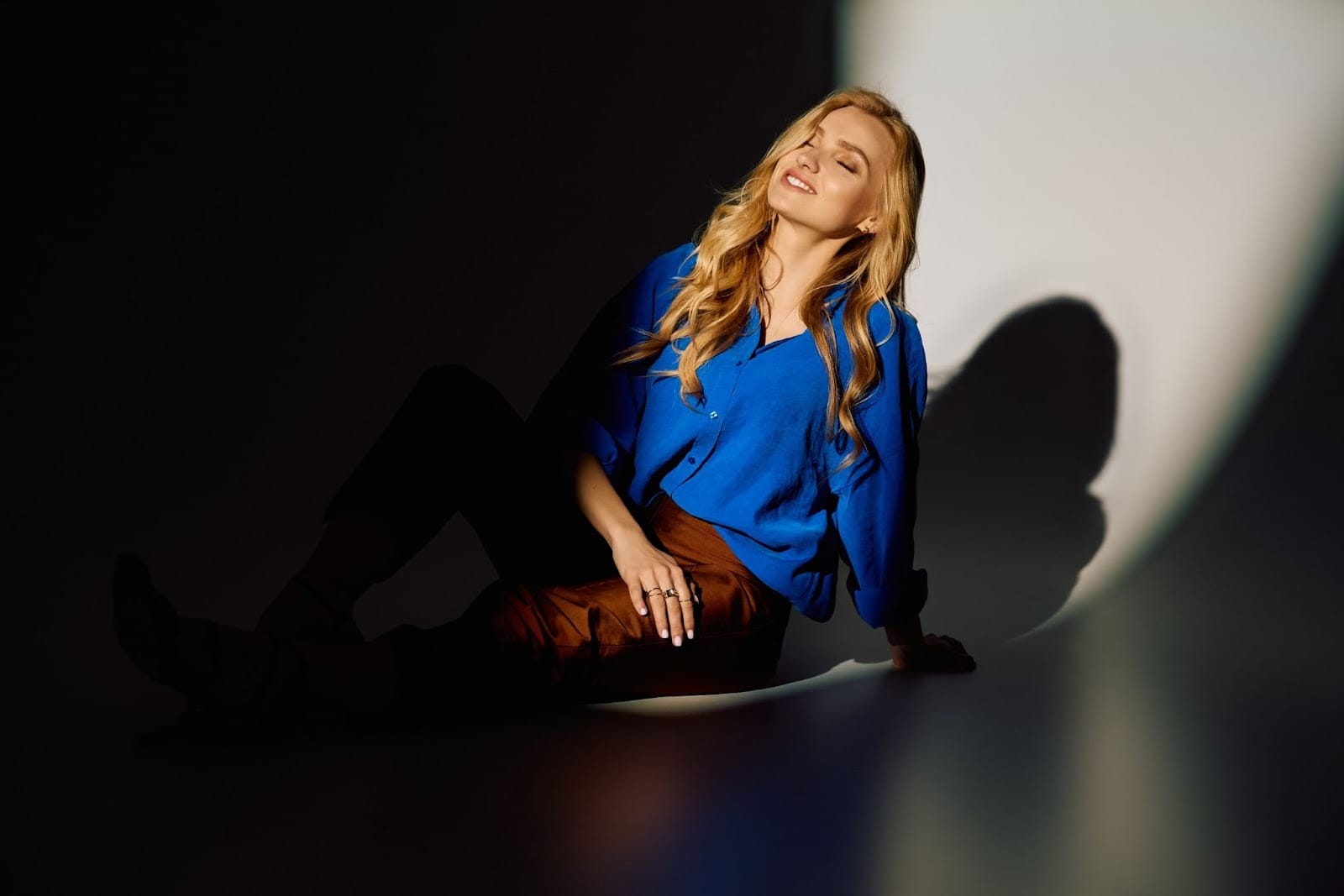
Your stats and contact details are a genuine part of a strong portfolio. Include the basics - name, age, height, weight, eye color, and measurements. That's what lets casting directors quickly judge whether you fit a role.
Add your location and contact details too, for you or your agent. A short professional summary can round it out with your experience and a bit of personality.
If you want a head start, a template or a guide can streamline the process. And update your details for specific applications so you're always putting your best foot forward.
Importance of Image Diversity and Professionalism
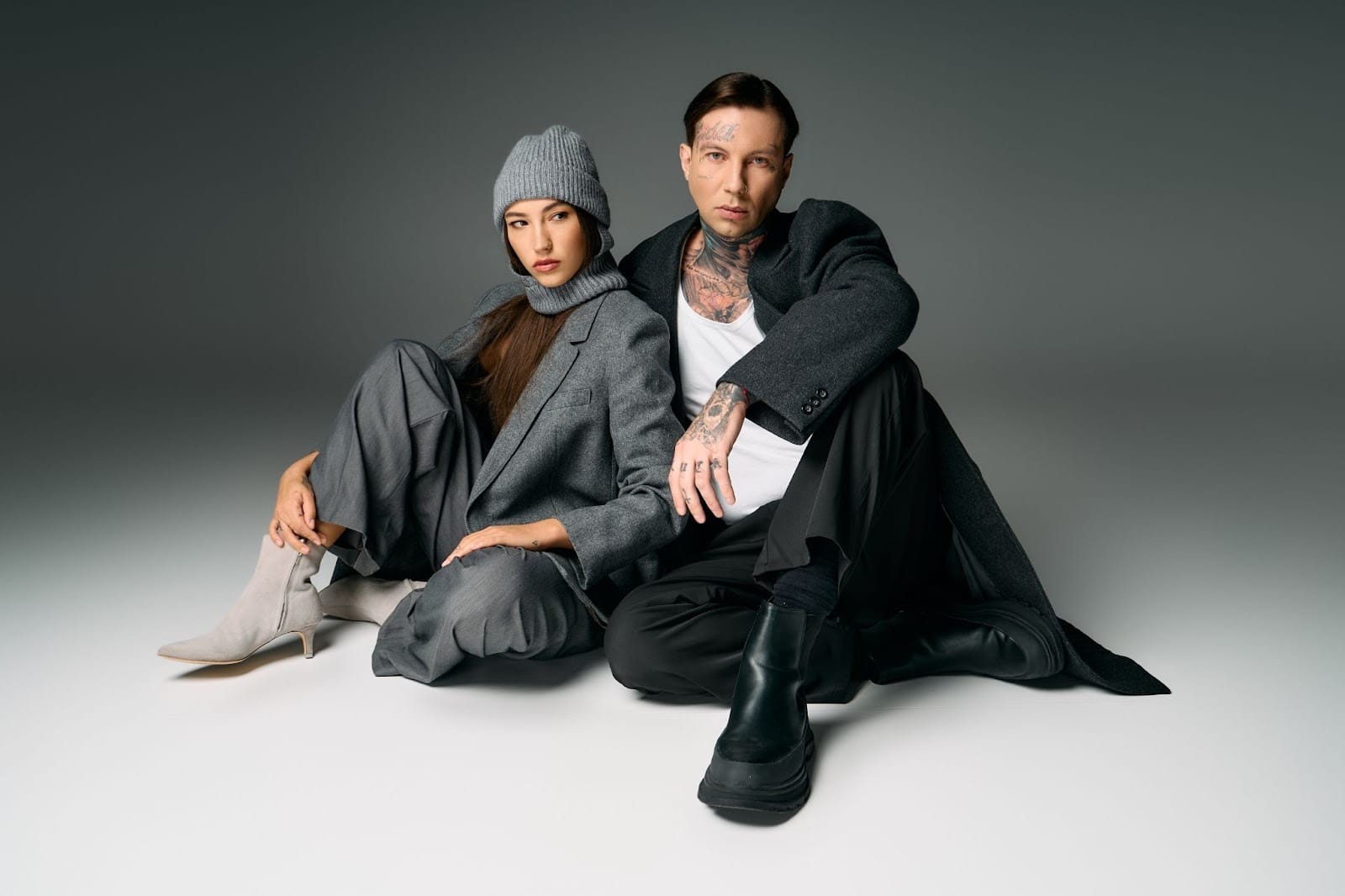
Why does variety matter so much? It shows you can adapt to different styles and concepts.
A varied portfolio shows your strengths and catches the eye of clients looking for models who can pull off different looks and moods. Professional images make that even stronger. A few things to keep in mind:
- Include a mix of headshots, full-length shots, and unique poses.
- Use both color and black-and-white photos for visual interest.
- Make sure every image is high-quality, professionally shot, and edited.
Client testimonials
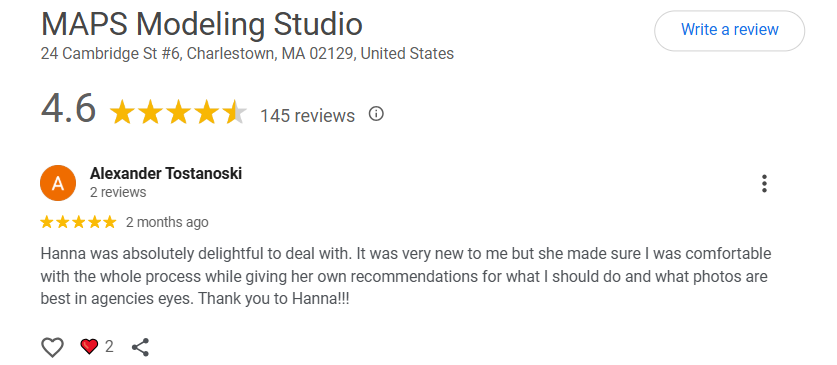
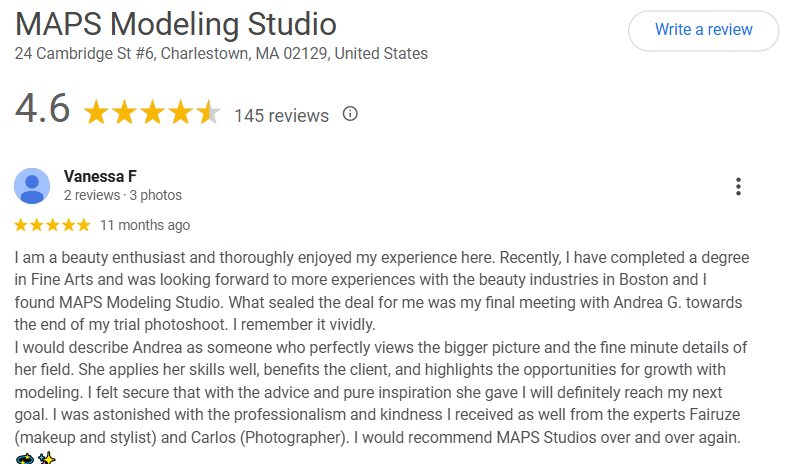
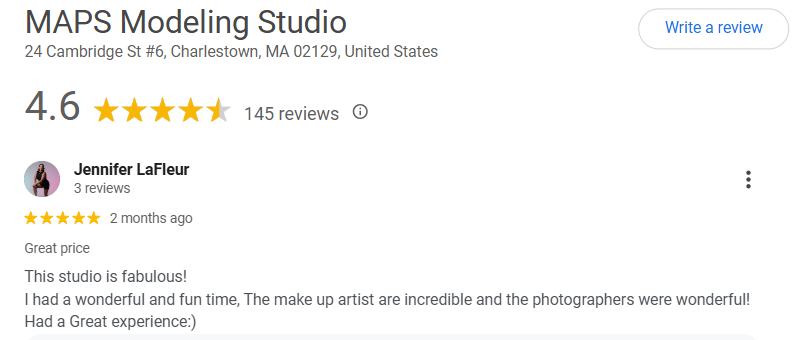
Below we're sharing reviews from platforms including Google My Business about Maps Studio. They speak to what our clients think of our work and how we help them build a strong portfolio. To learn more, visit Maps Studio.
Frequently asked questions
How often should I update my model portfolio? Every few months, or after a significant shoot. Keeping it current shows how you've grown and keeps you looking your best to clients and agents.
Can I include amateur photos in my portfolio? Better not to if you want to stay professional. High-quality, well-shot images are what make a strong impression. Quality over quantity.
What is a comp card and why do I need one? It's your model calling card - your best images and stats on one card. It's handy for networking and casting calls, and it helps you stand out.
How do I choose the right outfits for photoshoots? Think about the theme, your own style, and what flatters your body type. Balance creativity with simplicity so the clothes support the shot rather than overwhelm it.
Should I include social media links in my portfolio? Yes, it's a good idea. It shows your personality and connects you with industry people. Just make sure your profiles reflect your modeling identity.
Conclusion
A standout model portfolio comes down to showing who you are and how much range you have. Cover the essential photos, know your modeling type, and work with the right photographer, and you make a real impression. Include your stats and contact details to keep it professional and easy to reach you. With a varied set of images that play to your strengths, you're set up well for opportunities in the industry.
Visit Mapsstudio for more information about photography.
Note: We enjoy sharing photography tips and industry insight to help you capture life's best moments. That said, the services, styles, and equipment mentioned here are for general information and may not match what we currently offer. For our latest services and portfolio, visit Maps Studio. Let's create something you'll want to keep.
Building a model portfolio means covering the key shots - a clean headshot, a full-length body shot, and a swimsuit image for versatility. Know your modeling type, whether that's fashion, commercial, or fitness, and pick a photographer who works in that lane. Include your personal stats, and make sure the images are varied and high-quality. Get those right and your portfolio stands out. Here's the detail.
Essential Photos for Your Portfolio
The photos are what make the first impression, so lead with images that show who you are.
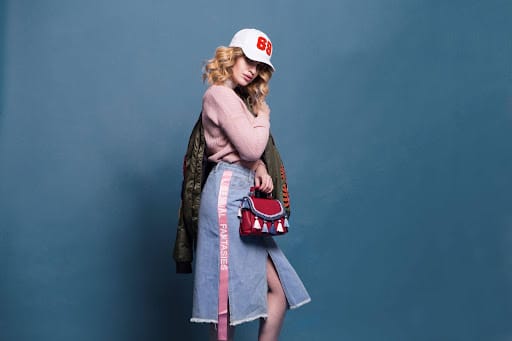
Start with a clean headshot for your face, then a full-length body shot for your proportions. A swimsuit shot adds versatility, and an editorial fashion shot gives you room to be creative. A commercial shot that shows emotional range matters too. And don't skip a smiling shot for your approachable side.
Close with a strong image that leaves an impression. Cover those and you've got a collection that stands out to clients and agents.
Understanding Your Modeling Type
Knowing your modeling type is what lets you build a portfolio that clicks with clients and agents. Work out whether you fit fashion/editorial, commercial, catwalk, or fitness, then shape the portfolio around your strengths.
Fashion models lean into high-end aesthetics; commercial models need to read as relatable. If you're starting with no experience, begin with the essential photos that suit your type - body shots and expressive images that show your range.
Line the portfolio up with your type and the right opportunities get easier to reach.
Choosing the Right Photographer
So how do you pick the right photographer? Start with someone experienced in your specific modeling type.
Look at their work and aesthetic to be sure it matches your vision. Before booking, talk through the details and get a feel for the chemistry between you. Be clear on pricing and deliverables, including photo rights. And bringing a friend along for support makes the whole thing easier.
Including Personal Stats and Contact Information
Your stats and contact details are a genuine part of a strong portfolio. Include the basics - name, age, height, weight, eye color, and measurements. That's what lets casting directors quickly judge whether you fit a role.
Add your location and contact details too, for you or your agent. A short professional summary can round it out with your experience and a bit of personality.
If you want a head start, a template or a guide can streamline the process. And update your details for specific applications so you're always putting your best foot forward.
Importance of Image Diversity and Professionalism
Why does variety matter so much? It shows you can adapt to different styles and concepts.
A varied portfolio shows your strengths and catches the eye of clients looking for models who can pull off different looks and moods. Professional images make that even stronger. A few things to keep in mind:
- Include a mix of headshots, full-length shots, and unique poses.
- Use both color and black-and-white photos for visual interest.
- Make sure every image is high-quality, professionally shot, and edited.
Client testimonials
Below we're sharing reviews from platforms including Google My Business about Maps Studio. They speak to what our clients think of our work and how we help them build a strong portfolio. To learn more, visit Maps Studio.
Frequently asked questions
How often should I update my model portfolio? Every few months, or after a significant shoot. Keeping it current shows how you've grown and keeps you looking your best to clients and agents.
Can I include amateur photos in my portfolio? Better not to if you want to stay professional. High-quality, well-shot images are what make a strong impression. Quality over quantity.
What is a comp card and why do I need one? It's your model calling card - your best images and stats on one card. It's handy for networking and casting calls, and it helps you stand out.
How do I choose the right outfits for photoshoots? Think about the theme, your own style, and what flatters your body type. Balance creativity with simplicity so the clothes support the shot rather than overwhelm it.
Should I include social media links in my portfolio? Yes, it's a good idea. It shows your personality and connects you with industry people. Just make sure your profiles reflect your modeling identity.
Conclusion
A standout model portfolio comes down to showing who you are and how much range you have. Cover the essential photos, know your modeling type, and work with the right photographer, and you make a real impression. Include your stats and contact details to keep it professional and easy to reach you. With a varied set of images that play to your strengths, you're set up well for opportunities in the industry.
Visit Mapsstudio for more information about photography.
Note: We enjoy sharing photography tips and industry insight to help you capture life's best moments. That said, the services, styles, and equipment mentioned here are for general information and may not match what we currently offer. For our latest services and portfolio, visit Maps Studio. Let's create something you'll want to keep.

Member discussion