
What skills are needed for fashion models?
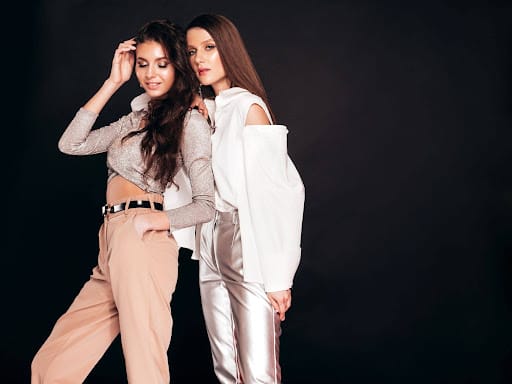
Working as a fashion model takes physical attributes and a set of learned skills. Tall and slender still opens doors, though diverse body types are gaining ground. Posing is a craft: knowing your angles and being able to shift between moods on command. You also need to read brand aesthetics and keep up with where fashion is going. Add contracts and fees to that, plus a real network in the industry, and you have the full picture. Here's each piece.
Essential physical attributes for fashion modeling
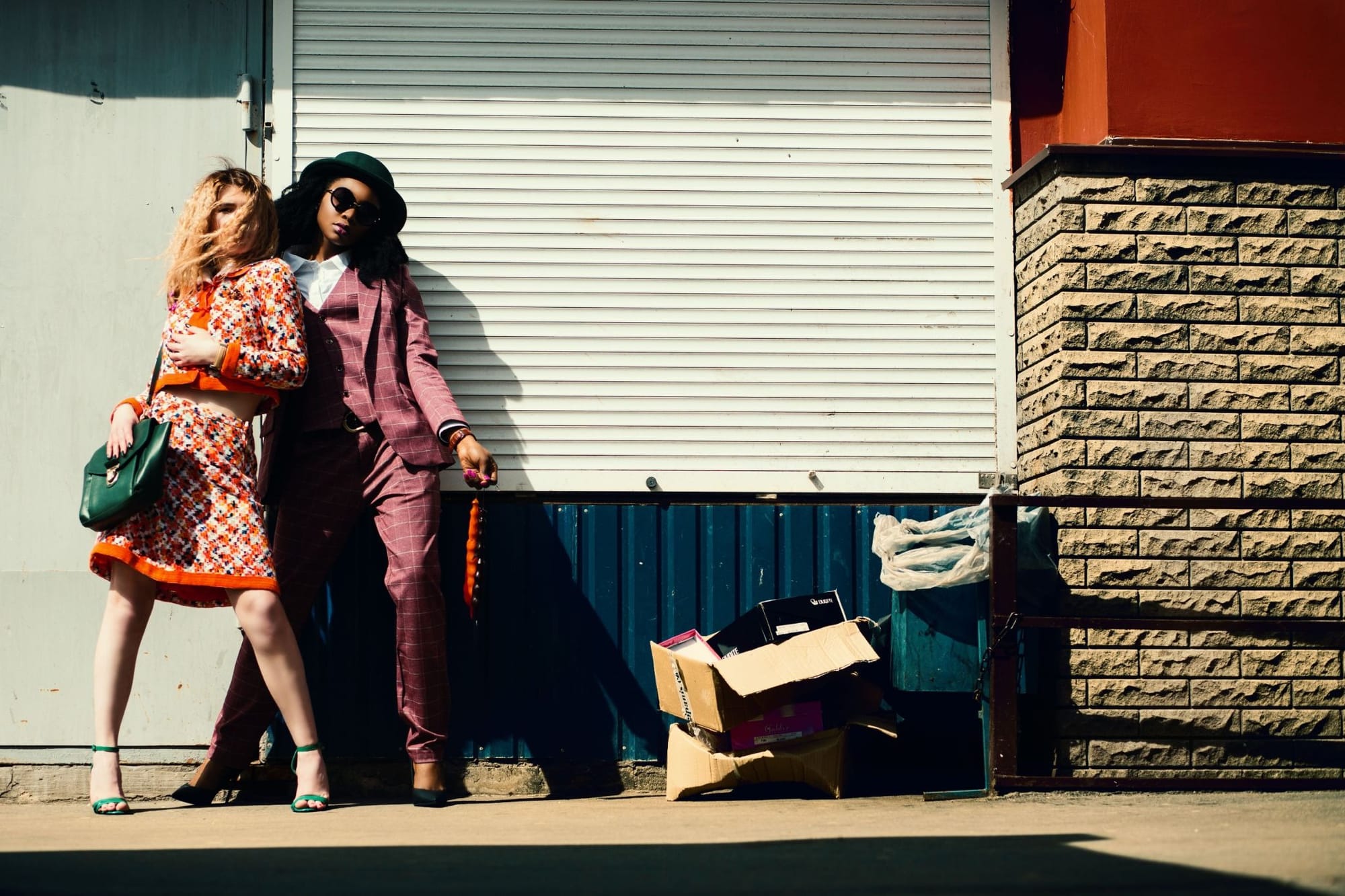
Agencies still tend to look for tall, slender figures that fit the high fashion ideal.
The industry is changing, though, and commercial brands increasingly cast a wider range of body types.
Flexibility and grace matter throughout, since they're what let you move between poses and styles on a shoot.
Strong interpersonal skills help too. Communicating clearly with photographers and designers makes the collaboration work.
Endurance carries you through long shoot days, and time management is what gets you to deadlines on time.
Traditional standards haven't disappeared, but the growing acceptance of different looks and sizes is worth celebrating, since it looks more like the world we actually live in.
Key skills for fashion modeling posing
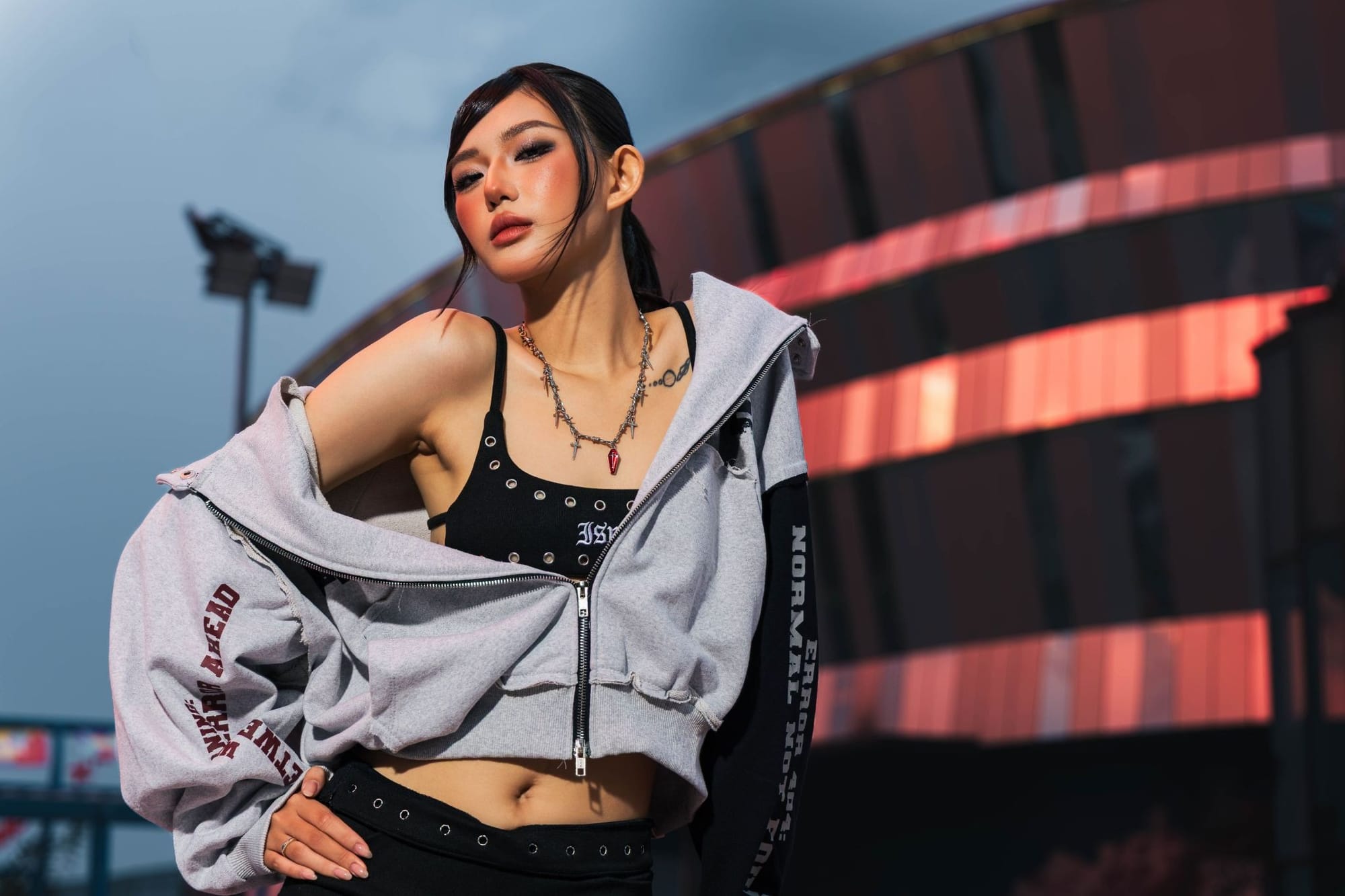
Posing is how you communicate a brand's vision, and doing it well separates you from everyone else in a competitive field.
Three skills to work on:
- Body awareness. Know your angles and how each one changes the image, then learn how to accentuate the ones that work for you.
- Facial expressions. Your face carries as much as your body does, so practice a range of expressions for different moods and styles.
- Movement. Standing still is only part of it. Learn to shift fluidly between poses so the photographer catches something with life in it.
How to align with fashion trends and brand aesthetics
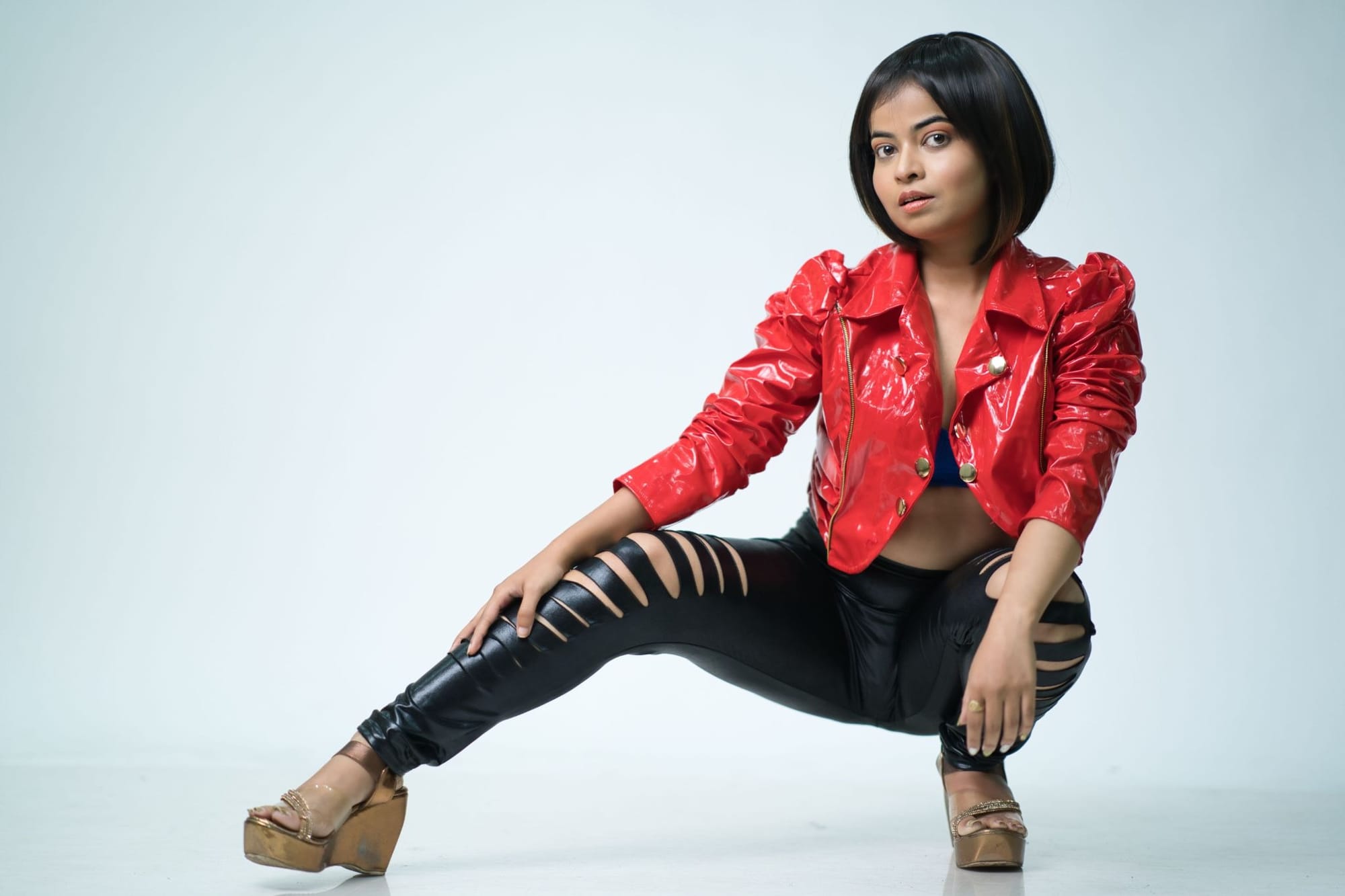
You have to be immersed in the industry to move with it, and trends shift fast.
Read fashion magazines regularly and follow designers on social media to see what's landing.
Understanding a brand's mission and aesthetic lets you shape your portfolio for them, showing the versatility that matches their vision.
Working with designers and appearing in runway shows raises your visibility.
Professionalism and adaptability hold it together, because you need to be able to embody whatever look a job calls for.
Understanding contracts and fees in the modeling industry
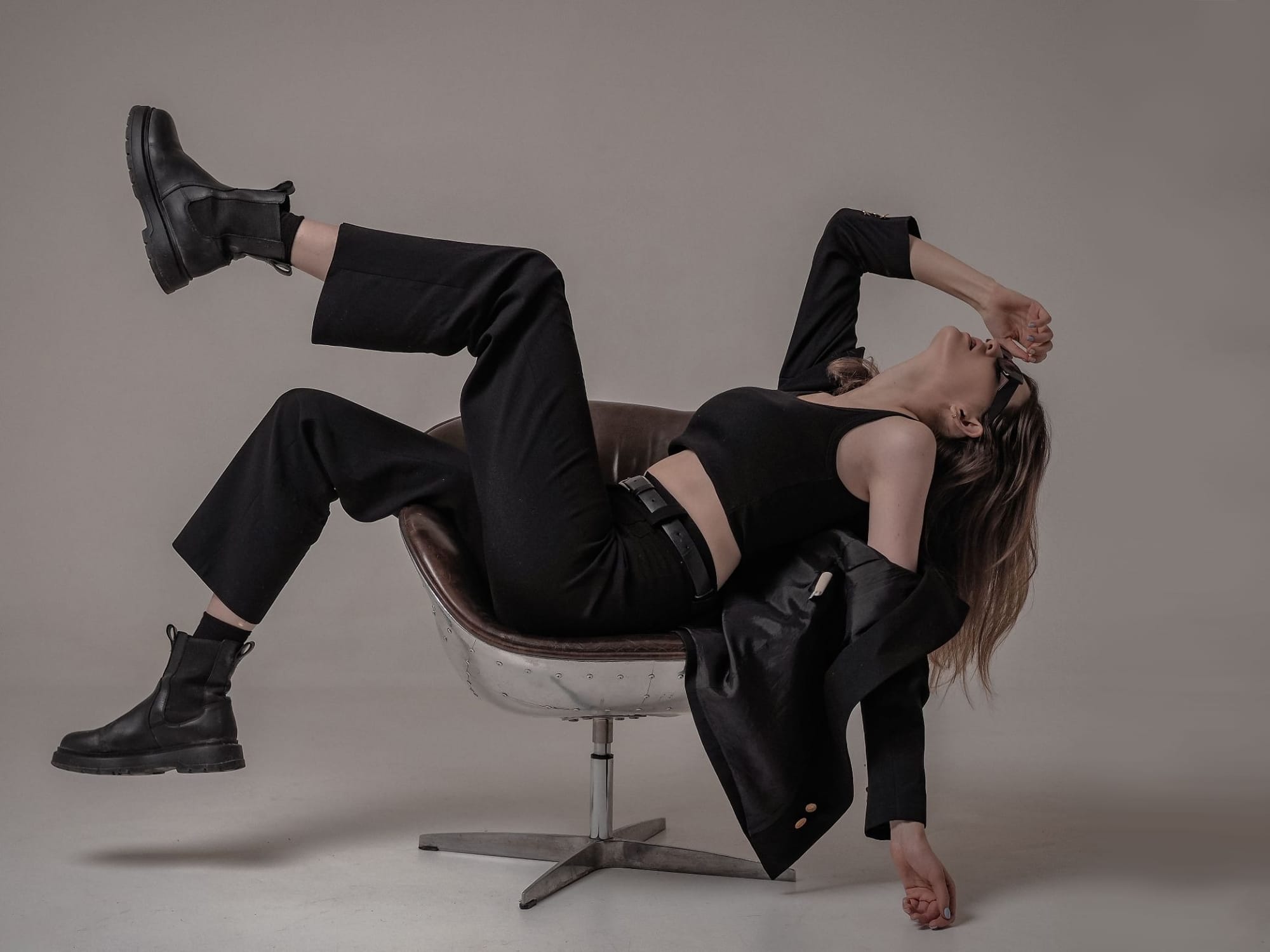
The business side feels overwhelming at first, and getting it right is what makes a career sustainable. Knowing what you're signing and what you're being paid is the foundation.
Three things to keep in mind:
- Read the fine print. Go through every contract properly, paying attention to exclusivity, usage rights, and cancellation policies.
- Negotiate wisely. Discuss fees openly, and research standard rates first so you know what fair looks like.
- Track expenses. Keep detailed records of what you earn and what you spend. It tells you where you stand financially and saves you at tax time.
Networking strategies for fashion models
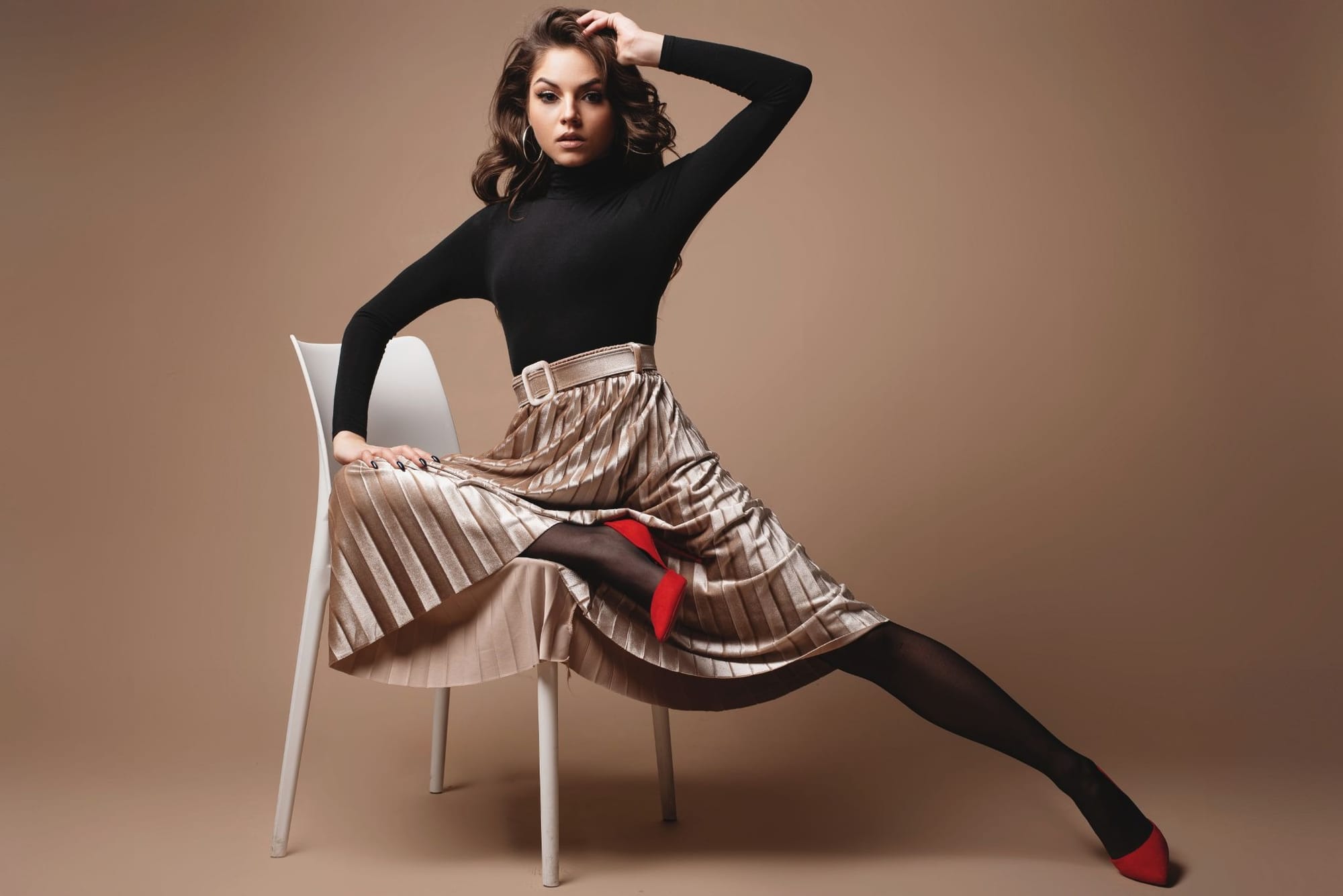
Who you know shapes this career as much as any contract does.
Get to local fashion events and talk to the professionals there.
Social media groups are worth joining too, since that's where you'll meet photographers, makeup artists, and stylists.
Build real relationships rather than collecting contacts, because word-of-mouth referrals are where a lot of work comes from.
Knowing industry standards and understanding contracts helps you make the most of those connections when they turn into offers.
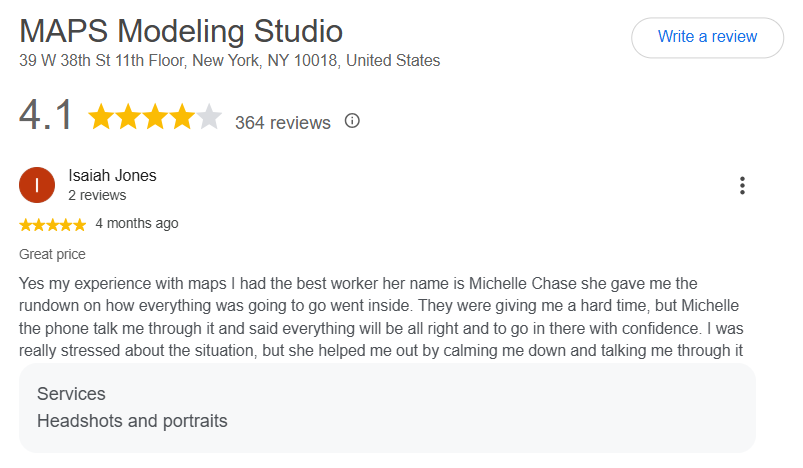
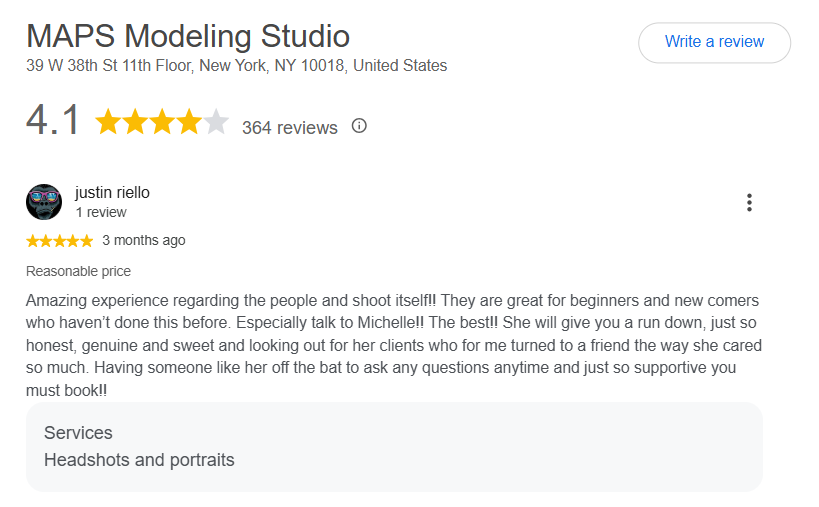
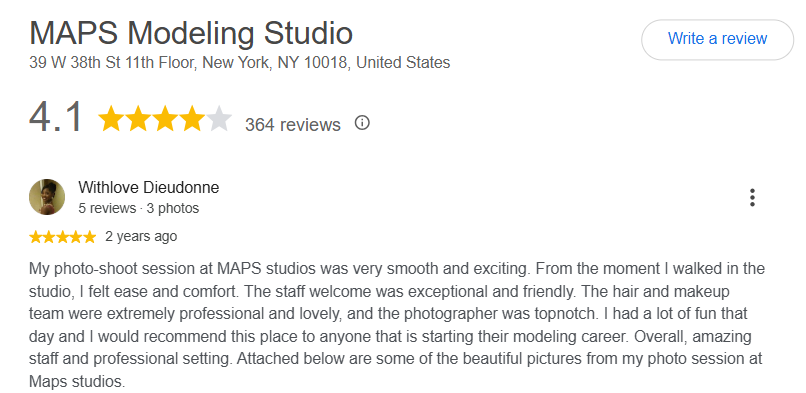
Client testimonials for Maps Studio
This last section collects reviews from clients who have worked with Maps Studio on building their professional modeling network. They describe how the studio helps models connect with the right people in the industry, and there are ideas in them worth applying to your own networking. For further details, visit Maps Studio.
Frequently asked questions
What personality traits are important for success in modeling?
Confidence, adaptability, and resilience. Taking feedback well and staying positive is what creates opportunities and builds relationships that last in an industry this changeable.
How can models improve their confidence on set?
Practice your poses beforehand, stay positive, and take the feedback you're given. Connecting with the team and playing to your strengths does the rest.
What should models wear for auditions or castings?
Fitted clothing that shows your shape, neutral colors, and minimal accessories. That way nothing distracts from you.
How do models maintain their physical health and fitness?
Balanced nutrition and regular workouts. Mixing it up with yoga and strength training keeps you feeling good and performing well.
What are common misconceptions about the modeling industry?
That it's all glamour. The work behind it takes dedication, resilience, and constant networking, which is not what people picture.
Conclusion
The skills behind fashion modeling are what make a career out of it. Work on your posing, stay current with trends, and learn the business side properly. Networking and collaboration build the relationships that carry you through. You're a storyteller and a brand ambassador on every job, and the skills are what let you do both well.
Visit Mapsstudio for more information about photography.
Note: We enjoy sharing creative inspiration, photography tips, and industry insights to help you capture life's best moments. The services, styles, and equipment mentioned in our articles are for informational purposes only and may not reflect our current offerings. For the latest on our photography services and portfolio, visit Maps studio.

Member discussion