
What Essential Skills Are Needed for Fashion Modelling?
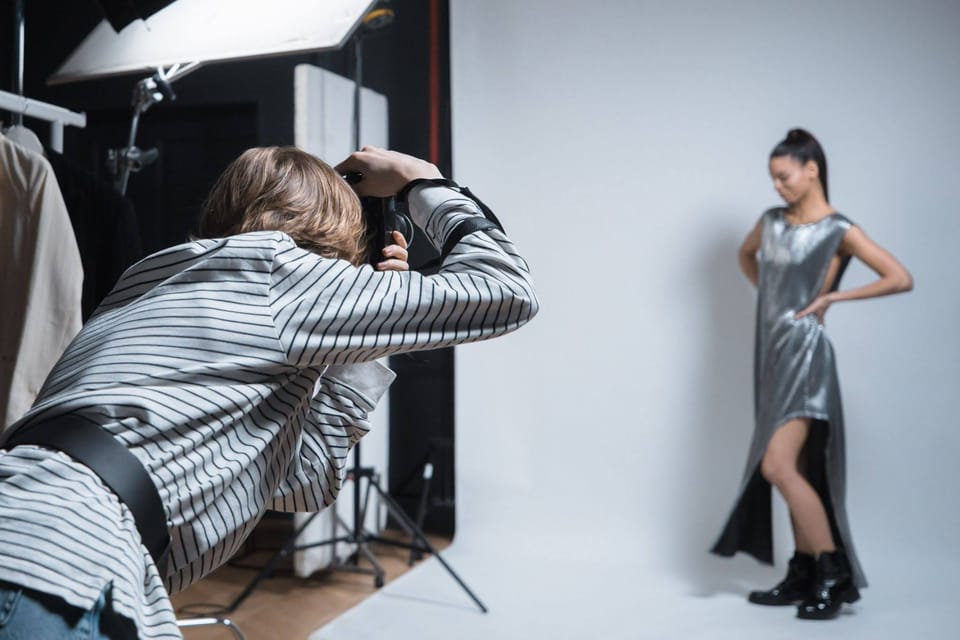
Doing well in fashion modelling takes professionalism, health awareness, and good communication. Show up on time. Look after your appearance through skincare, exercise, and eating properly. Resilience is what gets you through rejection, and networking is what opens the next door. On top of that, keep up with industry trends and keep learning. Here's a closer look at each.
Professionalism and Work Ethic
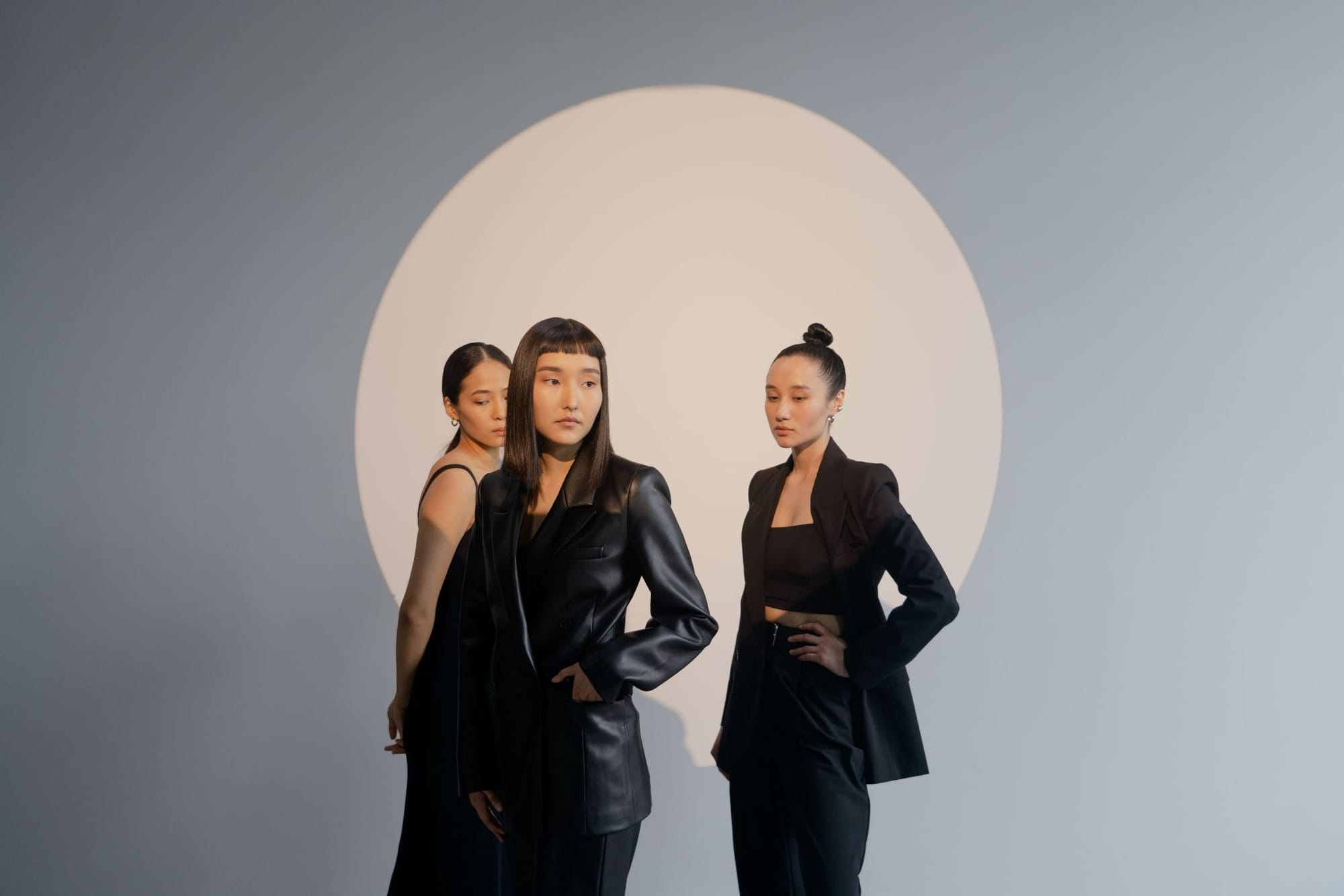
Professionalism and a solid work ethic are the baseline in this business.
Being on time shows respect for everyone involved, organizers, other models, the audience. When you honor your commitments, people start seeing you as reliable, and reliability counts for a lot in a competitive field. A strong work ethic gets you more opportunities and shows clients what you're worth. Turning up for casting calls and rehearsals isn't just about the job in front of you; it's how people start taking you seriously.
In the end, your attitude shapes how you're seen and what comes your way. Worth committing to at every stage.
Health, Appearance, and Mental Wellness

Your health, appearance, and mental wellness all matter here. Physical appearance drives first impressions, so keep a proper skincare routine and stay fit with regular exercise.
A balanced diet supports your health overall and helps with weight management. And don't skip over mental wellness. Self-care gives you a chance to check in with how you're actually doing, and that builds resilience.
Close ties with colleagues make for a supportive working environment, while time with family and friends gives you a community outside of the industry.
Poise and Communication Skills

Poise and communication go a long way in fashion modeling. Confidence sets you apart on the runway and helps you connect with an audience. Four things to work on:
- Self-assurance. Building your sense of self-worth is what gives you confidence and grace.
- Facial expressions. Practice a range of them so you can convey emotion properly during shoots.
- Professional relationships. Treat everyone you meet as an equal. It makes for better interactions and a better reputation.
- Networking opportunities. Starting a conversation can lead to real connections with clients and colleagues, and to future projects.
Networking and Resilience
The fashion industry is fiercely competitive, so a strong network and real resilience are what keep you going. Being kind and respectful gets you connections that turn into opportunities.
There's truth to the old line: "it's not what you know, it's who you know." In-person networking matters most, but don't write off social media. Instagram and TikTok let you put your work in front of people and grow an audience.
Resilience matters just as much. Rejection and criticism come with the territory, and a growth mindset is what lets you take something useful from them. A solid support system plus some mindfulness practice makes this demanding industry a lot easier to navigate.
Continuous Learning and Development
A network and some resilience prepare you for the industry, but continuous learning is what keeps you competitive. Four areas to focus on:
- Industry trends. Staying current on fashion trends keeps you relevant and appealing to clients.
- Skill enhancement. Workshops and training sessions sharpen your posing, runway walking, and communication.
- Feedback utilization. Asking peers for honest feedback shows you where to improve.
- Health and wellness knowledge. Keeping up with health and wellness practices supports your performance and how you feel overall.
Client Testimonials
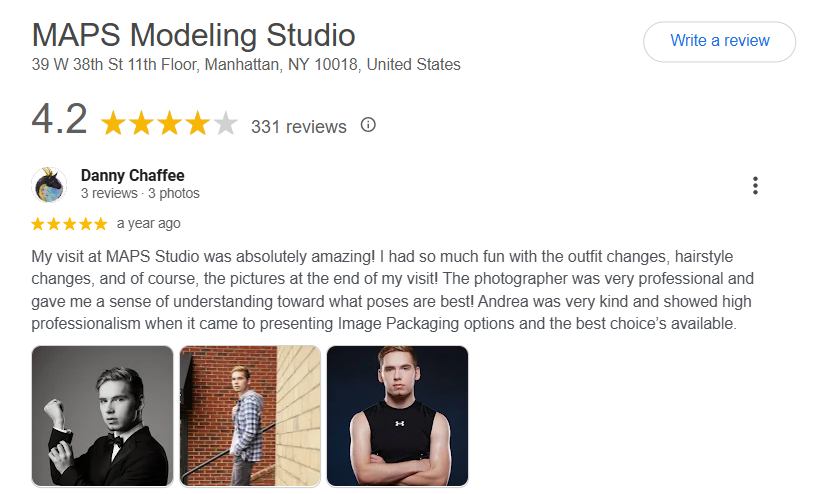
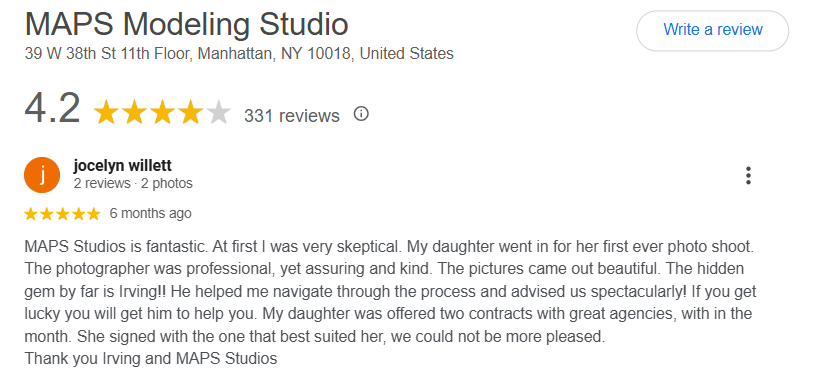
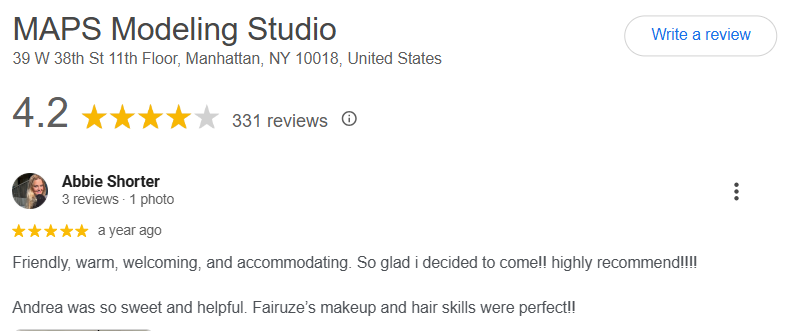
At Maps Studio, we listen to our models. Below you'll find reviews from platforms like GMB about what working with us is like. They speak to the guidance and support we give models building their fashion skills. Being part of that growth is the best part of the job. To learn more, visit us at Maps Studio.
Frequently Asked Questions
What types of modeling are available beyond fashion modeling? There's commercial, editorial, plus-size, fitness, and beauty modeling. Each one has its own style and market, so there's a lot of room to find where you fit.
How can I find reputable modeling agencies? Research online, read reviews, and ask models who've been around a while. Agency websites and open calls give you a feel for how professional they are and whether they're right for you.
What should I include in my modeling resume? Contact information, physical measurements, modeling experience, training, and any special skills. Pair it with professional photos that show range and personality.
How do I prepare for a casting call? Research the brand, practice your walk and poses, dress for the role, bring your portfolio, and keep a good attitude through the whole thing.
What are common misconceptions about the modeling industry? People assume it's all glamour and easy money. It's demanding and competitive, and most don't see the work, the resilience, and the constant self-improvement behind a career that lasts.
Conclusion
Professionalism, health, and good communication set you up well in the fashion industry. Networking builds the relationships that last, and resilience is what carries you through the rough patches. Keep learning and you'll improve your craft while staying current with how modeling actually works. These are the skills worth putting the time into.
Visit Mapsstudio for more information about photography.
Note: We enjoy sharing photography tips and industry insight to help you capture life's best moments. That said, the services, styles, and equipment mentioned here are for general information and may not match what we currently offer. For our latest services and portfolio, visit Maps Studio. Let's create something you'll want to keep.


Member discussion