
How to identify the purity of A2 desi ghee with essential tips
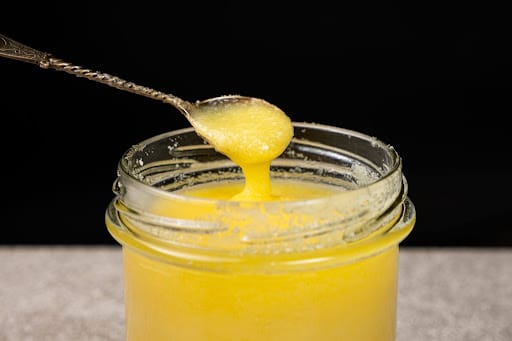
Start with the colour. A rich golden-yellow is a good sign. Then smell it, because real ghee has a nutty aroma and anything foul points to adulteration. Melt a little and taste it: pure ghee is creamy and slightly sweet. Buy the kind sold in glass jars, since it stays fresher that way. And find out where it came from, because that tells you more than anything on the front of the label.
What authentic A2 desi ghee looks like
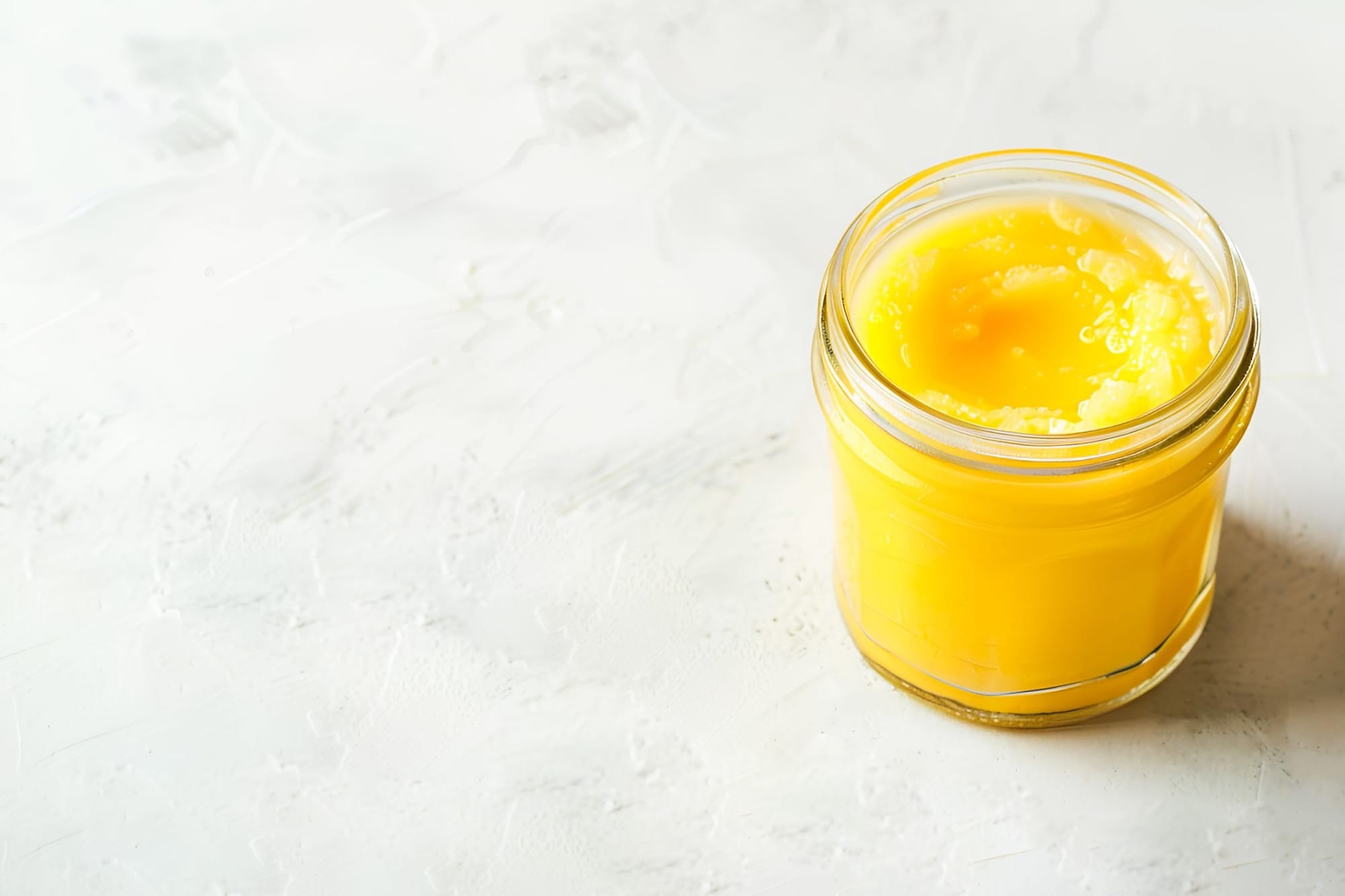
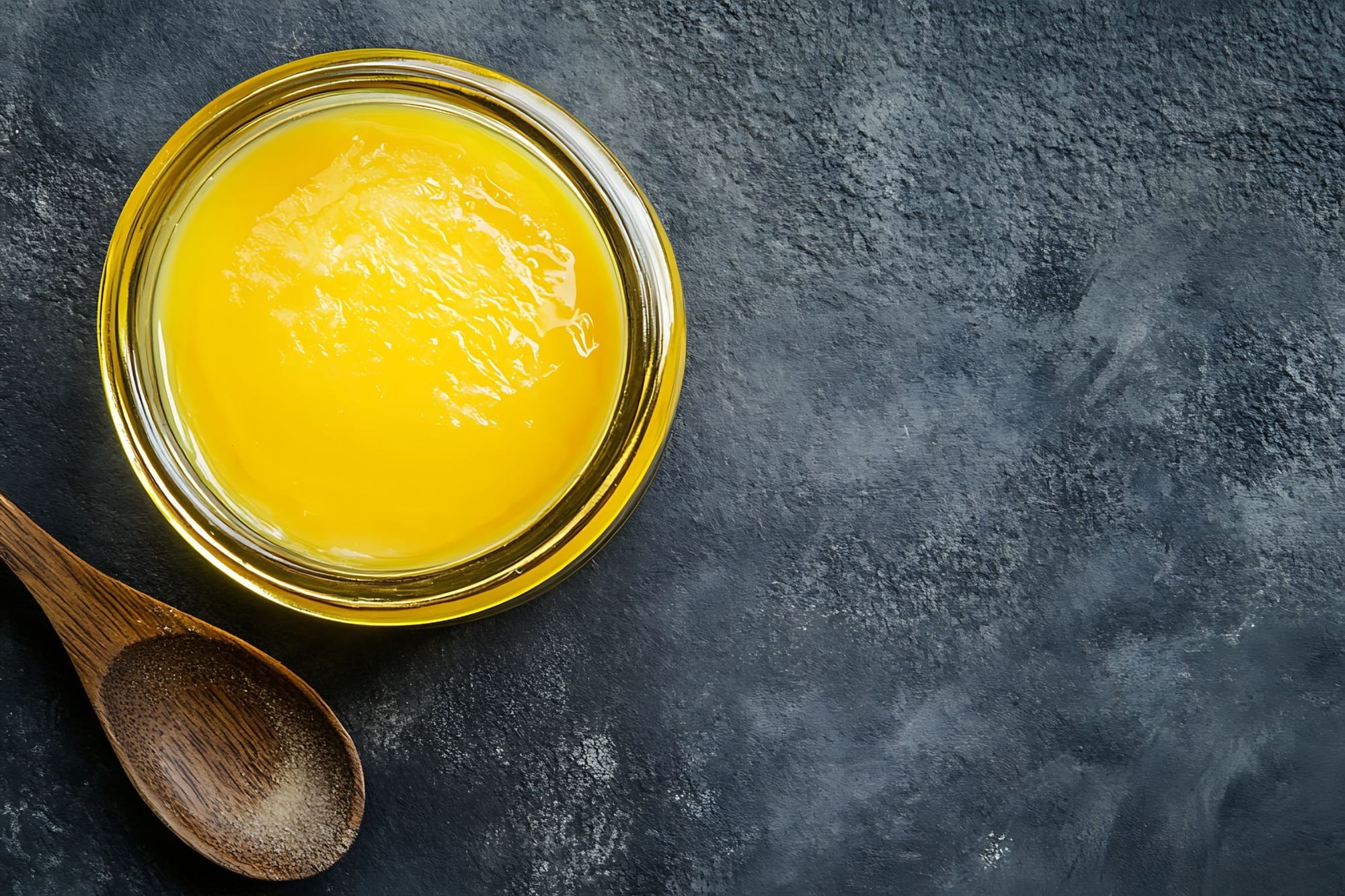
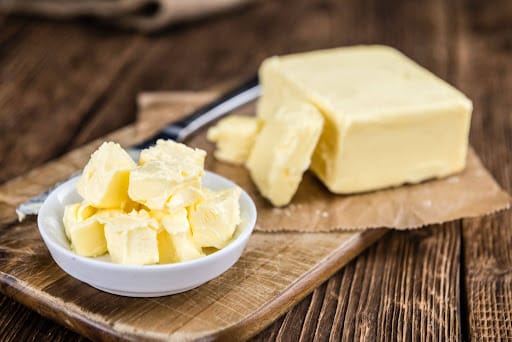
Genuine ghee runs anywhere from light yellow to golden. That colour comes from beta-carotene in the cow's diet, not from anything added later.
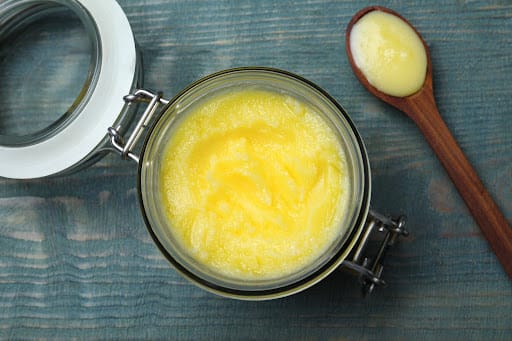
Texture is the next thing to check. Medium-sized grains mean the ghee cooled slowly, which is how good ghee is made.
Smell matters just as much. Authentic ghee gives off a rich, comforting scent. Adulterated ghee tends to smell foul once you heat it, and you'll know immediately.
The taste should be naturally sweet and creamy, the kind that makes a dish better rather than just adding fat to it.
Home purity tests worth doing
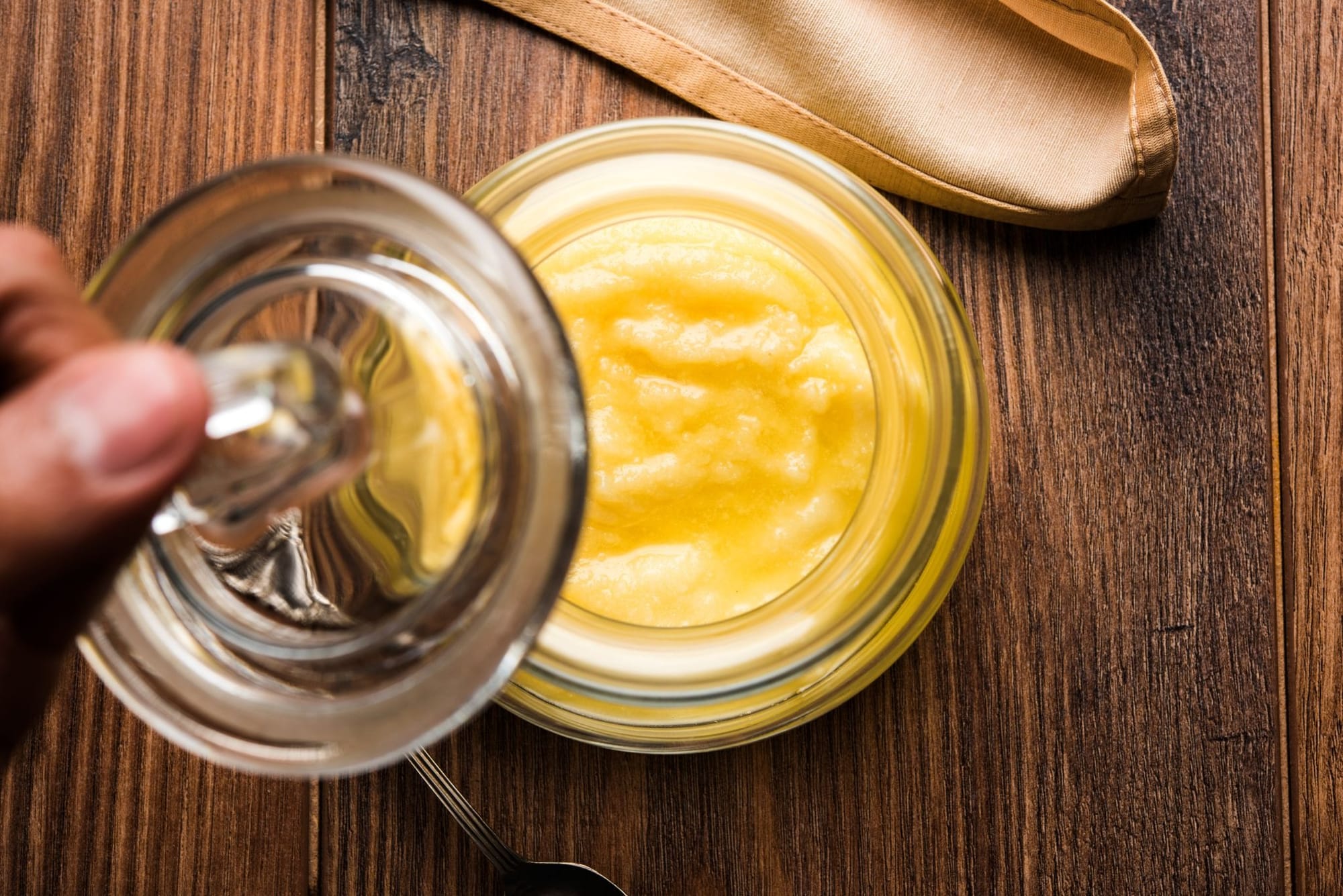
Start with certifications. FSSAI and AGMARK marks tell you the product has met quality standards.
Read the label properly. Real ghee lists one thing: milk fat from cow's milk. No additives, no preservatives. If the ingredient list runs longer than that, put it back.
Then do the test at home. Melt a small amount and smell it. Pure ghee smells pleasant and nutty.
Look at the colour too. Rich golden-yellow is what you want.
And go for ghee sold in glass jars. Glass keeps it fresher than plastic does.
Why the source matters
Where your ghee comes from decides its quality and what it actually does for you.
Ghee from desi cows, particularly ones fed organic fodder, gives you a nutrient-dense product with essential fatty acids and vitamins in it. A2 ghee, made from A2 cow milk, digests more easily and carries several medicinal properties.
Knowing the milk source also protects you from adulterated products that hide harmful additives. Buying from reputable farms like Kesariya Farm means you're supporting ethical practices and getting proper ghee on your plate at the same time.
Why glass packaging is best
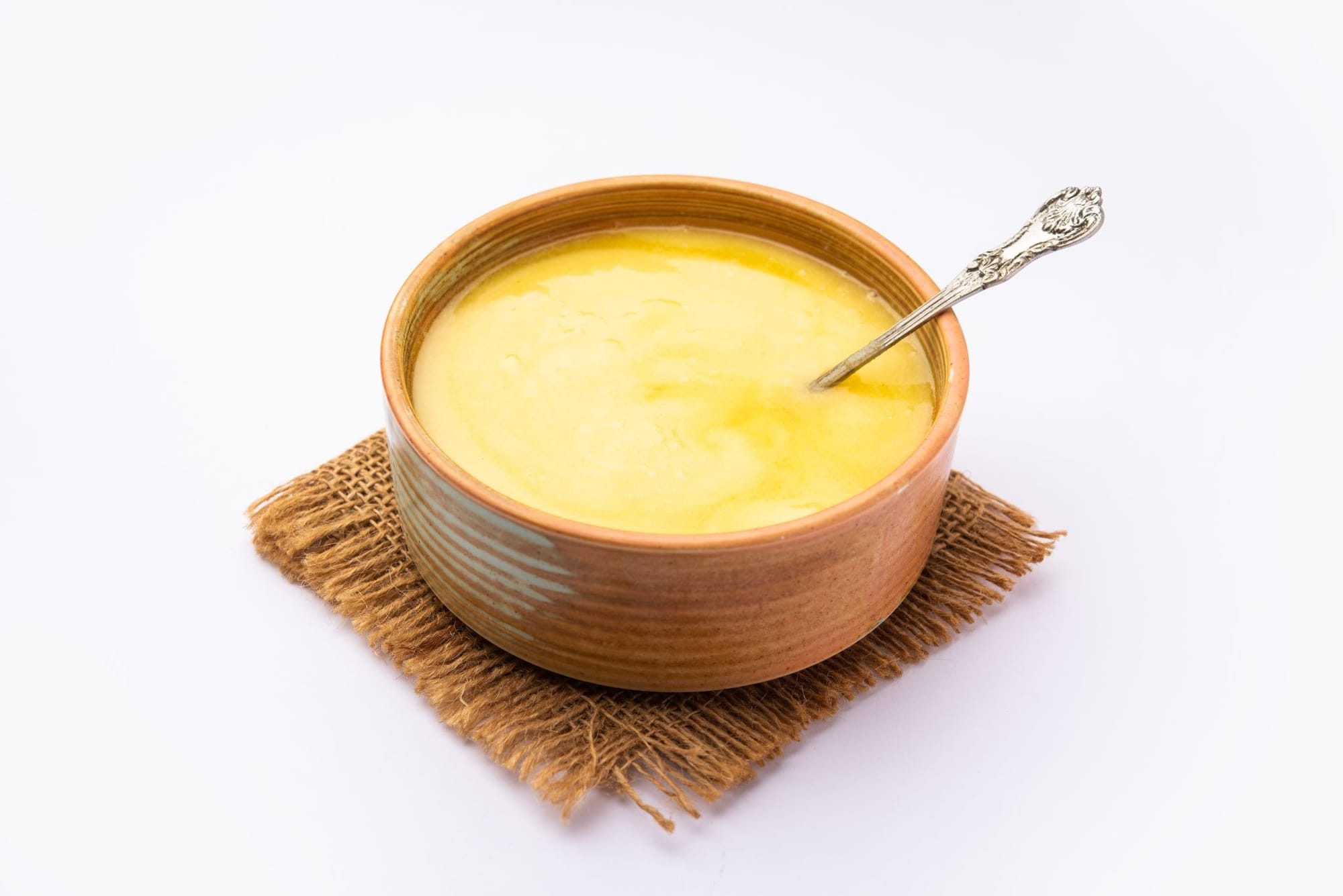
Glass doesn't leach chemicals into what it holds, so the ghee keeps its natural aroma and flavour intact. Plastic can react with fats, and that reaction costs you quality.
Ghee in glass jars also tends to last longer on the shelf, which makes it the more practical buy even before you factor in taste. Glass is sturdy too, so contamination is one less thing to think about.
Where to find authentic A2 desi ghee
Local dairies that still use traditional methods are the best place to start, especially ones that follow the Ayurvedic bilona process. Producers like that are usually open about where their milk comes from and how they work.
Online marketplaces can work too, as long as you verify the certifications. Look for FSSAI and organic labels before you buy.
Check for glass packaging while you're at it, since that's what keeps the ghee fresh.
And ask around. Friends and family who care about this stuff will point you somewhere good faster than any search will.
Customer reviews and experiences
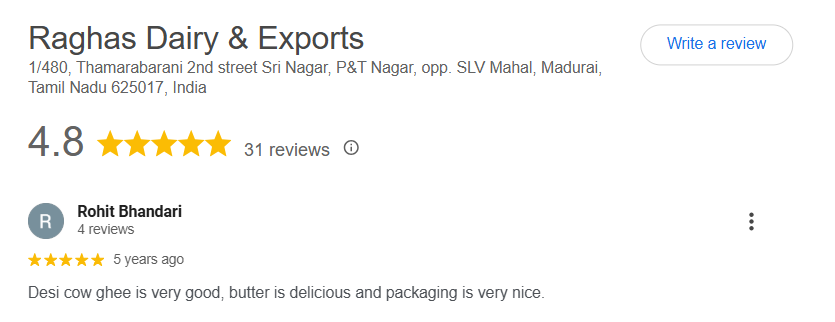
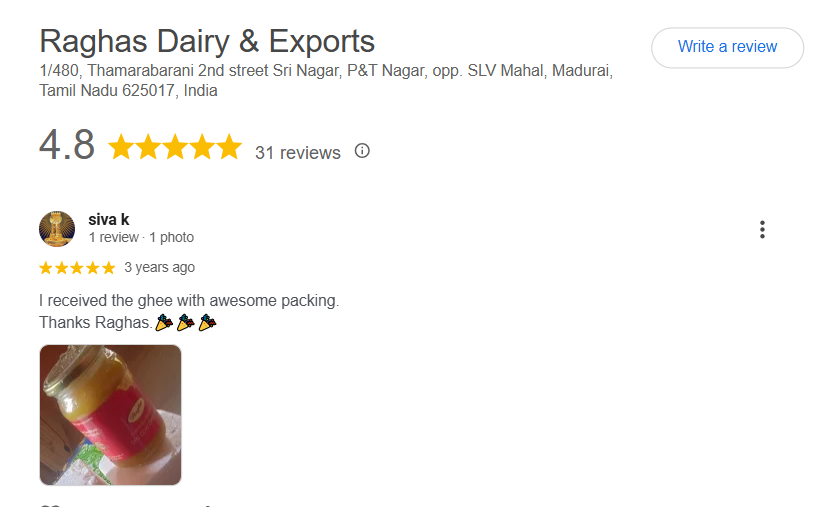
Raghas A2 Desi Ghee has made a real difference to a lot of people's health. We've gathered reviews from various platforms where customers talk about the benefits they've noticed. A lot of them mention stronger immunity and better overall wellness. Have a look at the screenshots below to see what they've said. For more information, visit Raghas A2 Desi Ghee.

Frequently asked questions
What are the health benefits of consuming A2 desi ghee? It supports heart health, helps digestion, and strengthens immunity. The essential fatty acids and vitamins in it make it a solid addition to how you eat day to day.
Can A2 ghee be used for cooking at high temperatures? Yes. Its high smoke point makes it well suited to frying and sautéing, and it adds flavour to whatever you're cooking while it's at it.
How long does A2 desi ghee last when stored properly? Around six to nine months, kept in a glass container somewhere cool and dark. Store it that way and the quality holds.
Is A2 ghee suitable for lactose-intolerant individuals? Generally, yes. A2 ghee contains minimal lactose, so most people can enjoy the flavour and the benefits without the discomfort that usually comes with dairy.
How can I differentiate between A2 and A1 ghee? Check the milk source. A2 ghee comes from desi cows, while A1 ghee usually comes from hybrid cows. Taste, aroma, and colour differ between them too, so pay attention to those.
Conclusion
Choosing real A2 desi ghee comes down to knowing what to look for: the colour, the grain, the smell, and the taste, plus a few home checks and a close read of the label. Where it's sourced and how it's packaged matter just as much. Use these checks and you'll end up with ghee that's genuinely good for you and genuinely good to cook with.
Visit Raghas Dairy to learn more.


Member discussion