
7 tips for a professional fashion modeling portfolio
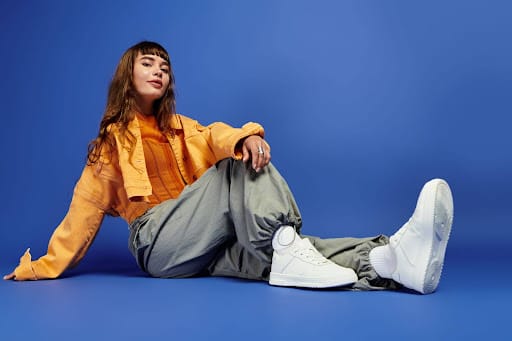
A portfolio that stands out comes down to focus and a ruthless edit. Start by deciding what kind of model you are, whether that's commercial, lifestyle, or something else. The photographer matters enormously, and the right one knows what agencies expect to see. Certain shots are non-negotiable, the clean beauty image and the full-length among them, and your outfits need to work with your strengths rather than against them. Organize it well and it leaves an impression. Here are the seven tips.
The importance of defining your modeling type
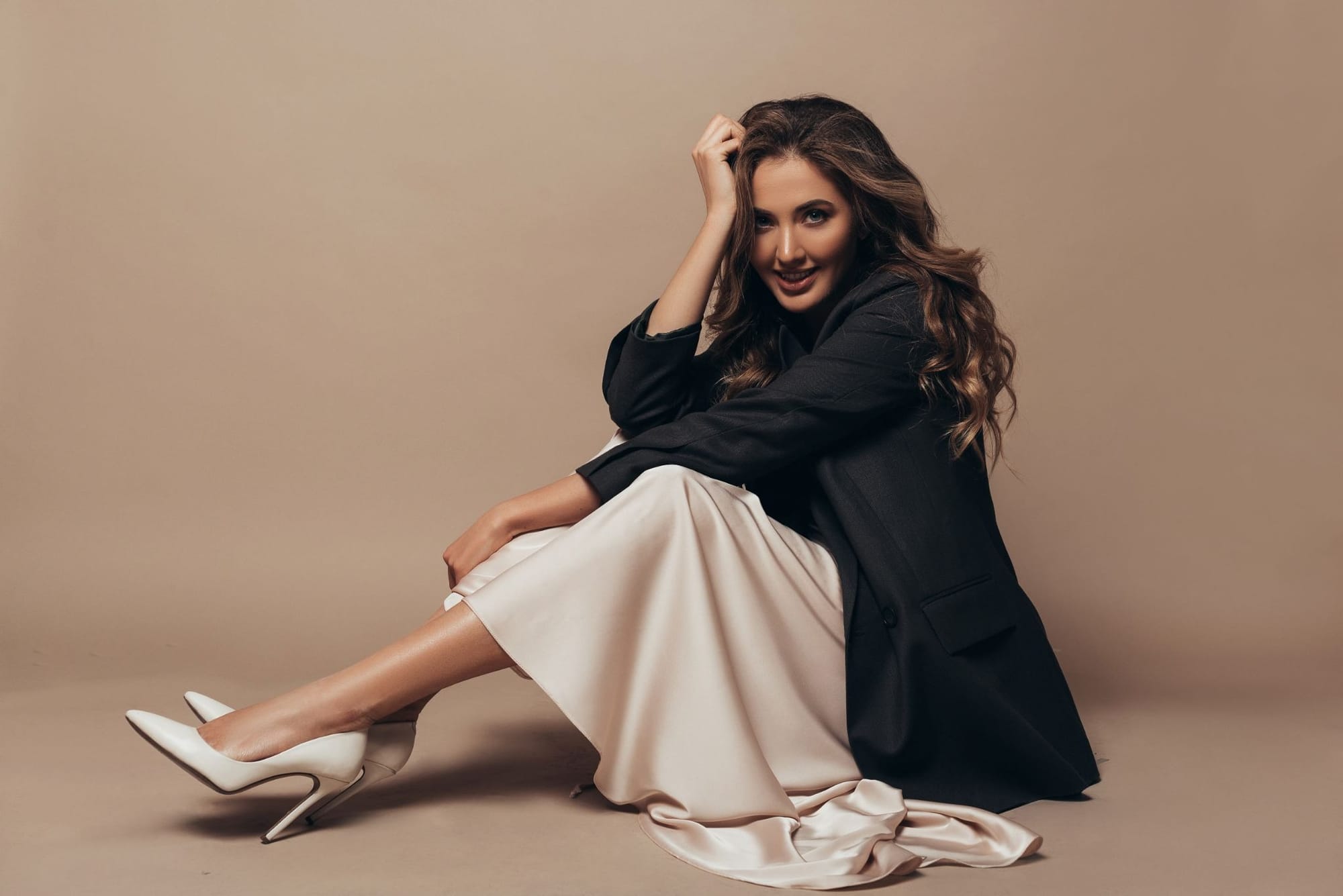
Knowing your type is what gives a portfolio focus. Fashion, commercial, fitness, or lifestyle all pull in different directions, and knowing which one you're aiming at tells you which images belong.
That clarity keeps random casual pictures out of the book. Agencies and casting directors want quality and clarity, so leave out the over-filtered images and the party shots.
Choosing photos that fit your type puts your strengths in front of people, and it makes it obvious to a client which roles you'd suit.
Everything else in your portfolio strategy follows from this decision.
How to choose the right photographer for your portfolio
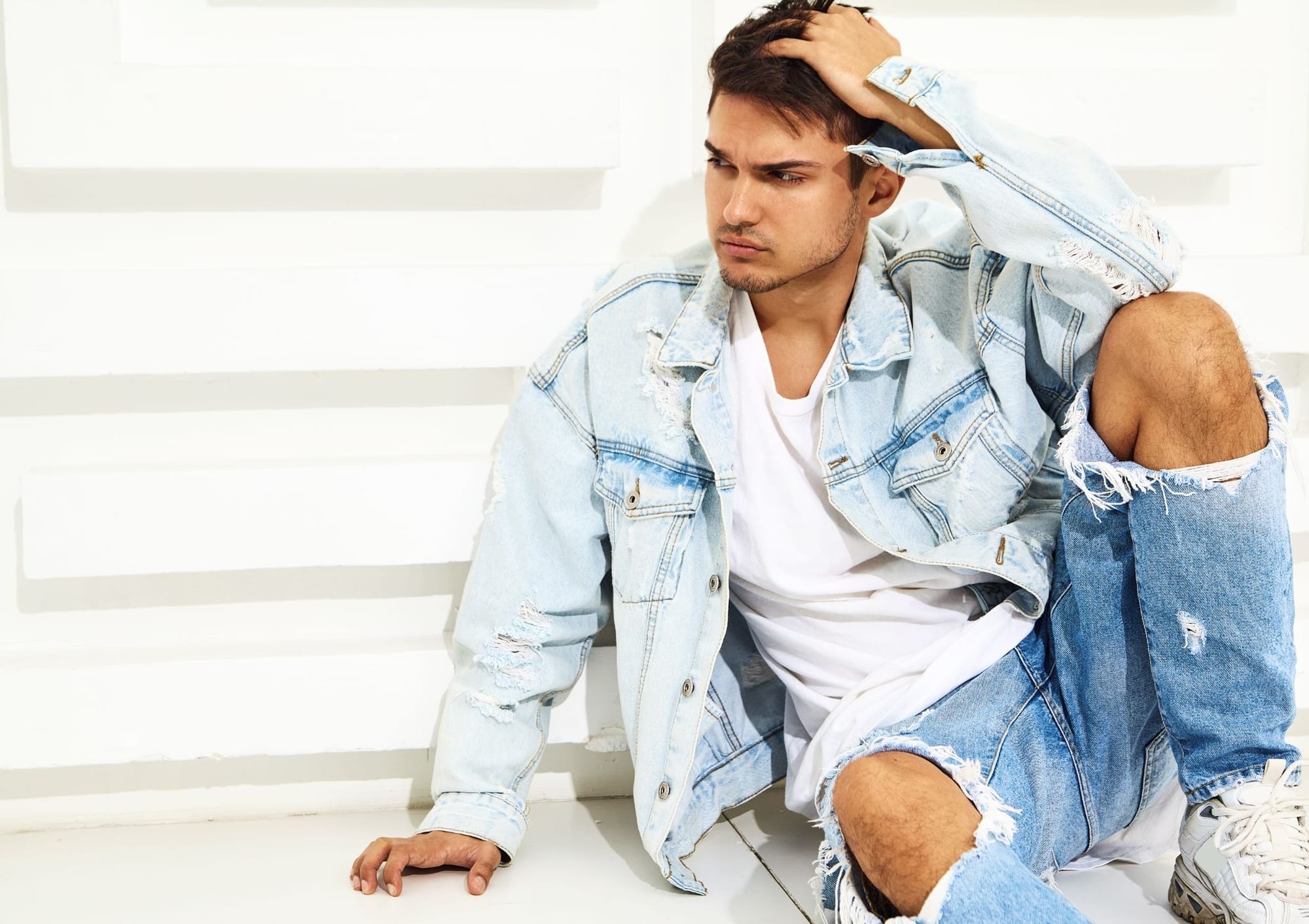
Start with experience. You want a fashion photographer who understands what agencies expect, and their own portfolio should show work that matches your style and vision.
Read online reviews to get a sense of their reputation and how they work with people.
Talk through your expectations and goals before the shoot so you're both aiming at the same result.
Direction matters too, particularly if you're new to this. A photographer who can guide you through a session is worth finding. And comfort is not a small thing here. If you feel at ease, it shows in the images.
How to select essential shots for your modeling portfolio
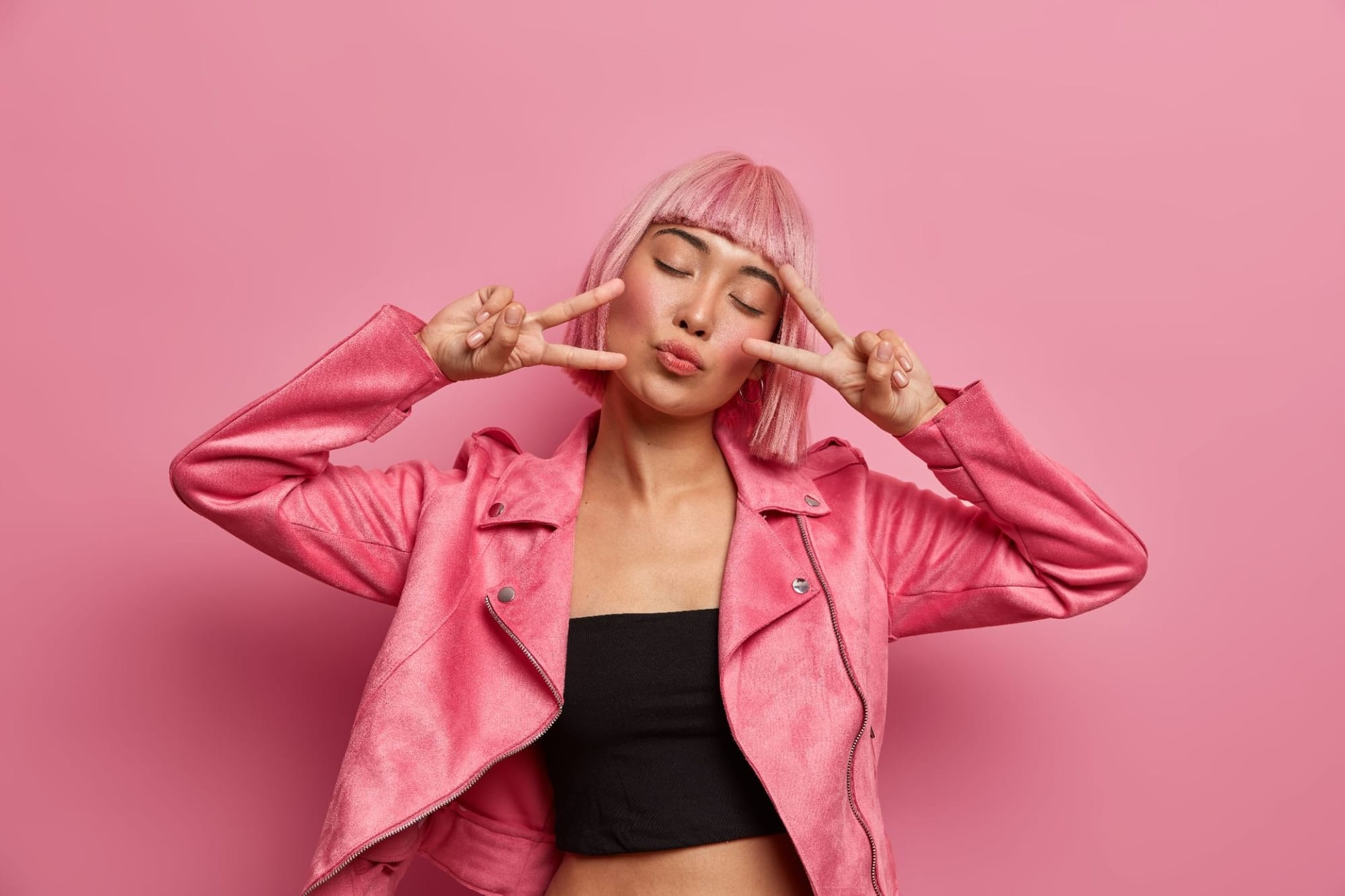
The shot list is what proves your range.
Open with a clean beauty shot or headshot, minimal makeup, natural features on show.
A full-length body shot comes next to show your proportions. Keep the clothing simple and form-fitting.
If you're comfortable with it, a tasteful swimsuit shot reads as confidence without tipping into anything overly sexual.
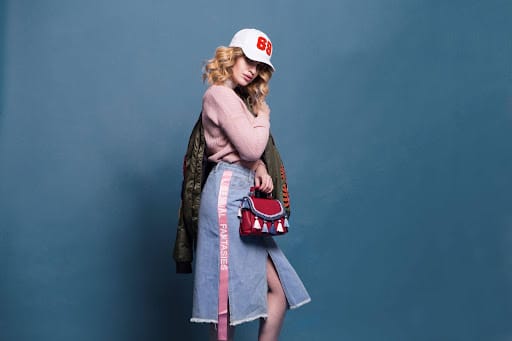
An editorial fashion shot gives you room to express creativity through movement.
You'll want a commercial shot too, one that catches genuine emotion and shows you can act.
A smiling shot adds warmth and lets your personality through.
Close with something strong. The last image is what people remember, and it should say where your brand and career are heading.
How to choose outfits that complement your modeling style
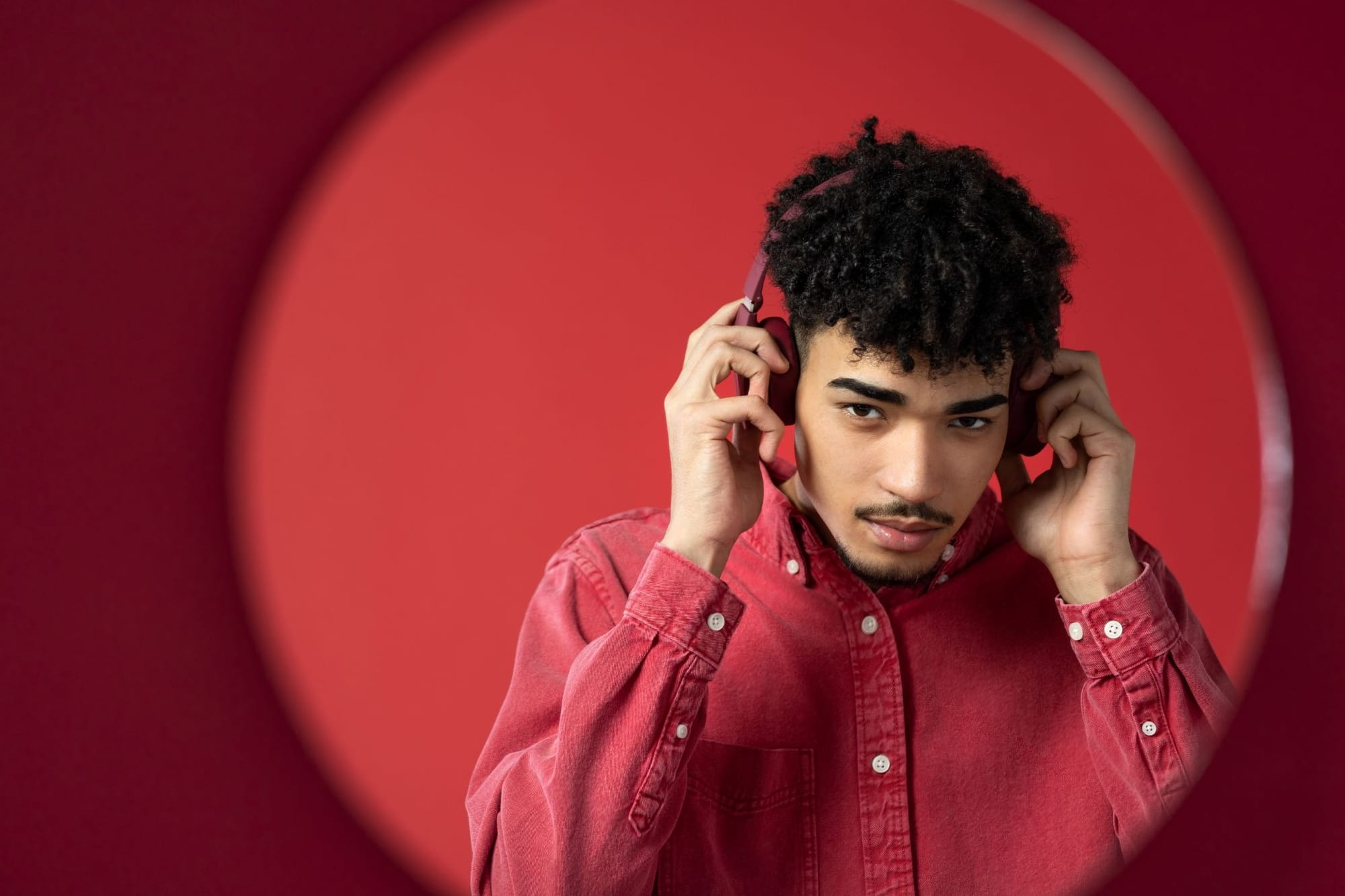
Outfits should match the kind of modeling you're pursuing, whether that's high fashion, commercial, or fitness.
Ask your photographer for input, since they'll know what works on camera better than you do.
A professional stylist raises the standard further if you can afford one, making sure everything fits properly and suits the theme of the shoot.
Pack a model bag with the essentials: versatile tops, classic bottoms, whatever covers you if plans change.
Choose pieces that play to your strengths and the whole book holds together instead of looking like several different people.
Why natural lighting matters for your portfolio shots
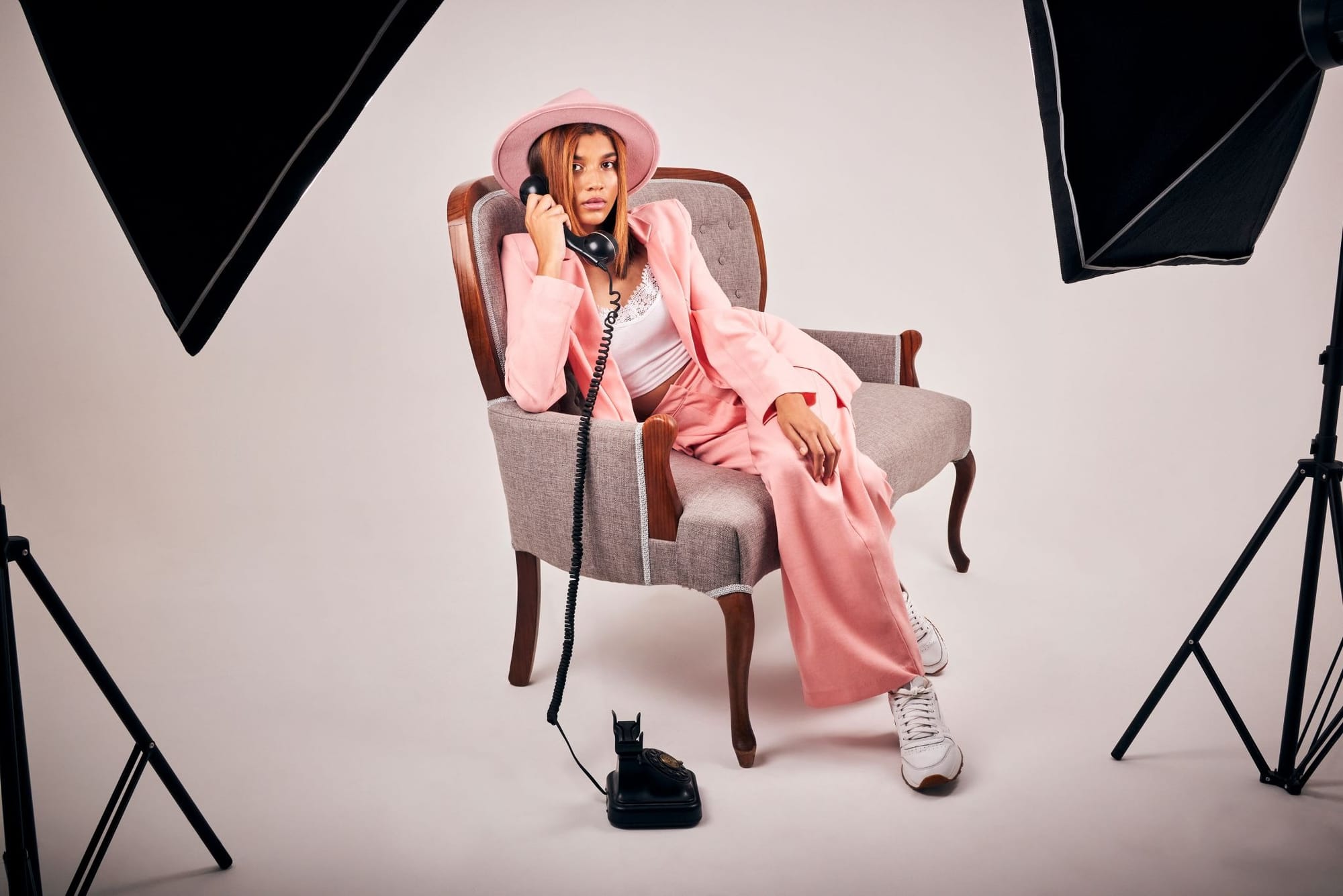
Natural light does something artificial lighting rarely manages. That soft, flattering glow is hard to fake.
Shooting outdoors or near a window captures the true colors of your clothing and skin, and that authenticity is what agencies and clients respond to.
Natural light also gives you real shadows and highlights, which adds depth to an image rather than flattening it.
Time it right, golden hour especially, and the difference in your shots is obvious.
Best practices for organizing your model portfolio
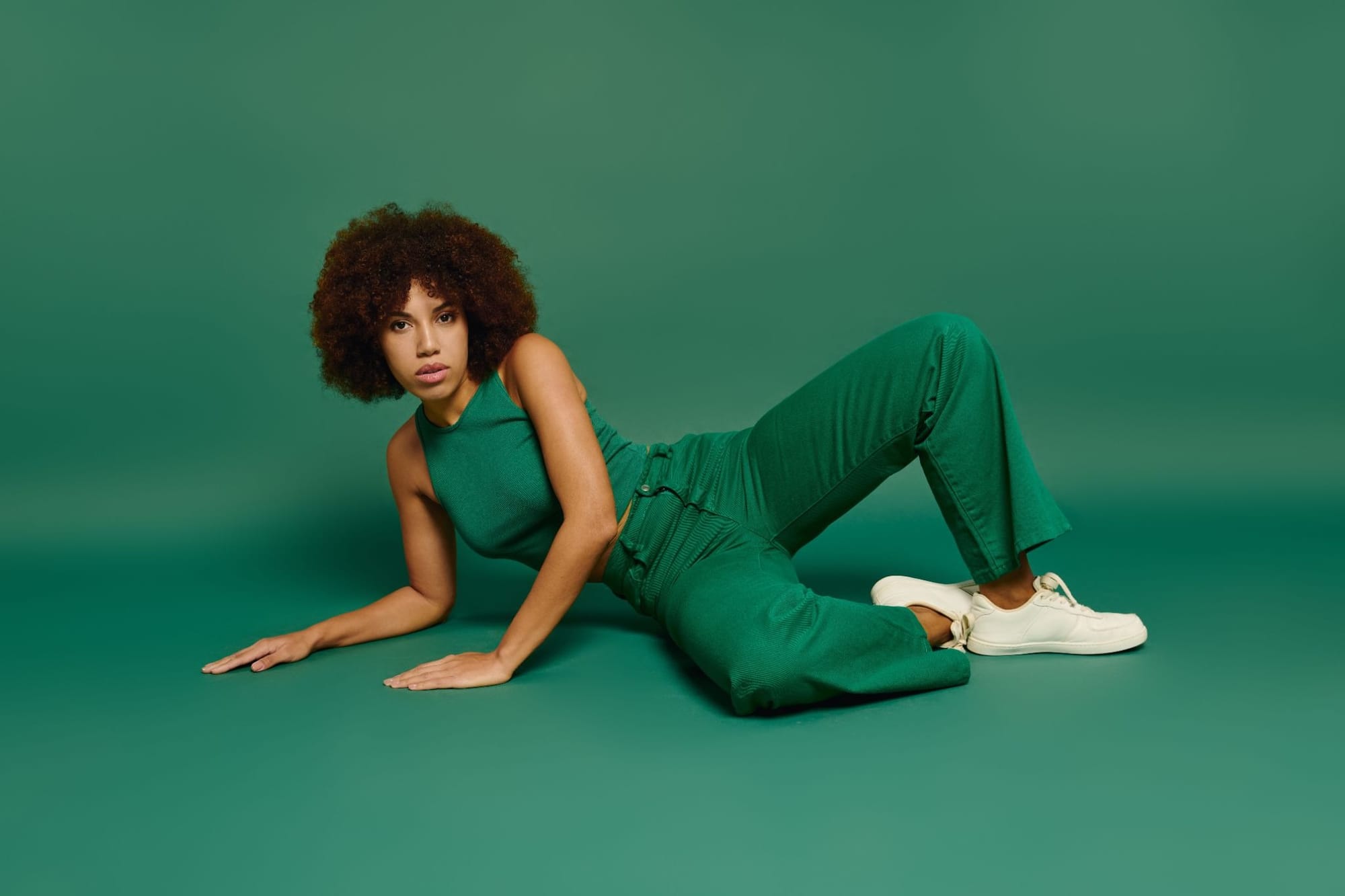
The order of the images shapes how people read you.
Lead with the clean beauty shot, natural look and minimal makeup, so the first thing they see is you.
Follow it with the full-length body shot in simple, form-fitting clothing, which shows your proportions clearly.
A swimsuit shot fits well here if that's a genre you're comfortable with, since it widens the range you're showing.
Move into the editorial and commercial shots, where your expressions get to do more work.
The smiling shot brings warmth, and a strong closing image is what stays with whoever is turning the pages.
How to update your portfolio regularly for maximum impact
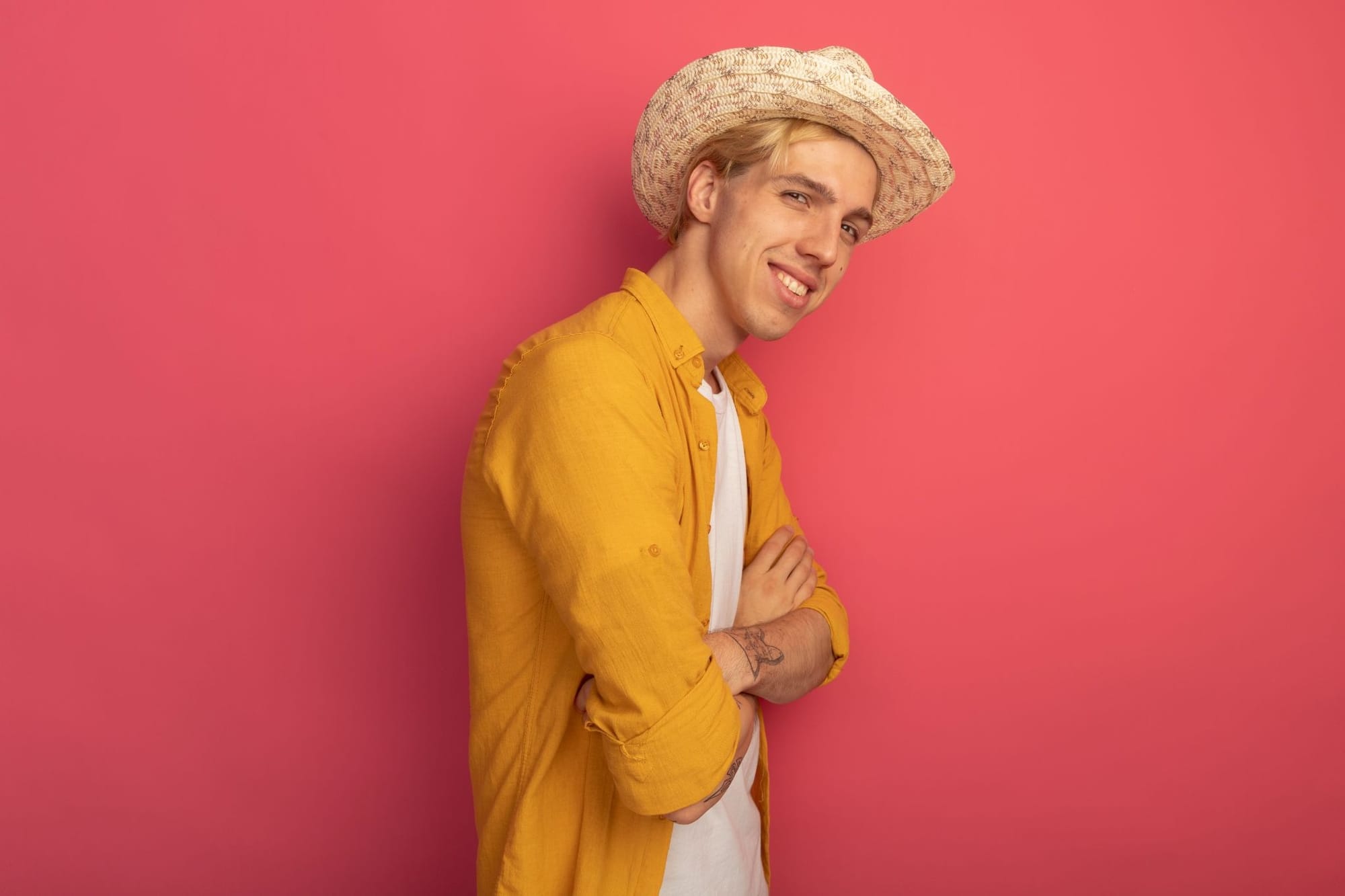
Keeping a portfolio current takes effort, and it's what keeps you competitive.
Update at least once a year, and sooner if your appearance changes noticeably.
Add new, quality images that reflect how your style has developed.
Keep the range varied: headshots, full-body images, lifestyle shots.
Digital platforms make quick updates easy, so recent work and collaborations can go up as soon as you have them.
Review the whole thing regularly and pull anything that's out of date. Old images do more damage than a smaller portfolio.
What models say about Maps Studio
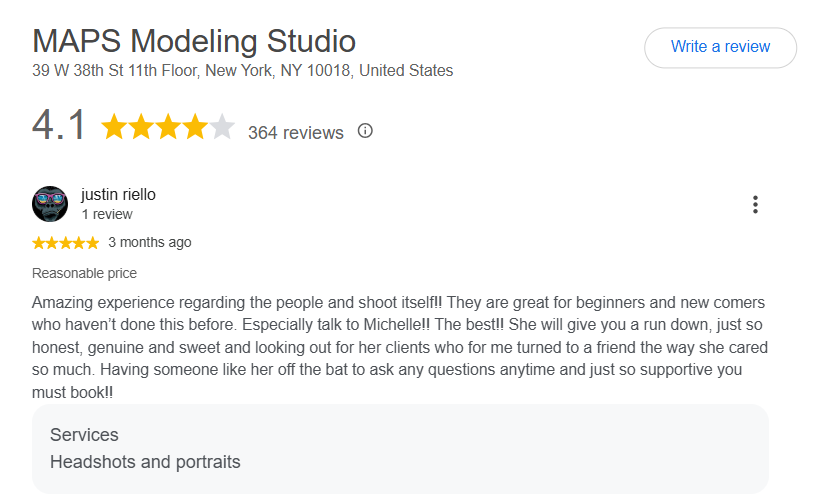
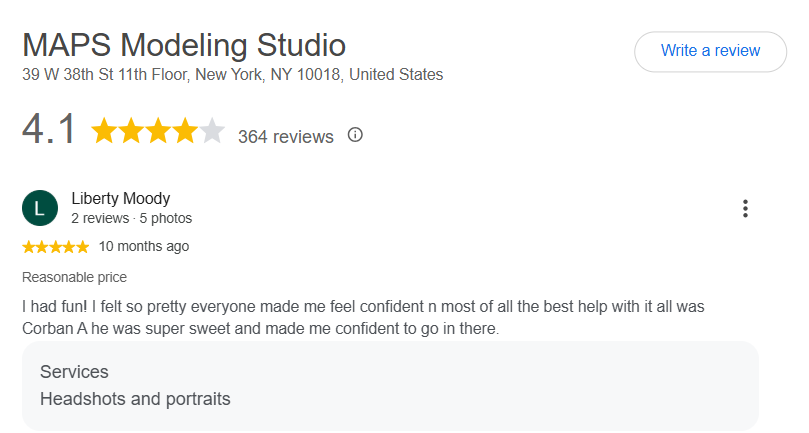
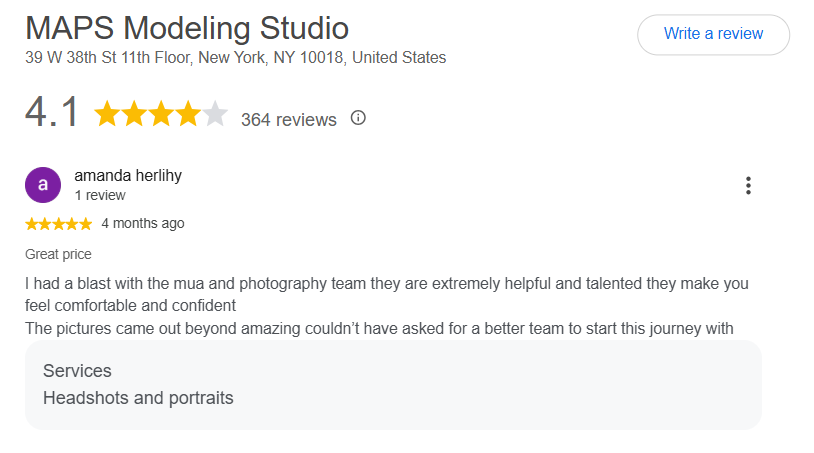
A strong portfolio leaves a lasting impression, and the studio you choose to build it with matters. Maps Studio has positive feedback from models and clients across several platforms. Below are genuine reviews describing their experiences with the studio, the photography, the professionalism, and the service overall.
Frequently asked questions
How do I determine my ideal modeling niche? Look at your physical attributes, your interests, and your personality. Trying different styles is how you find out what suits you, and that shapes what you go after later.
What should I avoid including in my portfolio? Casual snapshots, over-filtered images, and anything unprofessional. Stick to clear, quality shots that show your range and match what you're aiming for.
How important is networking in the modeling industry? Very. Connections with photographers, agents, and other models are how opportunities come your way. Relationships lead to collaborations, and collaborations get you seen.
Can I use mobile photos for my portfolio? Yes, provided they're high quality and well composed. Natural lighting and minimal editing let you look like yourself.
What are common mistakes to avoid when applying to agencies? Generic submissions, over-edited photos, and failing to research the agency. Personalize each application, show your own style, and make sure the images actually look like you.
Conclusion
A strong fashion modeling portfolio comes down to showing your style and your strengths clearly. Know your type, work with the right photographer, and choose outfits that match what you're going for. Use natural light, cover a real range of shots, and keep the book organized and current. That's what gets you in front of the opportunities worth having.
Visit Mapsstudio for more information about photography.
Note: We enjoy sharing creative inspiration, photography tips, and industry insights to help you capture life's best moments. The services, styles, and equipment mentioned in our articles are for informational purposes only and may not reflect our current offerings. For the latest on our photography services and portfolio, visit Maps studio.
Member discussion