
7 mistakes to avoid in your fashion modeling portfolio
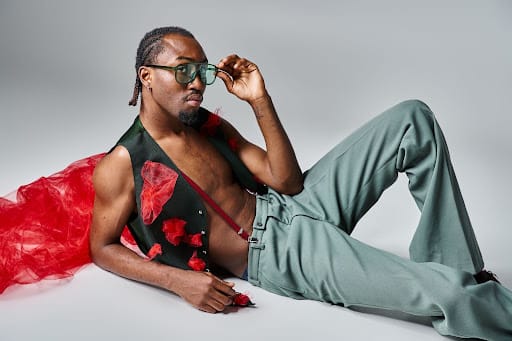
A few common mistakes can stall a modeling career before it starts. Skipping research on trends and scams is one. Filling a book with amateur photos is another, since agencies want high-quality images. There are agency scams and tangled contracts to watch for, and working in isolation cuts us off from the jobs that come through people we know. Add a clear niche instead of trying to be everything, plus fluid posing and solid styling, and the portfolio starts working for us. Here's each mistake in detail.
Neglecting industry research and awareness of scams
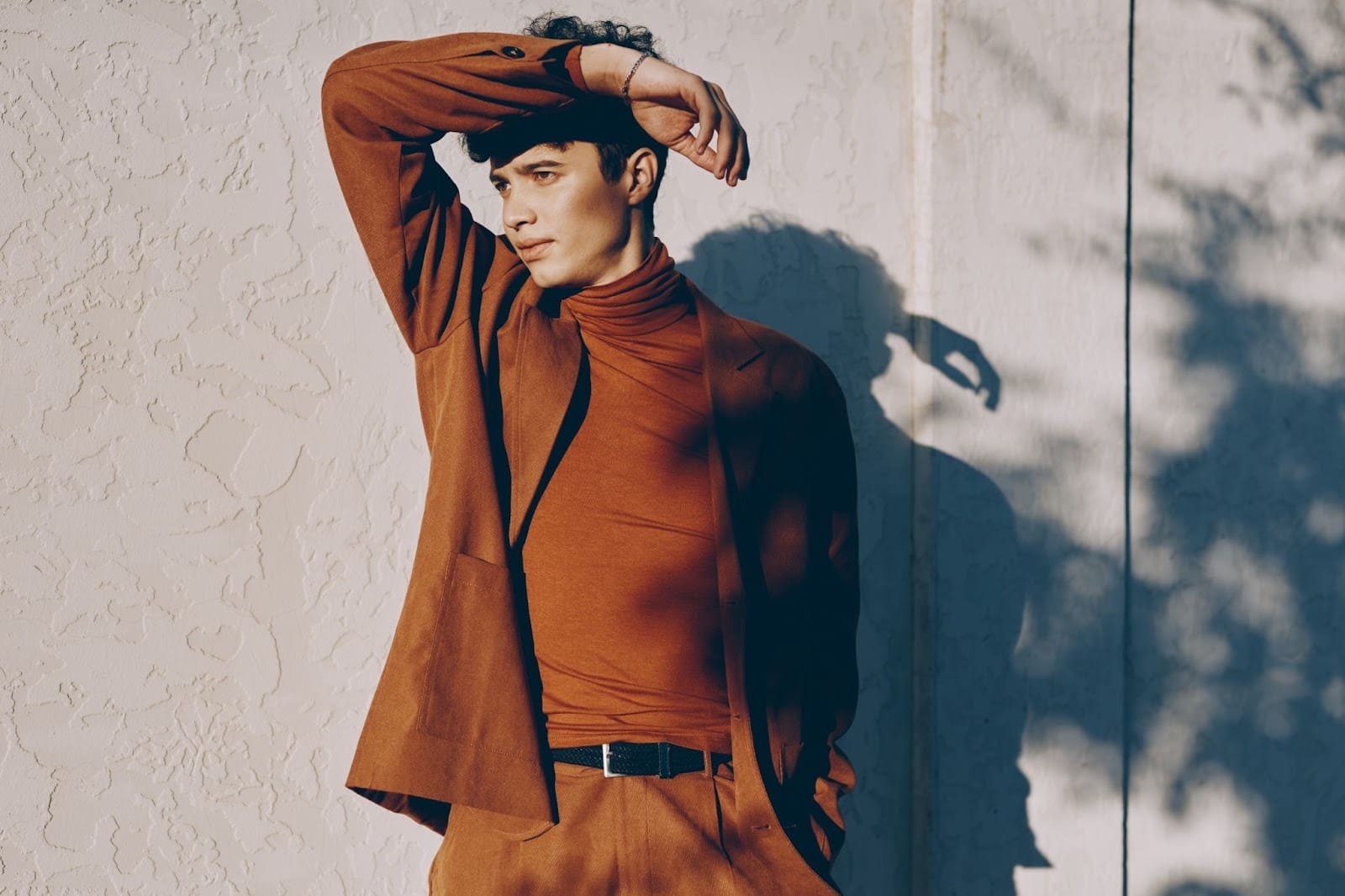
Getting deep into fashion modeling without knowing how the business works is how people get taken advantage of.
Around 70% of modeling jobs are project-based, which means we're constantly reading the market rather than settling into one steady gig. Plenty of agencies are actively looking for diverse looks right now, and knowing what's actually in demand makes a fraudulent offer easier to spot.
Check out agencies and photographers before working with them. And trust the gut feeling. If something seems off, it usually is.
Settling for amateur photos in your portfolio
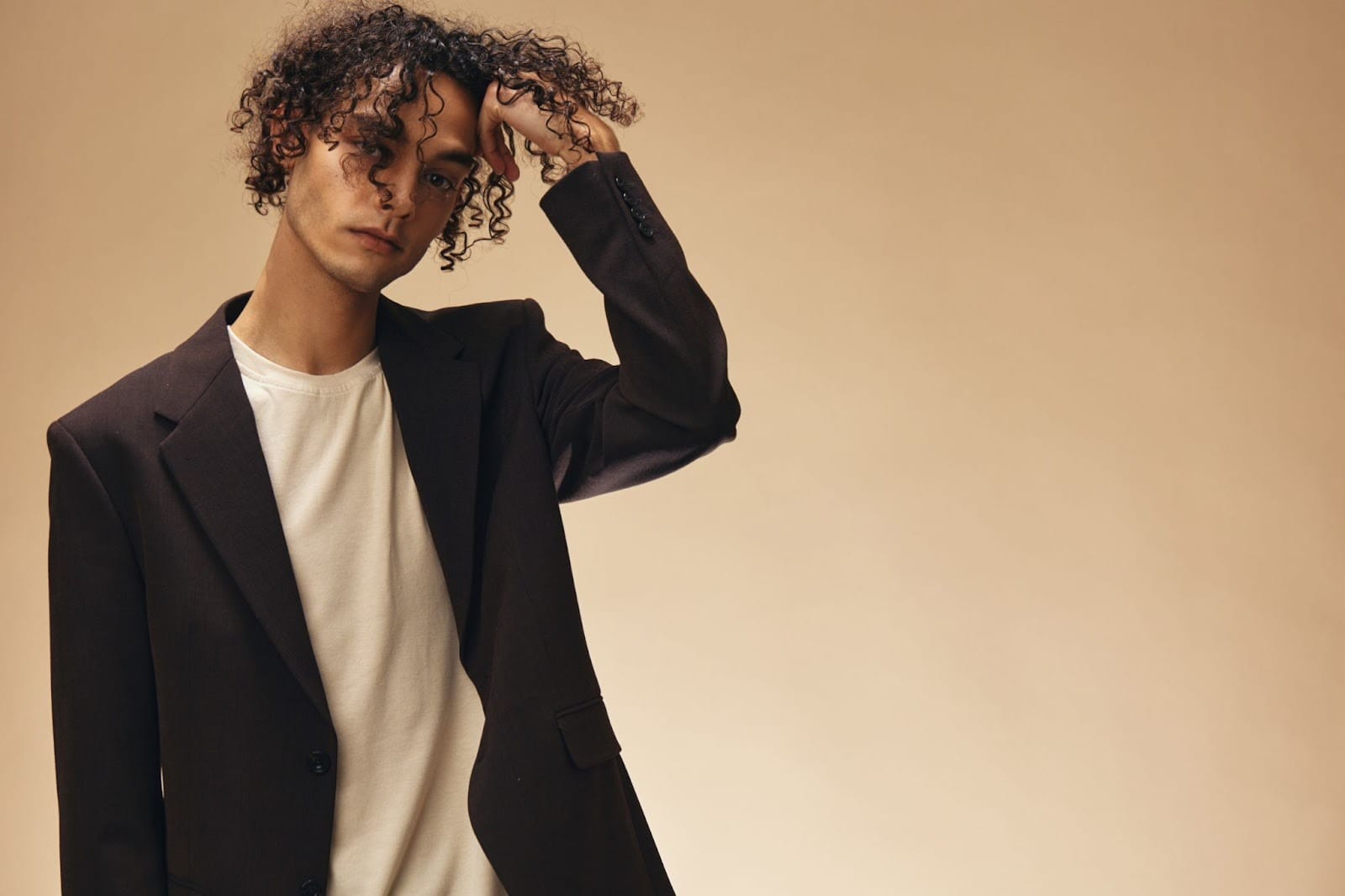
It's tempting to use whatever photos we already have, but amateur images work against us with agencies. Good photos show what we're capable of and signal that we take this seriously.
A handful of strong images beats a stack of weak ones. Working with an experienced photographer raises the quality of the whole book.
Clean digitals are a fine starting point. Swap them out for professional shots as we go. The portfolio is usually the first thing anyone sees of us, so it should show range and effort.
Falling for agency scams and predatory contracts
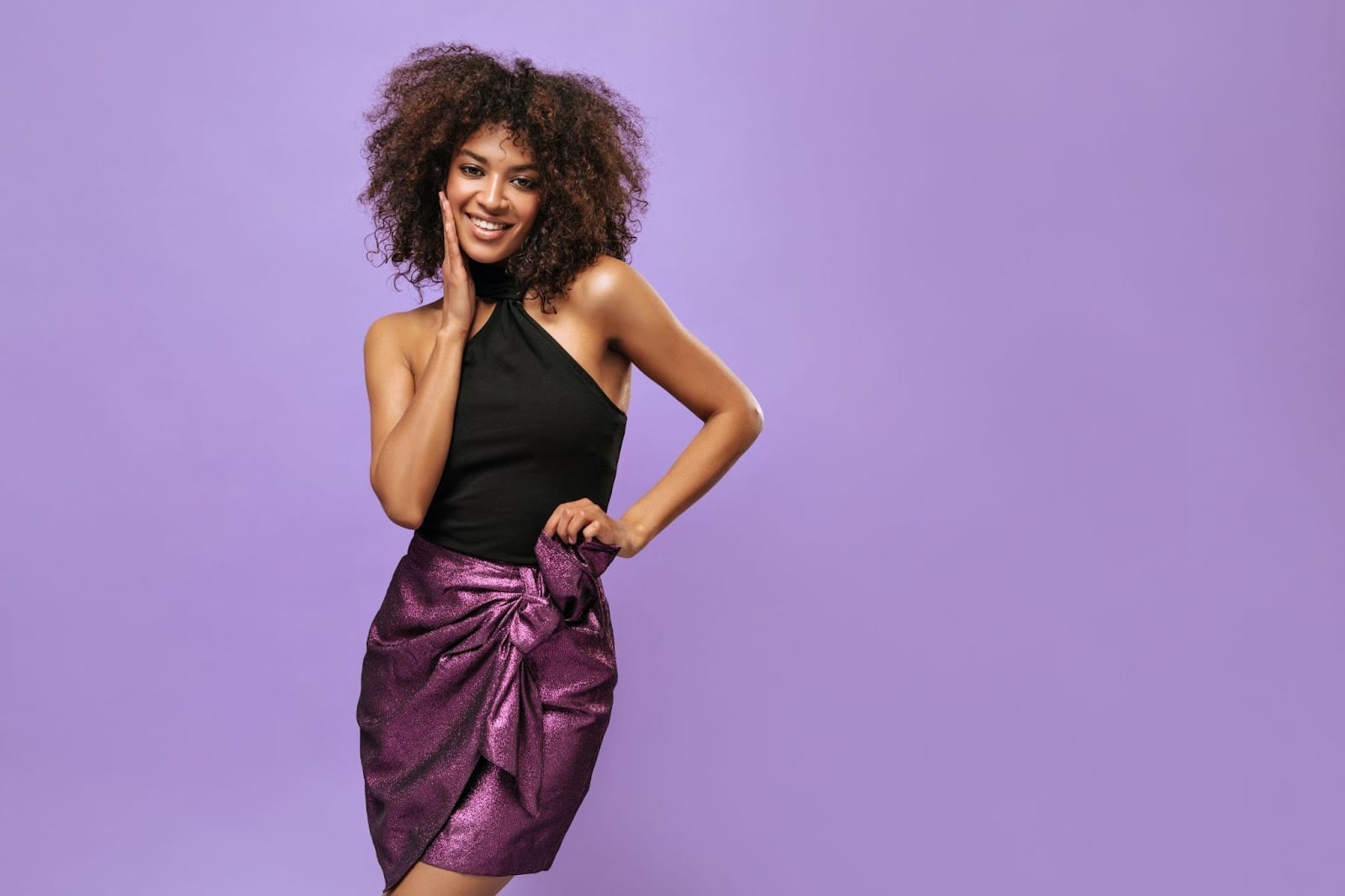
Photos are one piece of it. Knowing where the traps are is the other.
Agency scams and predatory contracts catch a lot of new models. Real agencies don't charge upfront fees or deposits, so treat any such request as a red flag. Watch for vague payment terms and contracts that never spell out commission.
Confirm the agency is registered with local labor departments before signing. If someone moves the conversation off professional channels, slow down.
For anything confusing, especially exclusivity clauses, get legal advice. That's how we protect ourselves.
Isolating yourself from industry connections
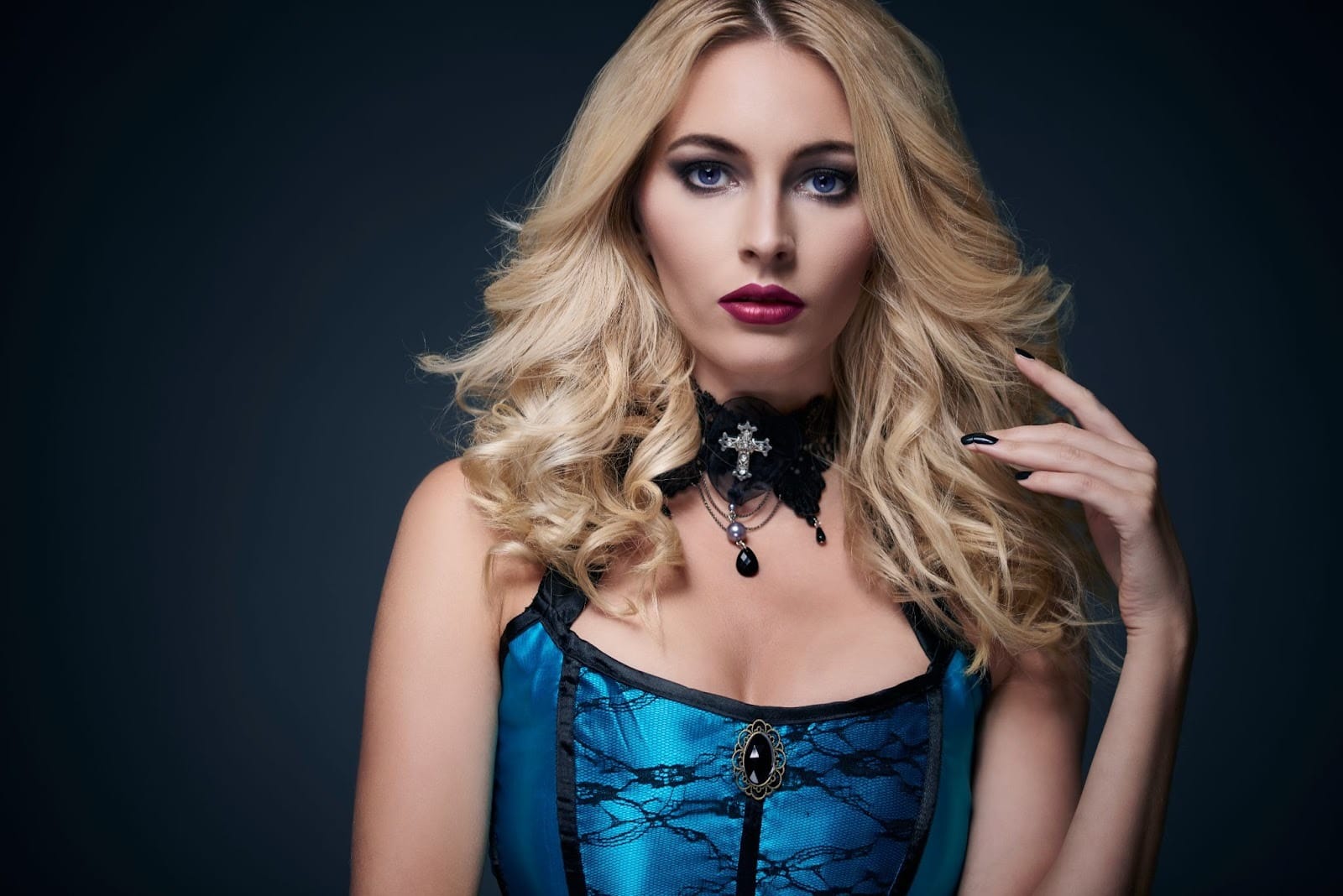
Staying to ourselves is one of the fastest ways to limit what comes our way. Skipping industry events and keeping our heads down means the relationships never get built.
Showing up to castings with an open, friendly attitude gets us remembered. Other models are worth knowing too, and often become a source of support and leads. A lot of work in this industry is filled by word of mouth, and distance costs us those jobs.
Social media works the same way. Connecting with professionals online widens who sees us.
So follow up with contacts, show up to events, and stay part of the community. Those relationships are what move a modeling career forward.
Trying to fit every modeling category instead of finding your niche
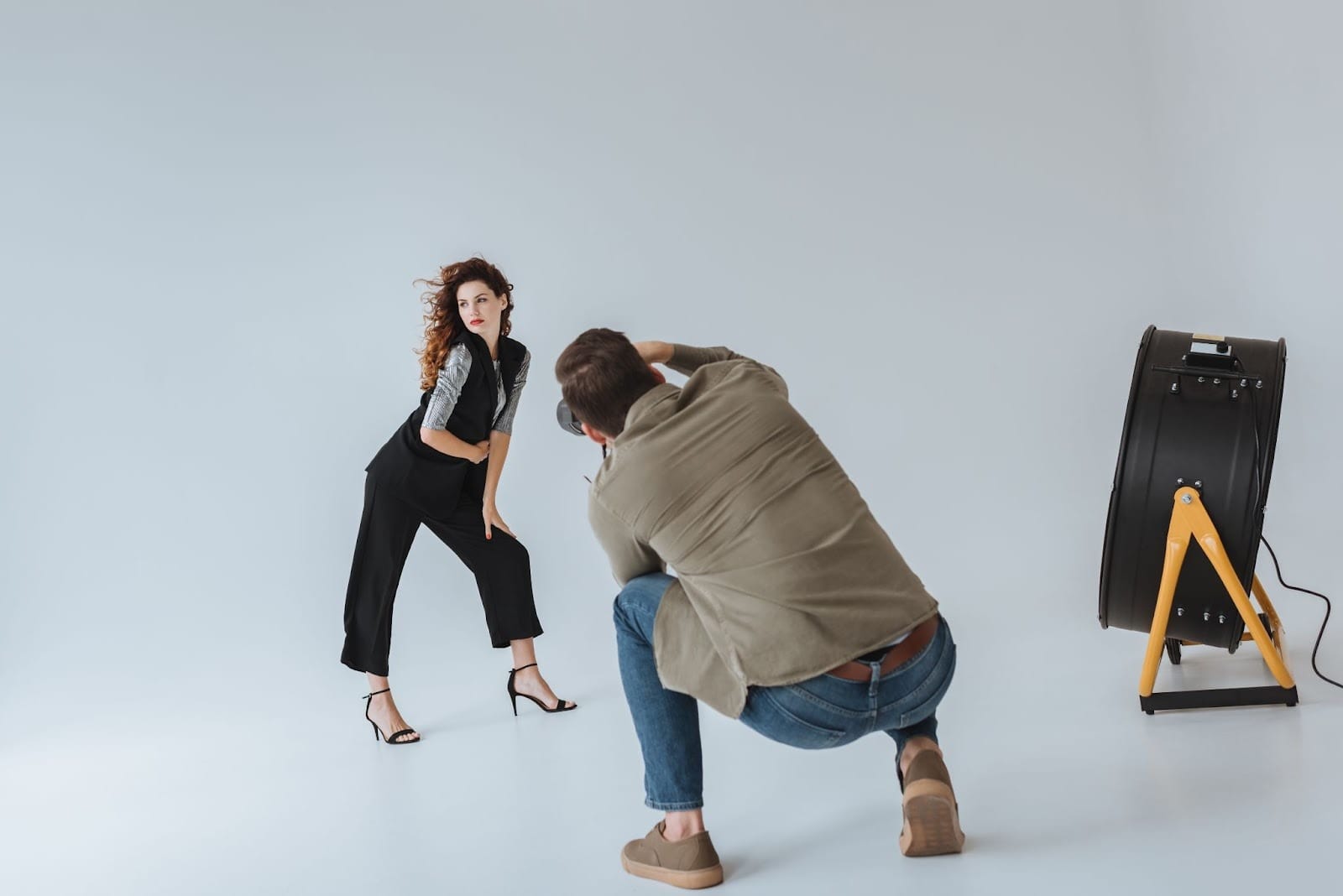
Connections matter, and so does claiming a specific space of our own.
Chasing every category dilutes what we're good at and leaves us average at all of it. Better to pick a niche, whether that's fashion, commercial, or editorial, and get genuinely good at it.
Focusing lets our features and skills come through clearly. It also builds confidence and credibility, which agencies notice.
Keep an eye on industry trends so the niche lines up with what the market wants. Leaning into what makes us different is what separates us from everyone trying to do it all.
Using stiff poses and limited expressions
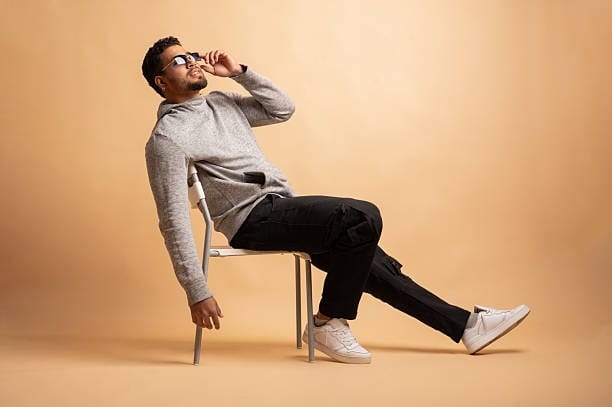
Good modeling shots come from movement and expression, not from holding still and looking serious.
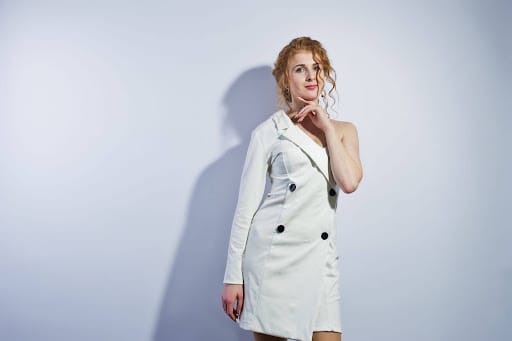
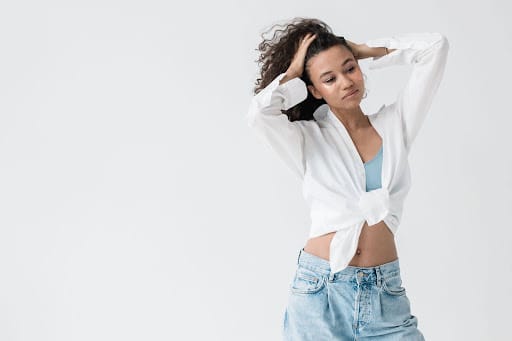
Rigid poses read as uncomfortable in the final images. Loosen the shoulders, shift the weight, and the stance immediately looks more natural. Small adjustments like a chin tilt or a change in hand placement give the photos life.
Expression does the same work. A soft smile or a confident smirk shows range that a single fixed look never will. Practicing in a mirror makes it easier to control what our face is doing when the camera comes up.
The goal is authentic, dynamic poses that actually look like us.
Ignoring the importance of professional styling and presentation

Posing is one half. Styling and presentation are the other, and quality images carry both.
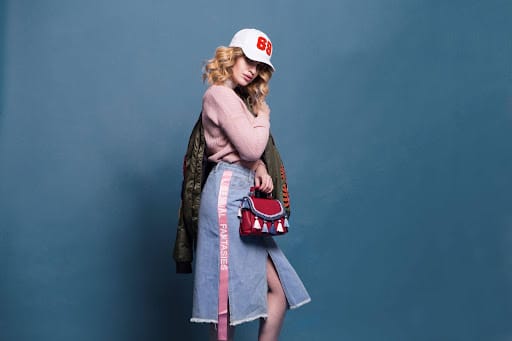
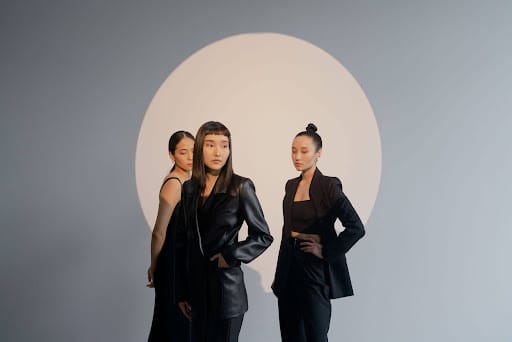
Include a strong headshot, full-body shots, and a range of outfits so the book shows adaptability. Cut the clutter and make sure the images hold together as one story.
Clean backgrounds and proper lighting get overlooked constantly, and they decide whether an image works. Avoid the opposite problem too: overly styled or heavily retouched photos look like someone else. Authenticity holds up better.
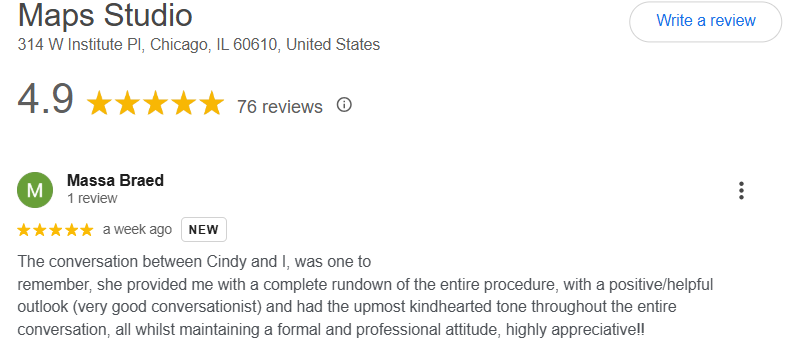
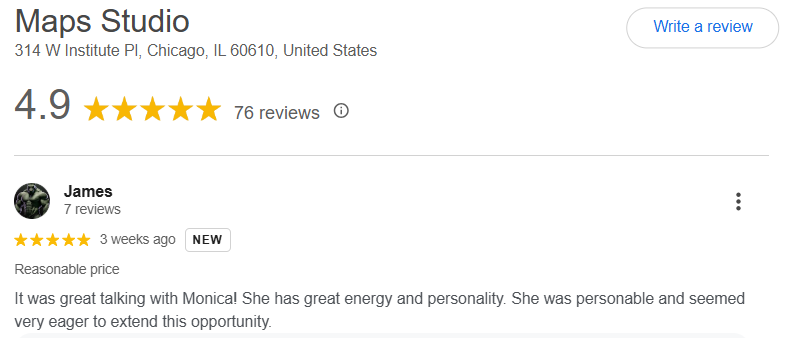
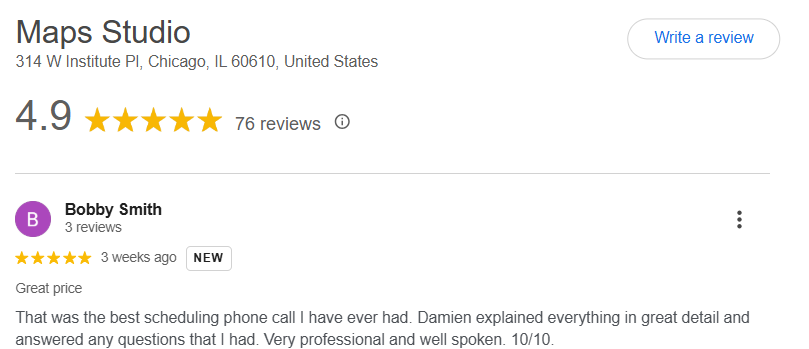
Client testimonials for Maps Studio
This last section collects reviews from people who have worked with Maps Studio on building their professional modeling network. They describe how the studio helps models connect with the right people in the industry, and there are ideas in them worth borrowing for your own networking. For further details, visit Maps Studio.
Frequently asked questions
How do I choose the right photographer for my portfolio? Look for a clear style, good communication, and real fashion experience. Go through their past work first and make sure it lines up with what you have in mind.
What types of outfits should I include in my portfolio? Enough variety to show range. Casual, formal, and edgy styles cover different looks and widen the pool of clients your book appeals to.
How often should I update my modeling portfolio? About every six months. New images reflect how you've grown and keep you competitive, and they let you show your latest styles and experience.
What is the best way to practice posing for my portfolio? Work in front of a mirror, try different angles and expressions, and ask friends or professionals for honest feedback. Regular practice builds both confidence and range.
How can I effectively showcase my personality in photos? Go for genuine expressions and stay engaged with what's happening on set. Let the things that make you distinctive come through. Mirror practice helps you figure out what feels real.
Conclusion
Avoid these mistakes and the portfolio starts doing its job. Put quality first, do the research, and build real relationships in the industry. Knowing your niche and letting your personality show is what connects you with the right opportunities. The portfolio represents what you're capable of, so make it your best work and go into this business with confidence.
Visit Mapsstudio for more information about photography.
Note: We enjoy sharing creative inspiration, photography tips, and industry insights to help you capture life's best moments. The services, styles, and equipment mentioned in our articles are for informational purposes only and may not reflect our current offerings. For the latest on our photography services and portfolio, visit Maps studio.

Member discussion