
7 key tips for building an impressive modeling portfolio

A modeling portfolio is how casting directors decide whether to call you in, so it's worth building properly. Know what the portfolio is for, then find a photographer who can deliver it. Outfits should look like you rather than like a costume. Preparation on shoot day changes the results more than people expect, and a spread of shot types is what gets attention. Present it all cleanly with quality images, keep it updated, and it stays working for you. Here are the seven tips in detail.
Understand the purpose of your portfolio
The portfolio exists to show what a child model can do. Good images carry that on their own, which is why quality matters more than volume.
Include a range of looks and poses, because casting directors and clients are usually hunting for something specific and you want to be in the running for as many of those as possible.
It should also look like the child rather than a generic young model, so build in different styles and themes to show they can adapt.
Keep it current as well. A portfolio that matches the child's age and recent experience is what gives it credibility with clients and agencies, and that's what opens doors.
Select the right photographer
Look for someone who has worked with child models before. That experience means they'll already understand what these shoots need.
Go through their portfolio and judge the style and quality for yourself. It tells you exactly what you're going to get.
Talk through your vision and expectations before the shoot so everyone agrees on the plan.
Comfort matters just as much as skill here. Pick someone who can put a child at ease, because a tense child photographs badly. Ask other parents or people in the industry for recommendations.
Settle the practical details too, usage rights and payment included, so the whole thing stays professional.
Choose outfits that reflect your style
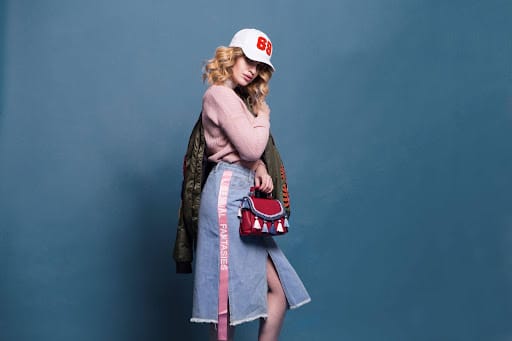
Outfits should look like you and suit the kind of modeling you're going for. That combination is what makes a book memorable.
Three things to keep in mind:
- Express yourself. Choose clothes that match your personality and feel comfortable, because comfort is what confidence in front of the camera is built on.
- Stay versatile. Include a mix, casual through formal, so the range is obvious and you're eligible for more kinds of work.
- Consult with experts. Ask your photographer or a stylist whether your picks work with the theme and lighting of the shoot.
Prepare for the photo shoot
Preparation does a lot of the work before anyone picks up a camera. Start with rest, since energy and confidence show up in the images.
Talk to the child about what the shoot is for so they know what to expect. Practicing poses and expressions in a mirror beforehand helps them look natural instead of stiff.
A healthy snack before the session keeps their energy from dropping halfway through.
Keep the mood light and positive on the day, which shows in the photos more than any technique does. Coordinate outfits and styling with the photographer in advance, keeping everything age-appropriate and well-fitting so their own features come through.
Include a variety of shot types
Range is what separates a working portfolio from a pretty one. Different shot types show different things and appeal to different clients.
Three you need:
- Headshots. These show your face and expressions, giving clients a clear read on your look.
- Full-body shots. They show your physique and how clothes sit on you, which is what commercial and runway clients are checking.
- Candid shots. These catch real personality and emotion, and they're usually the ones people remember.
Organize and present your portfolio professionally
Presentation decides how the work lands. A clean grid layout lets the images do their job without competing with the design.
Use high-quality photos and keep the selection to 10 to 20 standout shots that show your range. An "About Me" section gives clients something to connect with beyond the pictures.
Make the contact section obvious so nobody has to hunt for how to reach you. Social media links widen your audience, and a simple blog gives people a look at how you actually work.
Regularly update your portfolio
An outdated portfolio quietly costs you jobs. Refreshing it shows both where your skills are now and that you're keeping pace.
Three reasons to stay on top of it:
- Reflect current skills. New images show how you've grown, so clients see you at your current best rather than where you were two years ago.
- Stay aligned with trends. This industry moves fast, and a current portfolio keeps you in line with what's being booked.
- Attract new opportunities. Fresh work draws attention and leads to more projects and collaborations.
Make updating a habit rather than something you do when a job falls through.
Real reviews from our clients
The feedback we get from clients means a lot to us at USA Models Photography. Below you'll find reviews from platforms like Google My Business describing what it's like to work with us. They speak to the care and professionalism we put into helping models build their portfolios. Our clients say it better than we can. For more information, visit USA Models Photography.
Frequently asked questions
How many images should I include in my portfolio? Around 10 to 15 strong images. That's enough to show range without burying clients and agencies in near-identical photos. Quality beats quantity every time.
What digital format is best for my portfolio? High-resolution JPEG or PNG. Both hold their clarity and stay easy to share across platforms.
Should I include personal interests in my portfolio? Yes. They show who you are and make you easier to relate to, which helps casting directors see past the look and connect with the person.
How do I create a unique modeling style? Pull inspiration from a wide range of sources, try different outfits, and practice a variety of poses. Lean into what makes you different and let it come through in every shoot.
When should I consider changing my modeling type? When your interests change, your physical attributes change, or you simply want to try something new. Staying adaptable is how people last in this industry.
Conclusion
A strong modeling portfolio comes down to showing your talent and your range honestly. Follow these tips and you'll end up with a book that actually reflects who you are as a model. Stay authentic, keep the presentation clean, and update the work often enough to stay current. That's what makes an impression on casting directors and clients that lasts.
Note: We enjoy sharing creative inspiration, photography tips, and industry insights to help you capture life's best moments. The services, styles, and equipment mentioned in our articles are for informational purposes only and may not reflect our current offerings. For the latest on our photography services and portfolio, visit USA Models.




Member discussion