
Key elements for a winning modeling audition portfolio
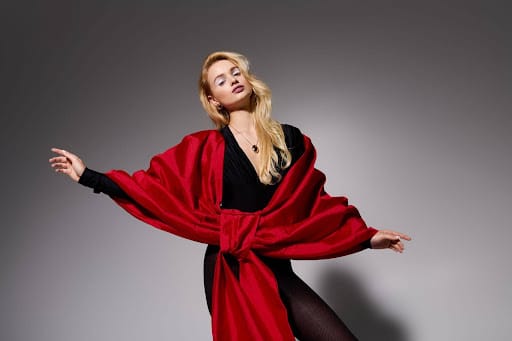
A strong audition portfolio shows range and marketability, and it does it through quality images rather than volume. Strong headshots and full-length shots come first, covering different looks and styles. Preparation means well-fitting outfits and a photographer who understands the vision you're after. Organize it sensibly, keep the clutter out, and it reads as professional. Get these right and auditions go better. Here's each piece in detail.
Understanding the purpose of a modeling portfolio
Think of the portfolio as a visual resume. It's the first thing clients and agencies see of you, and it has to show that you can work across different styles.
The core components are professional headshots that carry your personality and full-length shots that show your physique. Beyond those, include a spread of looks running from casual to formal.
Editorial and lifestyle shots round it out by proving you can handle different settings and briefs.
Curate it with care and it communicates professionalism before you've said a word, which is what gets you into the room.
Preparing for your photo shoot
Shoot day goes better when the work is done in advance. Four things to sort out:
- Wardrobe selection. Bring a variety of outfits that fit properly and look like your style.
- Grooming and hygiene. Keep up a regular skincare routine, and turn up with your hair styled and your nails neat.
- Posing practice. Spend time at the mirror working through angles, and ask someone whose eye you trust for honest feedback.
- Health and wellness. Eat well, exercise, and get proper sleep. All three show up in the photos.
Work closely with your photographer and stylists on the day so everyone is building toward the same result.
Assembling your portfolio effectively
Every image in the book should look like you and add something the others don't. Quality beats quantity here, so choose your strongest shots and make sure they cover a real range of looks and settings.
Order the photos so they flow, whether the portfolio is digital or physical. A clean layout does more for the impression of professionalism than most people realize.
Professional editing helps, as long as the images still look natural. Overworked photos are their own problem.
When every image meets a high standard, clients and casting directors see someone ready to work.
Common mistakes to avoid
Four mistakes turn up again and again:
- Overloading with images. Fewer, stronger shots always beat a thick book of average ones.
- Inconsistent quality. One weak photo drags down everything around it, so hold every image to the same standard.
- Lack of diversity. Varied looks and poses show range. A book of near-identical shots gives clients nothing to work with.
- Ignoring feedback. Criticism from people in the industry is worth more than praise from people who aren't. Use it.
Tips for auditions and presentation
How you show up matters as much as what's in the book.
Start with outfits that flatter your shape and suit the kind of modeling you're going for. Simple, form-fitting clothing in solid colors works best. Bring a few options so you can adjust once you're there.
Keep the portfolio to 10 to 20 quality photos. That's enough to show range without wearing out a casting director who has fifty more books to get through.
A signature shot, something that captures your personality, is what makes you memorable afterward.
Have the portfolio professionally printed and keep it in good condition. Individuality is what gets you noticed; being polished and prepared is what gets you booked.
Client reviews and feedback
We're always glad to hear how things went for our clients at Studio1 Photography. We've collected reviews from several platforms about the modeling audition portfolios we've worked on together. They point to the things that actually made a difference at auditions. Have a look at the screenshots below. For more information, visit Studio1 Photography.
Frequently asked questions
How often should I update my modeling portfolio? Every six months is a good rhythm. It keeps the book in step with how your style and skills have developed, and it keeps you competitive.
What type of modeling requires specific portfolio formats? Formats vary by category. Fashion tends to call for quality prints, while commercial work usually favors digital. Adapt the portfolio to what that part of the industry expects.
Can I include personal projects in my portfolio? Yes. They show creativity and a point of view that client work often doesn't. Just make sure they fit the overall theme of the book.
How do I choose the right modeling niche for me? Look honestly at your features and your interests. Try different styles, research what the industry is actually asking for, and be truthful with yourself about your strengths.
What should I include in my portfolio's bio section? Your distinctive qualities, your modeling experience, and a few personal interests. Keep it short and readable, and let your personality come through.
Conclusion
A strong modeling audition portfolio comes down to showing your strengths and your range clearly. Know what the portfolio is for, prepare properly for the shoots, and assemble the images with care. Avoid the common pitfalls, walk into auditions with confidence, and the attention to detail will show. That's what gets you noticed in this industry.
Visit Studio 1 Photography for more information.
Note: We enjoy sharing creative inspiration, photography tips, and industry insights to help you capture life's best moments. The services, styles, and equipment mentioned in our articles are for informational purposes only and may not reflect our current offerings. For the latest on our photography services and portfolio, visit Studio-1.us.

Member discussion