
7 Essential Tips for Stunning Fashion Modeling Photography
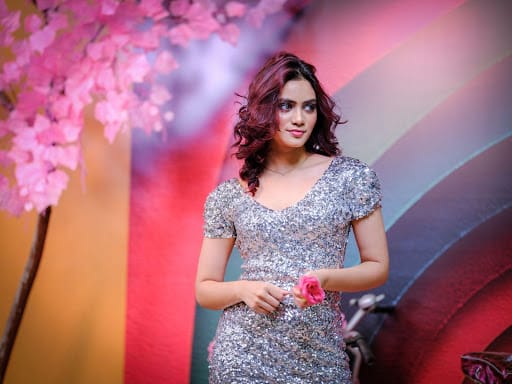
A fashion photograph has to make the clothes worth looking at while giving the model room to bring them to life. That balance starts before anyone picks up a camera. Thoughtful outfit styling, a shared visual idea and clear direction can turn a rushed shoot into a consistent set of images. You do not need an elaborate location to begin. You need to know what the photograph should show and how each choice supports it. These seven tips help you prepare, work confidently on set and notice the details that deserve another frame.
Build a Clear Visual Brief
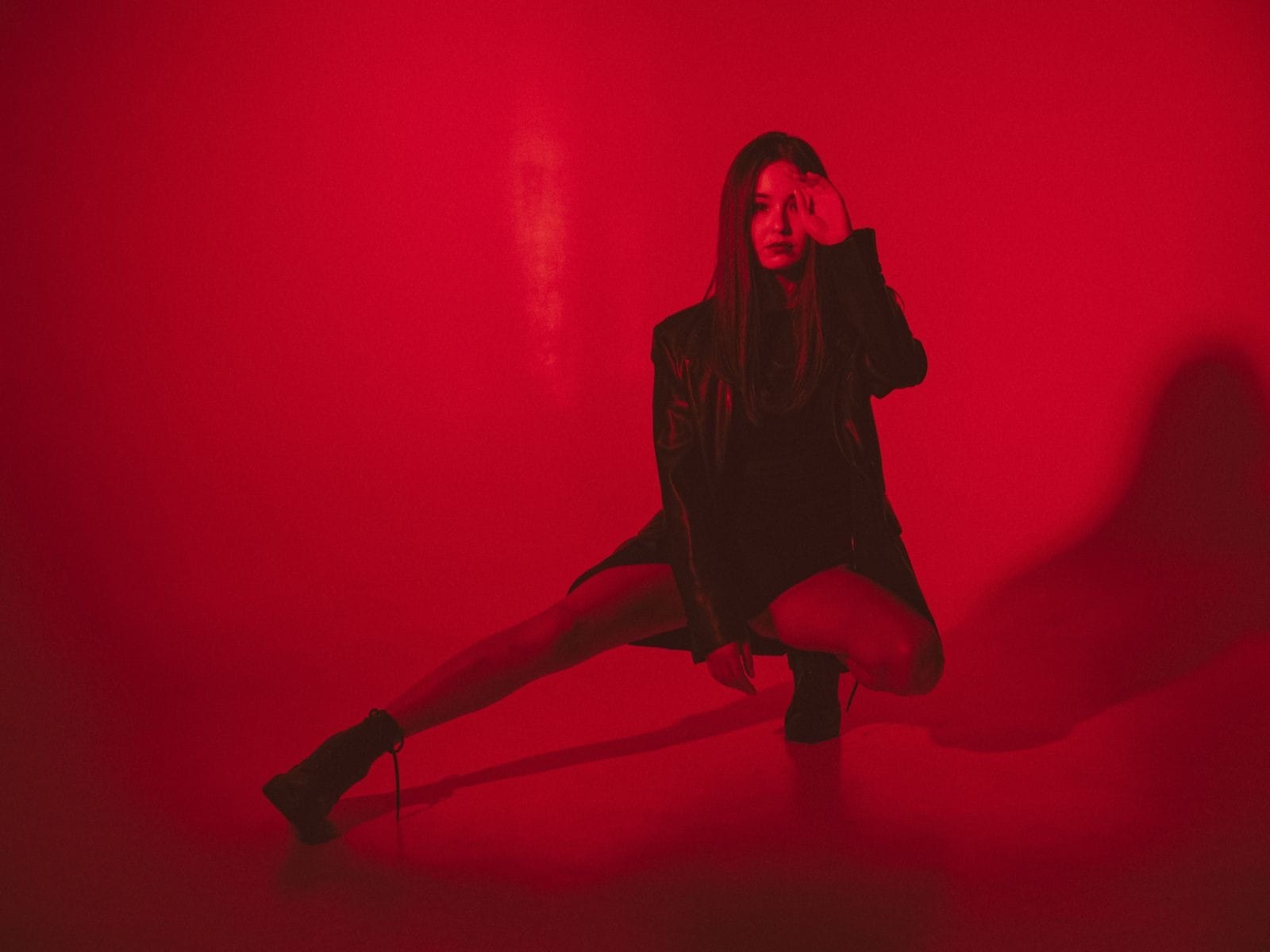
Choose a direction before collecting outfits or arranging a background. Decide what the photographs should feel like and which clothing details matter most. A small mood board can bring together references for the light, styling and expressions without leaving everyone to interpret a vague description.
Share that board with the model and anyone handling hair or makeup. Talk through what you like in each reference. You may want its relaxed pose but a different setting, or its color palette without copying the entire photograph.
Keep the brief close during the shoot. It gives you something concrete to return to when an appealing new idea starts taking the session away from its purpose. Leave space for suggestions, but make sure the final pictures still belong together.
Style the Clothes With the Photograph in Mind
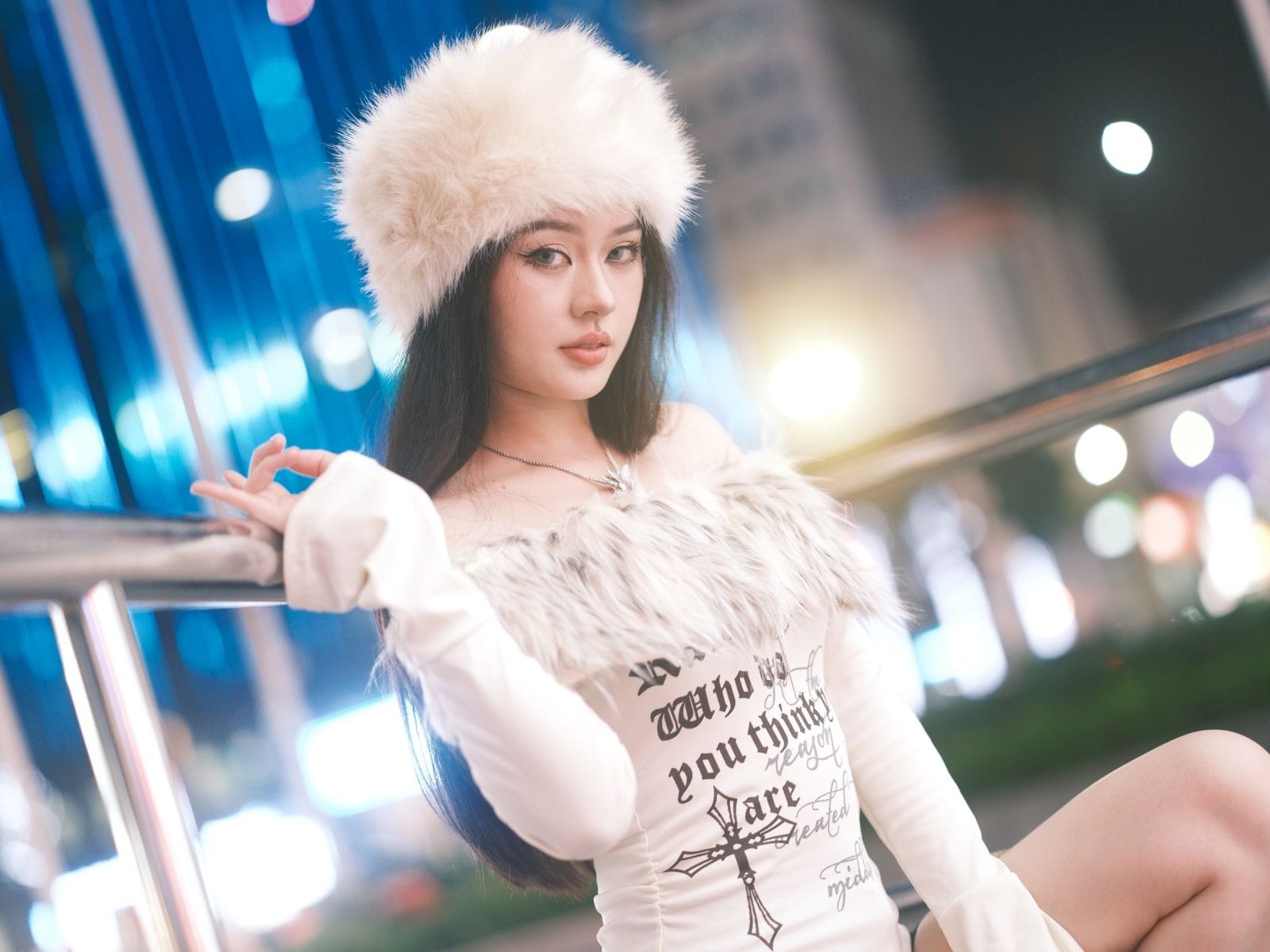
Look at the outfit as a whole before adding accessories. Color and texture should help the viewer understand the look. A simple combination often gives you more room to notice the fabric and the model's expression than several competing statement pieces.
The 3-3-3 approach offers one starting point: work with three colors, three textures and three accessories. Treat it as a styling prompt, not a requirement for every frame. Remove anything that distracts from the garment you want to feature.
Check the clothes again through the camera. A jacket can hide a waist detail, and an accessory that looks subtle in person can dominate a closer shot. Adjust the styling for what the photograph actually shows, rather than relying on how the outfit looked on a hanger.
Keep the Garment Visible Through the Pose
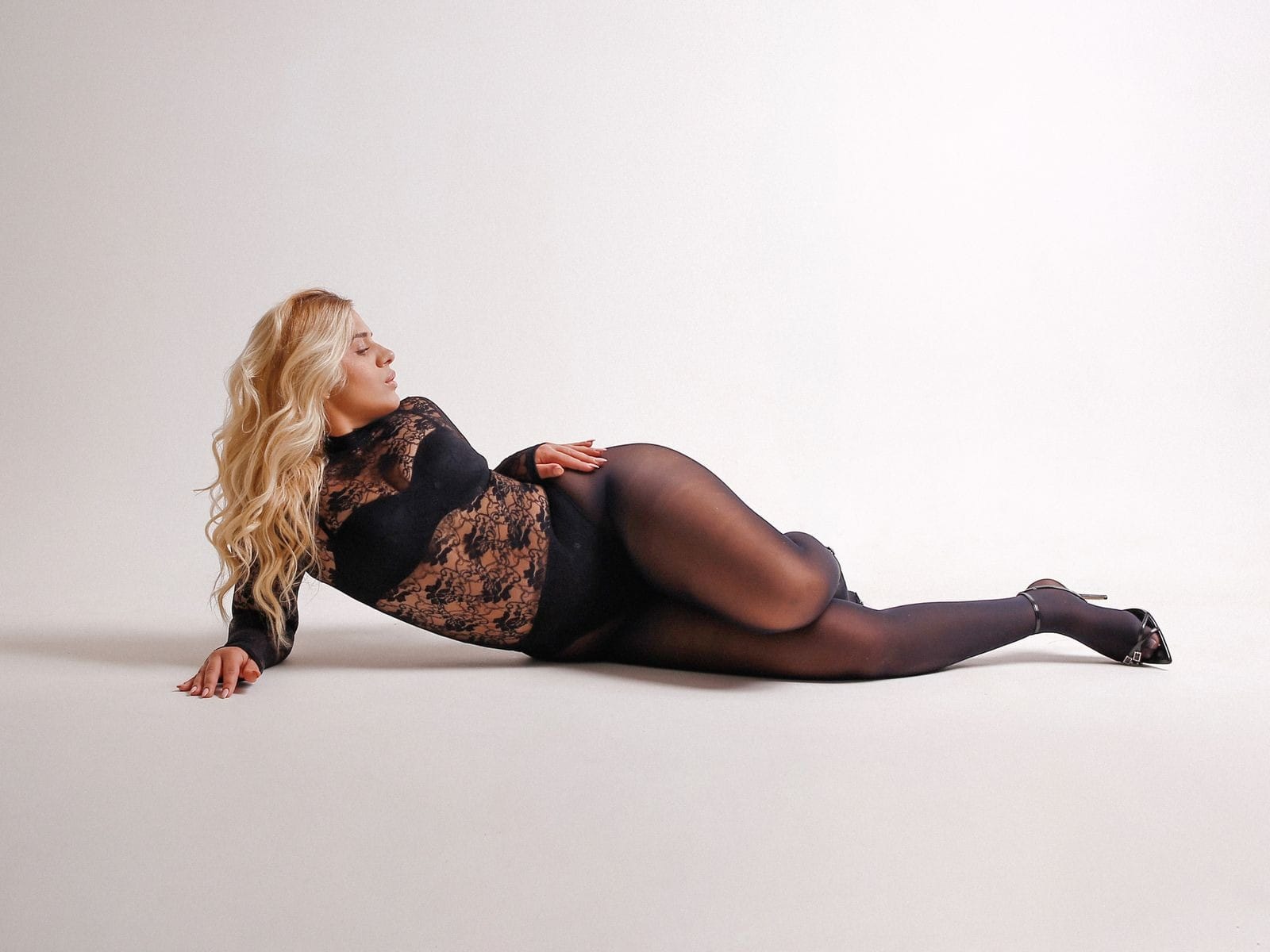
The clothing has to read clearly, so choose poses that reveal its shape and the details that matter. Before approving a frame, check whether an arm hides the neckline or a seated position changes the silhouette you meant to show.
Encourage the model to make small changes between photographs. A different shoulder angle or a slight shift in weight can give the clothes another shape without requiring a completely new pose. Practice helps a model understand how those changes look from the camera's position.
Match the expression to the brief as well. A playful outfit and an intentionally serious expression can work together, but the choice should feel deliberate. Give a clear description of the mood instead of asking the model to guess what you mean by a better pose.
Learn What One Light Can Do
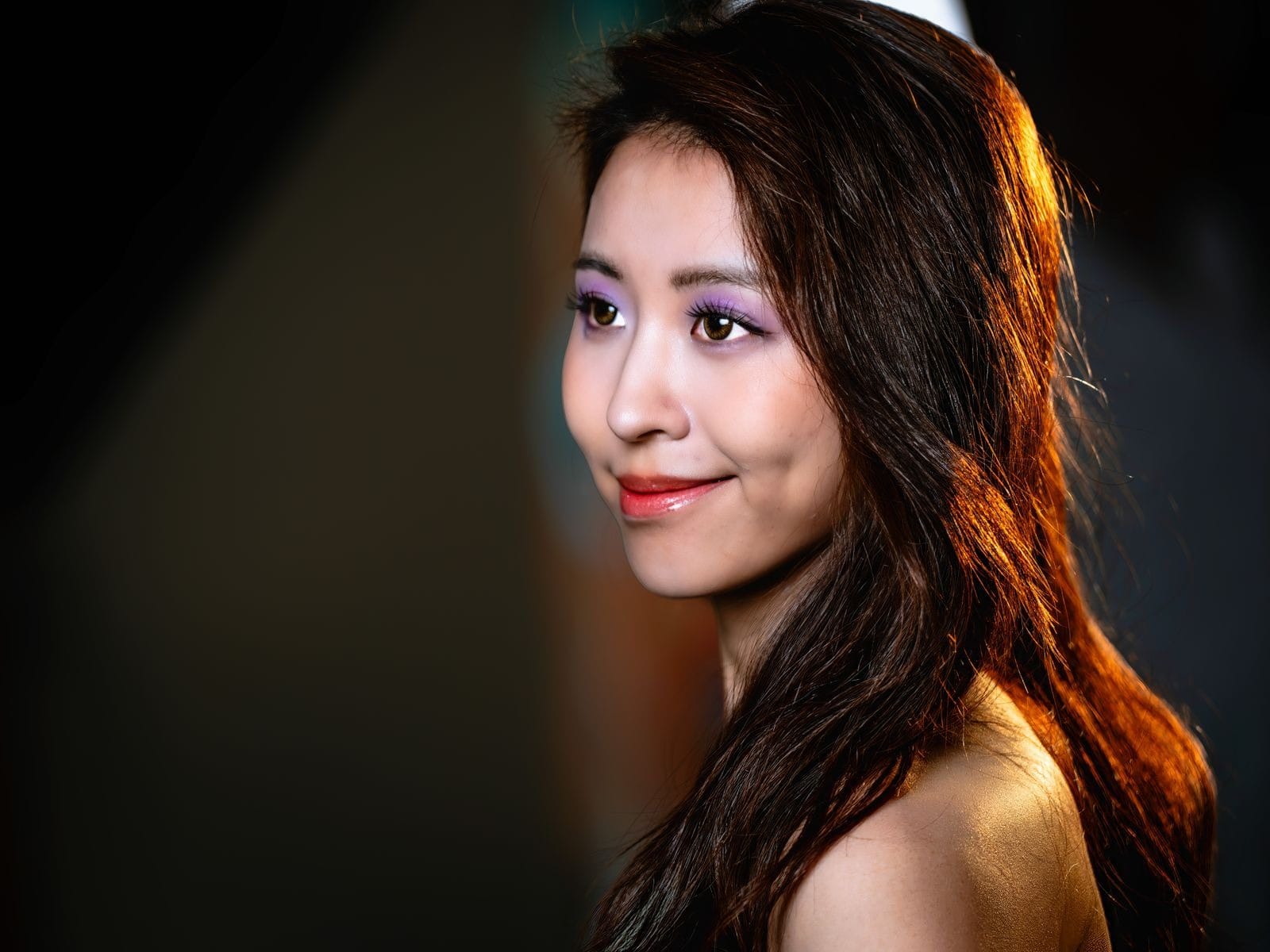
Start with a lighting arrangement you can understand and control. Watch how the light falls across the model's face and the clothes. Move it or change the model's position, then compare the result before adding more equipment.
Pay attention to shadows as closely as highlights. An unintended shadow can hide the detail you spent time styling. Texture matters too: the same light can make a smooth fabric shine while leaving another material looking flat.
Natural light and studio lighting can both support fashion work. When using daylight indoors, allow for changes as the sun moves. Whatever the setup, take time to look across the whole frame so a pleasing face does not distract you from a poorly lit garment.
Choose a Background That Supports the Look
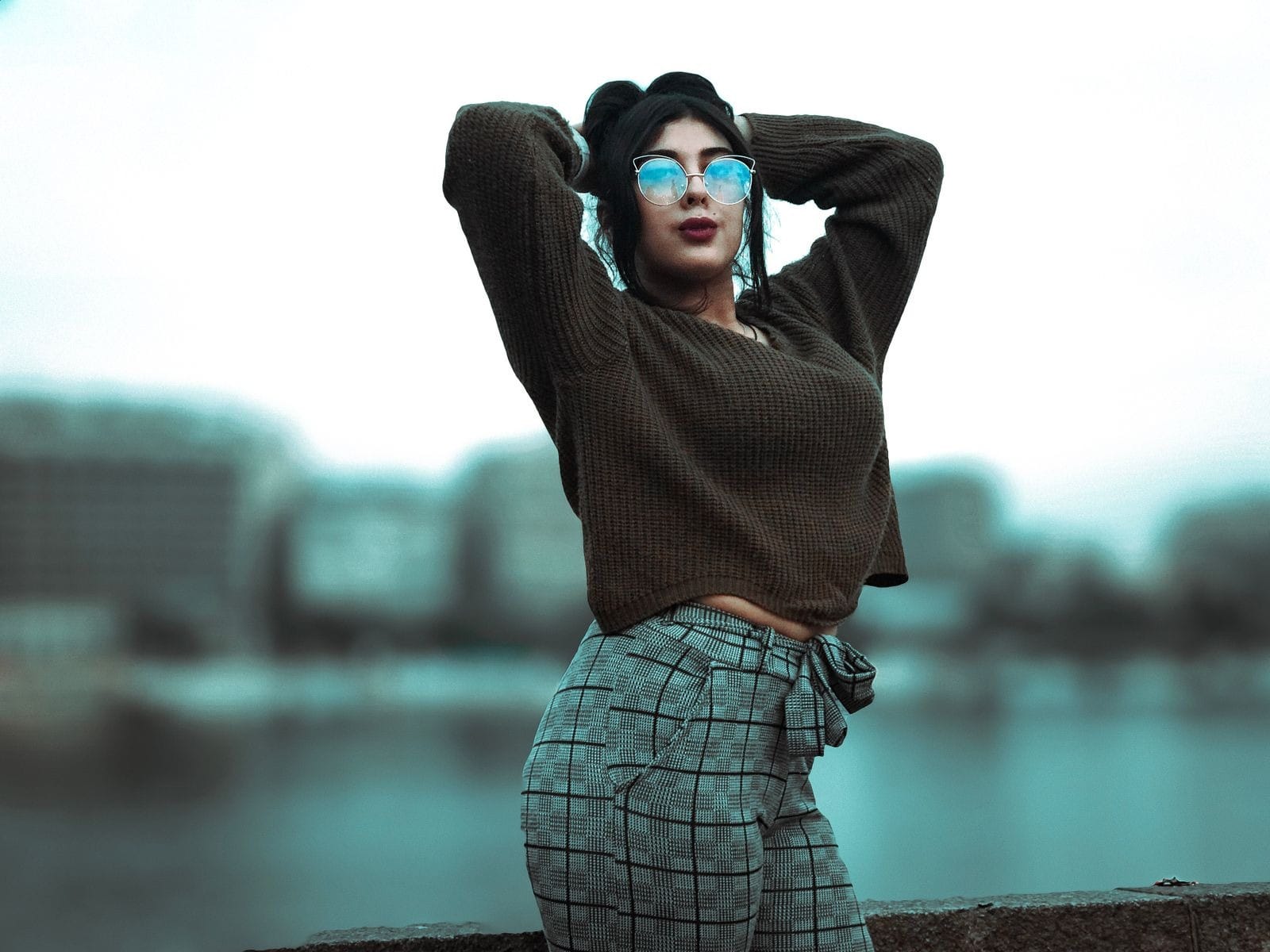
A location should belong to the visual idea. Visit it beforehand when possible, and look at the space from the positions where you might photograph the model. A setting that seems attractive on its own may compete with the clothes once you put both in the frame.
You can keep a first setup simple. An uncluttered wall or a carefully chosen indoor backdrop lets you concentrate on the model, styling and light. More elaborate surroundings become worthwhile when they contribute something specific to the story.
Consider comfort and permission as part of the choice. Make sure everyone can work there safely and that you are allowed to photograph in the space. A workable location gives the team room to concentrate instead of constantly solving avoidable problems.
Direct Clearly and Change Your Viewpoint
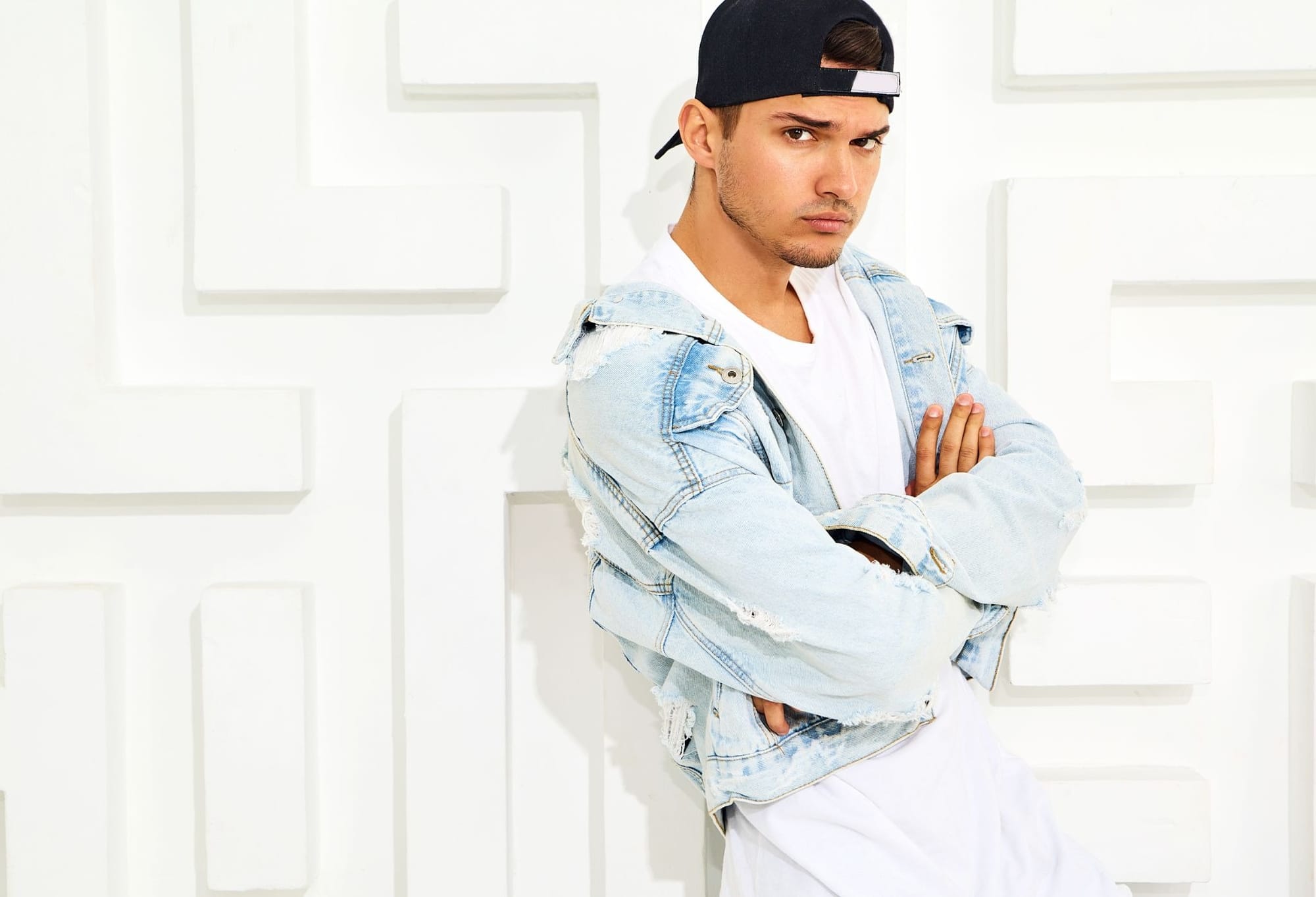
A productive shoot needs conversation. Explain what is working and give the model a specific adjustment to try. Clear direction helps an inexperienced model relax, while an experienced model may suggest movements that suit the brief better than your first idea.
Move the camera as well as the model. Try a different height or angle and compare how it changes the proportions and the background. Keep checking the clothes, because an interesting perspective can also distort the feature you wanted to emphasize.
Stay open to an unexpected result without abandoning the plan. If a movement creates a frame worth keeping, explore it. If it does not, explain the next direction calmly. The aim is a working exchange in which the model understands what you are trying to make.
Review the Whole Frame and Learn From the Shoot
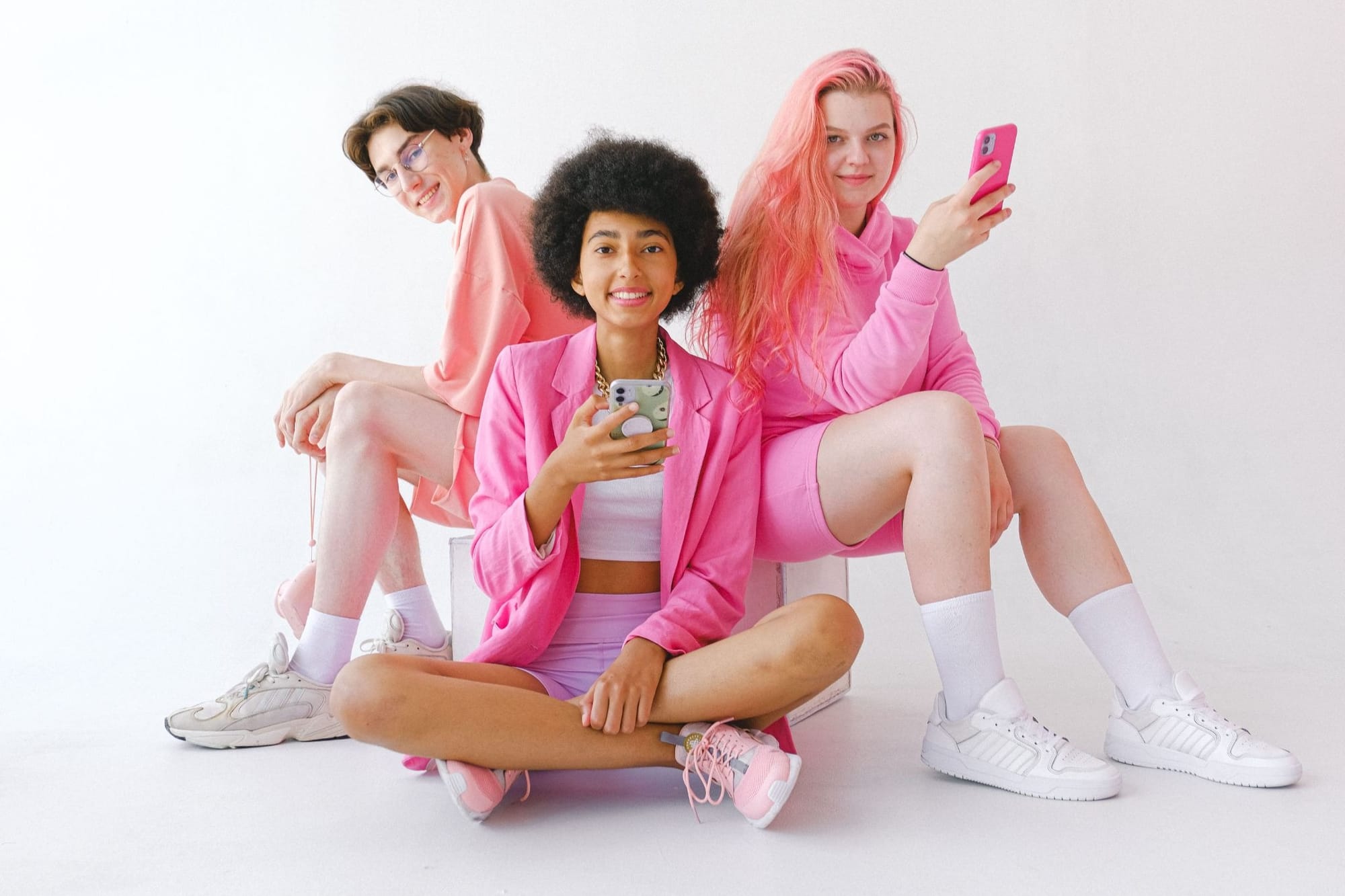
Review more than the expression when choosing photographs. Look at the styling, framing and shadows together. A technically sound picture can still miss the purpose of the shoot if the garment disappears or the background attracts all the attention.
Compare images across the session rather than choosing several near-identical favorites. Notice which movements and viewpoints helped the look. When the pictures need to form a series, check that the strongest selections also share the intended mood.
Keep a short record of what you would repeat and what you would change. Write down a lighting problem, a direction that worked or a preparation step you missed. Those observations give your next shoot a practical starting point and help you develop judgment through experience.
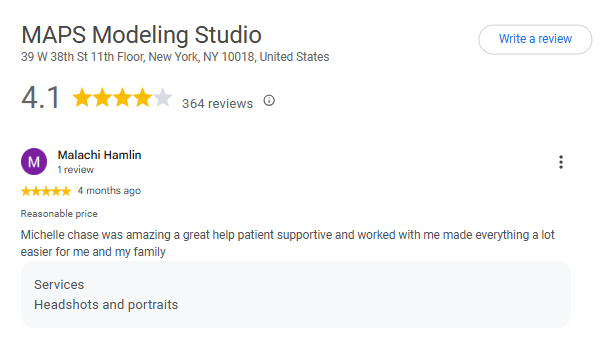
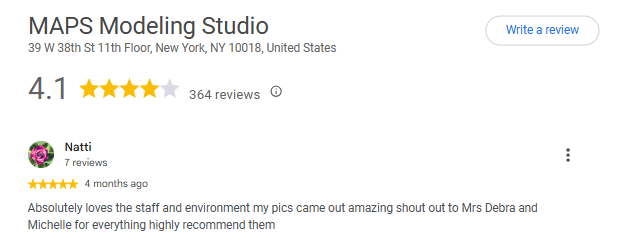
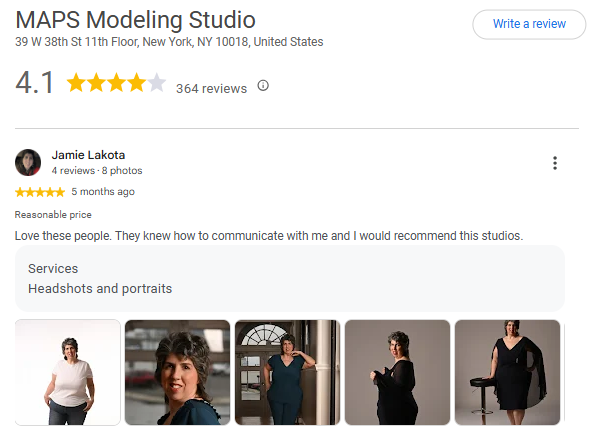
What Our Clients Say About Map Studio
We want every client to feel comfortable sharing ideas and stepping in front of the camera. Here are three reviews of our clients' experiences with Map Studio, in their own words.
Frequently Asked Questions
Do I Need a Large Team for Fashion Photography? You can begin with a model, a clear concept, suitable clothing and a manageable lighting setup. Add collaborators when their skills serve the shoot rather than making the setup complicated from the start.
Should a Model Practice Poses Before the Shoot? Yes. Practicing in a mirror can help a model notice posture and expression. On set, stay flexible so the movement fits the actual clothes, framing and direction.
Can Simple Styling Work for Fashion Images? Yes. A clear outfit can make fabric and shape easier to see. Use accessories intentionally, and judge the finished combination through the camera.
Final Takeaway
Better fashion photographs come from decisions you can explain. Know the visual idea, show the clothes clearly and give the model direction they can act on. Begin with a setup you can control, then experiment with movement and viewpoint while checking what changes in the frame. Thoughtful outfit styling helps connect the preparation to the final picture, but it still needs the right light and a model who understands the mood. Afterward, compare the images honestly and keep notes on the choices that worked. That habit makes the next session more focused and gives you a clearer sense of your own photographic style.
Visit Mapsstudio for more information about photography.
Note: We enjoy sharing creative inspiration, photography tips, and industry insights to help you capture life's best moments. The services, styles, and equipment mentioned in our articles are for informational purposes only and may not reflect our current offerings. For the latest on our photography services and portfolio, visit Maps studio.
Member discussion