
5 Essential Tips for Success in New York Modeling
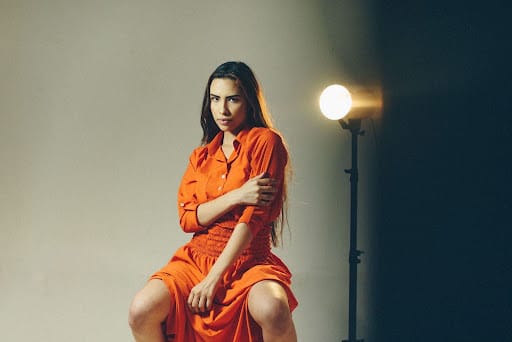
Getting started in New York modeling means making clear choices about your photographs, the work you want and how you prepare. A striking image can introduce you, but it cannot do all the work. These five tips focus on the habits you can practice: presenting your current look, understanding a brief and arriving ready to take direction. Start by reviewing the photographs you already have and checking the instructions for your next casting. Small, specific changes give you something concrete to practice before a shoot.
Build a Portfolio That Makes Your Look Easy to Understand
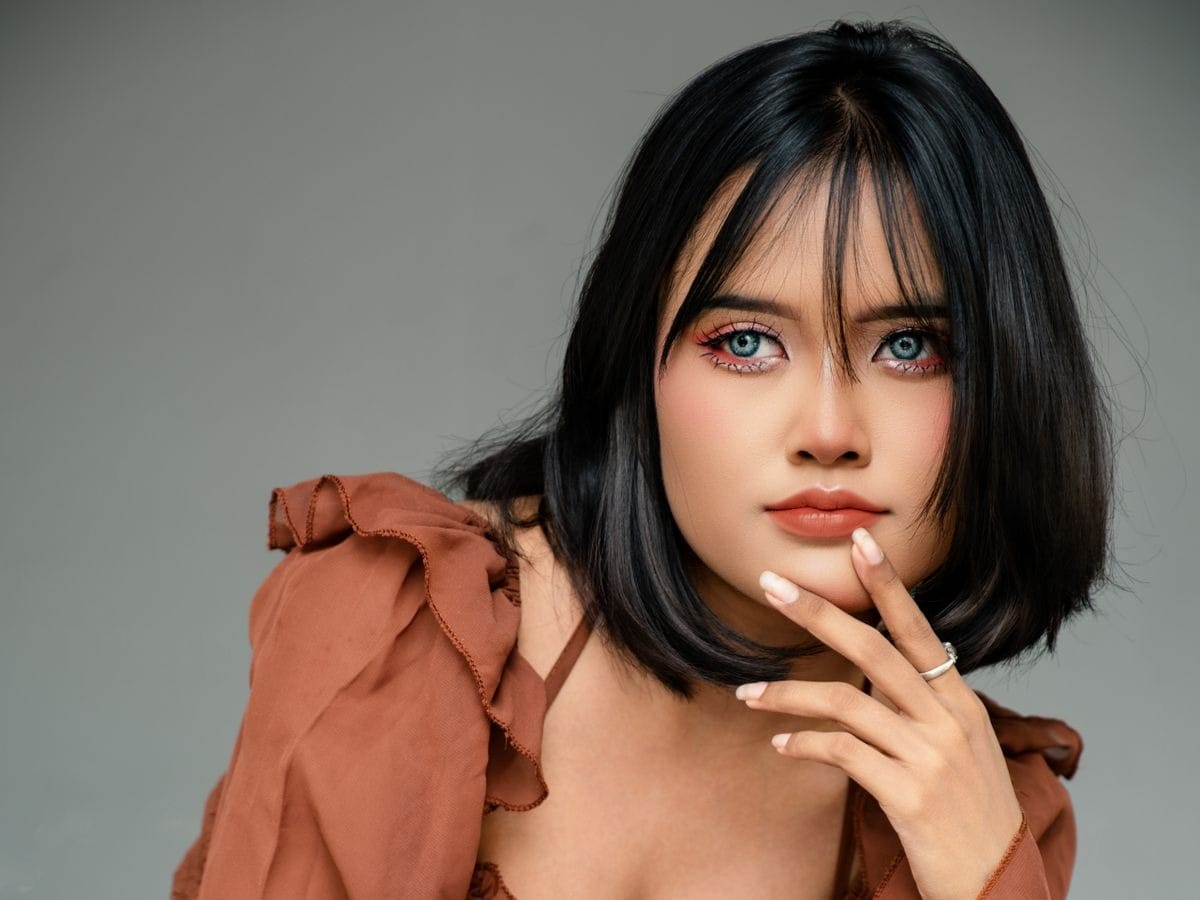
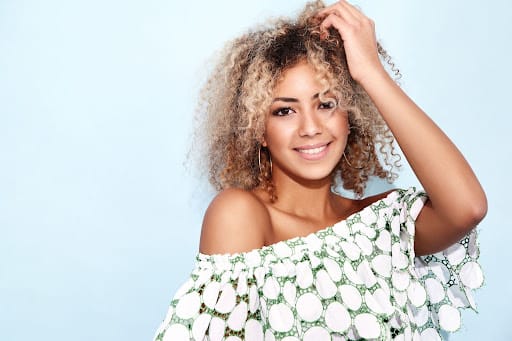
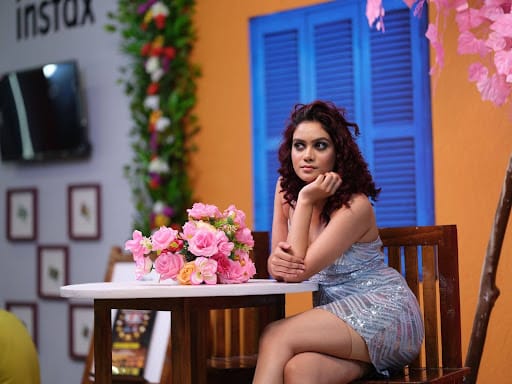
Start with a headshot that lets someone see your face clearly. Soft light, a simple background and well-fitting clothing keep attention where it belongs. A photograph does not need dramatic styling to work. Your expression, posture and the way the light falls across your face should carry it.
Then consider what the rest of the portfolio adds. A close portrait, a full-length photograph and a different expression can answer different questions about your appearance and range. Several nearly identical frames usually say less than a smaller selection with a clear purpose. Look at the collection together, rather than choosing each photograph in isolation.
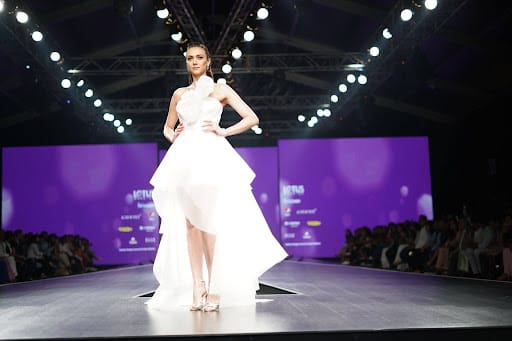
Keep the work you want in mind while editing. Commercial, fashion and runway opportunities do not all call for the same presentation. Choose photographs that support your direction without suggesting a look you cannot reproduce. One good test is whether someone meeting you after seeing the portfolio would recognize the person in those images.
Read the Casting Brief Before Planning Your Appearance
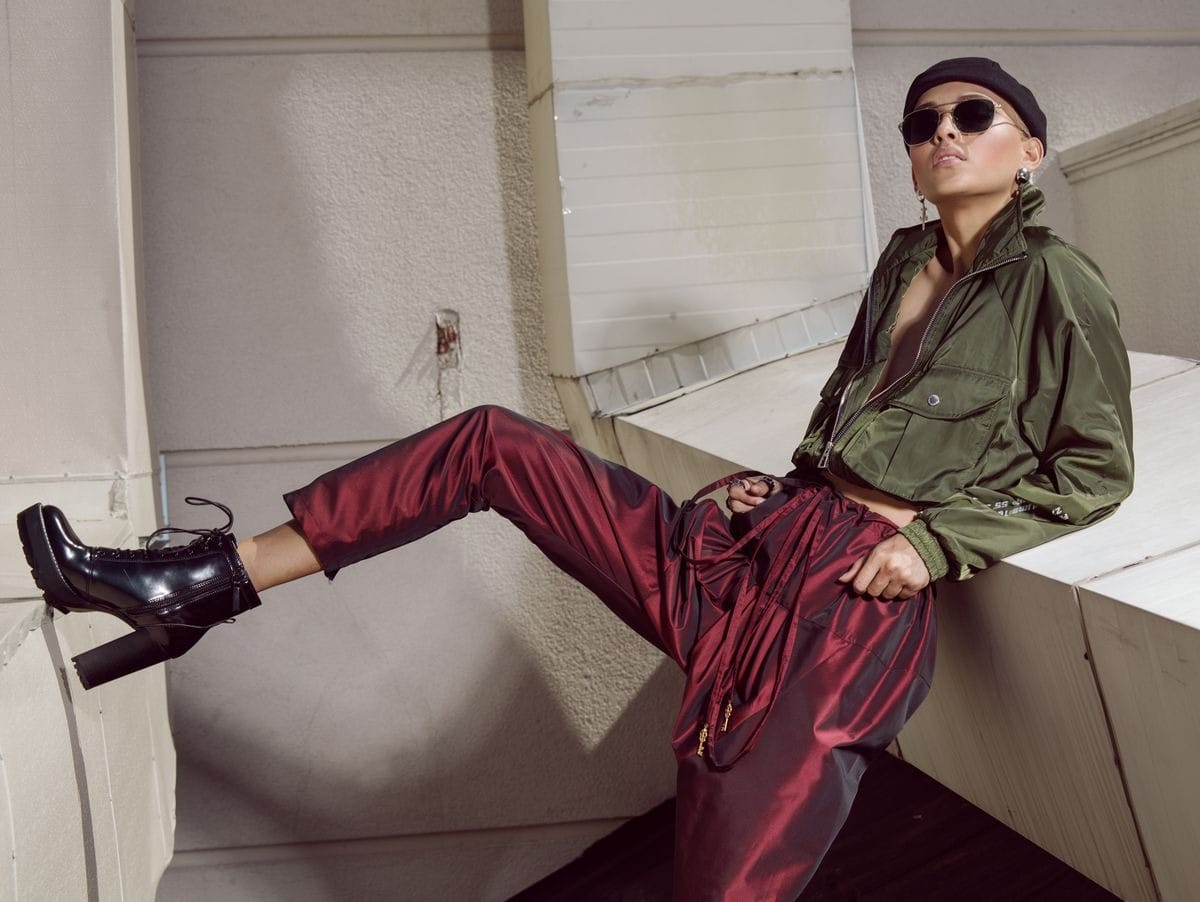
Preparation begins with the actual request. Check the kind of modeling involved, the photographs or materials required and any instructions about clothing. A general idea of what models wear tells you less than knowing what this particular casting asks you to bring.
Make a short preparation note for yourself. Separate what has been requested from what you are assuming, and ask about anything that could change how you prepare. That gives you a practical way to avoid arriving with a polished presentation that misses the brief. Researching the organizer also helps you understand who you will be meeting.
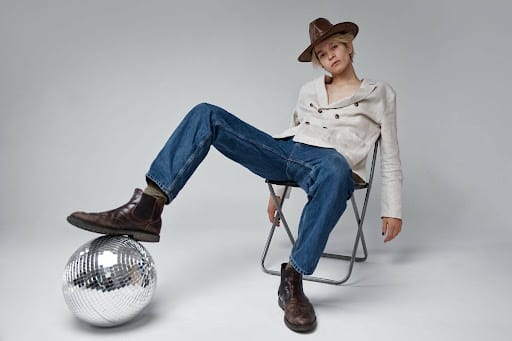
Style experiments belong in the right setting. A vintage-inspired outfit might suit a creative portfolio concept while being unnecessary for a straightforward casting. Our guide to vintage style for guys and dolls can offer inspiration for that kind of personal styling. Let the brief decide whether those choices belong in the photographs or should wait for another shoot.
Practice Small Changes in Posture and Expression
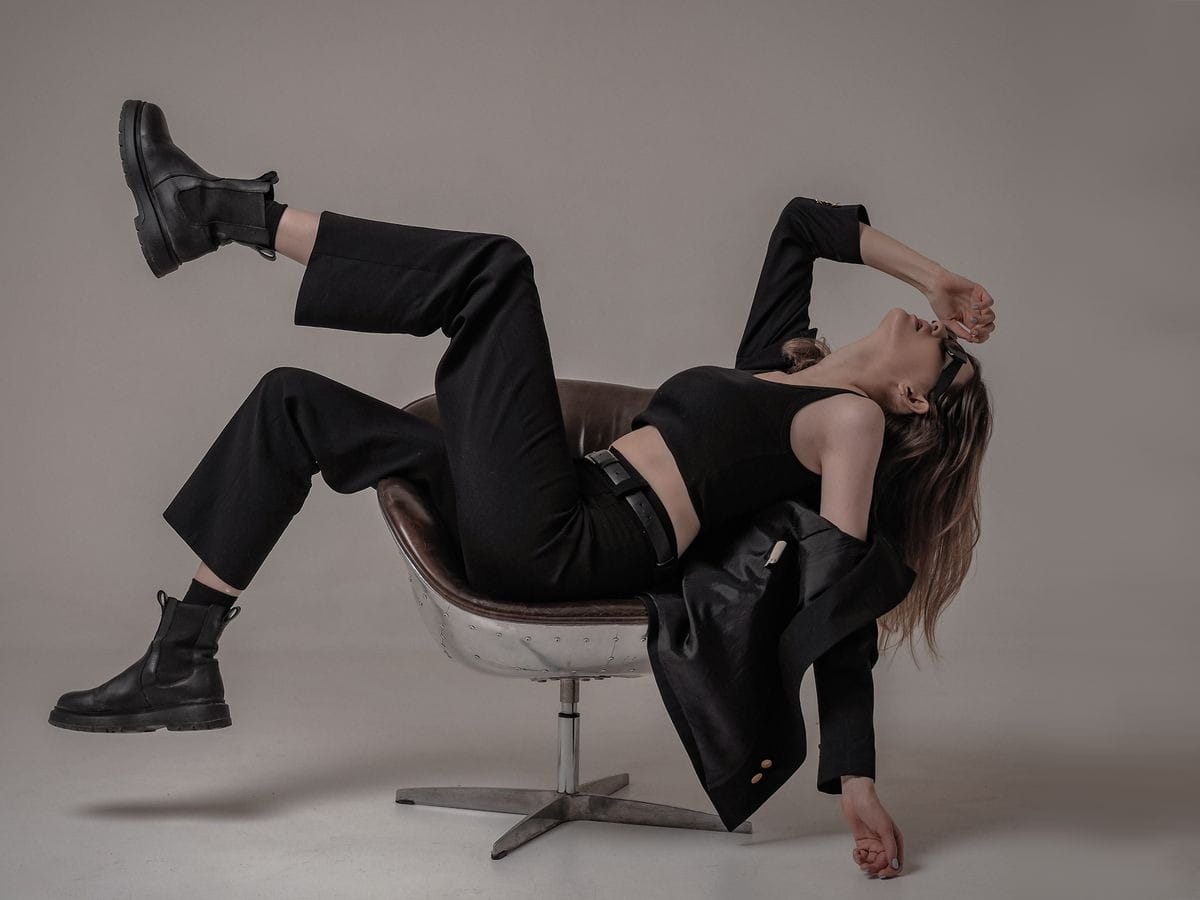
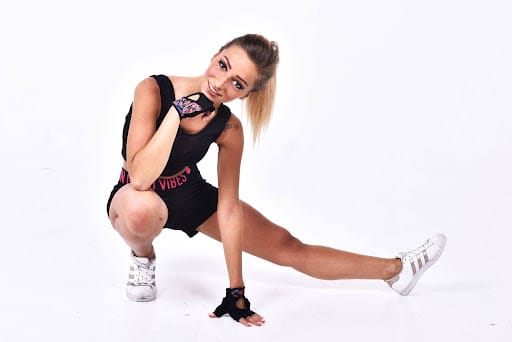
Being comfortable in front of a camera takes practice. Work with a few simple positions first: relaxed shoulders, a slight change in your angle and an expression that feels natural. Notice what changes when you turn your face a little or shift your weight. You do not need a completely different pose for every frame.
Record a short practice session if movement is relevant to the work you want. Watching it back can help you spot habits that are difficult to notice while posing. Choose one thing to work on next time, rather than trying to change your walk, posture, hands and expression all at once.
Practice listening as well. During a shoot, a photographer may ask for a smaller movement than you expected. Pause, make that adjustment and give it time to register before moving again. The aim is to become easier to direct while still looking like yourself, not to memorize a sequence that you repeat regardless of the assignment.
Treat Communication and Casting Checks as Part of the Work
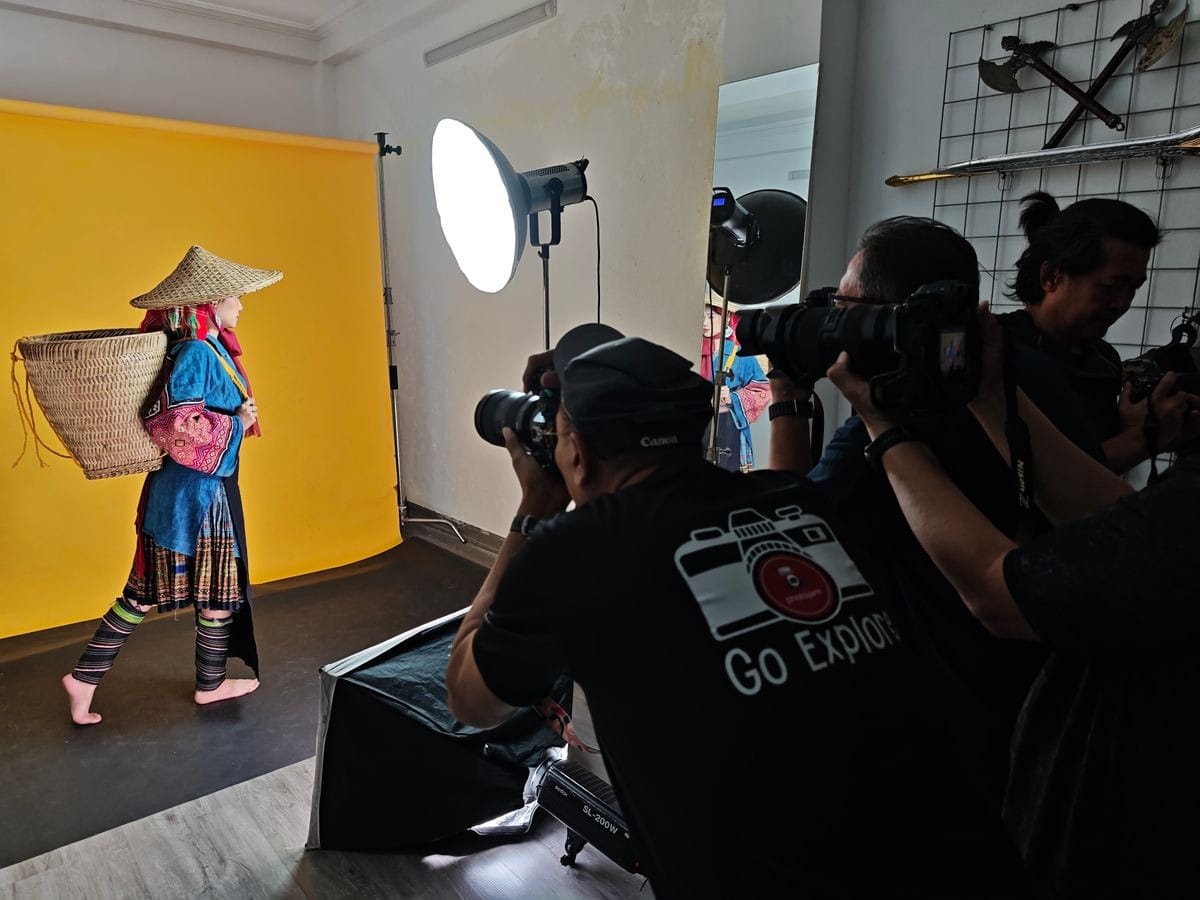
Arrive prepared and leave enough time to settle before the appointment. Have the requested materials ready, respond clearly to instructions and stay courteous to the people organizing the session. These habits make the meeting easier for everyone, even when you feel nervous.
Preparation also includes checking an opportunity before committing to it. Look into the organizer and ask for clear details about the session. Vague information, pressure to agree immediately or unprofessional conduct are reasons to pause. Enthusiasm about modeling should not stop you from asking ordinary questions about what you are being asked to do.
Afterward, a brief, professional follow-up can be appropriate when the organizer has provided a contact route. Keep it relevant to that meeting. Use your own notes to record what you learned, including a direction you found difficult or a photograph that needs updating. That turns an experience into something you can act on without treating every casting as a verdict on your potential.
Keep Improving the Portfolio You Actually Use
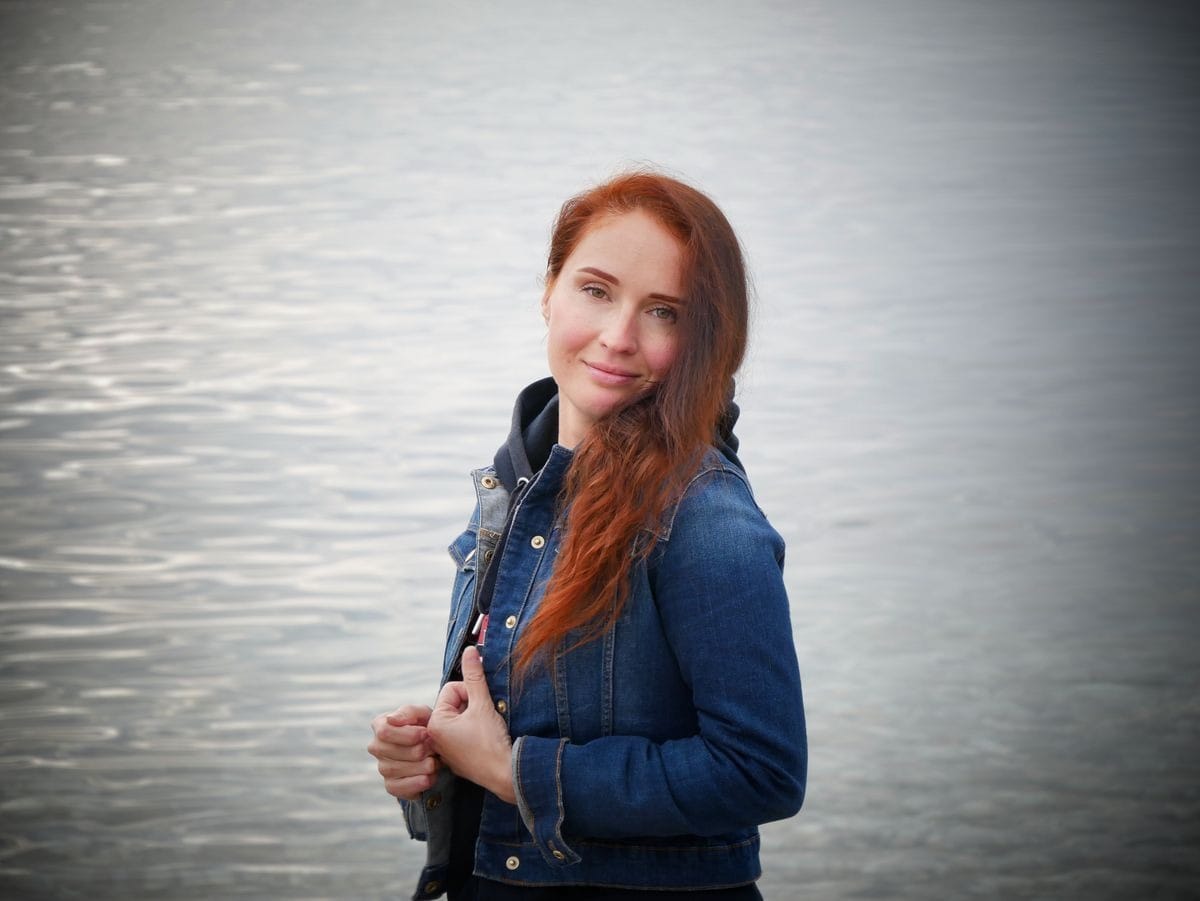
A portfolio needs attention after the first shoot. Review the images you send out and check whether they still represent your current appearance and the work you want. New photographs earn their place when they fill a gap, not simply because they are new. Keep an older image only if it still holds up.
Be equally selective about your online presentation. Someone viewing a profile should be able to understand your direction without sorting through unrelated material. Consider whether each addition makes that direction clearer. A consistent selection can still show variety through expression, framing and styling.
Keep learning beyond your own photographs. Industry events, workshops and conversations with other people working in modeling can help you understand the work and build professional connections. Use those experiences to choose a realistic next step. You might need more practice taking direction, a clearer headshot or a better-organized selection, rather than an entirely new portfolio.
What Clients Share About Their Maps Studio Experience
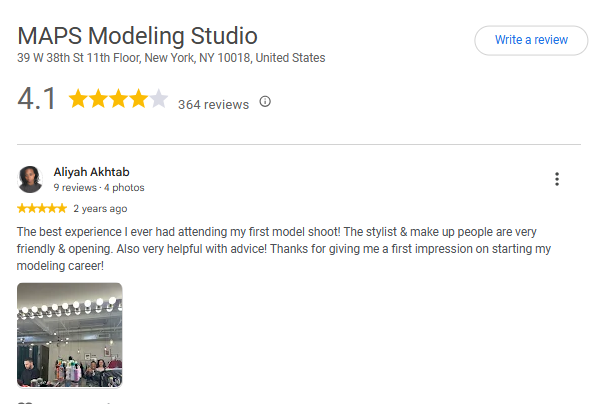
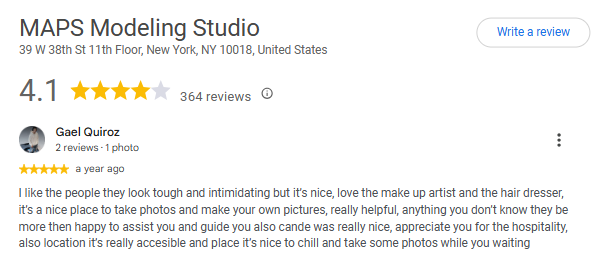
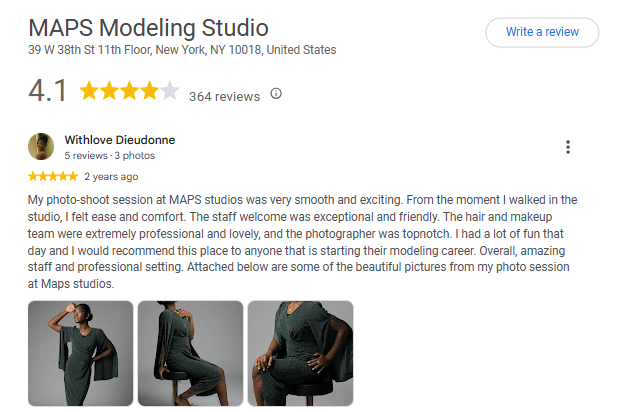
At Maps studio, we know a first photoshoot can bring plenty of questions. The client feedback below offers personal accounts of working with our team, from getting comfortable in front of the camera to receiving guidance during a session. These are individual studio experiences, rather than promises about modeling work.
Frequently Asked Questions
Do I Need a Different Portfolio for Every Casting? Not necessarily. Begin with a strong, current selection, then choose the images that suit the brief. The requested materials and type of work should guide what you submit.
What Should I Wear for a Modeling Headshot? Choose simple, well-fitting clothing that keeps attention on your face. Avoid distracting logos or busy patterns unless the shoot specifically calls for them.
How Can I Become More Comfortable Taking Direction? Practice small adjustments instead of moving through a whole series of poses. Listen to the request, make the change and pause. Reviewing practice photographs can help you see the difference.
Does a Professional Portfolio Guarantee Modeling Work? No. Photographs help present your look, but selection also depends on the requirements of the assignment. Treat portfolio development as preparation, not a promise of a particular outcome.
Conclusion
A good start in New York modeling comes from repeatable preparation. Keep your photographs current, read each brief carefully and practice the small movements that help you respond to direction. Pay attention to how you communicate and check who is organizing an opportunity before you commit. After a shoot or casting, choose one specific improvement instead of changing everything at once. That might mean replacing a distracting headshot, refining a pose or presenting a more focused selection of images. Your next portfolio should make those improvements visible while giving an honest, recognizable picture of you.
Visit Mapsstudio for more information about photography.
Note: We enjoy sharing creative inspiration, photography tips, and industry insights to help you capture life's best moments. The services, styles, and equipment mentioned in our articles are for informational purposes only and may not reflect our current offerings. For the latest on our photography services and portfolio, visit Maps studio.
Member discussion