
What to Know About Runway Modeling
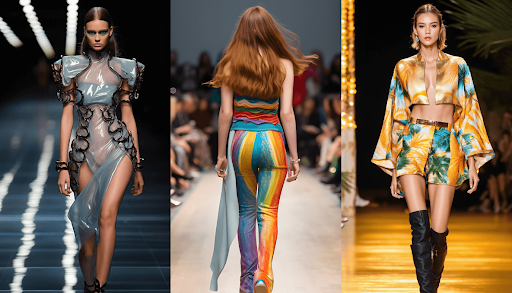
Runway modeling is the part of fashion where you wear a designer's newest collection in front of a live audience. To get anywhere with it you'll need to meet certain height requirements, keep yourself camera-ready, and put together a solid portfolio. You also have to practice the walk and learn how to behave backstage. Networking matters a lot, and so does knowing what the money side looks like. Here's how it works.
Understanding the role of a runway model
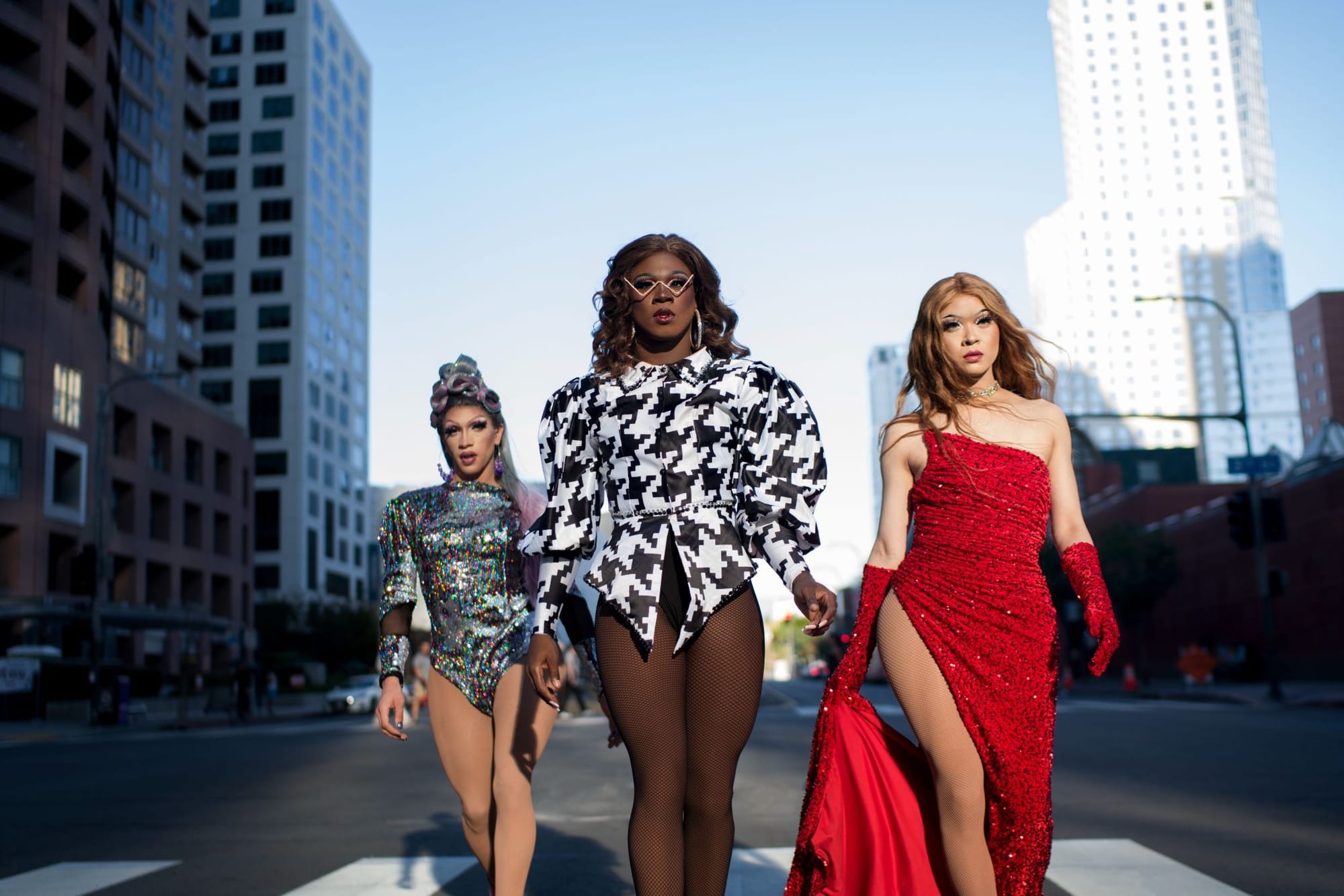
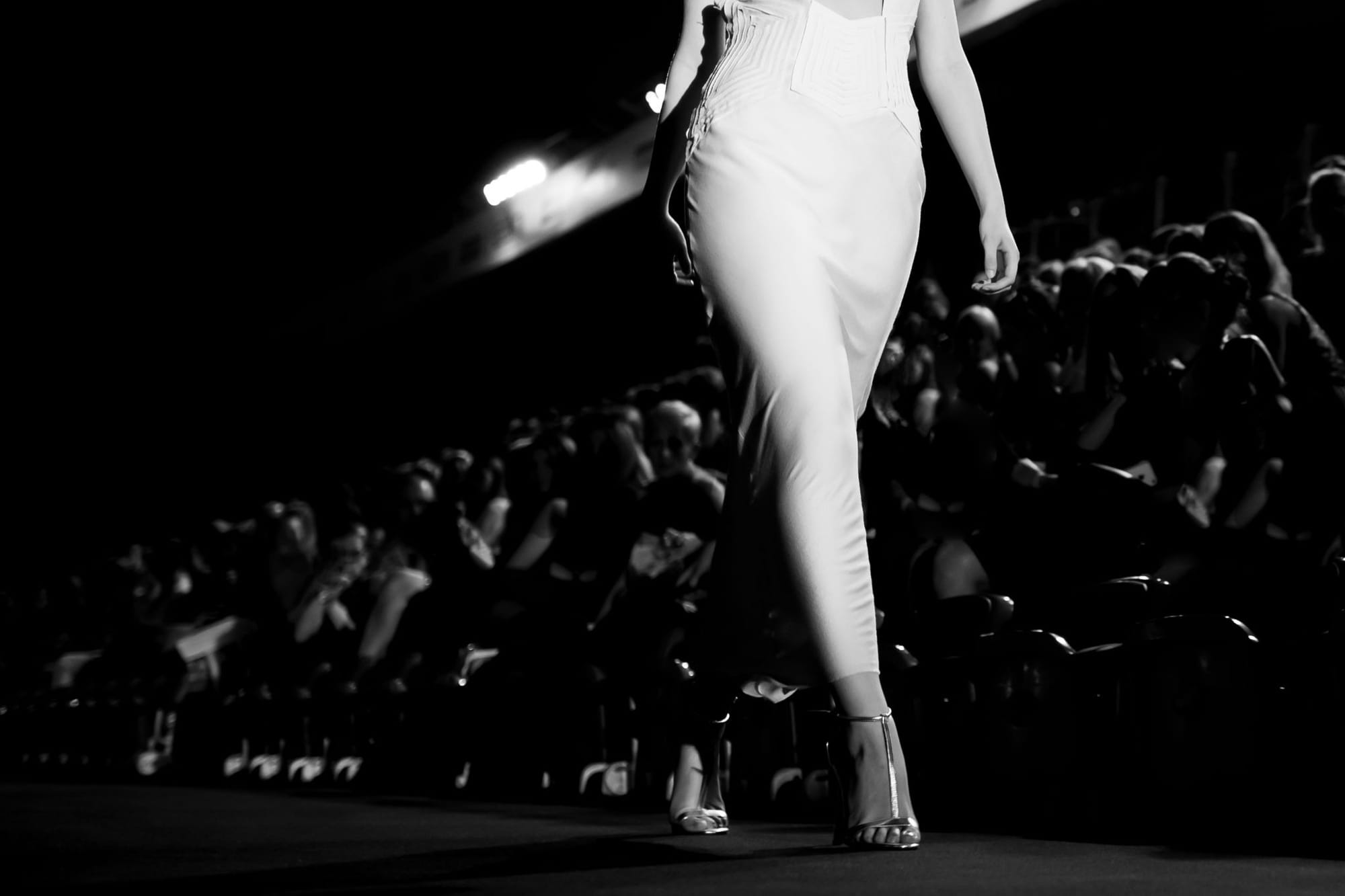
A runway model wears clothing and accessories down a catwalk for a live audience. You're the connection between the designer and the people who'll eventually buy or be inspired by the work.
The stage is usually narrow and often T-shaped, and your job is to carry the feel of the collection as you walk it. Commercial and editorial models work in front of a camera; runway models work the catwalk, which is why the walk matters so much to a designer trying to make a statement.
You'll work with individual designers and brands, and the way you carry a garment helps communicate the mood behind it. It's demanding work, but it's a good time if you're built for it.
Requirements and preparation for aspiring models

Start with height. Women are usually expected to be at least 5'9", men 6'0". Keep your skin, hair, and fitness in good shape - appearance is part of the job. Build a professional portfolio with high-quality images that show range, and train regularly on your walk and stage presence. A lot of people take classes for this.
Expect rejection. It comes with the territory, so toughen up about it. Casting calls and networking are how you get seen.
Mastering the runway walk and etiquette
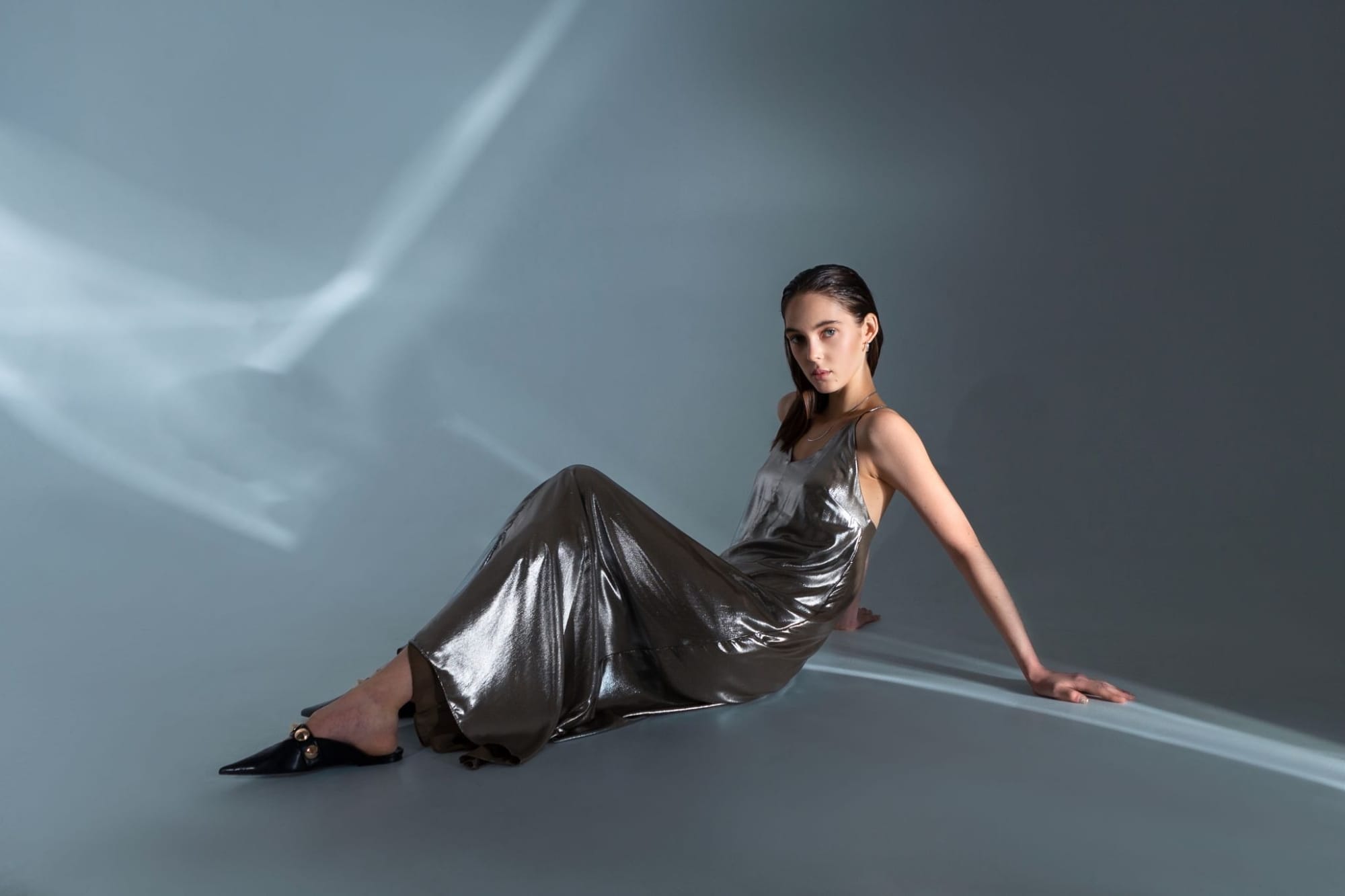
The walk gets the attention, but backstage behavior is half of it.
Before the show, read the call sheet, pack your model bag, and show up on time. Introduce yourself to the hairstylist and makeup artist, and treat them well - they're the ones making you look good.
During the show, stay professional. Don't eat or drink in the designer's clothes, and pay attention to instructions.
Afterward, return the garments and accessories the right way and thank the designers. Online, tag the people who helped and keep your presence professional.
Building a strong modeling portfolio and agency representation
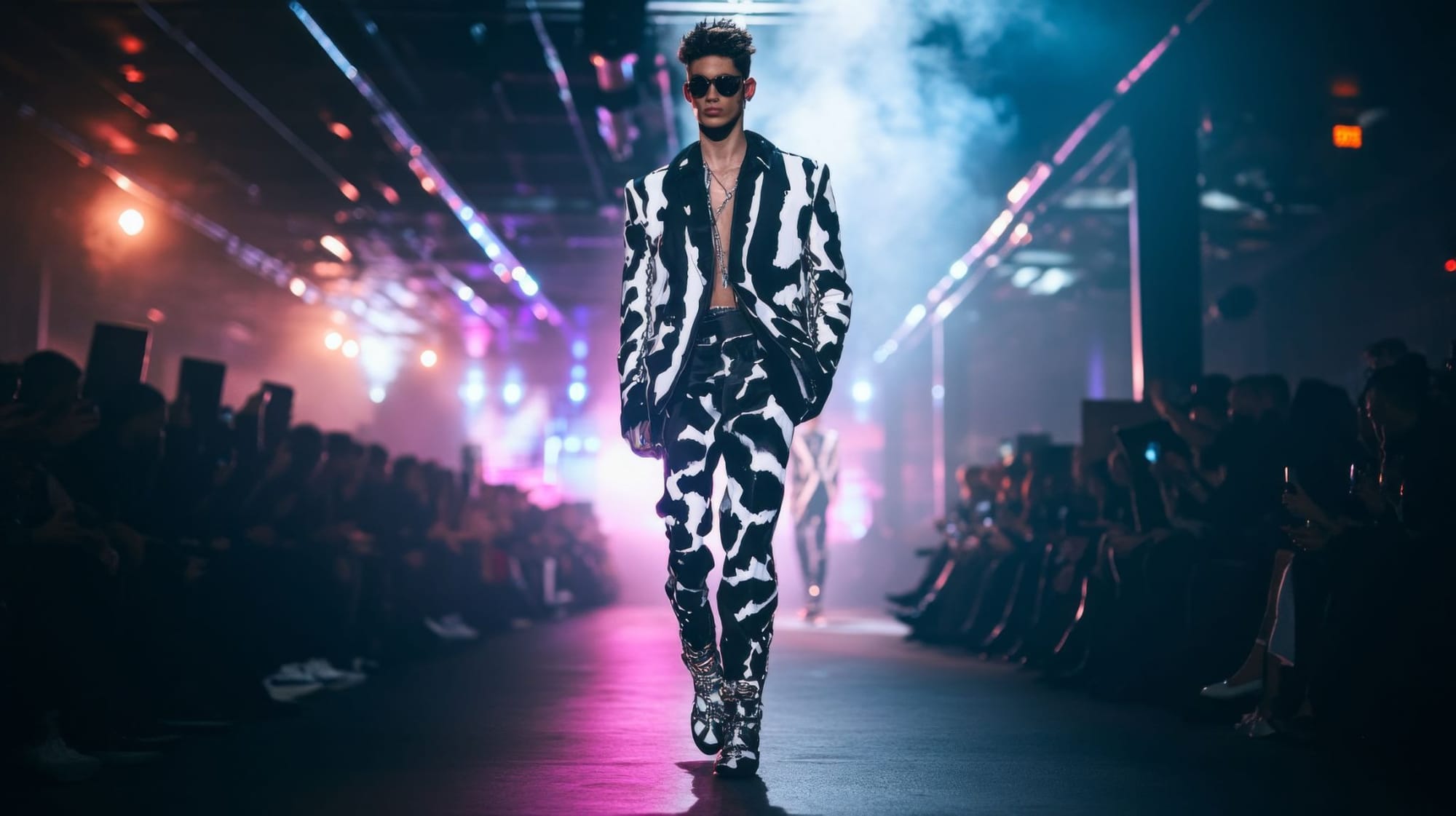
Aim for 8–12 high-quality images that cover a range of poses and looks, so an agency can see what you can do. Work with photographers who actually shoot model portfolios it shows in the results.
Picking an agency matters just as much. Look into their client list, reputation, and track record before you sign anything. And if an agency runs a mentorship or development program, that's worth extra attention while you're still building your book.
Networking and financial considerations in the modeling industry
Who you know does a lot of the heavy lifting in this business. Networking events, runway shows, and social media are where you meet the people who hire, so use them to make contacts and show your work.
The money varies a lot. Smaller designers might pay somewhere around $200 to $1,000 a show; bigger brands pay considerably more. The work is freelance, so budget carefully, and as you get experience, learning to negotiate will get you better rates.
Client feedback: what people are saying about USA Models Photography
Below are reviews from various platforms, including Google My Business. They reflect the experiences clients have had with USA Models Photography. For more about what we offer, visit USA Models Photography.
Frequently asked questions
What types of clothing do runway models typically wear? Mostly high-fashion pieces - designer gowns, tailored suits, avant-garde looks. They usually feature the season's newest trends and fabrics.
How do runway shows differ from photoshoots? A runway show is live and built around movement. A photoshoot captures still images. On the runway you're working in front of a real-time audience, which lets the clothing move in ways a photo can't always show.
What should I bring to a casting call? Your portfolio, a few current headshots, comfortable shoes, water and a snack, and a good attitude. A little prep goes a long way.
Are there age limits for runway models? No hard limits, but most agencies favor models between 16 and 25. That said, there's more room for older models now than there used to be.
How can I handle nerves before walking on stage? Breathe, picture it going well, and remember why you're doing it. The audience is on your side, so let yourself enjoy the moment.
Conclusion
That's the shape of Runway Modeling. Learn the role, sharpen the walk, build your book, and get to know people. Rejection is part of the deal, so resilience counts for a lot here. Put the work in and keep showing up.
Note: We share creative inspiration, photography tips, and industry notes to help you capture good moments. The services, styles, and equipment mentioned here are for information only and may not reflect our current offerings. For the latest on our services and portfolio, visit USA Models.




Member discussion