
3 Quick Fixes for Common Sewing Machine Problems
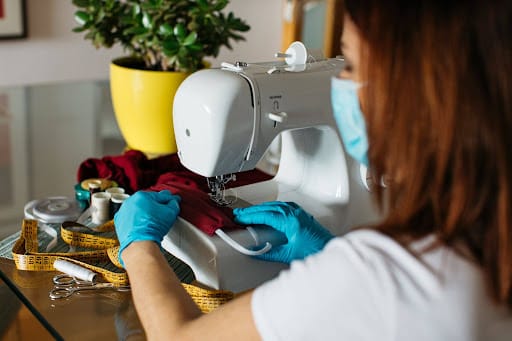
Few things are more frustrating than sitting down to sew, only to have your machine start skipping stitches, breaking thread, or refusing to feed fabric properly. The good news is that many sewing machine issues can be solved in just a few minutes without professional repair.
Before you panic or assume your sewing machine needs servicing, try these three quick troubleshooting steps.
Check Your Bobbin Setup
A poorly wound or incorrectly installed bobbin is one of the most common causes of sewing machine trouble.
If your stitches look uneven, the thread keeps tangling underneath the fabric, or the machine sounds unusual, start by removing the bobbin and inspecting it carefully.
Make sure:
- The bobbin is wound evenly
- It is inserted correctly into the bobbin case
- You're using the correct bobbin type recommended for your machine
An improperly seated bobbin can affect thread tension and cause skipped stitches or thread nests underneath your project.
Regularly cleaning lint from the bobbin area can also help prevent future issues.
Fix Thread Breakage and Thread Bunching
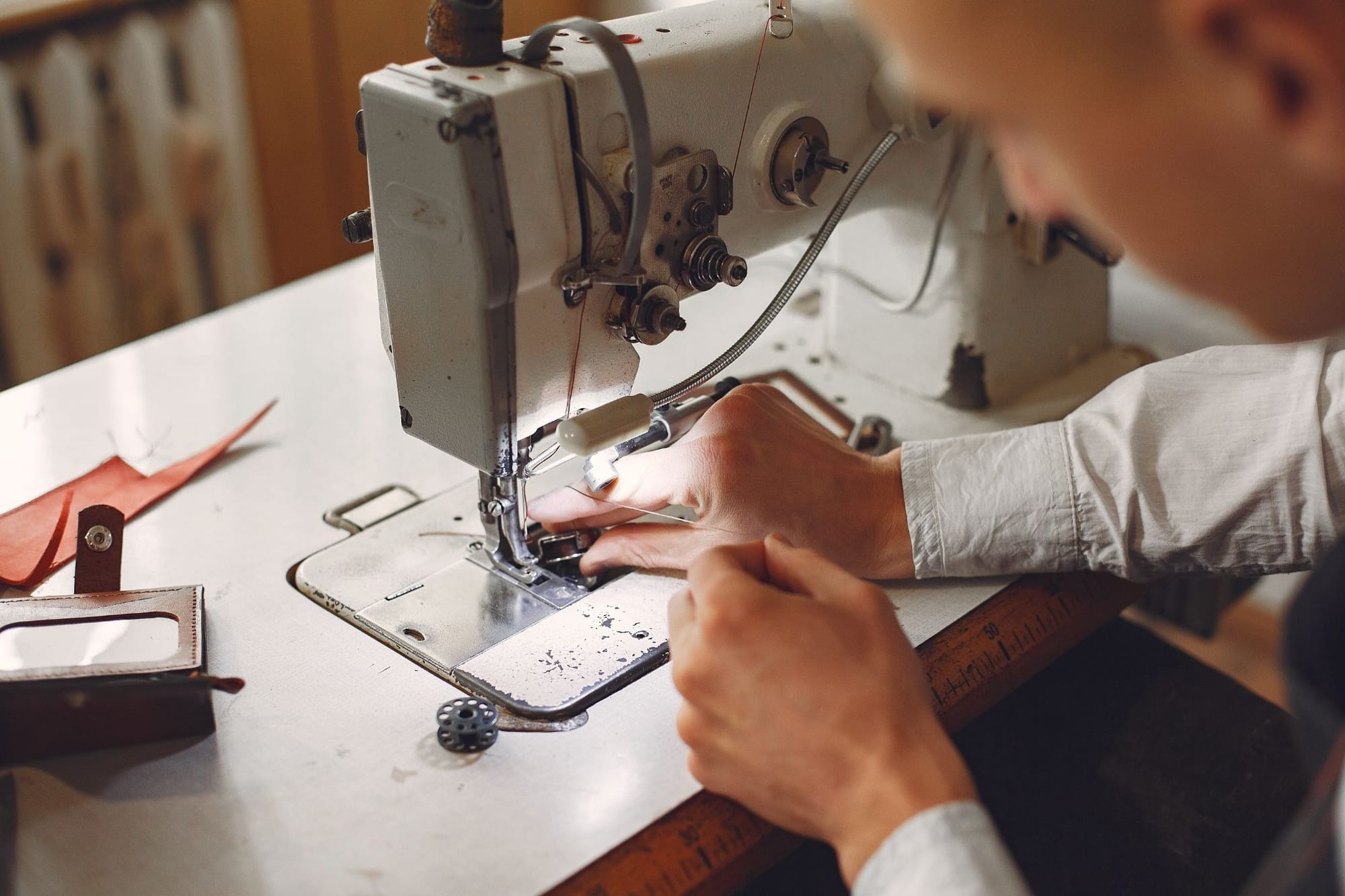
Nothing interrupts a sewing project faster than thread that constantly breaks or bunches up.
The first thing to check is your threading path. Even a small mistake while threading the machine can create tension problems.
Take a moment to:
- Rethread the machine completely
- Ensure the thread passes properly through the tension discs
- Check that the needle is inserted correctly
- Replace bent, dull, or damaged needles
Thread quality matters too. Old, brittle, or low-quality thread can break frequently and create inconsistent stitching.
If thread bunching occurs underneath the fabric, double-check both the upper thread path and bobbin placement. In many cases, one of these two areas is the culprit.
Solve Fabric Feeding Problems
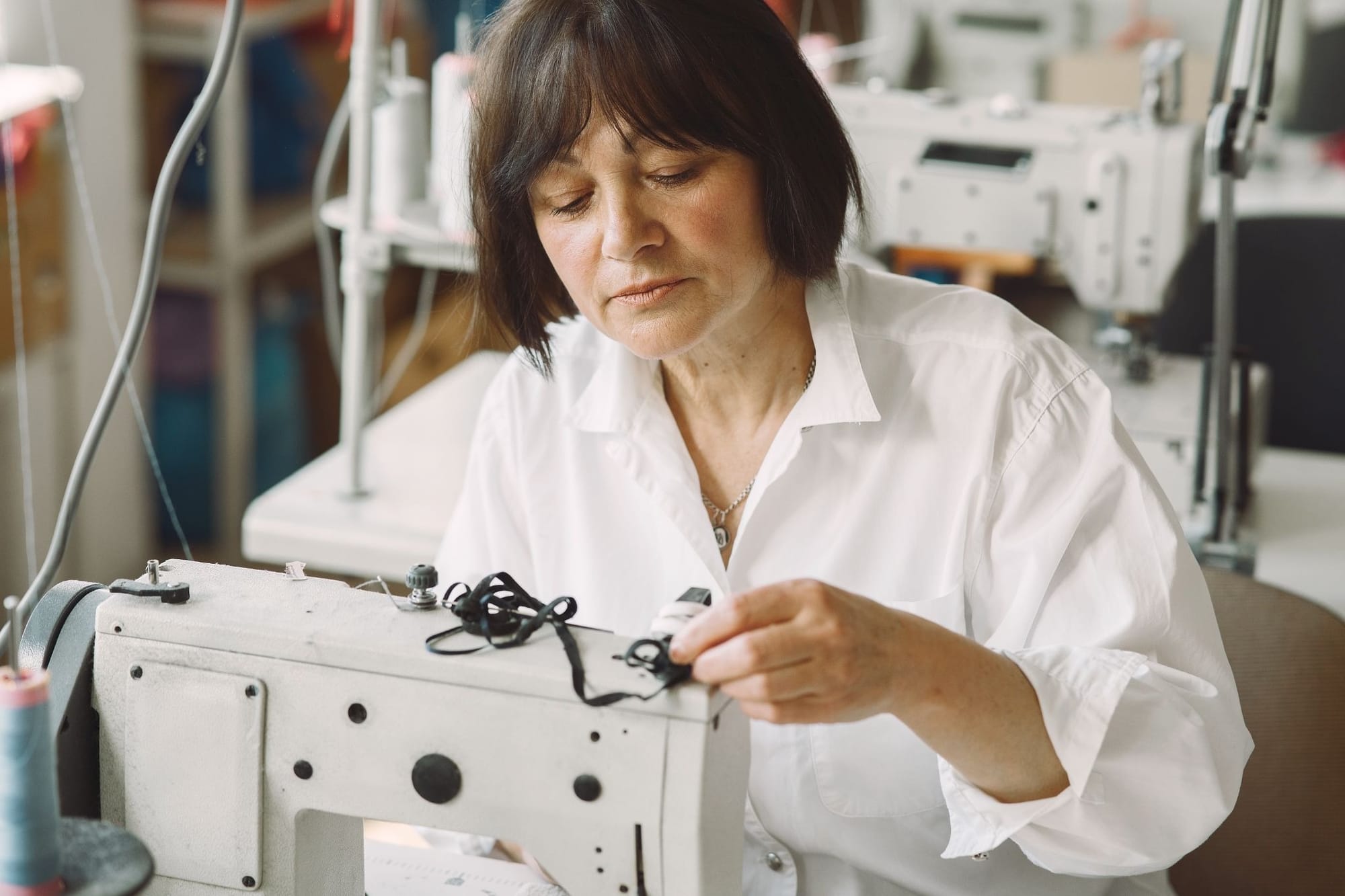
When fabric refuses to move smoothly through the machine, sewing becomes difficult and results can suffer.
Start by making sure the presser foot is lowered. Without enough pressure, the fabric may not feed correctly.
Next, inspect the feed dogs, which are the small metal teeth beneath the presser foot that move fabric forward.
Check that:
- The feed dogs are engaged
- They are free from lint and debris
- The correct needle and thread are being used for your fabric type
A quick cleaning often restores proper feeding performance and helps create smoother, more consistent stitches.
Keep Your Sewing Machine Running Smoothly
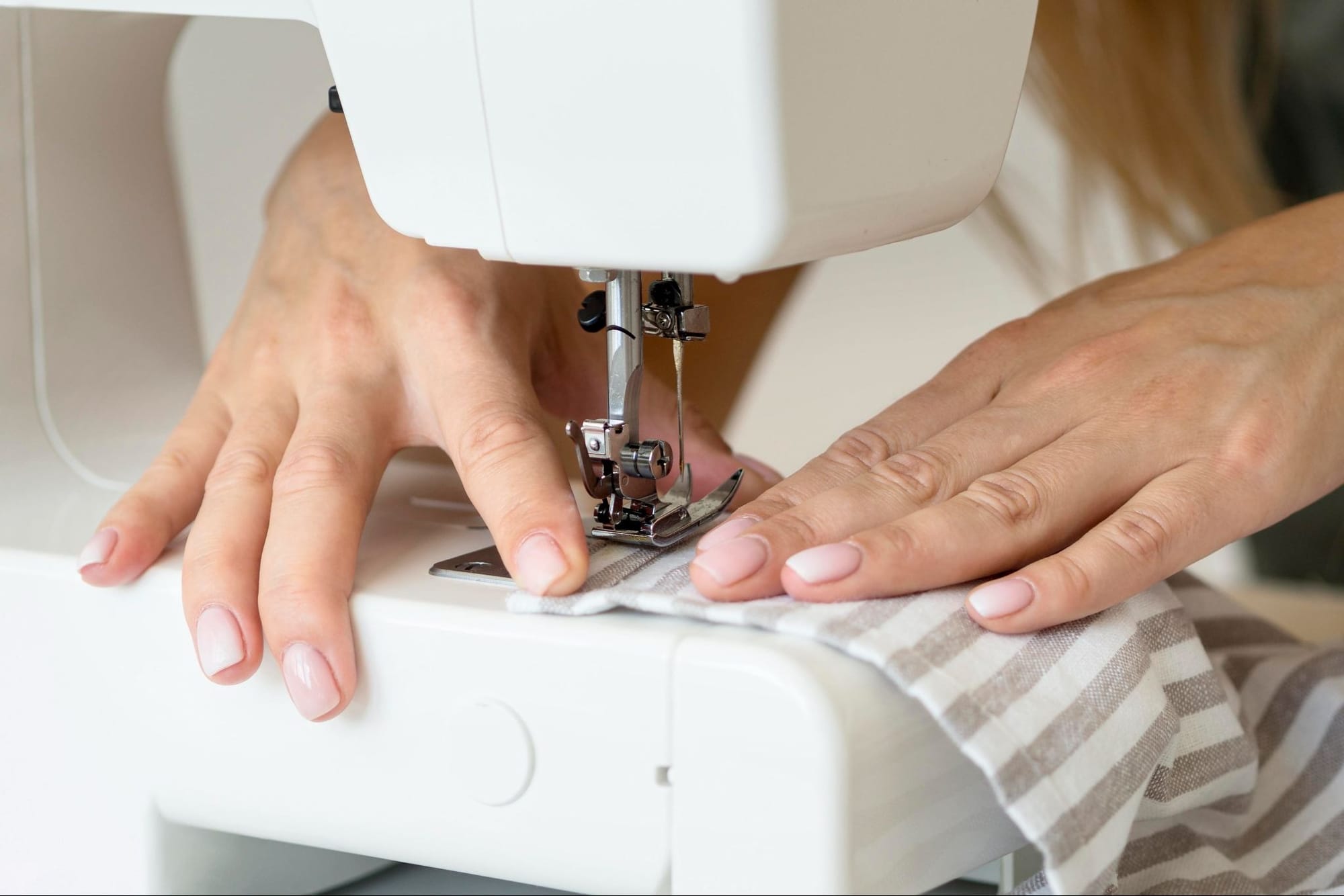
Many sewing machine problems can be solved with a few simple checks and regular maintenance. Cleaning lint buildup, changing needles regularly, using quality thread, and scheduling periodic servicing can help prevent larger issues down the road.
If you've tried these fixes and your machine still isn't performing properly, professional servicing may be the best next step.
A well-maintained sewing machine not only lasts longer but also makes every sewing project more enjoyable.
Frequently Asked Questions
How often should I clean my sewing machine?
It's a good idea to clean your sewing machine after every major project or every few months if you sew regularly. Removing lint and dust helps keep the machine running efficiently.
Can I use any needle in my sewing machine?
No. Different fabrics require different needle types and sizes. Always check your sewing machine manual and choose the appropriate needle for your project.
What should I do if my sewing machine makes unusual noises?
Stop sewing and inspect the machine for lint buildup, loose parts, or thread jams. If the noise continues after cleaning and basic troubleshooting, consult a qualified technician.
Is it safe to store my sewing machine in an attic?
Attics often experience extreme temperature changes and humidity, which can damage sewing machines. Store your machine in a clean, climate-controlled area whenever possible.
How can I improve my sewing machine's performance?
Regular cleaning, proper lubrication, replacing worn needles, and scheduling routine maintenance can significantly improve your machine's performance and longevity.
Conclusion
Most sewing machine issues don't require expensive repairs. By checking your bobbin setup, correcting threading problems, and ensuring proper fabric feeding, you can solve many common sewing frustrations in just a few minutes.
A little preventive maintenance goes a long way toward keeping your sewing machine running smoothly, allowing you to focus on what matters most, bringing your creative projects to life.
About Gator Vacuum
Choosing the right vacuum cleaner is just as important as maintaining your sewing equipment. At Gator Vacuum, you'll find a wide selection of upright, canister, cordless, bagged, and bagless vacuum cleaners designed to fit every cleaning need and budget.
Whether you're dealing with pet hair, hardwood floors, carpets, or commercial cleaning tasks, our trusted vacuum solutions help you maintain a cleaner, healthier home with confidence.
Member discussion