
7 must know tips for stunning model photography in NYC
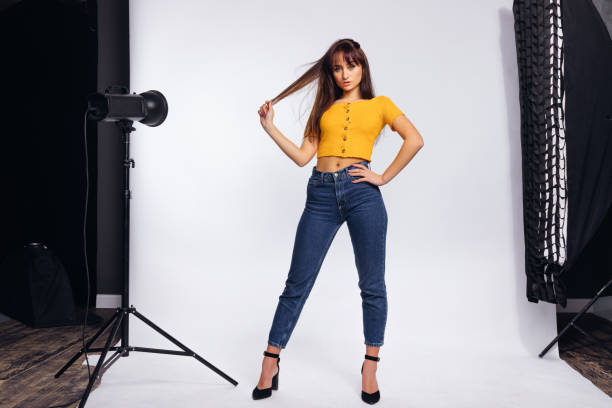
Good model photography in NYC starts with knowing the city and picking your spots. Streets, parks, landmarks the backdrops here are endless. Working with photographers who've been around will pull your skills up fast, and getting your posing right is what gives a shot real punch. Then there's wardrobe: pick outfits that fit your style, and bring options. Lighting does the rest. There's plenty more below on building a portfolio and the little techniques that actually make a difference.
Understanding the NYC photography scene
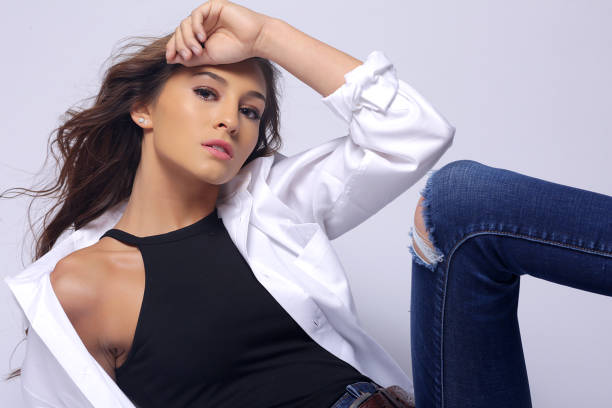
Jump into the NYC photography world and you figure out pretty quickly that there's a lot going on, and a lot of room for models to do their thing.
Posing carries more weight than people expect. It's how your personality and emotion actually land in the frame, and it lifts the whole photo. Before a shoot, dig around on Google and Pinterest, save the poses that catch your eye, and build yourself a little reference stash.
Then practice them. In front of the mirror, however silly it feels. It does wonders for your confidence and means you're not figuring it out cold on shoot day. One more thing that matters a lot: talk to your photographer. The better you click, the more creative the two of you get together.
Choosing the right locations for your shoot
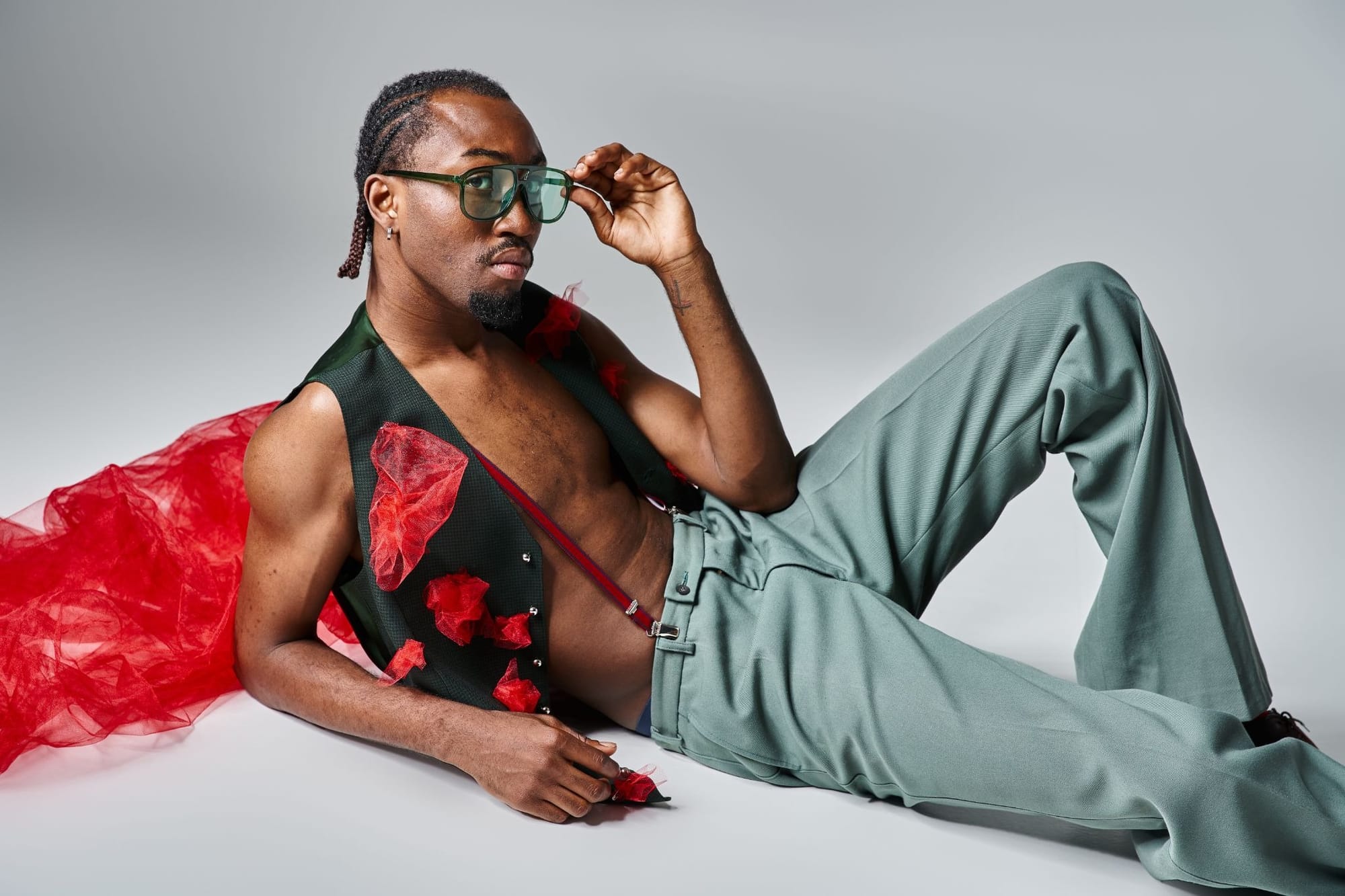
Where you shoot can make or break the photos. NYC gives you all kinds of backdrops, and each one carries its own mood.
Think about the model's style and the story you're trying to tell, then match the spot to it. A few directions to play with: iconic cityscapes give you that modern, urban edge. Parks and green spaces bring something fresher and softer. Historical sites and landmarks add depth and a sense of place. And if you want all eyes on the model, go minimal a plain, neutral background keeps the focus where it belongs.
Collaborating with experienced photographers
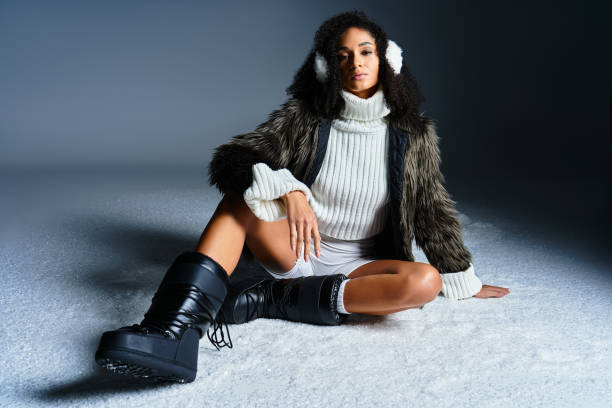
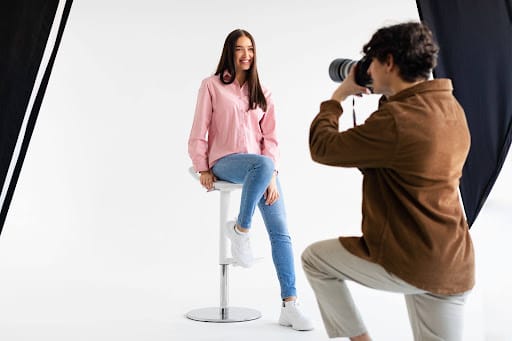
Shooting with a seasoned photographer levels you up fast. They know the stuff you don't yet how light behaves, which angles flatter, all the small calls that add up.
Talk before the camera comes out. Share what you're going for, what you want out of the shoot. That back and forth builds trust, and trust is where the good ideas come from. Stay open to their suggestions too; a small tweak to a pose or expression can be the difference between an okay shot and a great one.
Show up ready and show up in a good mood. It honestly sets the whole tone. When everyone's relaxed and feeling respected, you end up making work that actually shows off what's unique about you. Lean into that partnership.
Mastering posing techniques for maximum impact
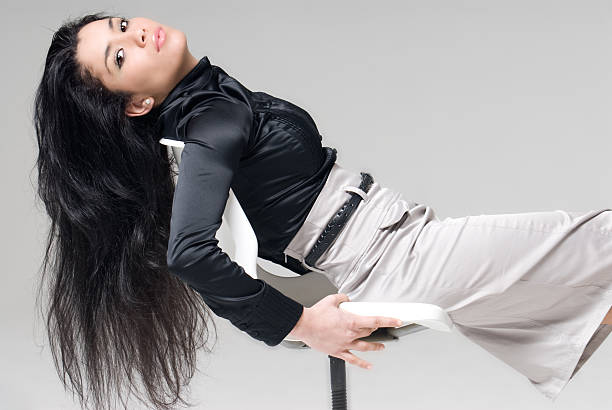
Posing is where a lot of the magic happens. It carries the emotion and personality, and it lifts the quality of the whole shot. A few things that help:
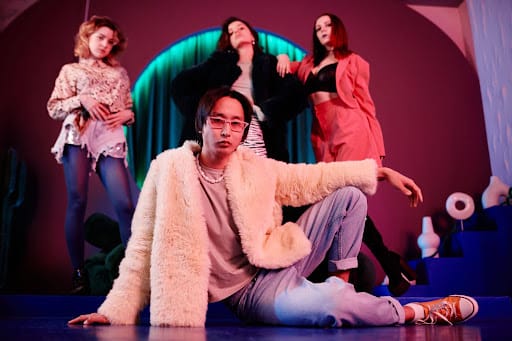
Start simple. Basic standing and sitting poses first, just to get comfortable, then work up to the more dynamic stuff. Keep things fluid once you're going small, smooth adjustments read as natural and easy rather than stiff. Play with angles and how you position your body; a slight shift changes the whole composition. And use what's around you. Lean on a railing, glance down a street, react to the space that's where the spontaneous, alive shots come from.
Selecting the perfect outfits and accessories
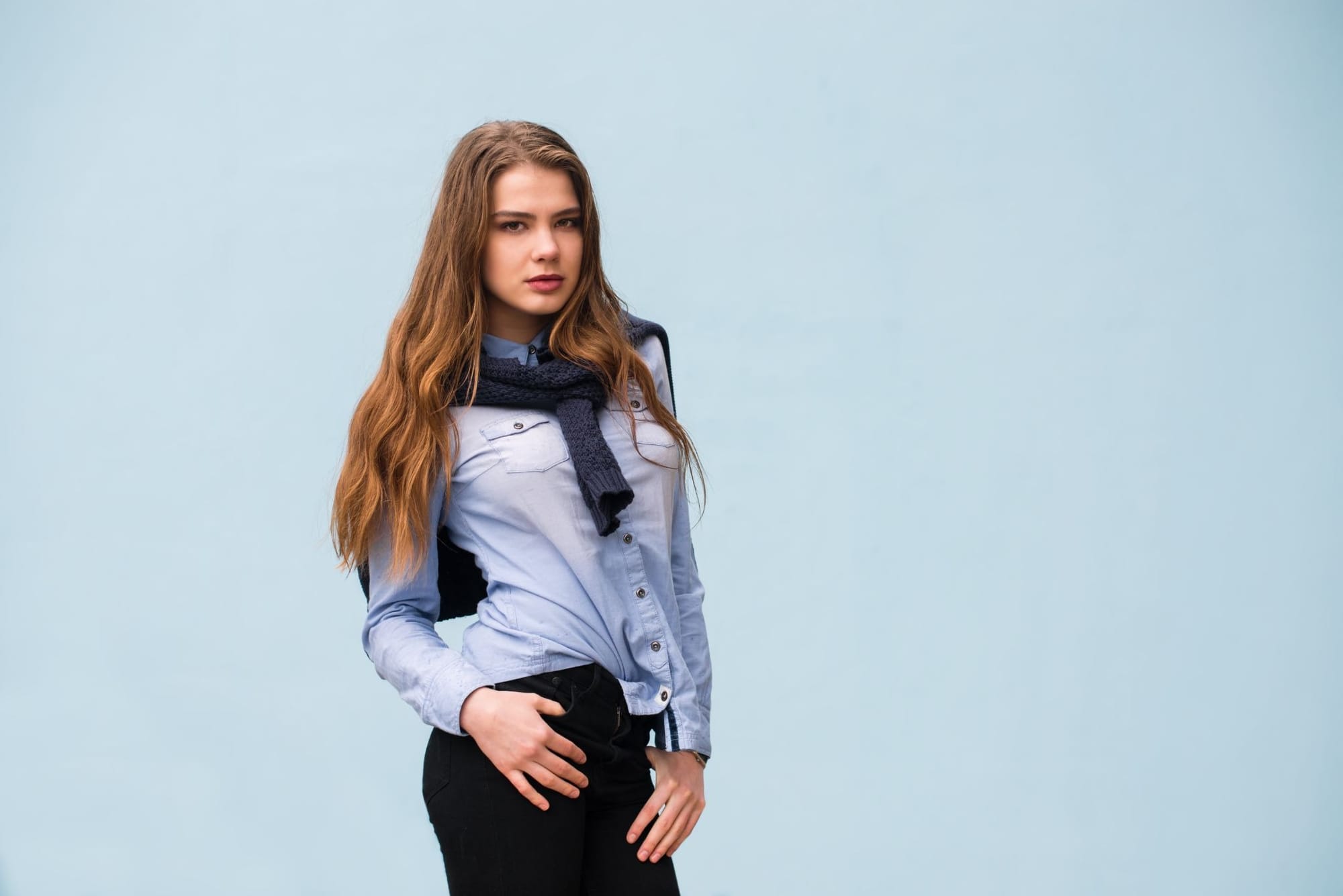
So how do you make sure your clothes are helping the photo, not fighting it? Start with outfits that suit your body type and match the look you're after.
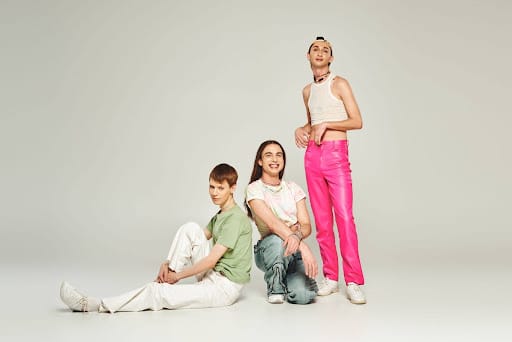
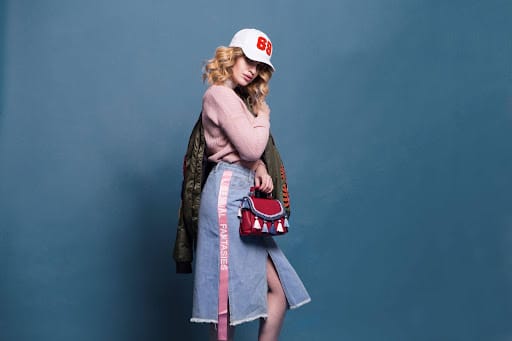
Solid colors usually win. They bring out your face without the image getting noisy, whereas busy patterns just pull attention off your expression. Accessories help too, but keep them simple and clean they should add to the look, not take it over. Bring a few options so you've got variety, and pay attention to texture and fabric; they add a surprising amount of depth.
Leveraging natural and studio lighting effectively
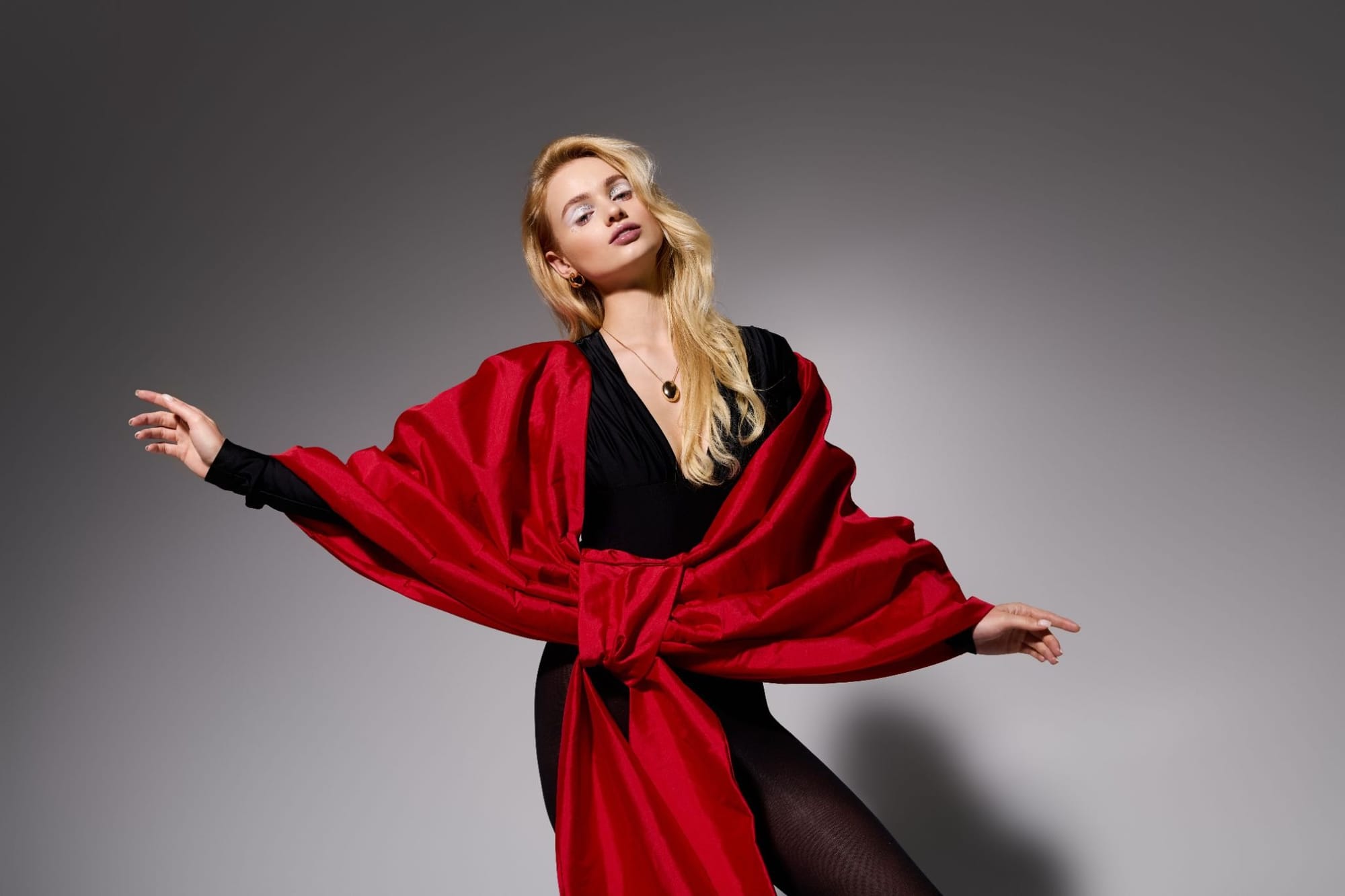
Lighting can completely change a modeling photo the mood, the way your features read, all of it. Get it right and the images really hold the viewer.
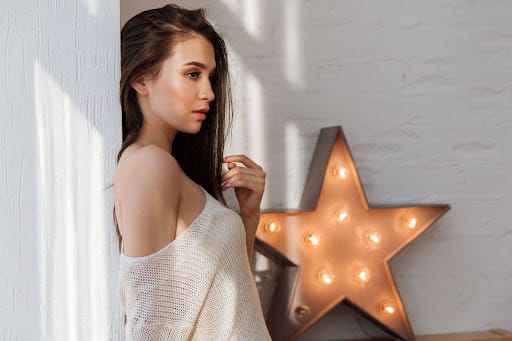
Natural light is your friend, especially that soft, diffused glow during golden hour; it's about as flattering as it gets. In the studio, play with softboxes for even light that kills off harsh shadows. Backlighting is worth experimenting with too it adds depth and a bit of drama, and it makes a shot pop off the screen. And don't sleep on reflectors; bounce a little light back onto the face and you soften features and brighten everything up.
Building a versatile portfolio to showcase your skills
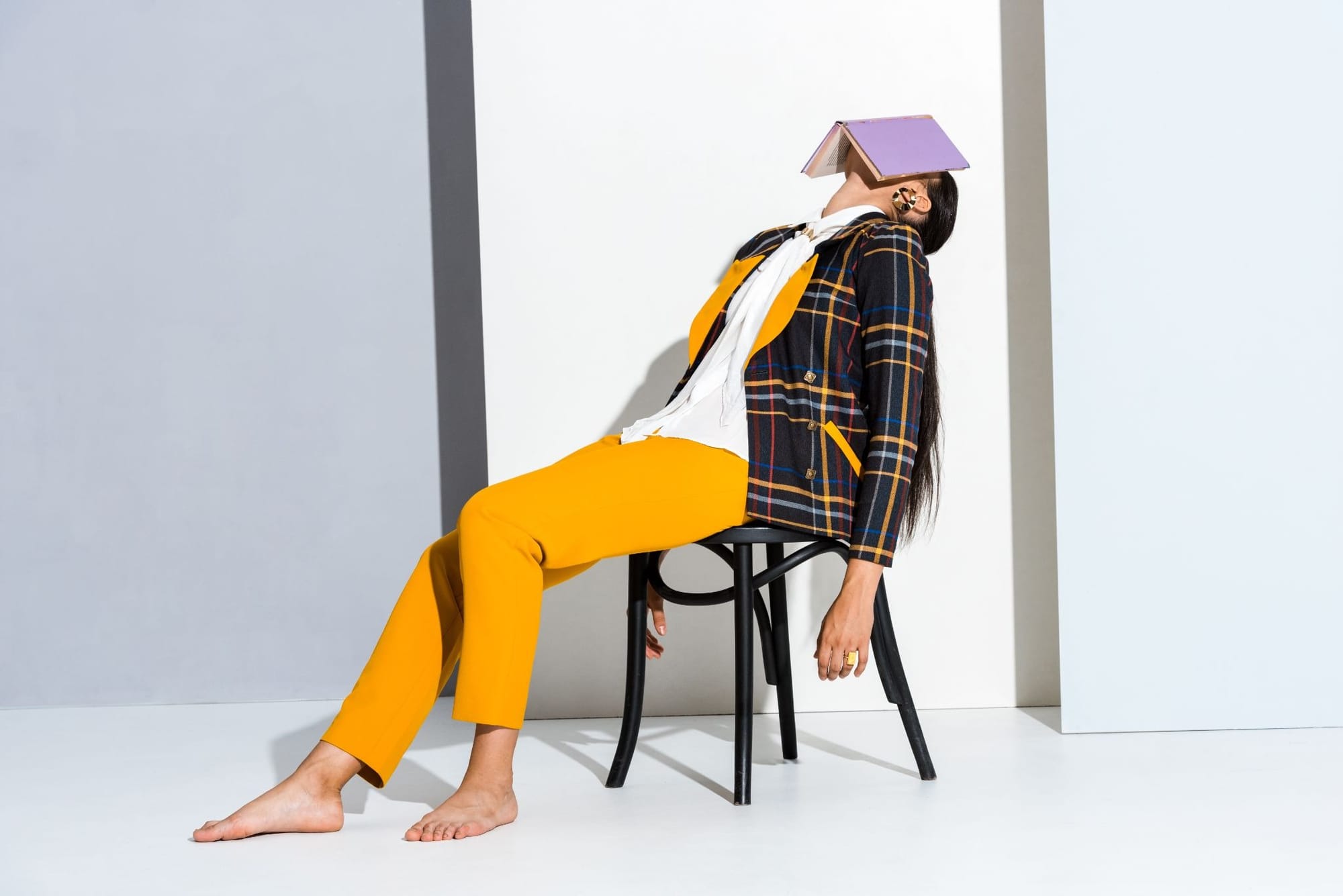
Your portfolio is what gets you work, so it needs range. Include different looks and styles so people can see you can adapt. Keep the image quality high, show your best stuff, and refresh it regularly so it doesn't go stale.
Get professional feedback too an outside eye catches what you can't and makes the whole thing stronger. Mix in different themes while you're at it, editorial, lifestyle, whatever shows your range. Through all of it, let your own features and personality come through in each shot. That's what turns a portfolio from a checklist into something clients and collaborators actually want to reach out about.
What clients are saying about Maps Studio
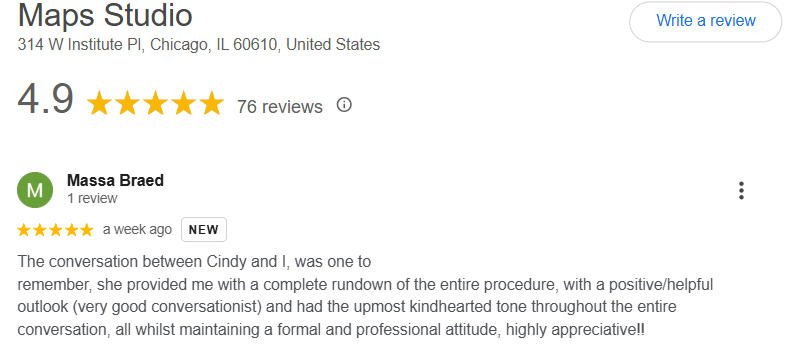
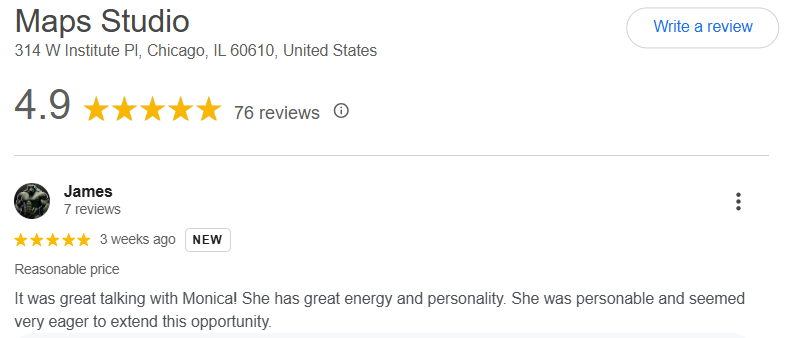
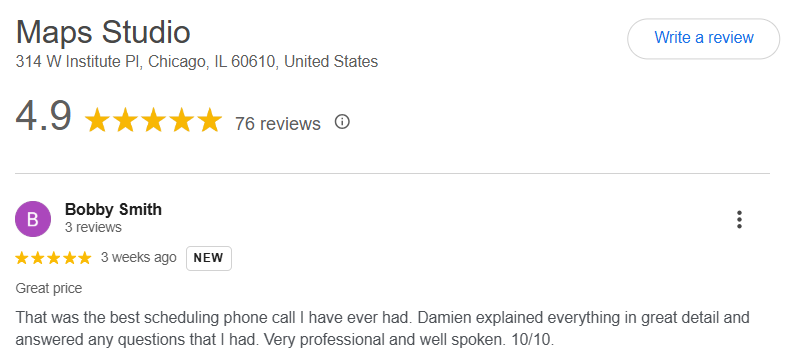
Have a look at these reviews from people who've shot with Maps Studio. A lot of parents talk about how much their kids loved the whole thing and how the photos turned out. That's the goal, really keeping every shoot fun and easy so everybody walks out relaxed and happy. Read through what folks are saying and you'll see why people keep picking Maps Studio. Visit Maps Studio for more details.
Frequently asked questions
How can I find modeling agencies in NYC? Start online, scroll social media, and get out to local fashion events. Talking to people already in the industry helps a ton they'll point you toward the reputable agencies that actually fit what you're going for.
What should I bring to a photoshoot? A few outfit options, the right accessories, and your grooming basics. Toss in water and a snack so you don't crash halfway through, and bring a good attitude it shows up in the photos.
How do I prepare mentally for a shoot? Picture your poses ahead of time, breathe slow, and keep your head in a good place. Relaxed and focused is the whole game in front of the camera.
What are common mistakes to avoid in model photography? The usual ones: not communicating, rushing through poses, ignoring your angles. Practice your expressions and sort out your wardrobe beforehand, and keep the set relaxed so your best features actually come through.
How can I promote my modeling portfolio online? Post your best images on social media and actually talk to the people who engage. Team up with photographers and other models, and use LinkedIn and modeling sites to get your work in front of the right eyes.
Conclusion
Put these tips to work and you're in good shape for the NYC modeling scene. Get to know how the city shoots, work with photographers who know their stuff, and keep sharpening your posing. Don't underestimate wardrobe and lighting either they do a lot of heavy lifting. Do all that and you end up with a portfolio that actually looks like you. Now get out there and shoot.
Visit Maps Studio for more information about photography.
Note: We love sharing creative inspiration, photography tips, and industry insights. That said, the services, styles, and gear mentioned in our articles are for informational purposes only and may not reflect what we currently offer. For the latest on our services and portfolio, visit Maps Studio.
Member discussion