
What types of fashion modeling exist today?

Fashion modeling isn't one job. It breaks into a handful of markets, each with its own rules about height, age, and look. There's runway for designer collections, commercial and catalog work for everyday products, plus-size and fitness, editorial and beauty, and modeling for kids and older adults. Here's how each one actually works.
Fashion/runway modeling
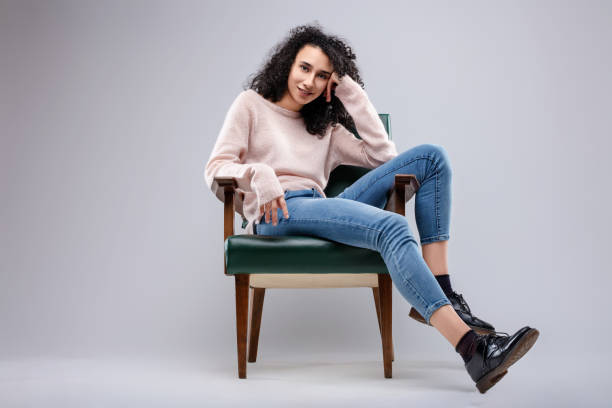
Runway is the part most people picture first. You walk designer collections and sell the brand with every step.
The height bar is strict: 5'9" to 6'0" for women, 6'0" to 6'3" for men. Your walk has to be clean, and you need to know what's showing each season. Worth knowing before you start: it's a short career. Most runway models begin around 17 and are done by 25.
Commercial and catalog modeling
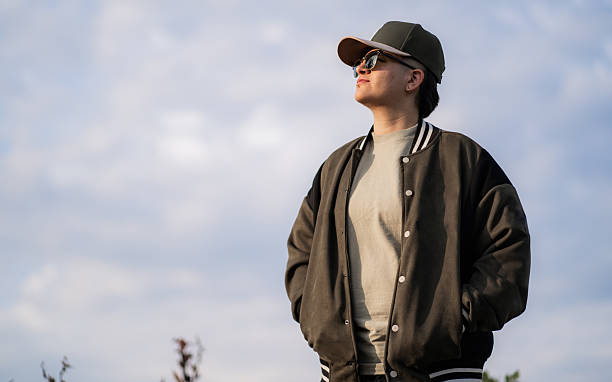
Commercial and catalog work is almost the opposite of runway. It's built around everyday products, so it takes a much wider range of body types, ages, and heights. Brands want people who look like real customers.
You'll see this work in lifestyle catalogs, medical brochures, and print ads. REI and L.L.Bean are good examples. Since it's about looking believable rather than flawless, your portfolio should show range. Acting experience helps, because a lot of it comes down to showing emotion on cue.
Plus-size and fitness modeling
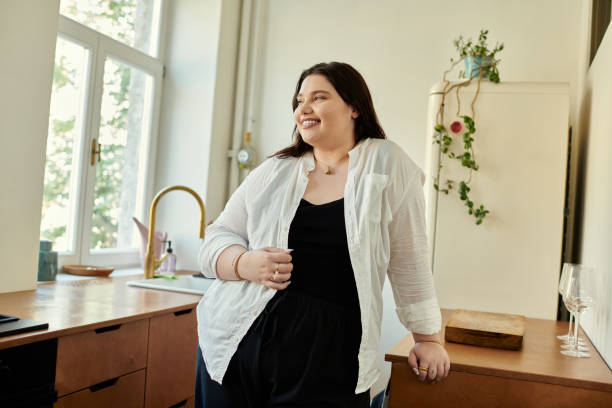
Both of these push back on a narrow idea of what a model looks like, just from different angles.
Plus-size modeling covers sizes 10 to 24 and lets brands reach a far bigger audience. As demand for relatable representation has grown, plus-size models now turn up in fashion, commercial, and editorial campaigns alike.
Fitness modeling runs on strength and wellness. These models usually promote athletic wear and health products, and the whole pitch is someone who clearly lives an active life.
Editorial and beauty modeling

Editorial and beauty both lean artistic, but they're chasing different things.
Editorial modeling tells a story through the image. It's the Vogue and Elle stuff, where the point is mood and the clothes as art, not selling a specific product.
Beauty modeling is closer in: cosmetics and skincare, carried by facial expression and makeup. Both mean working with photographers and stylists, but editorial is after impact while beauty has to move the product.
Child and mature modeling
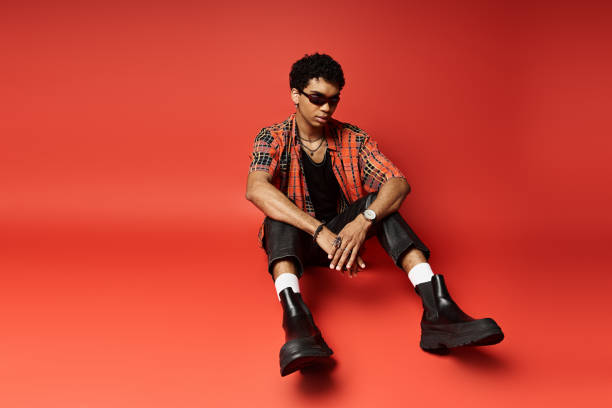
The two age ranges people tend to overlook.
With child models, the priorities are comfort and a natural expression, plus following the rules that protect kids on set. The work runs from fashion to commercial, all in age-appropriate settings.
Mature modeling has grown a lot lately. Brands now want older models for high-end campaigns and products aimed at older buyers. Turns out style doesn't expire at a certain birthday.
Client testimonials
At Maps Studio, we're proud of what our clients say about us. We've pulled together reviews from Google My Business and a few other platforms to show how we've helped aspiring models learn the techniques their careers depend on. The screenshots below give you the picture. For more, visit us at Maps Studio.
Frequently asked questions
What are the height requirements for lingerie modeling? There's no strict height rule. Most brands care more about confidence and how a model carries herself, so a wide range of heights and body types works fine.
How do I start a career in parts modeling? Maintain whichever body part you want to showcase, build a portfolio around it, and get in touch with photographers and agencies that handle this niche.
What is the role of a fit model? Fit models give feedback on how a garment fits and feels. Consistent measurements are basically the whole job, since designers rely on them to get sizing right, which is why these usually become long-term working relationships.
Are there age restrictions for promotional modeling? No strict limits, though many events require models to be at least 18. Check the requirements for the specific brand or event before you apply.
How can I improve my runway walk technique? Practice often, watch your posture, and hold a steady pace. Studying footage of top models helps you find your own style and build confidence.
Conclusion
So there's a lot more to fashion modeling than the runway: catalog work, plus-size, editorial, beauty, kids, older adults. Each one rewards something different, which is good news if you don't fit the single mold everyone assumes you need. If you've been thinking about it, there's probably a corner of this industry that fits you.
Visit Maps Studio for more on photography.
Note: We like sharing photography tips and industry notes to help you capture better moments. The services, styles, and gear mentioned here are for general info and may not match what we currently offer. For our latest services and portfolio, visit Maps Studio.

Member discussion