
What Should Parents Know About Desi Ghee for Kids' Skin?
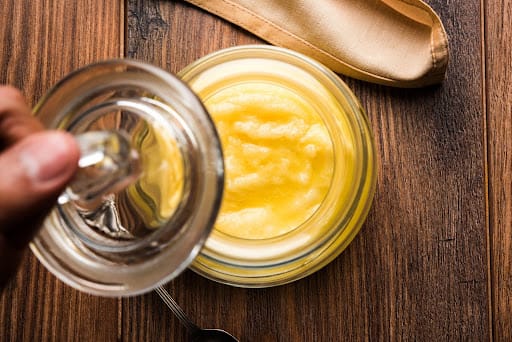
A2 Desi ghee can be a good addition to your kids' skincare routine. It has the nutrients and vitamins that nourish and hydrate delicate skin and help keep the skin barrier healthy. Its natural anti-inflammatory properties can calm redness and rashes, which makes it a fit for young skin. To use it, warm a small amount and gently massage it in. Want to know how to apply it well and what to watch for? Read on.
How A2 Desi Ghee Nourishes Your Child's Skin
When you're thinking about how to nourish your child's skin, A2 desi ghee is a natural option worth considering. This traditional remedy carries nutrients that support skin health.
The healthy saturated fats in ghee help with skin hydration, keeping it soft and supple. It also has the fat-soluble vitamins A, D, E, and K, which the skin needs for repair and growth.
A2 desi ghee can also help form a protective barrier against environmental irritants, which builds up the skin's resilience over time.
Key Skin Benefits of A2 Desi Ghee for Kids
A2 desi ghee has several benefits for your children's skin, which is one reason it's worth adding to their diet.
It's rich in the fat-soluble vitamins A, D, E, and K, which nourish and hydrate delicate skin. Those vitamins help with healthy skin cell regeneration, so the skin stays smooth. The healthy fats also support a strong skin barrier, which protects against dryness and irritation. And its natural anti-inflammatory properties can calm redness or rashes, giving sensitive skin some relief.
Worked into their meals, ghee adds flavor and supports skin health from the inside out.
Best Practices for Applying Ghee on Your Child's Skin
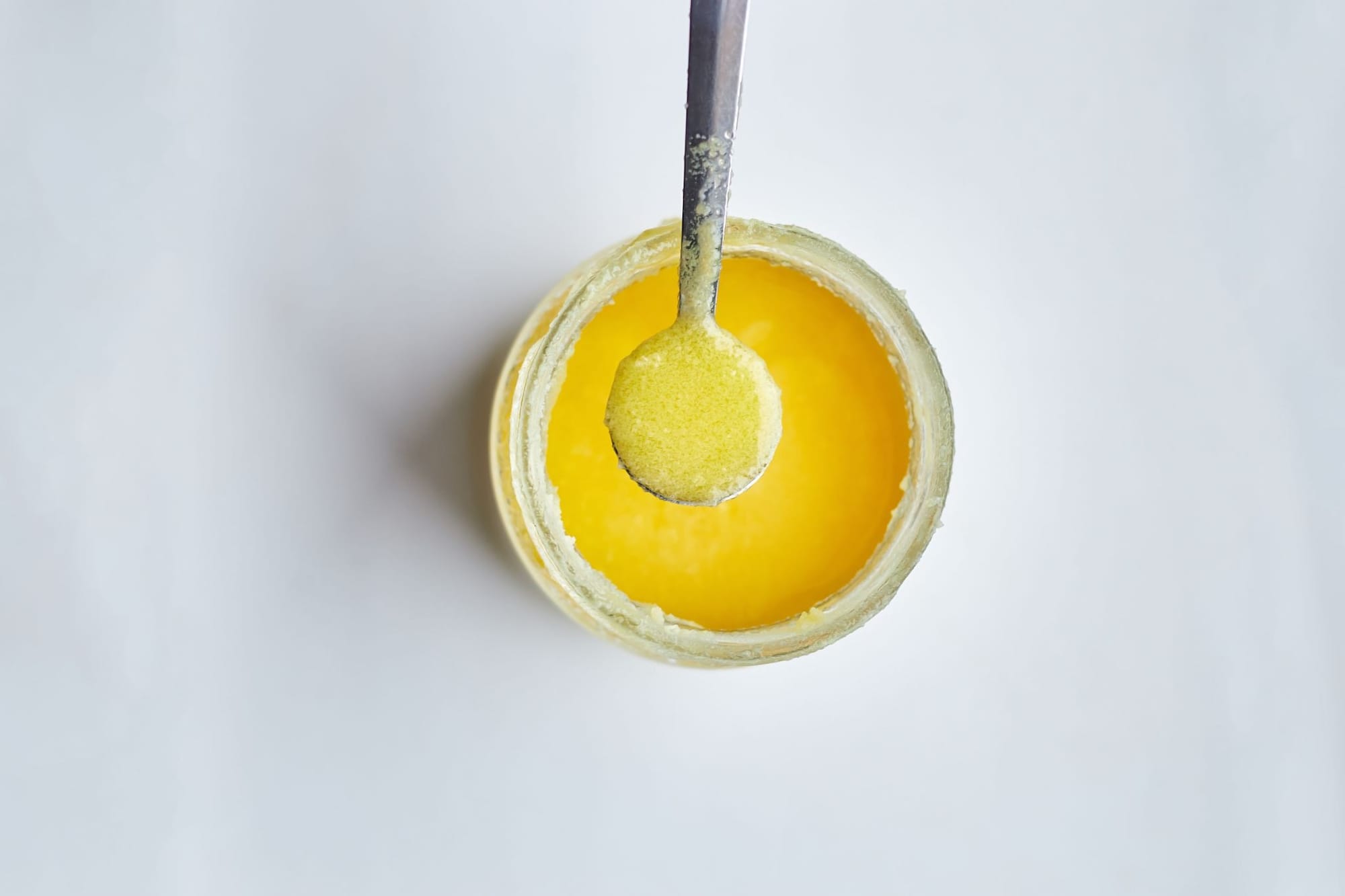
Ghee can do a lot for your children's skin, and applying it the right way makes the difference.
Start by warming a small amount of ghee in your hands until it's slightly melted. It absorbs better that way.
Then gently massage it into your child's skin, focusing on dry spots like elbows and knees. Applying it right after a bath, while the skin is still damp, helps lock in moisture.
Keep an eye out for any signs of irritation or an allergic reaction. Applied regularly, about two to three times a week, it can improve hydration and overall skin health.
What Parents Worry About When Using Ghee on Skin?
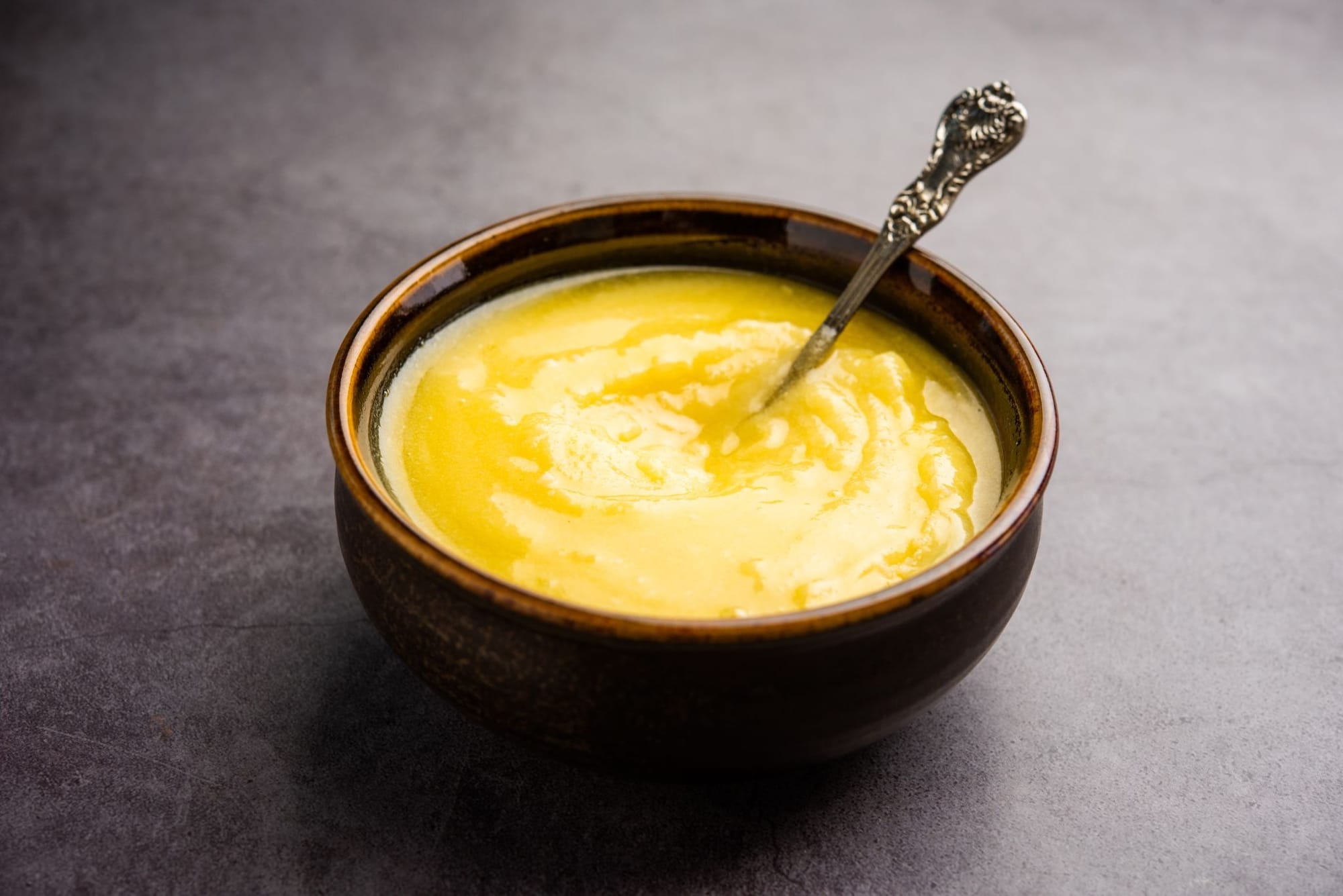
Plenty of parents like the idea of ghee for their children's skin, but a few worries come up. Allergies are a common one, though pure ghee is lactose- and casein-free, so true allergies are rare.
Another is whether ghee might cause excess weight gain. Used in moderation, it actually supports healthy weight without the processed sugars.
Some parents worry about clogged pores, especially with sensitive skin, but ghee's moisturizing quality helps keep skin from drying out.
And there's the question of quality. That one matters. Look for high-quality, traditionally prepared ghee for safety and effectiveness.
When to Talk to Your Pediatrician About Skin
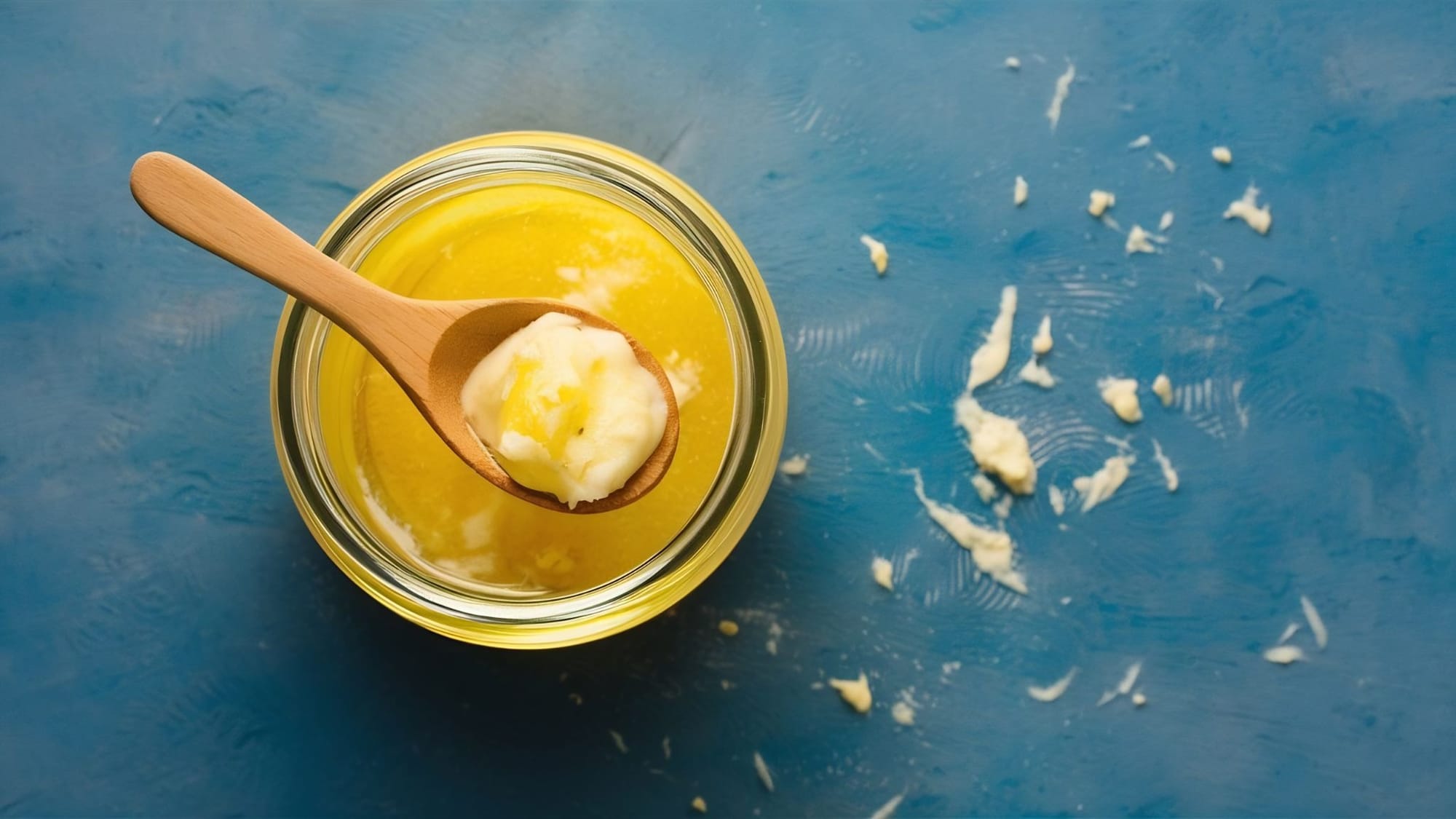
So when should you reach out to your pediatrician? If you notice dryness, redness, or irritation that won't go away, it's worth a professional's opinion.
Rashes or unusual bumps can point to allergies or infections, which a doctor should look at. If your child has a lot of itching or discomfort, don't wait to ask.
If you're unsure about using ghee or any new product, your pediatrician can point you toward safe practices. Regular check-ups also help track any underlying skin conditions. Staying informed and getting ahead of problems is the best way to keep your child comfortable.
See What Our Customers Think
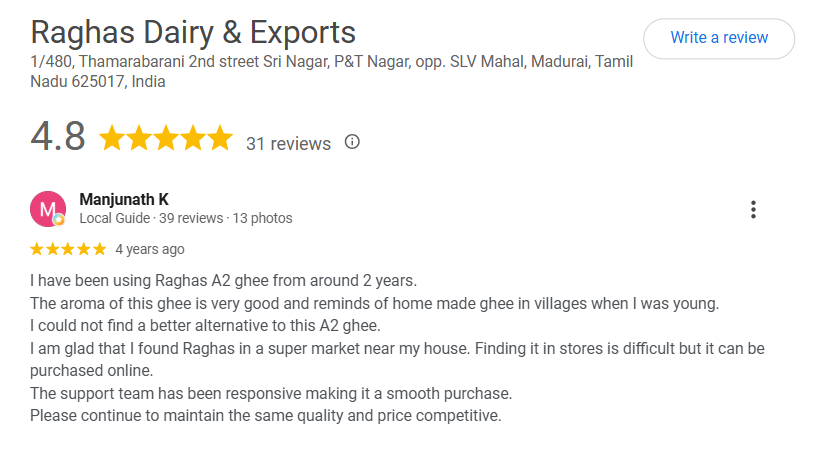
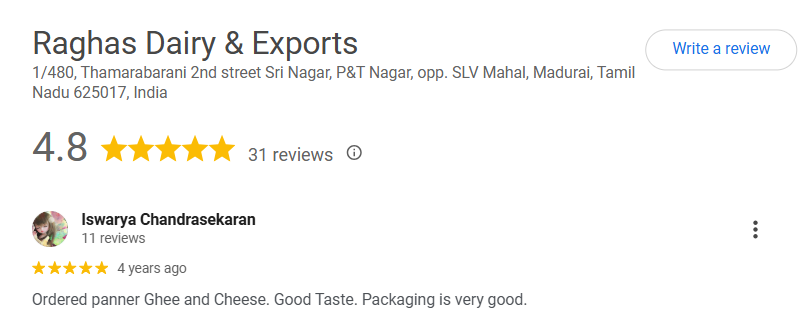
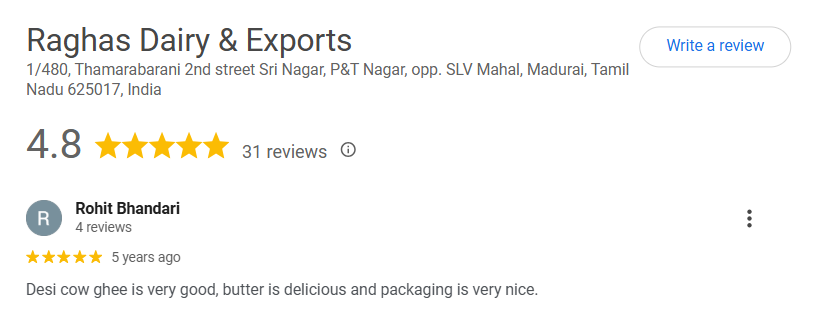
At Raghas A2 Desi Ghee, we care about what our customers tell us. We've collected reviews from platforms like Google My Business that speak to the differences between our organic A2 desi ghee and regular ghee. These reviews share honest opinions from families who value the quality and benefits of our product. Take a look at what they say and see why they choose us. For more details, visit Raghas A2 Desi Ghee.
Frequently Asked Questions
Can A2 desi ghee help with eczema in children? Yes. It moisturizes the skin, reduces inflammation, and helps with healing. Apply it gently to the affected areas for the best results.
Is A2 desi ghee safe for sensitive skin? Yes. Its natural properties make it safe for sensitive skin. It soothes irritation and moisturizes well, without harsh chemicals.
How often should I apply ghee on my child's skin? About 2-3 times a week for hydration and nourishment. It's gentle and effective, and it keeps skin soft without overwhelming it.
Can ghee be used as a moisturizer for dry skin? Yes. It's nourishing, helps retain moisture, and hydrates. Apply it gently to your child's skin for the best results.
Does A2 desi ghee cause any skin irritation? For most children, no. Its natural properties tend to soothe and nourish. Still, do a patch test first to make sure your little one doesn't react.
Conclusion
Working A2 desi ghee into your children's skincare routine can make a real difference. It soothes and hydrates delicate skin, and it's a natural alternative to commercial products. Understand the benefits and follow a few simple practices, and you can keep your little ones' skin healthy. It's a natural option worth trying, and a gentle way to care for their skin.
Member discussion