
Step-by-step guide for stunning portfolio shoots for aspiring models
Building a modeling portfolio starts with picking the type of modeling that suits your look and physique. From there it's finding a photographer whose style matches yours, and keeping yourself safe while you shoot. Good stylists make a bigger difference than most new models expect. Once the images are in hand, the work shifts to assembling the book and getting it in front of people. Here's how each stage works.
Choosing the right modeling type and personal stats

Start with an honest look at what you have. Your features and physique will point you toward some categories and away from others.
Think about your skills and where you want this to go. Commercial print and a more everyday, relatable look call for different books. Being honest with yourself here is what gets you realistic castings instead of wasted submissions.
Then put your stats together for your model profile: age, hair color, eye color, height, weight, body type, and anything distinctive like tattoos or birthmarks.
Clients use those numbers to decide whether you fit a job, so accuracy matters more than flattery. Get this part right and everything downstream is easier.
Selecting a photographer and ensuring safety

With your type settled and your stats written down, the next job is finding the right photographer.
Research people whose aesthetic matches what you want your book to look like. Working with a few different photographers over time also shows you can adapt across styles, which agencies notice.
Safety comes first at this stage. Book professional studios rather than private homes. Bring someone with you. Tell a friend where you'll be and when you expect to finish.
The PPA's Find a Photographer service is a good way to reach professionals you can trust, which makes for a better shoot on both counts.
Collaborating with stylists and preparing for the shoot
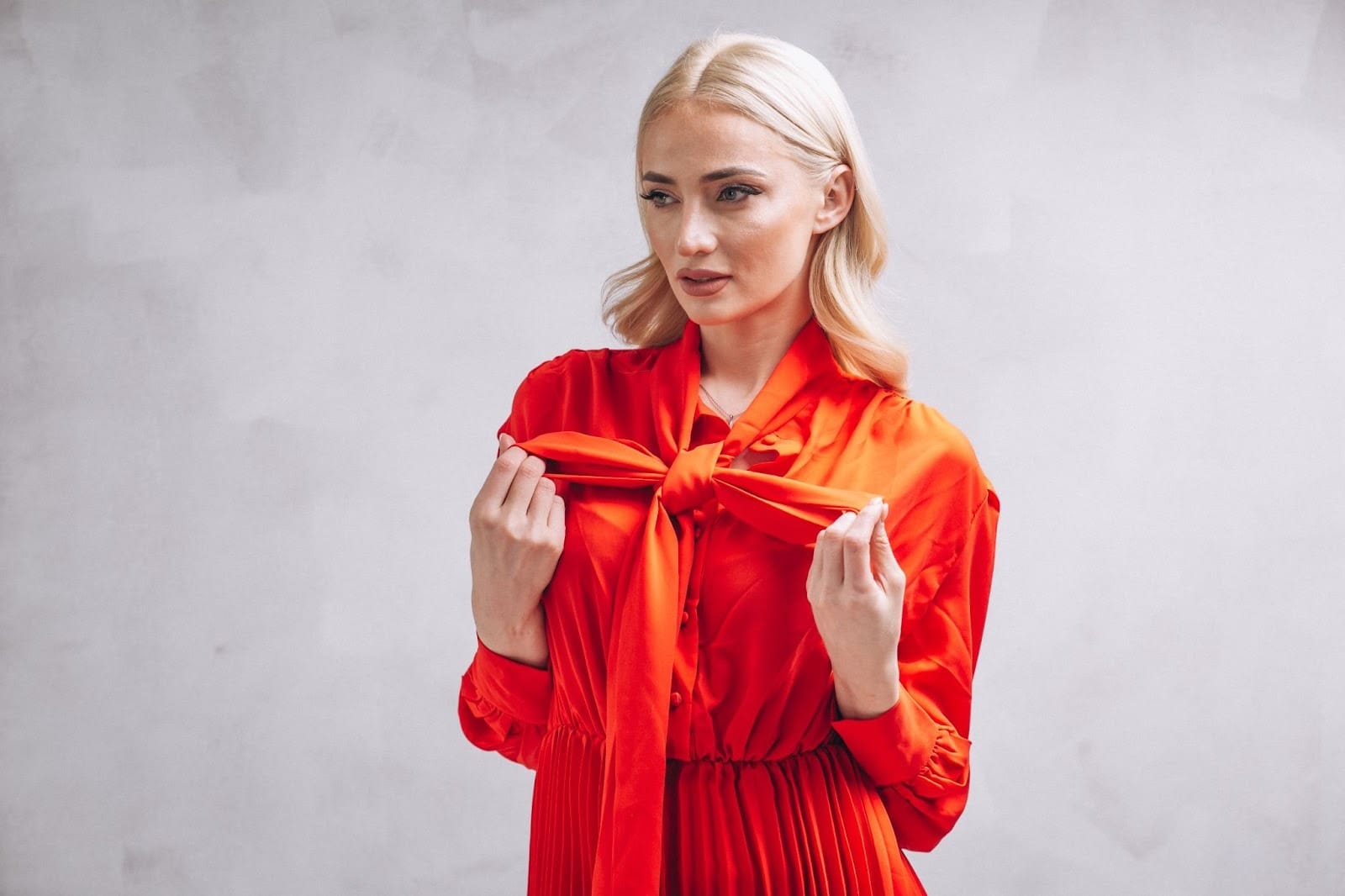
Hair and makeup shape the final images as much as the lighting does, so bring in experienced artists and make sure they understand what you're going for.
Recommendations help, whether from people you trust or from social media. If money is tight, local cosmetology schools are a genuinely good option.
Whoever you work with needs the concept clear before the day. Lock in the shoot date and coordinate hair, makeup, and wardrobe around it.
Write out a checklist of the shot types you need so nothing gets forgotten once the day gets busy. Beyond that, relax and enjoy it. A team that's working well together shows up in the pictures.
Building and promoting your portfolio
Choosing images is where the portfolio takes shape. Pick the ones that show your range and the qualities that make you distinctive.
A professionally printed photo book is worth having, and so is a website where your work and credits live in one place.
Composite cards, also called Zed cards, condense your key images and contact details into something you can hand out easily.
Social media does the rest, putting the work in front of audiences and connecting you with people in the industry.
Structuring your portfolio for maximum impact
Having good images is one thing. How you arrange them decides what people take away.
Start from your modeling type and build the book around your strengths so the focus is obvious. Book a professional photoshoot with a qualified photographer, and bring a shot list so you come away with what you actually need.
Show range through a mix of styles and angles rather than variations on one pose.
Keep it to 10 to 20 of your best shots. Every one should be strong enough to earn its place.
Finish with a clean layout that lets your personality through, and include the practical details: measurements and contact information.
What clients are saying about Maps Studio
These reviews come from clients who have worked with Maps Studio on their modeling photoshoots. Parents describe how much their kids enjoyed the day and how the photos turned out. We want every shoot to be fun and memorable, with everyone relaxed and looking forward to it. Read what people have said and see why they keep coming back to Maps Studio. For more details, visit Maps Studio.
Frequently asked questions
How can I handle rejection in the modeling industry?
Rejection is hard, and it's also part of the job. Treat it as information: learn from the feedback, keep going, and let the persistence do its work over time.
What should I wear to a casting call?
Simple, well-fitted clothes that look like you. Mixing basics with one statement piece shows range and keeps you comfortable enough to be confident.
How do I maintain a healthy lifestyle as a model?
Eat properly, exercise regularly, and look after your mental health. Listen to your body, drink water, and keep people around you in this industry who actually have your back.
What are the common misconceptions about modeling?
The big one is that it's all glamour and no work. It takes dedication, resilience, and real attention to self-care, and the sooner that stereotype goes the better.
How can I network effectively in the modeling industry?
Show up to events, stay active on social media, collaborate where you can, and build relationships that are genuine rather than transactional. Share your work and support the people doing the same.
Conclusion
A strong portfolio takes planning and a good team behind it. The modeling type, the photographer, and the stylist all shape what ends up in the book and how well it shows your range. Promote it properly and structure it with intent, and it will do its job. Follow these steps and you'll make the kind of impression this industry remembers.
Visit Mapsstudio for more information about photography.
Note: We enjoy sharing creative inspiration, photography tips, and industry insights to help you capture life's best moments. The services, styles, and equipment mentioned in our articles are for informational purposes only and may not reflect our current offerings. For the latest on our photography services and portfolio, visit Maps studio.



Member discussion