
7 key trends in female modeling today
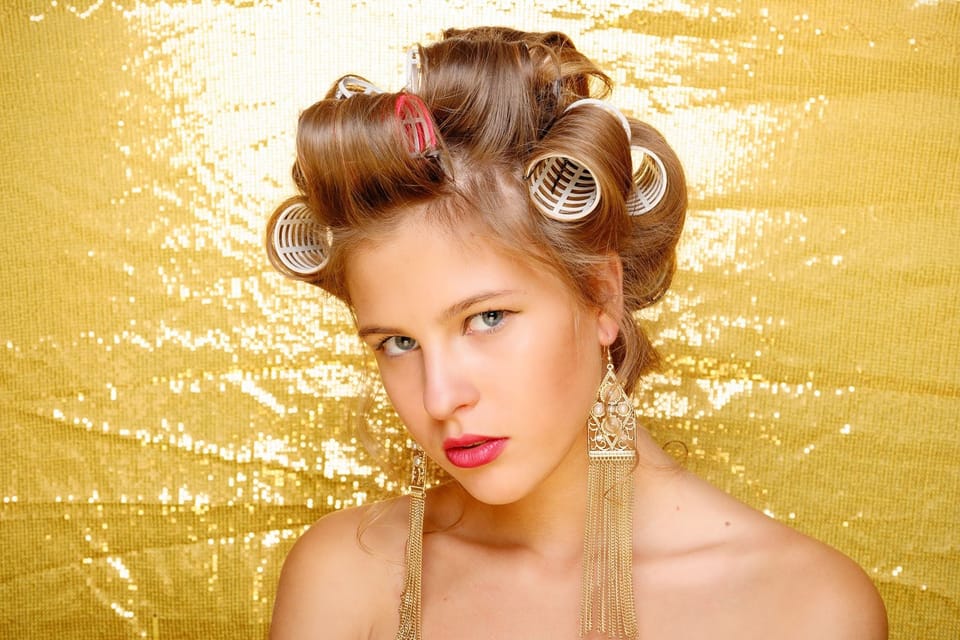
Female modeling looks pretty different than it did a few years ago. Models connect with their audiences directly now, body positivity is mainstream, and sustainability has gone from a nice-to-have to something brands build campaigns around. Here's a closer look at what's driving all of it.
Empowerment and diversity in female fashion modeling
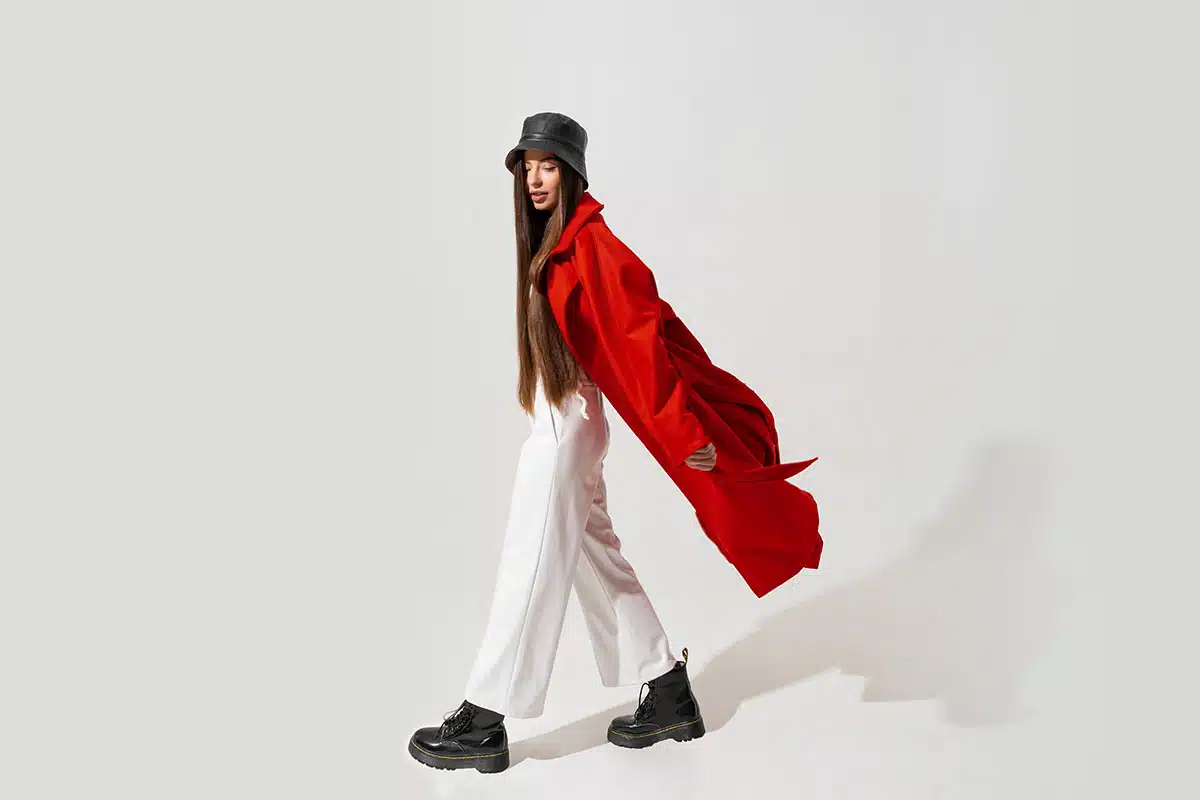
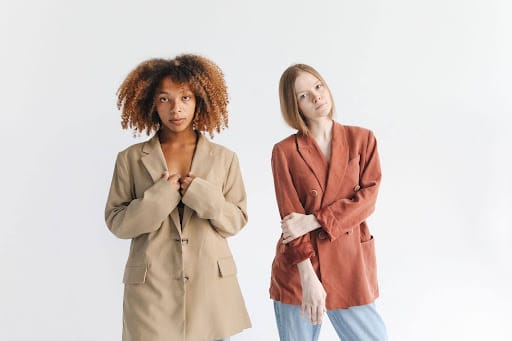
Walk through female fashion modeling today and one thing jumps out: the old beauty rules are breaking down. You see models of different body types, ethnicities, and ages getting real work, not just token spots.
Ashley Graham is a good example she's made body positivity feel normal rather than exceptional, and proven beauty was never one-size-fits-all. Brands have caught on. Savage x Fenty puts models of all shapes and sizes front and center, and it clearly lands with people who want something real instead of airbrushed. Fashion weeks are booking more diverse talent too, giving a platform to voices that used to get left out. It's changed the runways, and it's opened the door for a lot more people to see modeling as something they could actually do.
Breaking stereotypes in the fashion industry
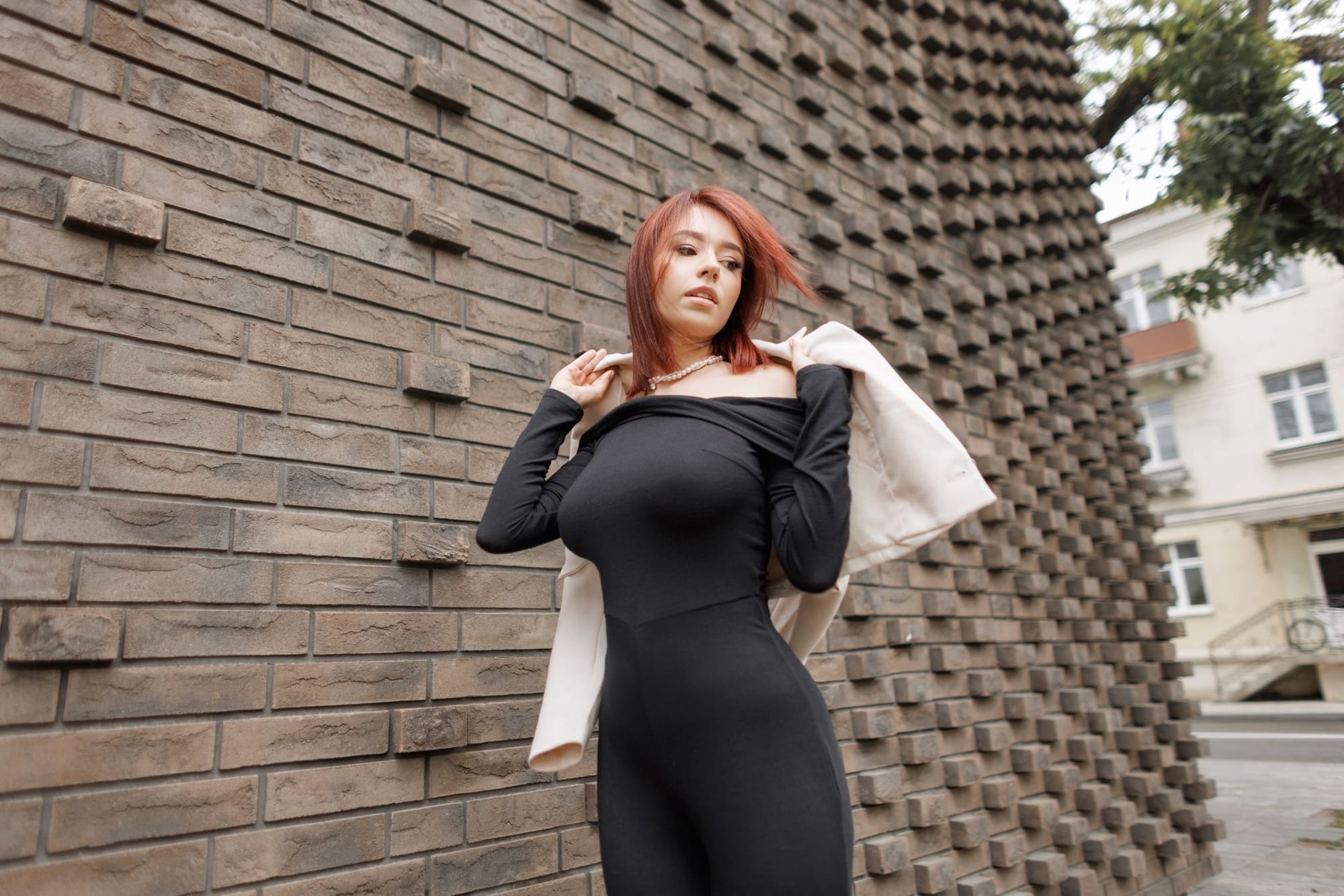
That push for diversity doesn't stop at who gets booked. Female models are pushing back on old beauty norms and bringing more variety in body types, ethnicities, and ages onto the runway.
Ashley Graham, again, is part of this she and others use their platforms to speak on real issues, from climate change to gender equality. That's turned modeling into something more than posing for clothes; it's become a place where models actually say something. As the industry celebrates unique looks and distinctive features, the job asks for more too emotional expression and technical skill both matter. Bit by bit, the stereotypes are falling away and the industry is starting to look like the society around it.
Evolution and challenges in the fashion industry
For all the progress, it's worth being honest about what female models still deal with. The industry is changing, but some problems have stuck around:
- Unrealistic beauty standards still weigh on models and chip away at their confidence.
- Gender discrimination hasn't gone away - women are still underrepresented in the rooms where decisions get made.
- Modeling is fiercely competitive, so you're constantly having to adapt and reinvent.
- Balancing your public image against who you actually are can get overwhelming.
None of this cancels out the good changes. It just means models need real support to get through it, and the industry needs to keep building spaces where they can.
The impact of digital media on fashion modeling

Digital media changed the whole game. It rewired how models reach audiences and brands.
On Instagram and TikTok, models share their own journeys and show off their style without waiting for an agency to open a door. That's what created influencer marketing, and it's given models more income streams and a lot more creative control. There's a catch, though. Keeping up a polished online presence is a grind, and it can take a toll on your mental health. Still, the upside is real - it's an easy way to spotlight trends like elevated minimalism and gender-fluid styles and keep your work feeling like your own.
Sustainability-driven campaigns in modeling
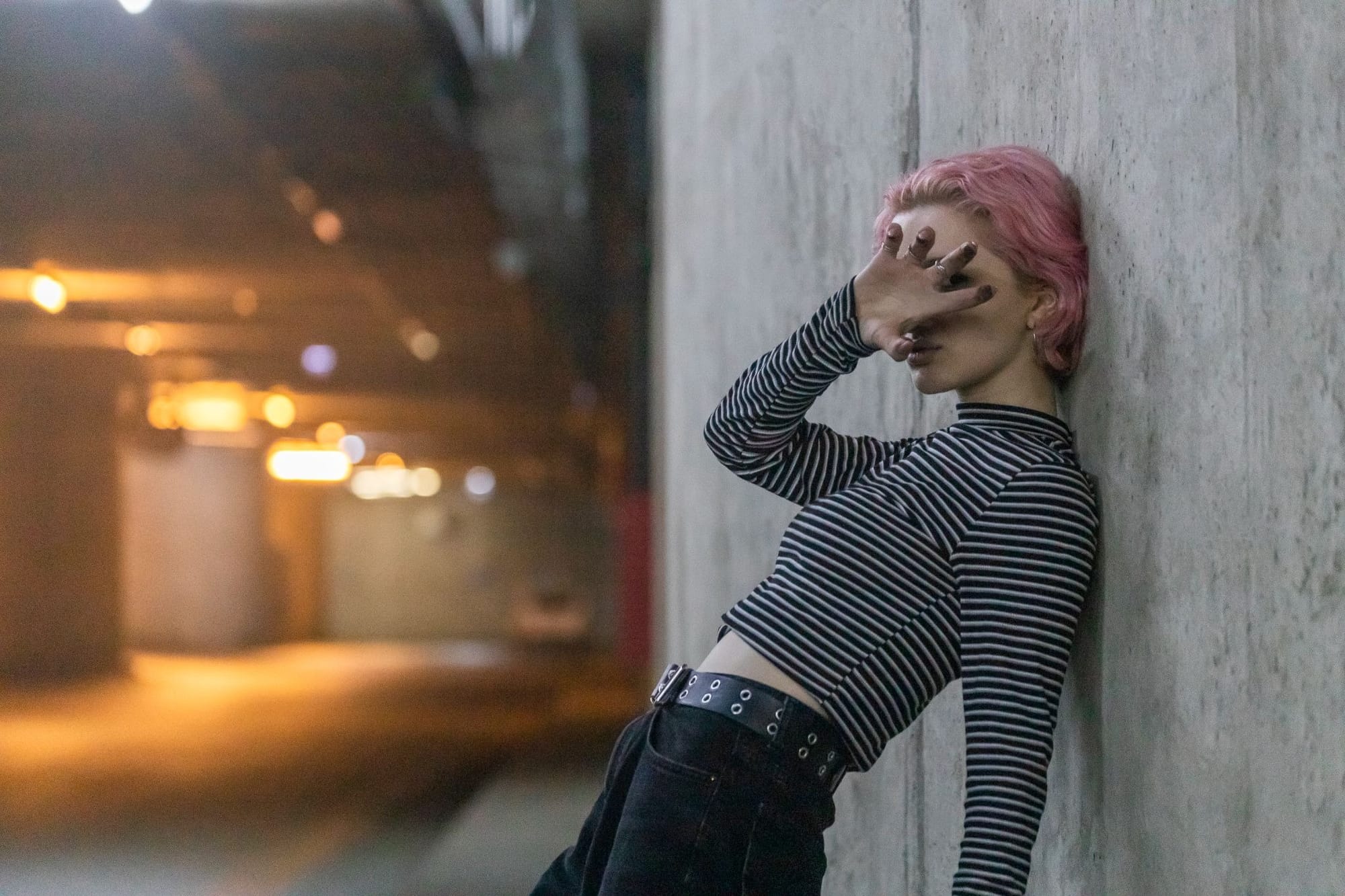
Sustainability isn't a side note anymore modeling campaigns increasingly reflect the eco-conscious values people care about. More brands are leaning into practices that match what their customers believe in. A few of the big ones:
- Ethical sourcing - brands are getting their materials responsibly and cutting their environmental impact.
- Circular fashion - campaigns push recycling and upcycling, and get people thinking about a garment's whole life cycle.
- Organic fabrics - more labels are using organic materials that are better for the planet and gentler on your skin.
- Eco-conscious models - models get picked not only for their look but for how well they fit the sustainability message.
Seasonal and regional shifts in fashion trends

Fashion never sits still - the seasons and where you are both move it. Heading into Summer 2025, strapless dresses and one-shoulder tops are having a moment, part of a shift toward bolder silhouettes.
At the same time, India, Japan, and South Korea are turning into real fashion hubs, and brands are adjusting to suit local taste. Economic shifts matter too; China's slowdown, for instance, changes how brands handle casting and production. All of it pushes the industry toward more variety in modeling, with different styles for different audiences. Keep an eye on these seasonal and regional moves and you'll have a much better read on where things are going.
Networking and professional development for models

Reading those seasonal and regional shifts keeps you current, but it also points to something just as important: who you know and how you grow. If you want to last in this industry, focus on a few things:
- Build relationships - treat everyone you meet well. You never know which connection matters.
- Show up - get to fashion weeks and industry events. That's where your network grows.
- Keep improving - work on your craft, from your runway walk to matching your expression to a collection.
- Build a strong portfolio - put real time into a professional book that shows your range and what makes you you.
What clients are saying about USA Models Photography
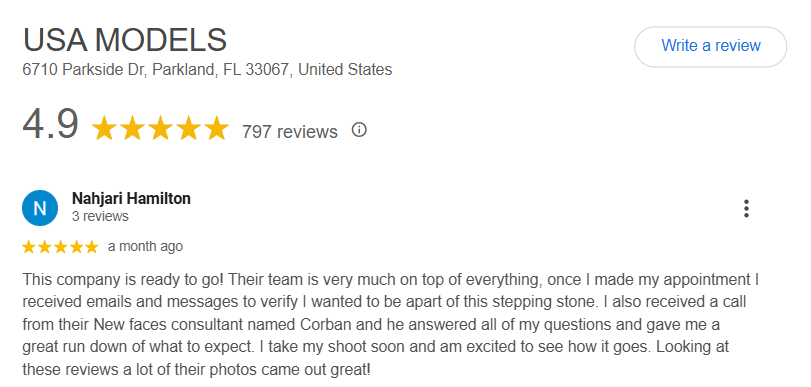
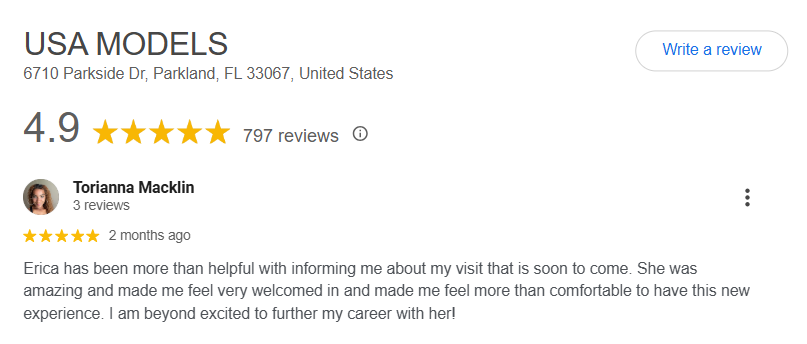
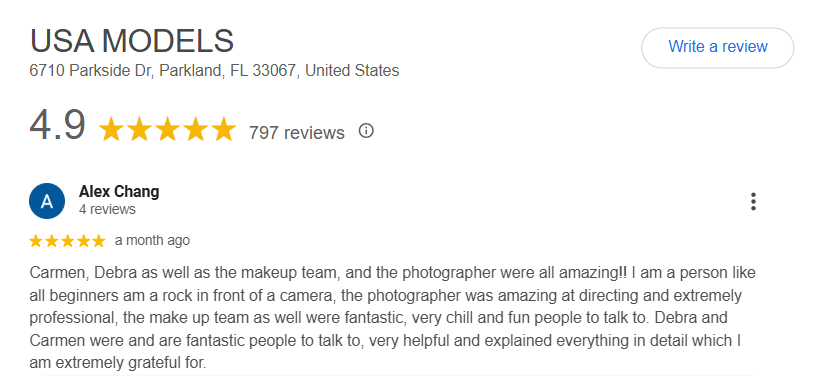
We love hearing from our clients at USA Models Photography. Creating a positive space for female models is the whole point, and the reviews tell us whether we're pulling it off. In the screenshots below you'll find real feedback from parents and models about their experience with us. We read all of it and keep working to do better. To learn more, visit USA Models Photography.
Frequently asked questions
How can I start a career in fashion modeling? Research the brands you want to work with, practice your walk, and put together a versatile portfolio. Network at industry events and stay professional - that's what gets you noticed.
What are the typical earnings for female models? It ranges a lot depending on experience, market, and the type of modeling. Plenty of jobs pay in the hundreds to thousands, and top models earn far more.
What should I include in my modeling portfolio? Clear headshots, versatile full-body shots, and a few editorial images. Quality beats quantity here, so lead with your strengths.
How do I prepare for a modeling audition? Research the brand, practice your walk, and show up early with a professional portfolio. Dress the part and keep a good attitude - it goes further than people think.
What are the most common modeling agencies to consider? Look at the big names like Elite, IMG, and Ford. Each has its own opportunities, so compare their rosters and find the one that fits your style and goals.
Conclusion
Female modeling is being reshaped by empowerment, diversity, and sustainability, and mostly for the better. These trends are rewriting the beauty rules and building a more inclusive, more responsible industry. The work now is to keep backing those values, look out for each other, and give the next wave of models a better industry to step into.
Note: We enjoy sharing photography tips and industry insight to help you capture life's best moments. That said, the services, styles, and equipment mentioned here are for general information and may not match what we currently offer. For our latest services and portfolio, visit USA Models. Let's create something you'll want to keep.
Member discussion