
What is commercial modeling and how to get started?
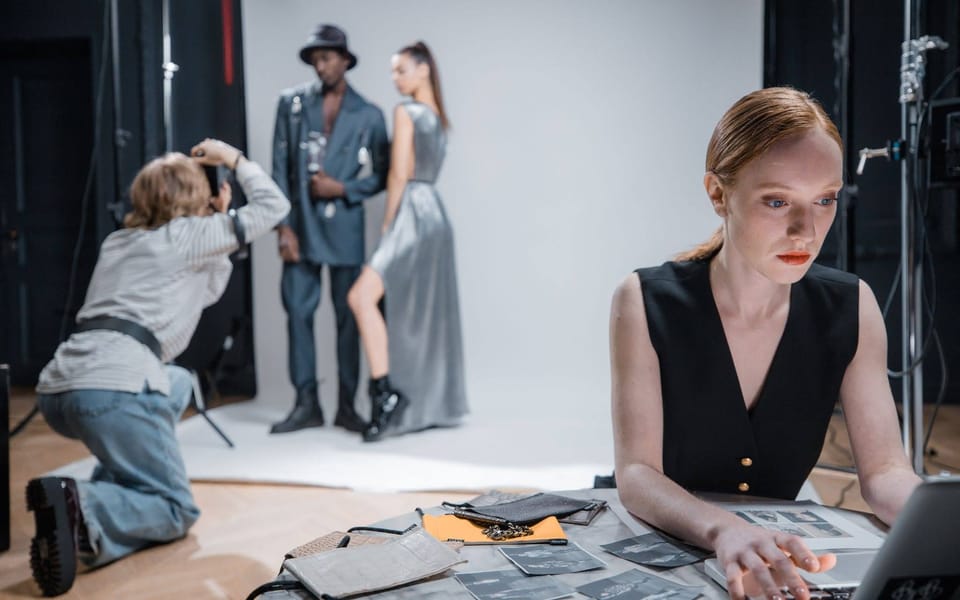
Commercial modeling is for real people all ages, shapes, and sizes which makes it a lot more relatable than fashion modeling. Getting started comes down to a few things: figure out your modeling type, put together a solid portfolio, and practice poses that show off your personality. Networking and getting signed with an agency open up more work and better pay. It's a genuinely rewarding path, and it connects you with a much wider audience. Here's how to get going.
Understanding commercial modeling
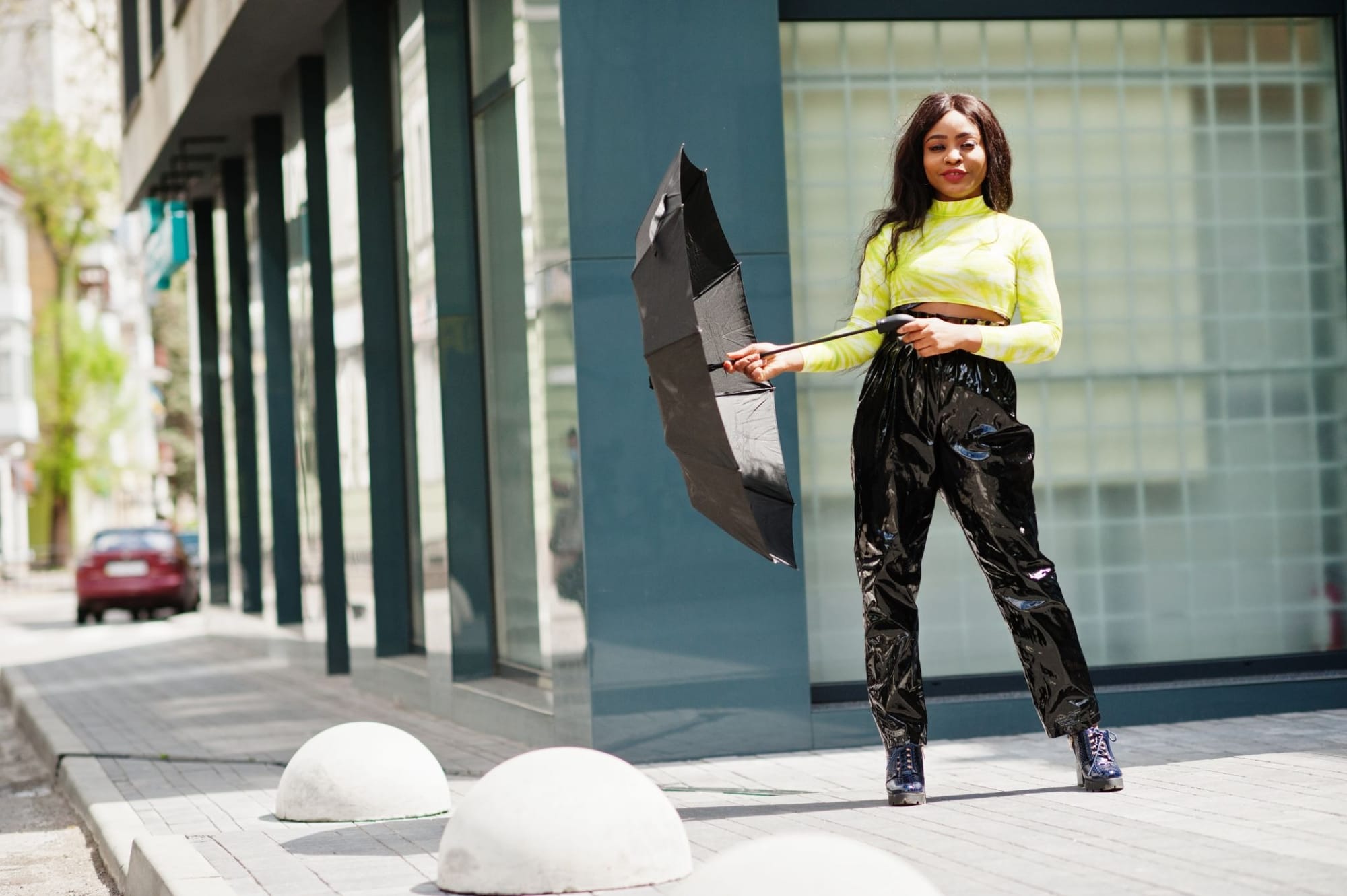
If you want into this industry, it helps to know what makes it different. Fashion modeling usually comes with strict height and weight rules. Commercial modeling doesn't. It's built around a variety of models who look like the average person, across different ages, body types, and looks.
That's the whole point: this side of the business actually wants diversity. A specific hair color or a genuine smile can be exactly what a brand is looking for. As Joe Thompson has pointed out, commercial print is far more inclusive than fashion. And that range is what lets these models connect everyday products and services to a broader audience.
Key requirements for aspiring models

So what do you actually need to get into commercial modeling? A few things.
There are no strict height or body type rules, which is a big part of what makes it open to so many people. It helps to build some basic acting skills, since a lot of the work is about getting a product's message across on camera. Keep an eye on where the industry's headed so you stay relevant. And you'll want a professional portfolio that shows range - different looks, different settings.
Getting signed with a good agency can really move things along and plug you into the right networks. Beyond that, it comes down to staying motivated and putting yourself out there. Cover these basics and you've got a foundation to build on.
Differences between fashion and commercial modeling
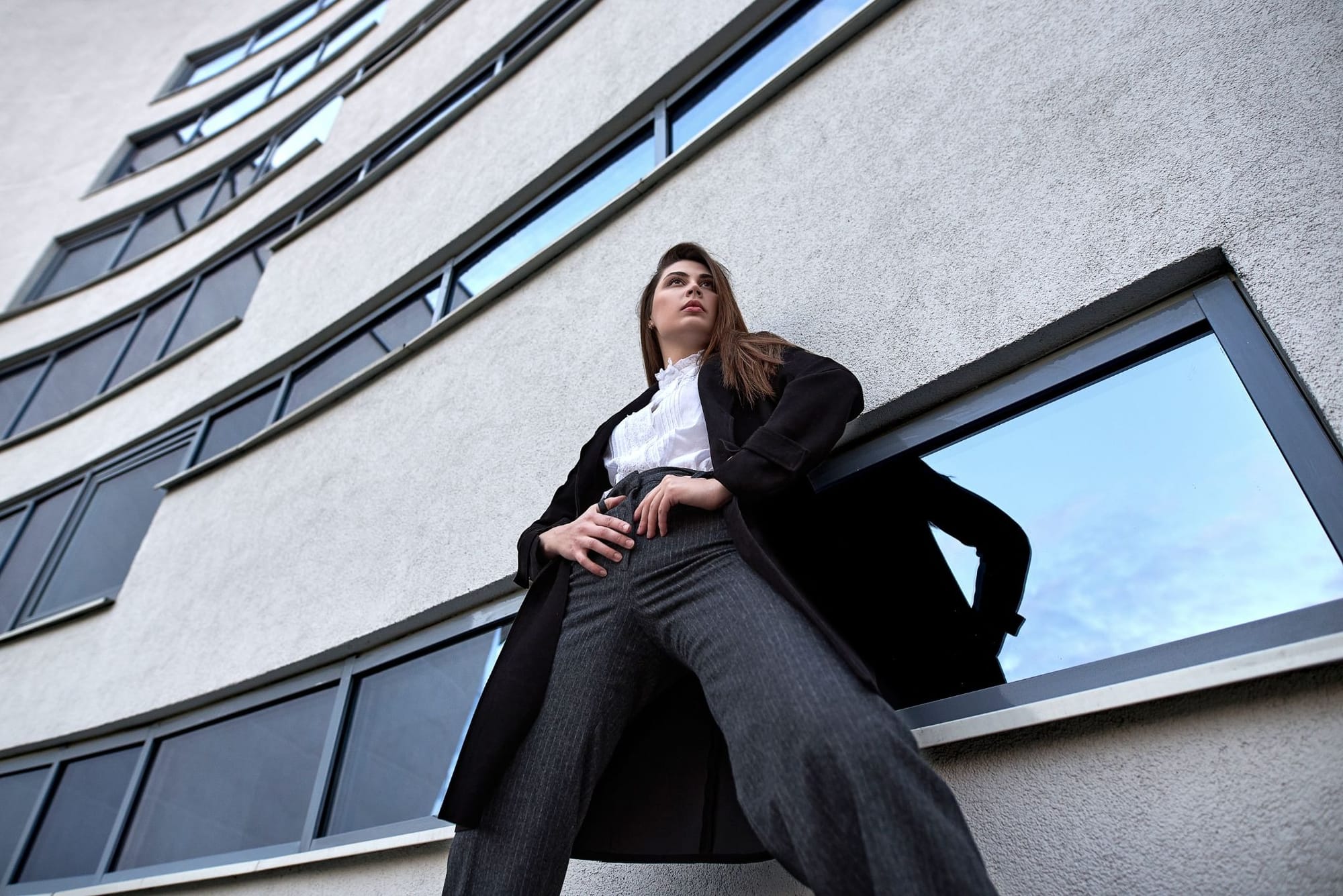
Fashion and commercial modeling both matter, but they're chasing different things.
Fashion modeling is aimed at high-end brands, and it comes with specific body and height requirements usually models aged 18-35. Commercial modeling is far more open: a wider range of ages, sizes, and looks, with relatability mattering more than a narrow idea of attractiveness.
Commercial models can be any height, and there's a lot more flexibility in appearance. The work also shows up in more places, from magazine spreads to online ads, and it's usually about mass-market products. So while both live in the same world, they're really pulling in different directions.
Steps to begin your commercial modeling career

Ready to start? A few practical steps set you up.
First, figure out your modeling type fitness, plus-size, whatever fits you. Then practice your poses and expressions so you know your best angles and feel comfortable on camera. Build a strong portfolio with professional headshots and a variety of looks that show your range. Use social media too set up proper professional profiles and use relevant hashtags so people can find you. And get out to casting calls and meet people in the industry. That's where the real opportunities and advice tend to come from.
The importance of agency representation
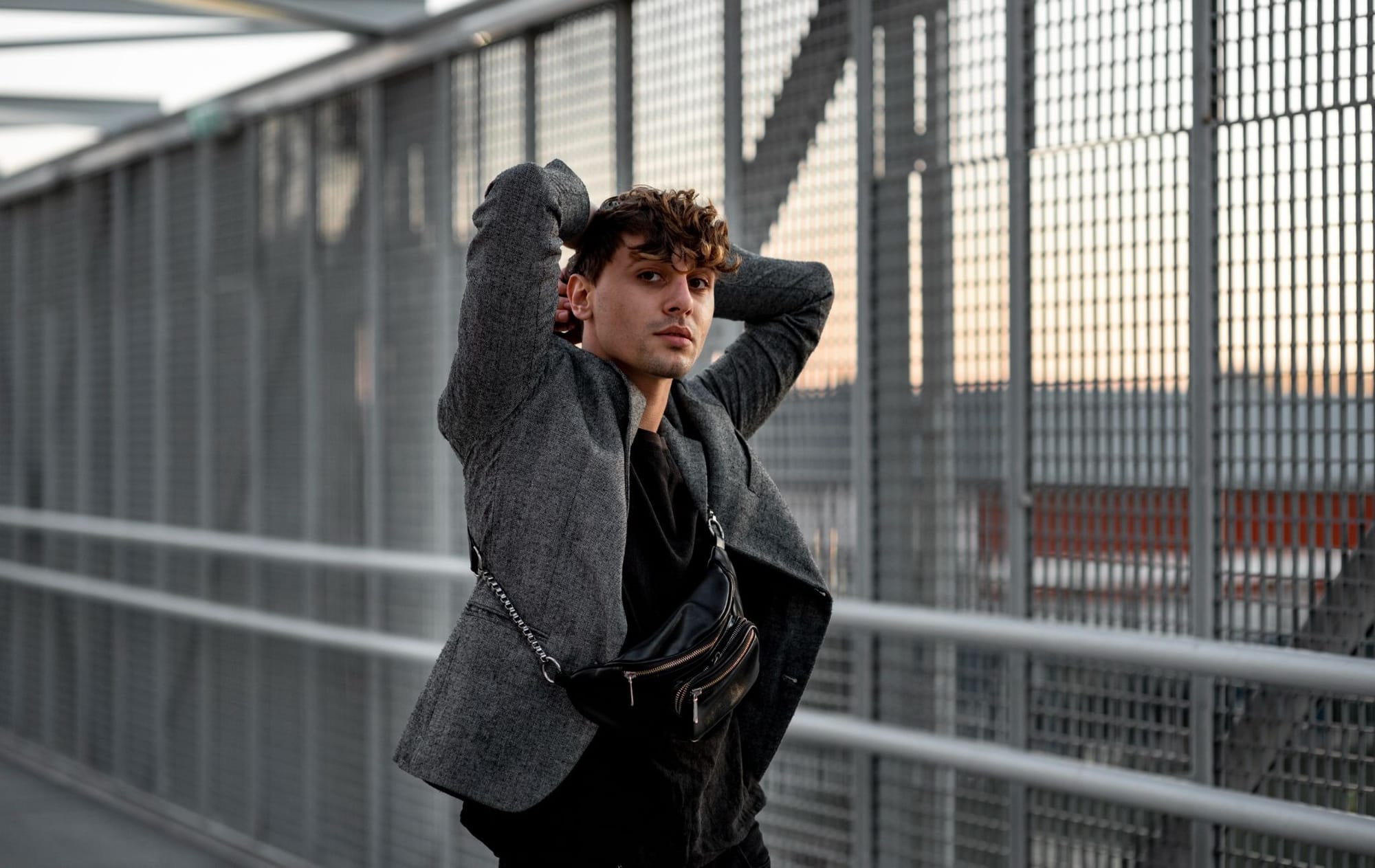
Signing with an agency can make a big difference. They connect you with brands looking for relatable models, and they open doors you'd struggle to reach on your own. Agencies want authenticity, so lead with genuine expressions that actually land with viewers.
They also know the business side. A good agency helps you through contract negotiations so you get paid fairly for your work. And being around other models is its own kind of networking - one connection often leads to the next.
What clients are saying about Studio1 Photography
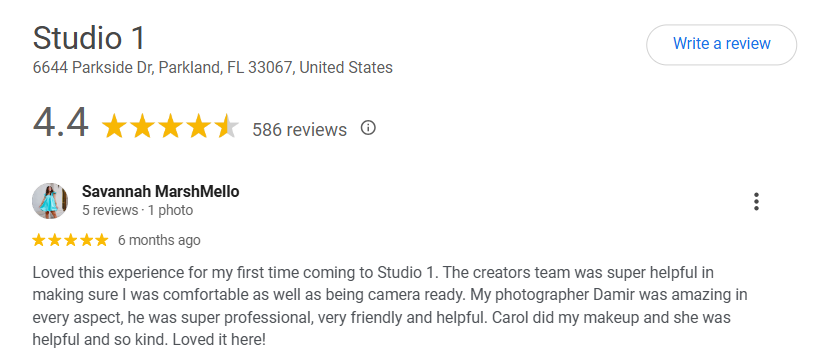
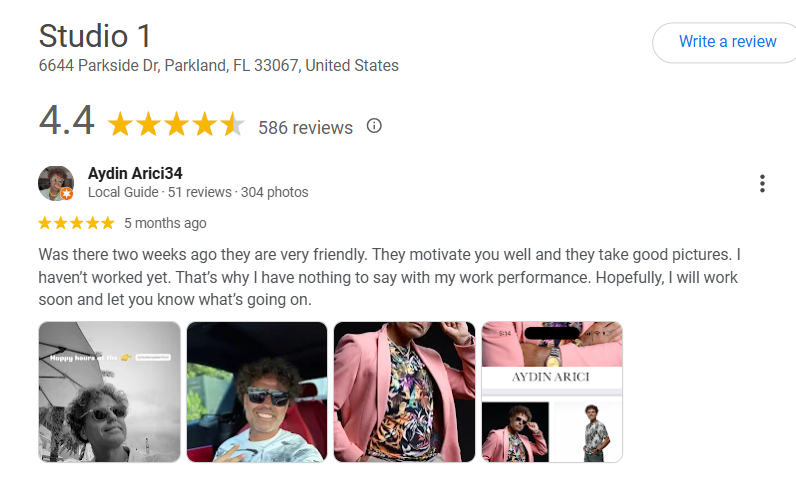
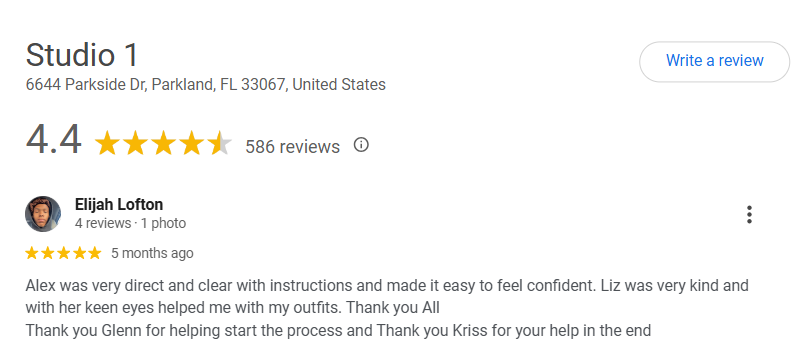
That's the rundown on commercial modeling. Before you go, here's some feedback from people who've worked with us at Studio1 Photography. Below you'll find screenshots of reviews from platforms like Google My Business. They give a sense of the experiences our clients have had and how we've helped them along in their modeling careers. Have a look. For more, visit Studio1 Photography.
Frequently asked questions
What types of jobs can commercial models expect to find? Plenty of variety - magazine spreads, online ads, TV commercials, and promotional events. Each one leans on your specific look to make a product feel relatable and reachable.
How important is social media for commercial models? Very. It shows off your look, connects you with potential clients, and widens your reach. Stay active on it and you'll open up more opportunities.
Are there age restrictions for starting a modeling career? No strict ones. You can start at all sorts of ages it's really about finding the opportunities that suit your look and background.
What should I wear to casting calls? Fitted clothing that shows your shape, and keep the accessories minimal. Go with natural makeup so casting directors see the real you.
How do I handle rejection in the modeling industry? It's tough, but it comes with the territory. Stay positive, take whatever feedback you can from it, and keep going. Every "no" gets you a little closer to the right "yes."
Conclusion
Commercial modeling is a great fit if you want to represent a wide range of products and the kind of people who actually buy them. Understand how the industry works, prepare properly, and you can step into it with confidence. A strong portfolio and the right agency are the two things that matter most early on. With a bit of persistence, you can build a real career here - one that looks like you.
Visit Studio 1 Photography for more information.
Note: We enjoy sharing photography tips and industry insight to help you capture life's best moments. That said, the services, styles, and equipment mentioned here are for general information and may not match what we currently offer. For our latest services and portfolio, visit Studio-1.us. Let's create something you'll want to keep.

Member discussion