
7 essential modeling tips for beginners

Starting out in modeling means working out which kind suits you first. From there it's a portfolio with photos that actually look like you, and posing technique good enough to make an image work. Clear, professional communication with agencies builds trust, and networking is where the opportunities come from. Verify every opportunity before committing, because safety comes first. And take the feedback when it comes, since that's what improves your craft. Here are all seven.
Discover different types of modeling to find your fit
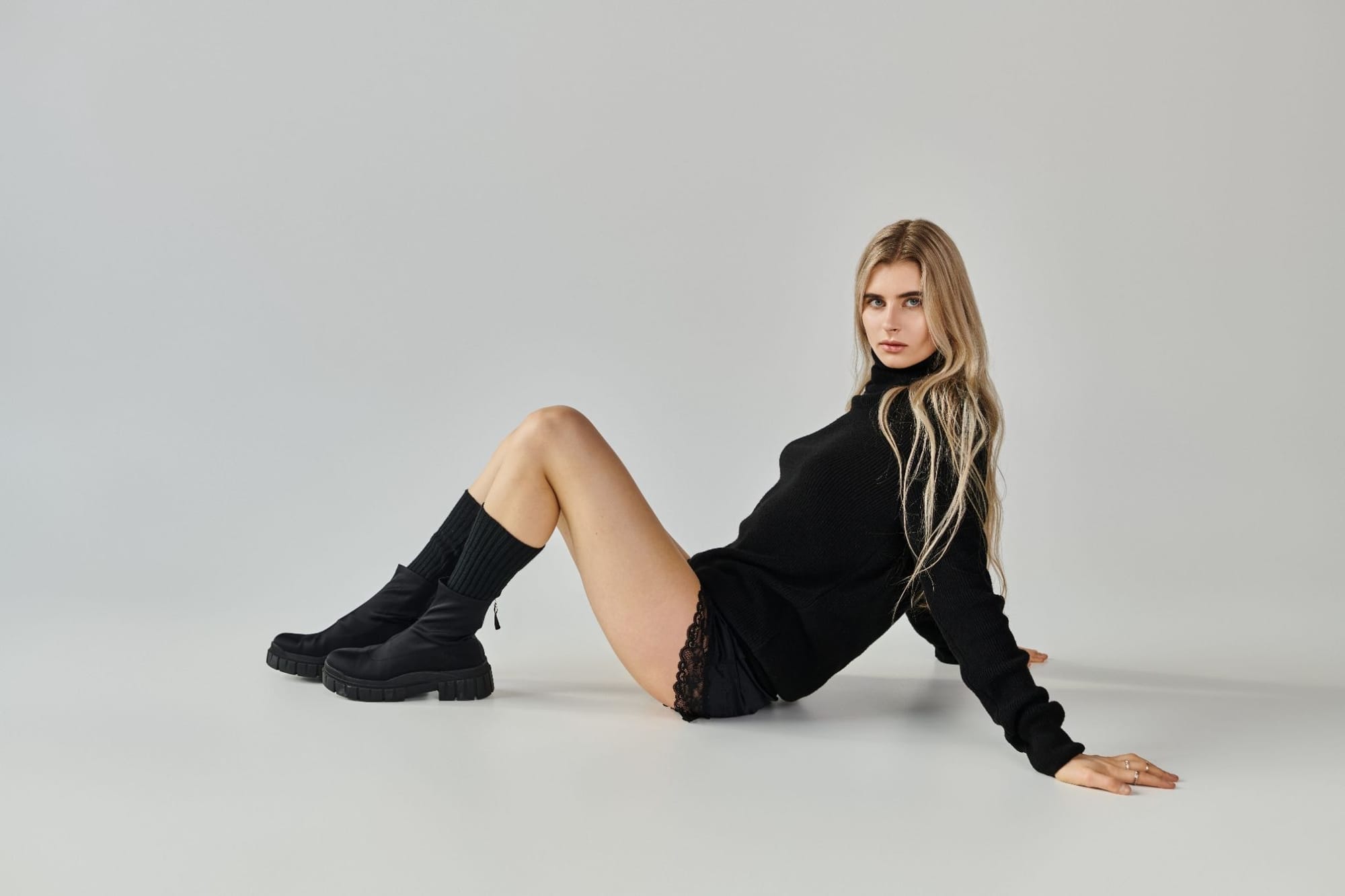
There's more range in this industry than most beginners realize, from high-fashion runways to e-commerce campaigns, and there's a niche for almost everyone.
Be honest about your look, your personality, and what actually interests you.
If you're comfortable in front of a camera, commercial modeling may suit you. If the energy of a fashion show appeals more, runway is worth pursuing.
Knowing the different paths lets you shape your approach and apply for the work that plays to your strengths rather than against them.
Create a winning portfolio with must-have photos
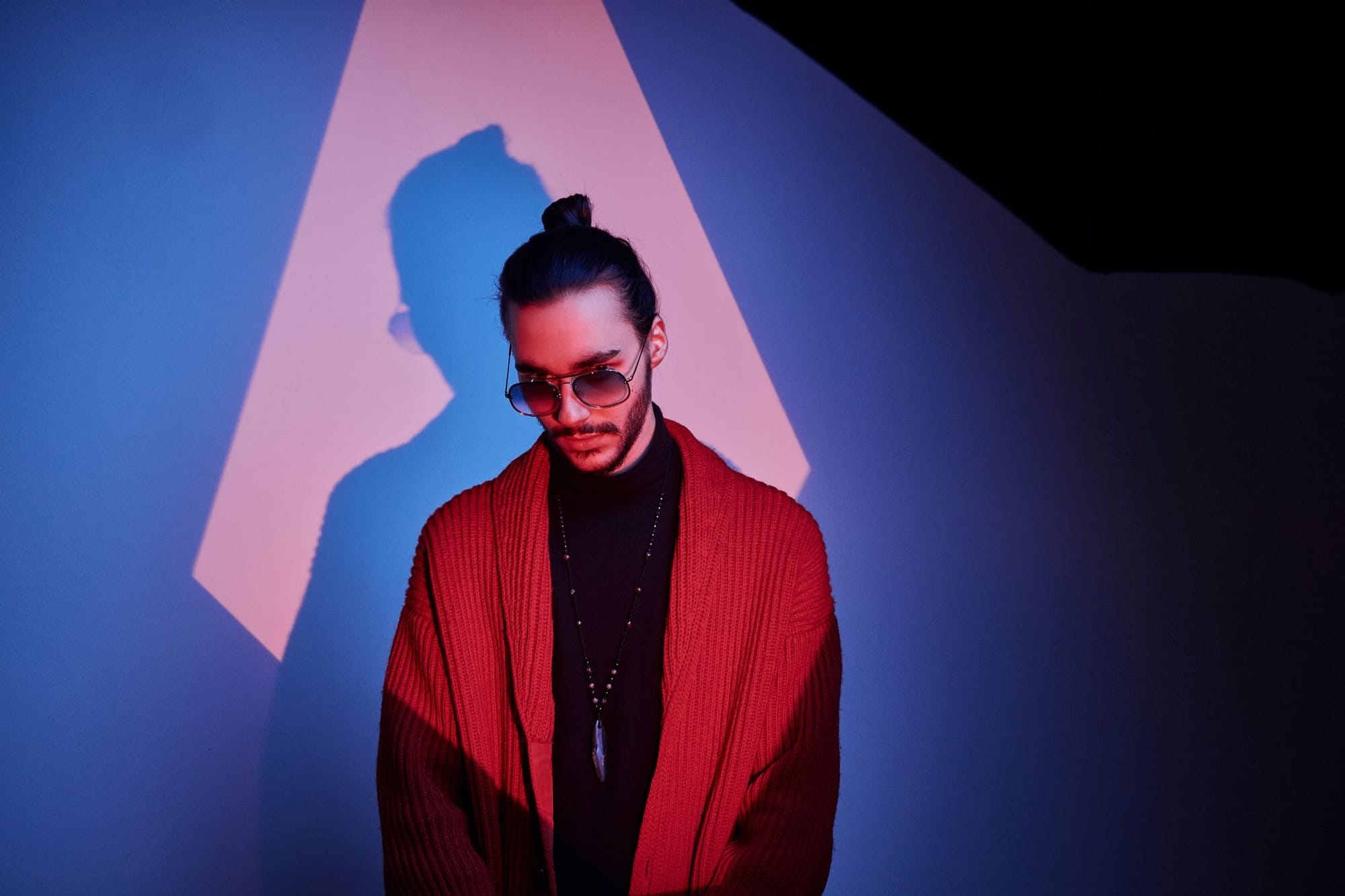
A portfolio works when the photos look like you rather than like a trend.
Aim for timeless styles, modern minimalism and soft neutrals among them. Clean lines and a coherent concept in every shot, with the mood matching your look.
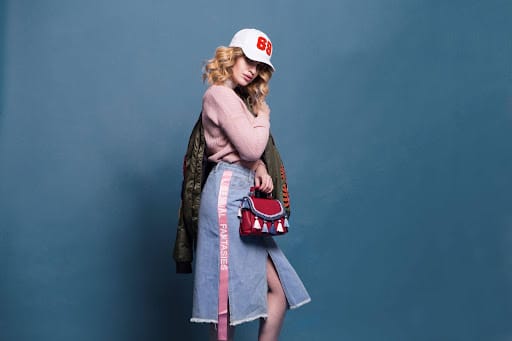
Wear pieces that fit your body shape and your vibe. Play with interesting silhouettes, and keep accessories to one bold statement rather than several competing ones.
Location affects the energy of a shot, and neutral backgrounds keep the attention where it belongs.
Natural light gives you depth, particularly during golden hour.
Keep the editing light. Authenticity is what you're selling, and heavy retouching works against it.
Develop posing techniques for modeling success
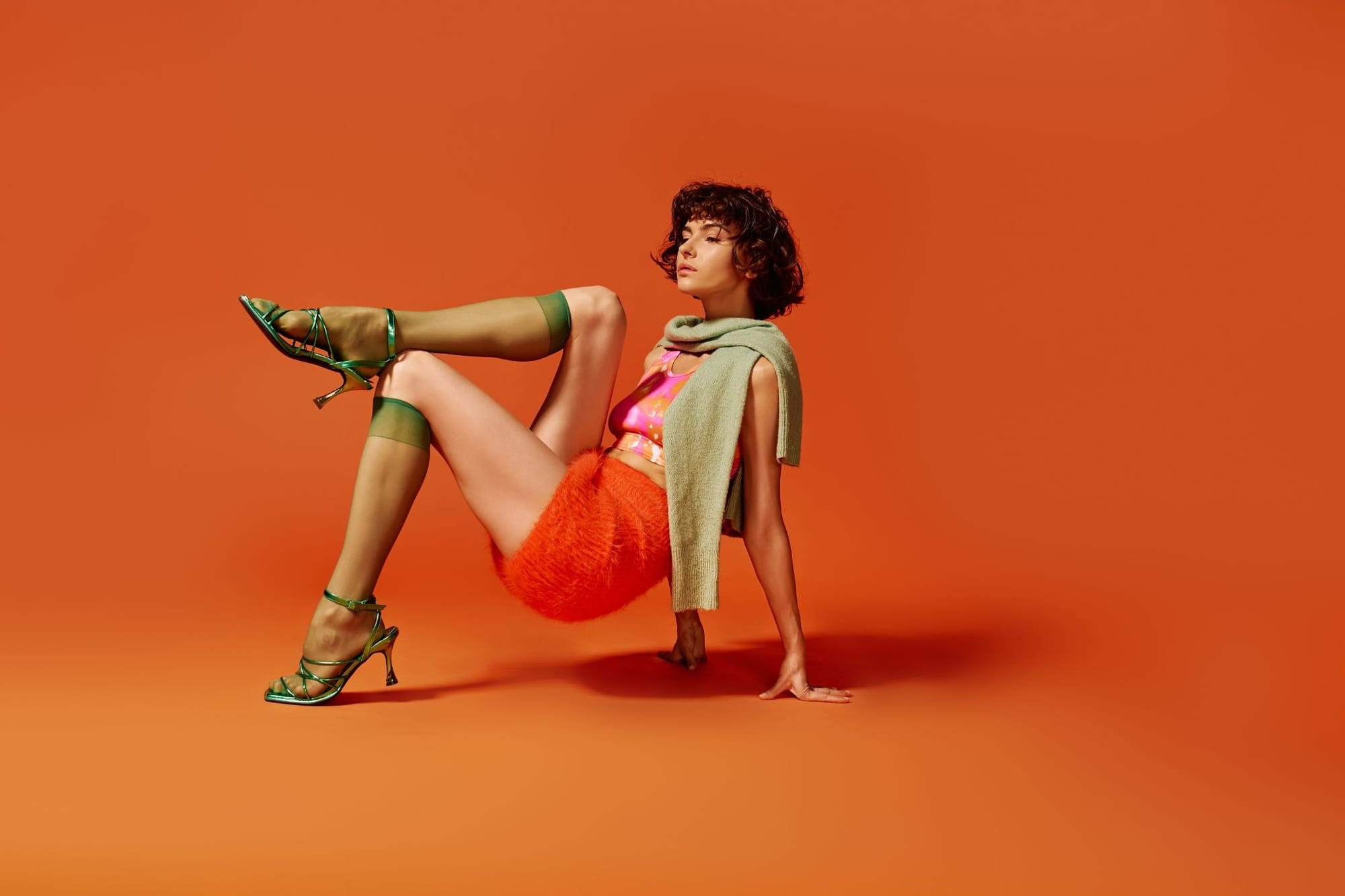
Posing is how your style and personality reach the camera.
Start with the small adjustments: frame your face with your hair, push your chin slightly forward for a better angle.
Keep your arms slightly away from your body for definition, and hold an open waist for better posture.
Different kinds of modeling want different poses. Commercial work rewards simplicity, so a slight bend in the knee or a hand on the hip does plenty.
Fitness poses show your athleticism, high fashion calls for something more artistic, and glamour poses need confidence above all.
Practice these and your presence in a shoot changes noticeably.
Communicate professionally with modeling agencies and brands
Clear, professional communication is what gets you taken seriously. Be punctual, be respectful, and keep your messages concise.
When you reach out, tailor your portfolio to what that brand actually needs and lead with your strengths.
Present yourself honestly. Your photos should look like you, without heavy editing standing between the two.
Keep your measurements and availability current so nothing gets crossed.
Reliability and a serious attitude are what build trust and bring the next opportunity your way.
Find casting calls and network effectively
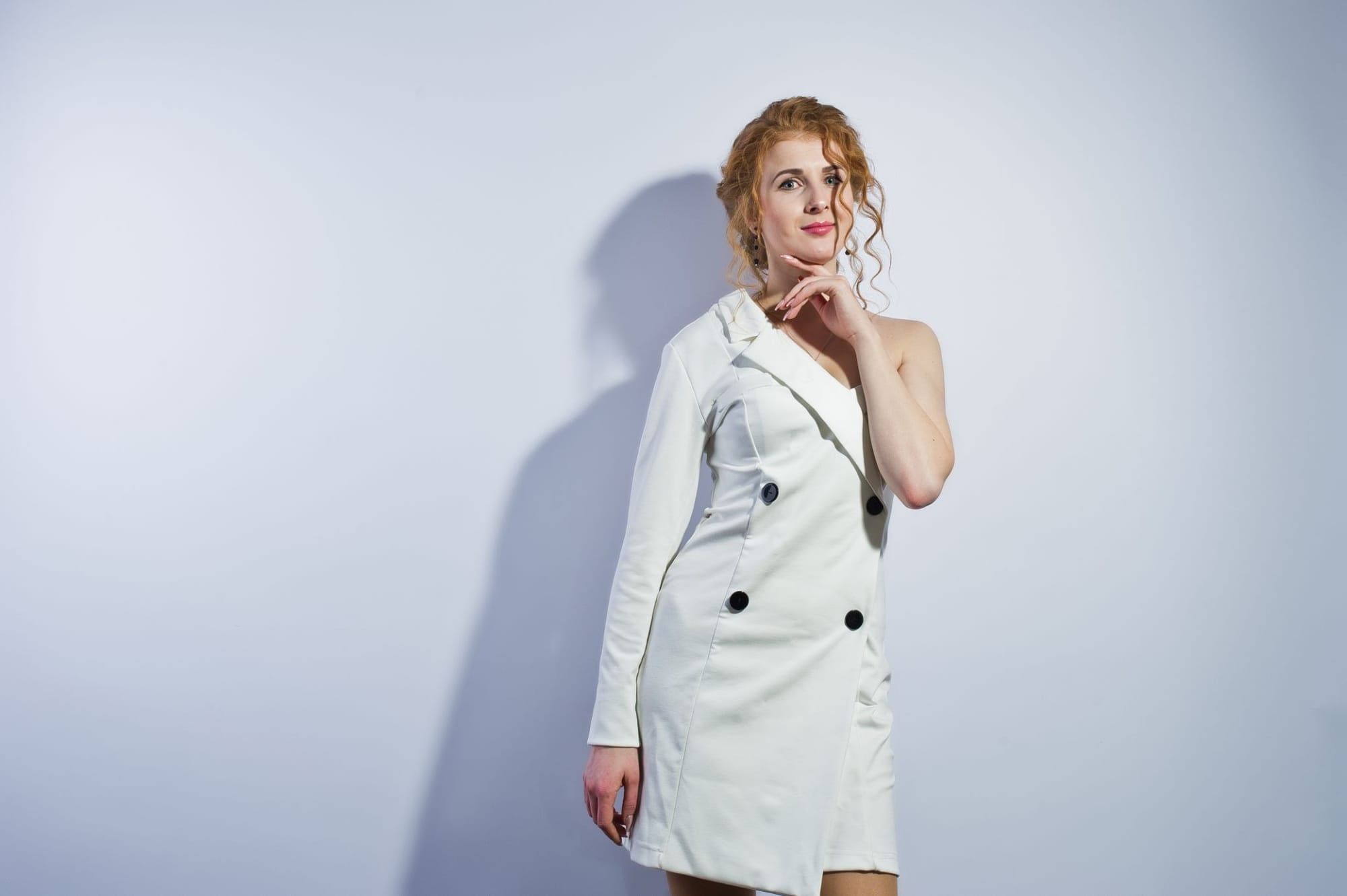
With those connections in place, the next step is finding the work.
Casting calls turn up at local fashion events, on social media, and through online modeling directories. Joining modeling groups surfaces more of them.
Networking matters just as much, so get to know photographers, stylists, and other models.
Open castings give you experience and a chance to be seen. Turn up prepared, professional, and with your portfolio ready.
Stay safe: verify opportunities before committing
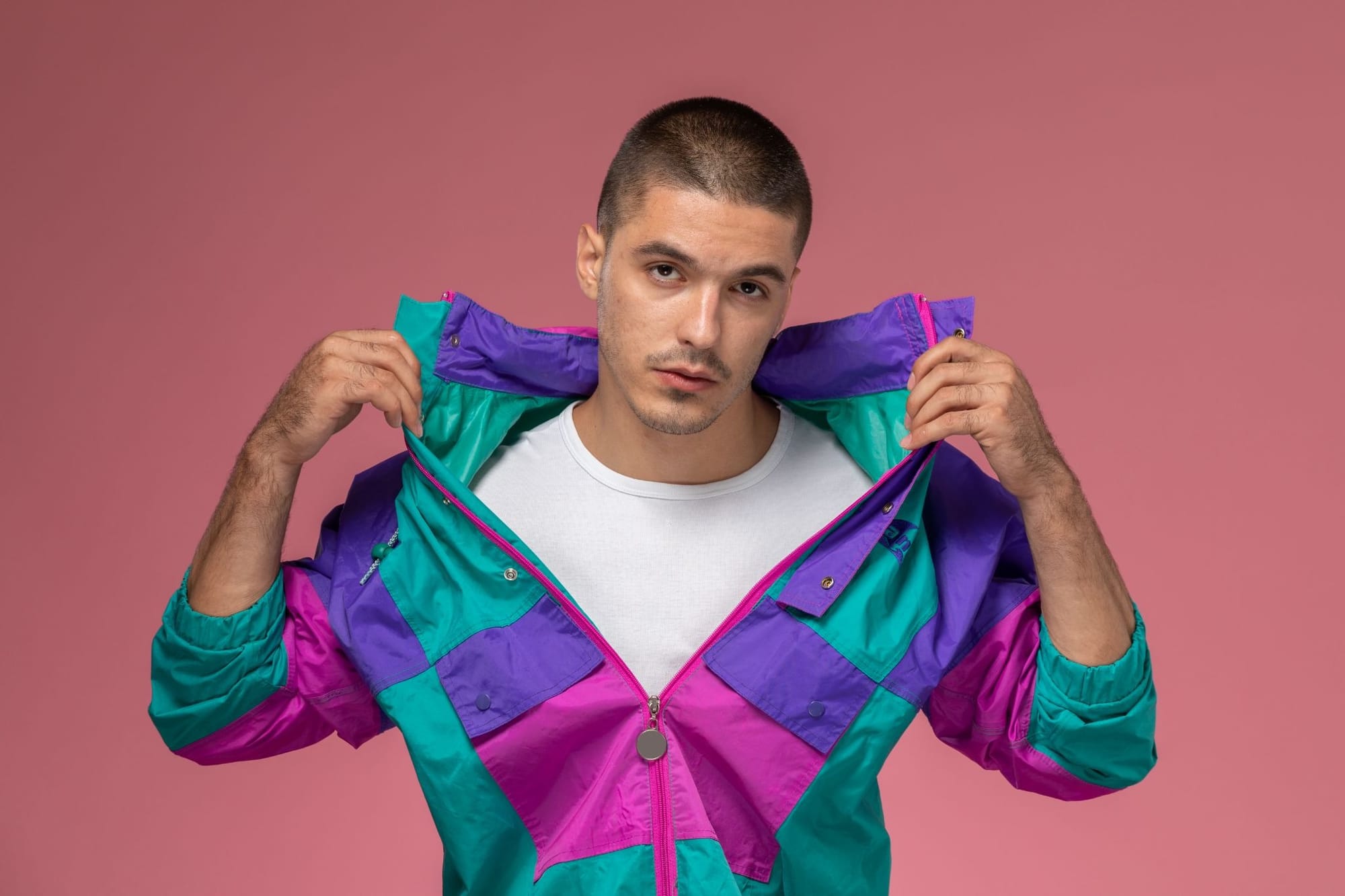
Check that any opportunity is legitimate before you agree to anything. Research the organizers and confirm they have a solid reputation behind them.
Look for clear communication about the details. Vague messages are usually a red flag.
Specific requirements suggest an organized process, which is generally a good sign.
Trust your instincts. If something feels off, it usually is.
Guard your personal information, and never hand over sensitive details until you've verified who you're dealing with.
Embrace feedback and commit to continuous improvement
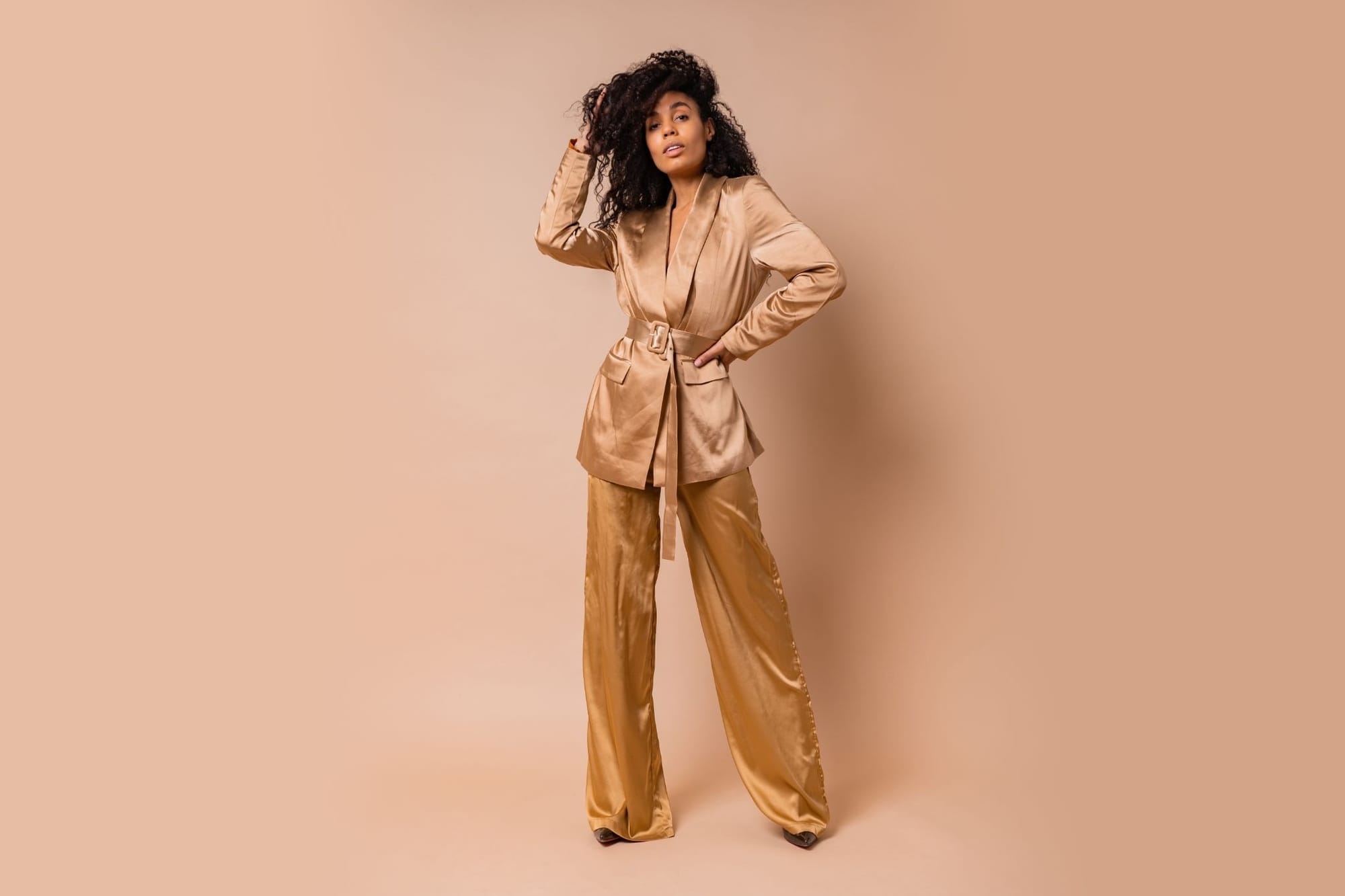
Safety keeps you out of trouble. Feedback is what makes you better.
Ask for constructive criticism and you open the door to real improvement and a deeper understanding of the work.
Listen properly to photographers, peers, and industry professionals. They see things about your work that you can't.
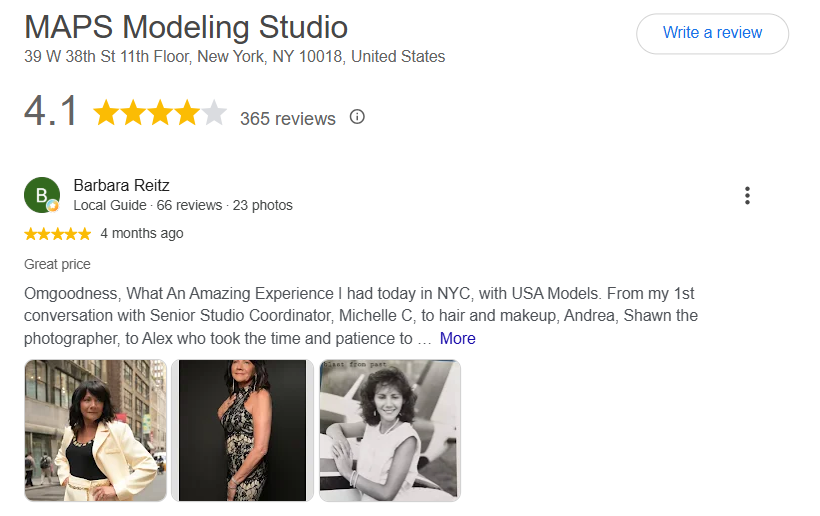
What models say about Maps Studio
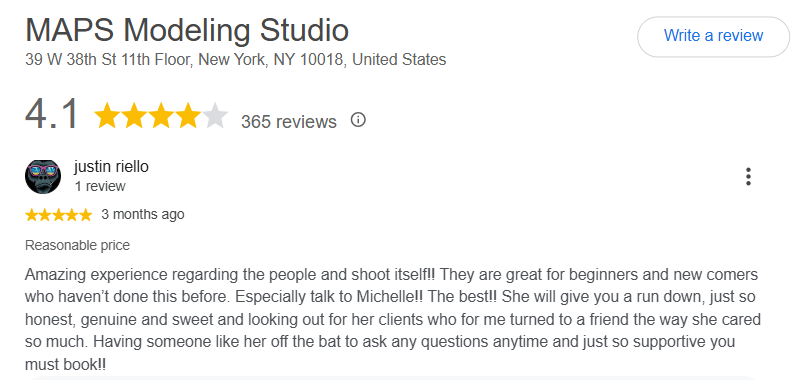
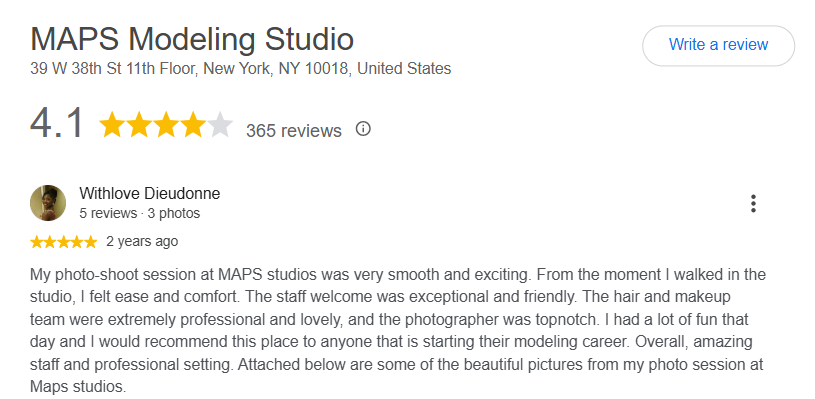
Choosing the right studio matters when you're starting out. Real client experiences tell you what to expect from a professional photoshoot and portfolio session. Below you can see reviews and feedback shared by clients on Google and other review sites, giving you an honest look at what models and aspiring talents have experienced with Maps Studio. To learn more about the studio and its modeling portfolio services, visit Maps Studio.
Frequently asked questions
How can I build confidence before my first photoshoot? Practice posing in front of a mirror, picture the shoot going well, and remind yourself what you're good at. Treat the day as something to learn from rather than something to survive.
What are common misconceptions about starting a modeling career? That it comes down to looks or size. Personality, professionalism, and adaptability matter more, and knowing your own strengths opens up more of the industry than you'd expect.
How do I handle rejection in the modeling industry? Treat it as a step rather than a verdict. It's hard, and every "no" still brings you closer to the right opportunity. Stay resilient and keep going.
Are there age limits for aspiring models? No strict ones. There's work for teens, adults, and seniors alike, so find the niche that fits where you are.
What should I wear to castings and photoshoots? Fitted clothing that shows your shape, in neutral colors, and nothing with a busy pattern. Comfortable shoes matter too, especially for runway auditions.
Conclusion
Every step here counts. Explore the different types of modeling, build a portfolio worth showing, and work on your posing. Networking and professional communication open doors, and taking safety seriously keeps you out of the wrong ones. Above all, listen to the feedback and keep improving. That's what a modeling career is actually built on.
Visit Mapsstudio for more information about photography.
Note: We enjoy sharing creative inspiration, photography tips, and industry insights to help you capture life's best moments. The services, styles, and equipment mentioned in our articles are for informational purposes only and may not reflect our current offerings. For the latest on our photography services and portfolio, visit Maps studio.


Member discussion