
5 best differences between A1 and A2 butter
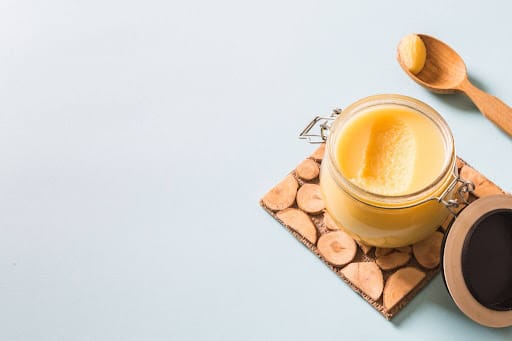
Put A1 and A2 butter side by side and a few real differences show up - ones that matter for your stomach and your kitchen. A1 butter tends to leave some people with digestive discomfort, while A2 is usually gentler. Nutritionally, A2 brings good vitamins and butyric acid, which is good for the gut. Both cook well, though A2 can give sauces and baked goods a slightly better texture. Deciding between them isn't always obvious, so here's what actually sets them apart.
What's the difference between A1 and A2 butter?
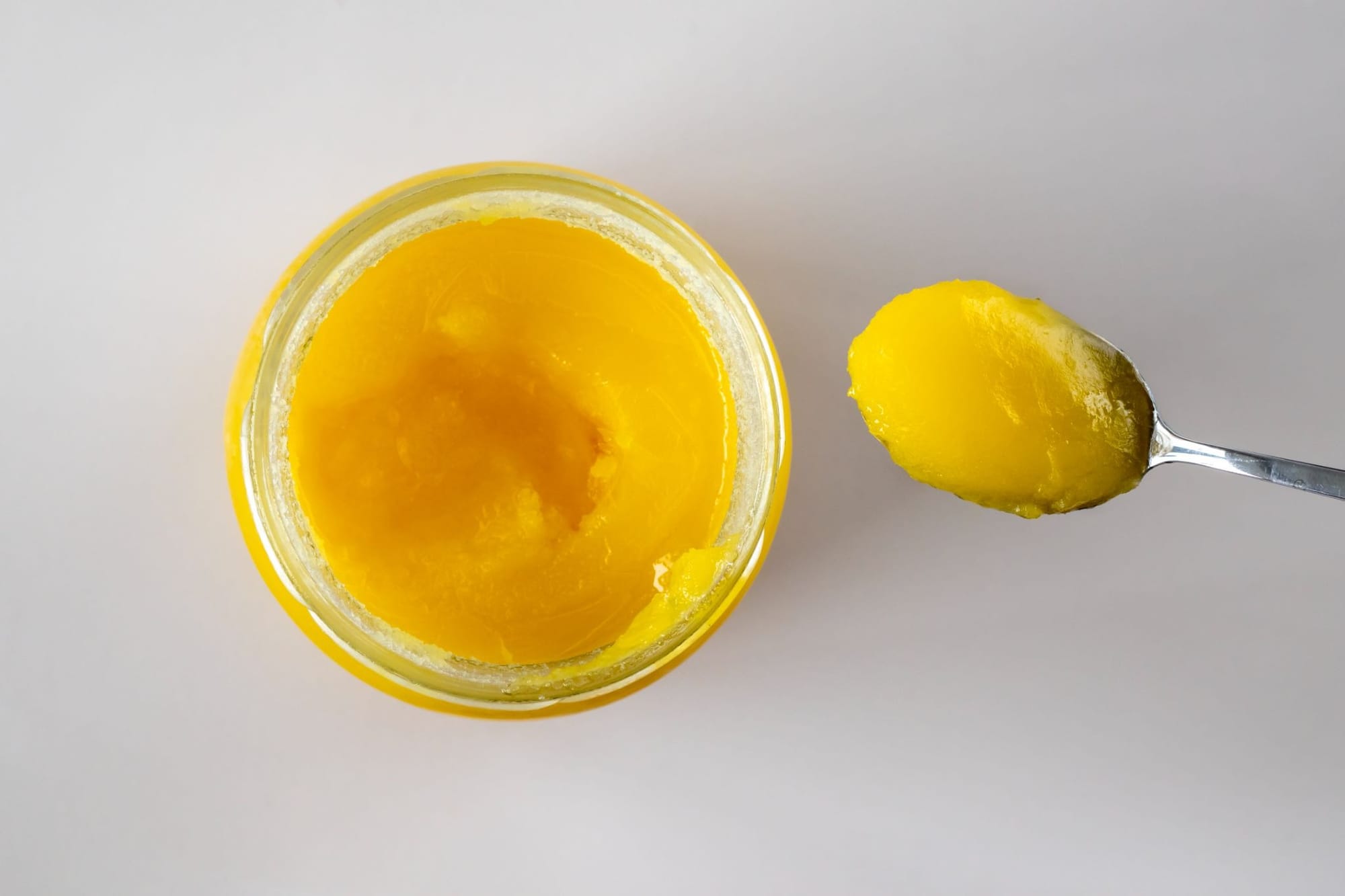
The real difference comes down to the milk. A1 butter comes from cows that produce A1 beta-casein. A2 butter comes from milk with only A2 beta-casein.
That matters because your body digests those two proteins differently. Some studies suggest A2 butter is easier on the digestive system and may cause less discomfort. It's also a source of lecithin, which helps with cholesterol digestion. So choosing A2 isn't only about taste - it's about picking the option that sits better with your body.
How A2 butter alleviates digestive discomfort
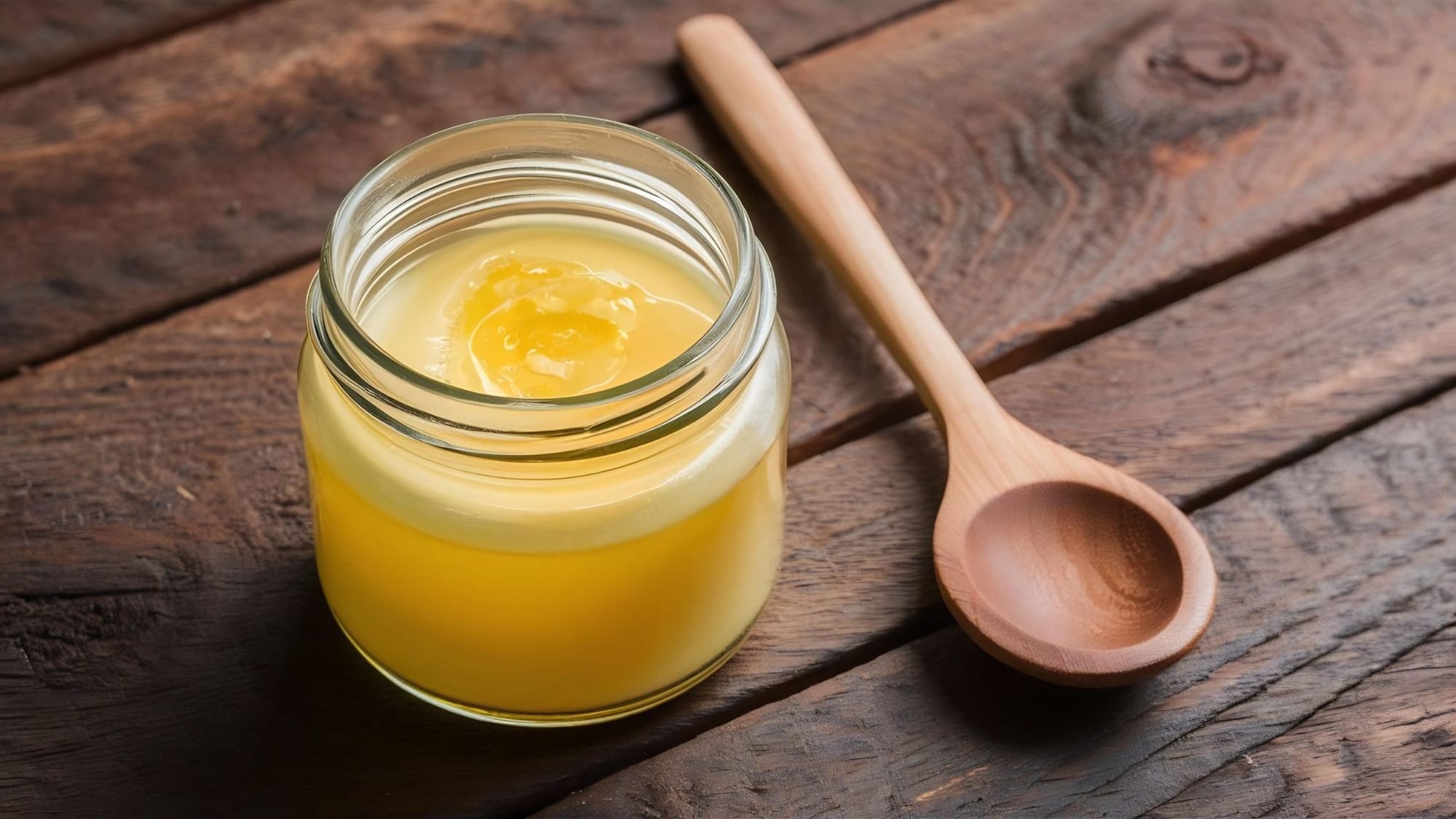
If A2 butter goes down easier for you, it comes back to that protein. A1 butter contains A1 beta-casein, which has been linked to bloating and gas. A2 butter only has A2 beta-casein, and for a lot of people that means fewer stomach issues.
Research suggests A2 beta-casein doesn't trigger the same inflammatory response A1 does, so you may notice less discomfort after eating it. Plenty of people say they simply feel lighter and more at ease once they switch.
Nutritional benefits of A1 vs. A2 butter

On nutrition, A2 has some clear advantages, especially if dairy tends to bother you. Because A2 butter comes from cows that produce only A2 beta-casein, it doesn't release BCM-7 the way A1 does, which may make it easier to digest.
Both butters are good sources of healthy fats and the fat-soluble vitamins A, D, E, and K2, which support heart health and immunity. A2 also has butyric acid, which is good for gut health and helps with inflammation. And if you can find grass-fed A2 butter, even better - it's known for higher-quality fatty acids.
Culinary uses of A1 and A2 butter
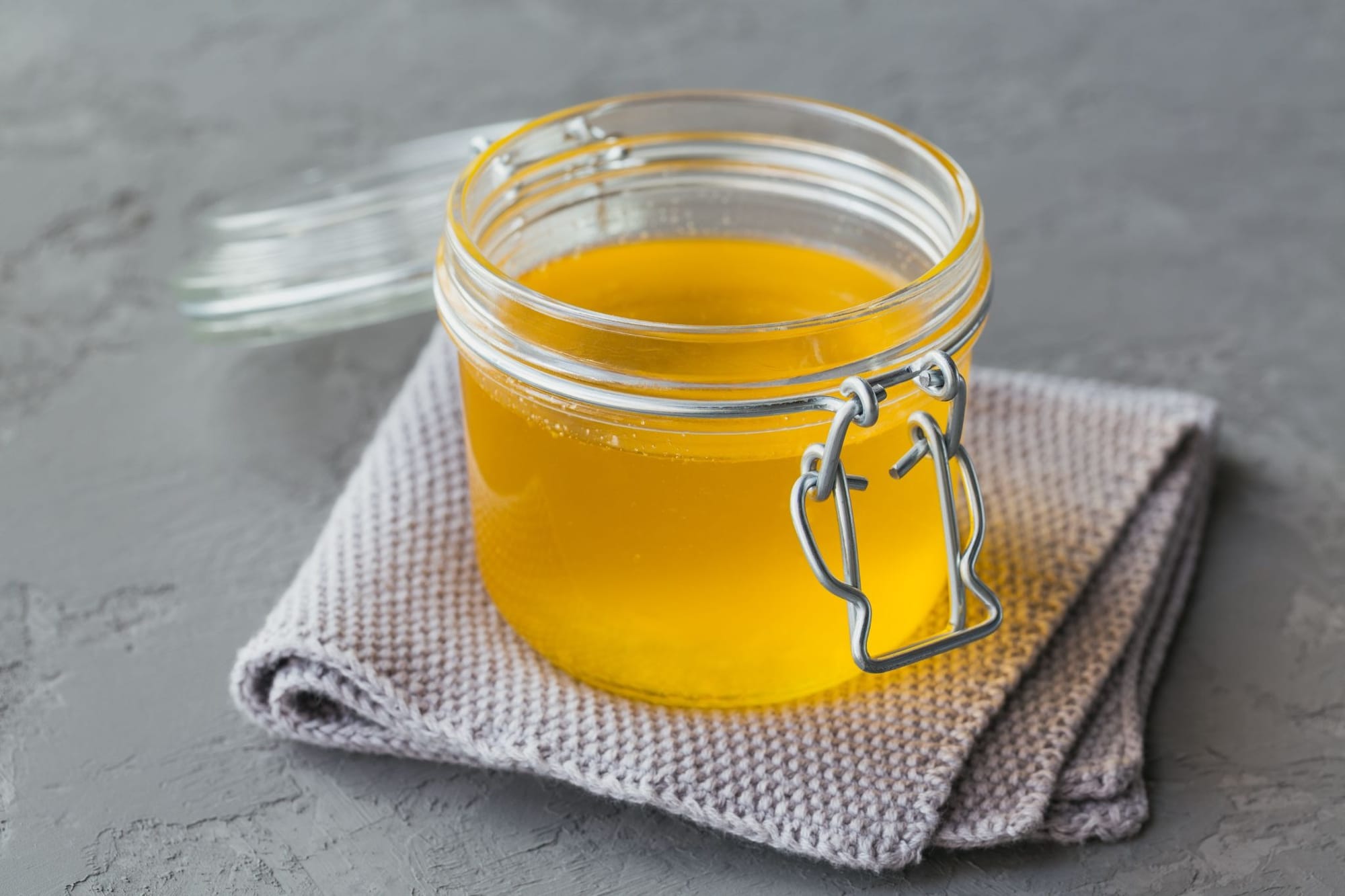
Whether it's A1 or A2, butter earns its place in the kitchen. Both lift a dish, though each has its own strengths. A few of the best uses:
- Baking - the rich flavor and creamy texture do a lot for cookies, cakes, and pastries.
- Sautéing - both have a high enough smoke point to handle vegetables or proteins.
- Sauces - A2's creaminess can improve the texture of sauces and gravies and add some depth.
- Finishing touch - a dab of either on warm bread or vegetables turns a simple plate into something better.
Either way, there's not much you can't do with good butter.
How to choose between A1 and A2 butter?
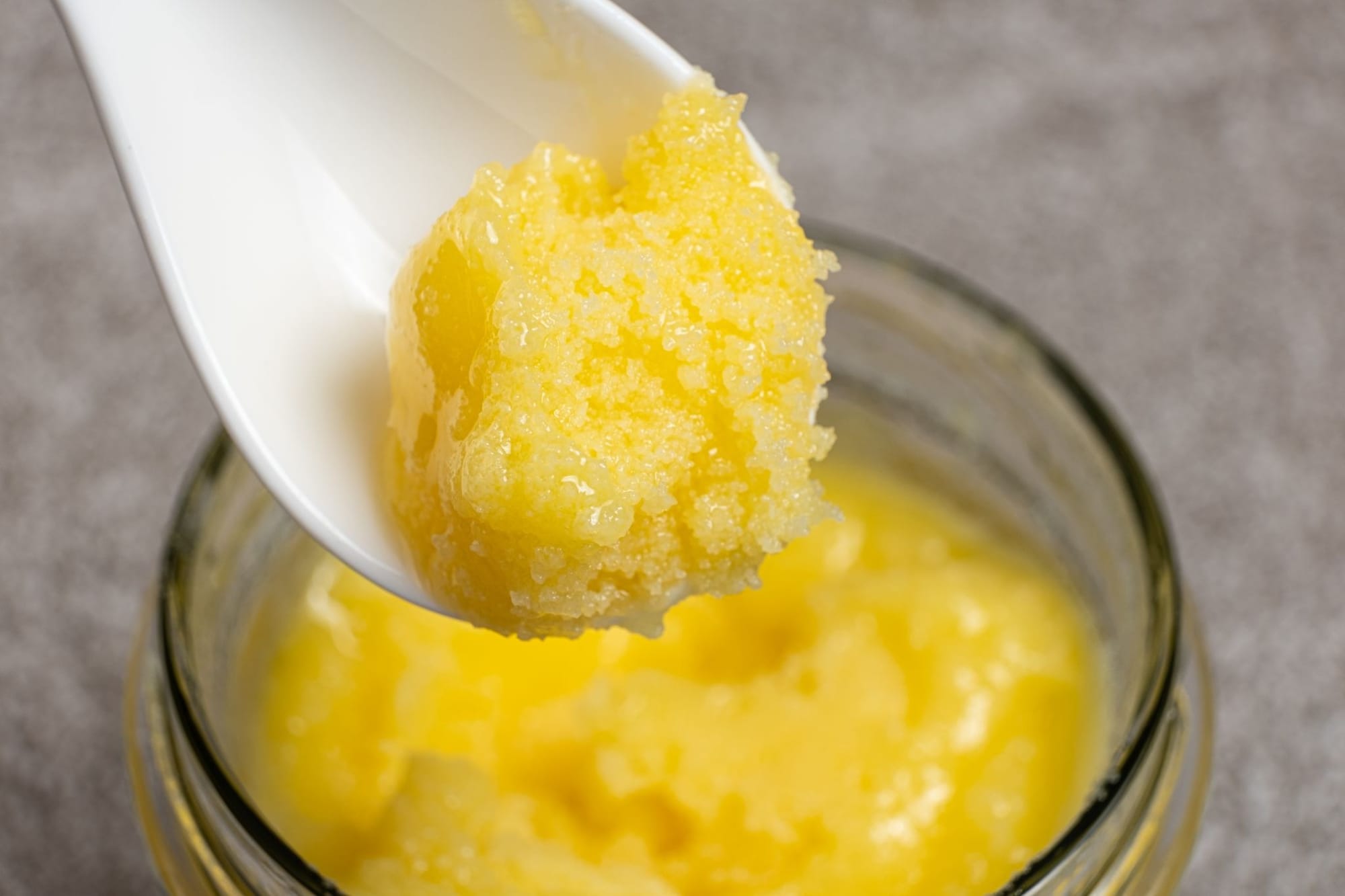
So which one? Start with your gut - literally. If dairy tends to leave you uncomfortable, A2 is probably the better bet, since it doesn't release BCM7 and may be easier to digest.
Then look at the nutrition. A2 butter brings good vitamins and healthy fats that support your heart and immune system. In the kitchen, its flavor and texture give you a slight edge for baking and sautéing. And whatever you pick, go for quality - A2 butter from a reputable source like Highland Farms, which does grass-fed options that hold up on both taste and nutrition.
Explore Raghas Organic Butter
Raghas Organic Butter is a solid choice if you want to cook with A2 butter. It's made from the milk of A2 cows, which is easier to digest and packed with nutrients. Raghas puts real care into making organic butter that tastes good and fits a healthy lifestyle. If you're curious how it cooks, you can read more about the brand and the product here: Raghas Organic Butter.
Frequently asked questions
Can A2 butter be used for baking and cooking? Yes, absolutely. The flavor and creamy texture work well across the board, from pastries to sautéing.
Is A1 butter more widely available than A2 butter? Generally, yes. You'll find A1 in most grocery stores, while A2 sometimes takes a bit of searching or a trip to a specialty shop.
How does A2 butter taste compared to A1 butter? A2 tends to be creamier and richer. It does nice things to baked goods, and it adds flavor without the digestive discomfort some people get from A1.
Are there any allergens in A1 or A2 butter? Both contain milk proteins, which can set off allergies in sensitive people. If you have a dairy allergy, it's best to steer clear of both and check with your doctor.
Can I substitute A1 butter with A2 butter in recipes? Yes. The flavor and texture are close enough to swap, and A2 may be easier on digestion for some people.



Conclusion
Once you know how A1 and A2 butter differ, it's easier to pick the right one. A2 may bring some relief if dairy tends to bother you, while A1 is still a kitchen staple for plenty of people. Weigh up the nutrition and how you'll cook with it, and you've got your answer. Whether you're baking with it or just spreading it on toast, go with the one that suits you.
Visit Raghas Dairy to learn more.


Member discussion