
Why is A2 Desi Ghee Essential for Child Growth?
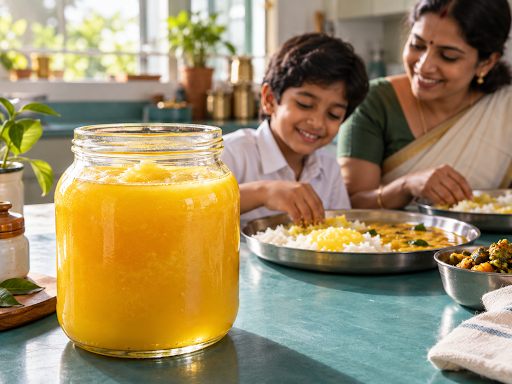
A warm bowl of rice and dal can bring a child back to the table more readily than a complicated new recipe. For many families, the aroma of A2 Desi ghee is part of that familiar meal. But calling it essential for growth needs care: a good cooking ingredient should not become a promise of extra height or better development. Its practical role is as a source of dietary fat and a way to add richness to food. The whole meal, the portion and the child's own needs still matter.
Understand Its Place in a Growing Child's Meals
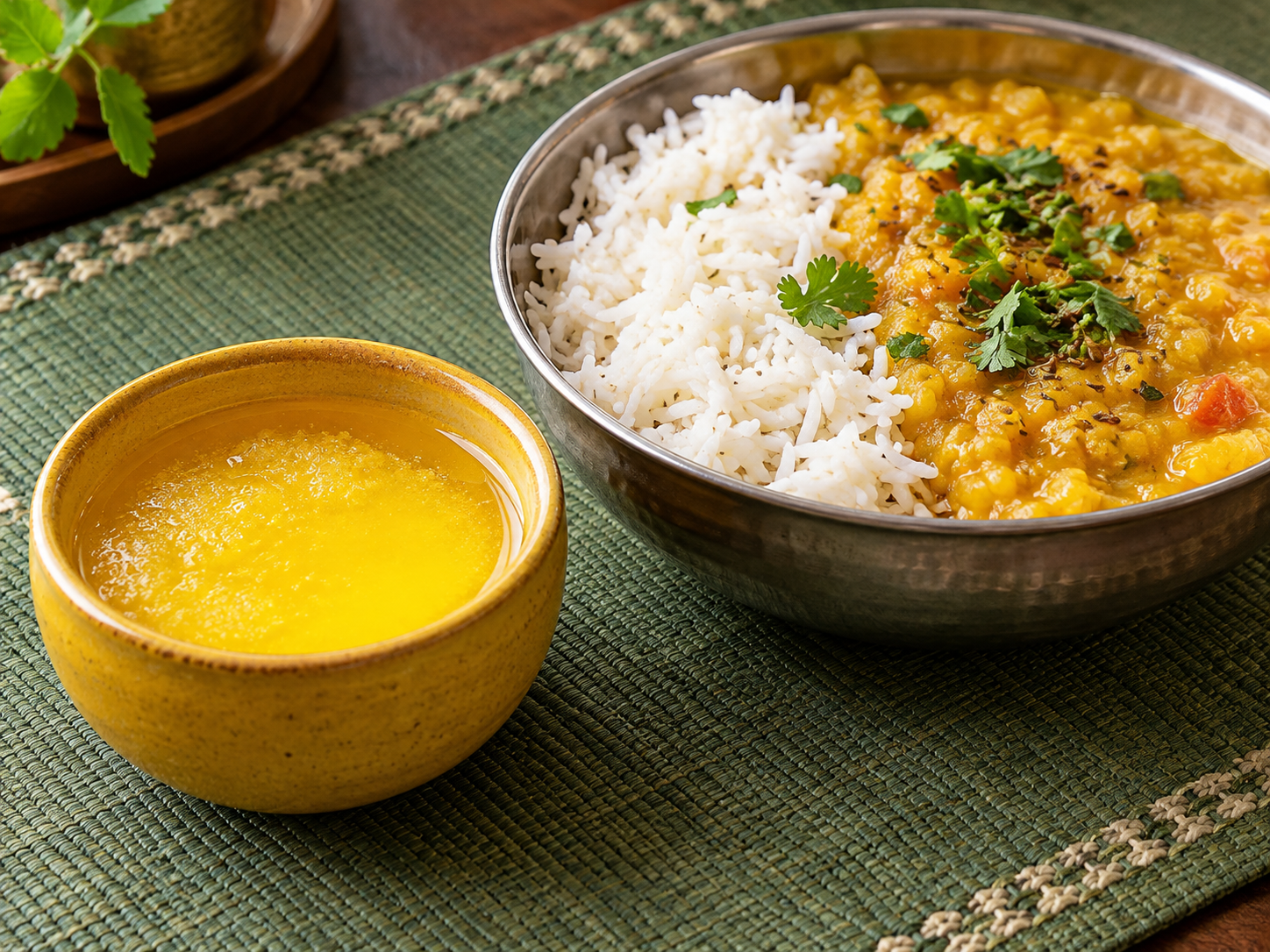
A2 Desi ghee adds fat and energy to food. That gives it a place in family cooking, but it does not make a bowl of rice or a serving of porridge a complete meal on its own. Think about what the child is eating alongside it, rather than making the ghee the main measure of how nourishing the meal is.
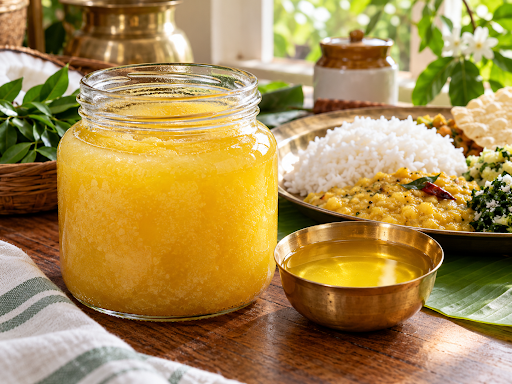
A familiar example is rice with dal, finished with a little A2 Desi ghee. The ghee adds richness while the meal still depends on its other ingredients. This is a more practical way to use it than adding larger amounts because a child is growing.
The word essential can suggest that every child must have this specific food. A traditional ingredient should not become a requirement for every child. Treat A2 Desi ghee as an ingredient that may suit your family's meals, not a requirement or a guarantee of height gain.
Keep Variety on the Plate
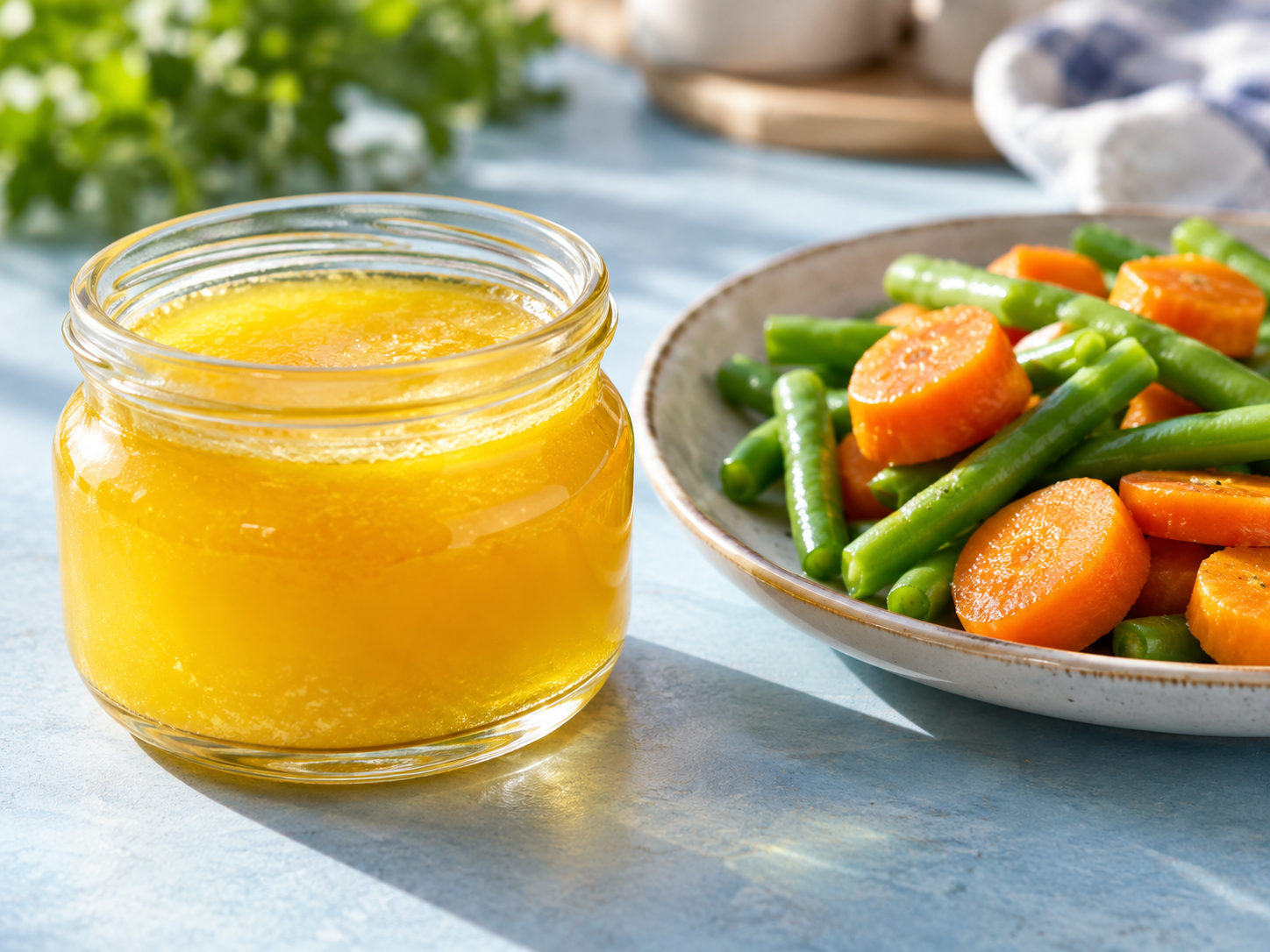
Cooked vegetables are another simple place for A2 Desi ghee. A small amount can add a buttery finish to carrots, peas or beans. The aim is to make an ordinary serving enjoyable while keeping the vegetables themselves at the center of the dish.
Avoid letting one ingredient carry the whole nutrition story. Grains, lentils and vegetables give you several ways to include it in everyday meals. Changing the vegetables or the accompanying dish brings variety without requiring a completely different routine.
Claims about immunity, memory or bone growth need more support than a product description provides. You can appreciate the taste and cooking qualities of A2 Desi ghee without promising those outcomes. Keep food choices grounded in the meal you are preparing and seek professional advice about a child's specific growth concerns.
Start With Familiar Breakfast Foods
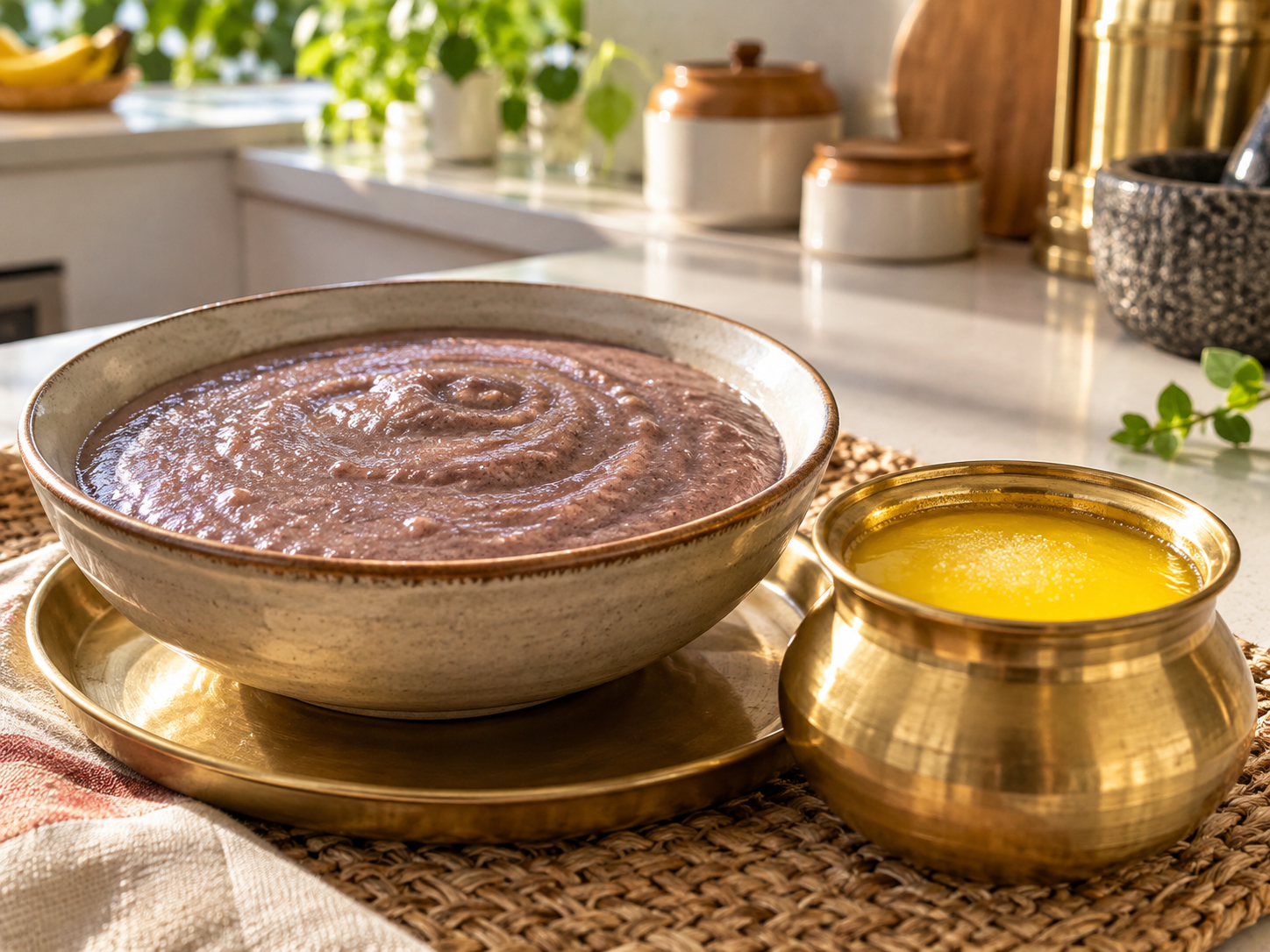
Porridge gives you a straightforward way to introduce the flavor of A2 Desi ghee into a meal a child already knows. Ragi porridge is one of the suggested combinations. Mixing in a little ghee changes the richness of the dish without turning breakfast into an unfamiliar recipe.
Begin with the food the child already enjoys rather than expecting a new ingredient to solve difficult mealtimes. You can also use A2 Desi ghee in other cooked grain dishes. Pay attention to the amount you add instead of assuming that a stronger flavor or a heavier finish is always better.
For babies and very young children, discuss new foods and suitable quantities with a pediatrician. Do not borrow a suggested portion for an older child and assume it applies to an infant, or use ghee as a treatment when the child is unwell.
Use Small Additions in Everyday Cooking
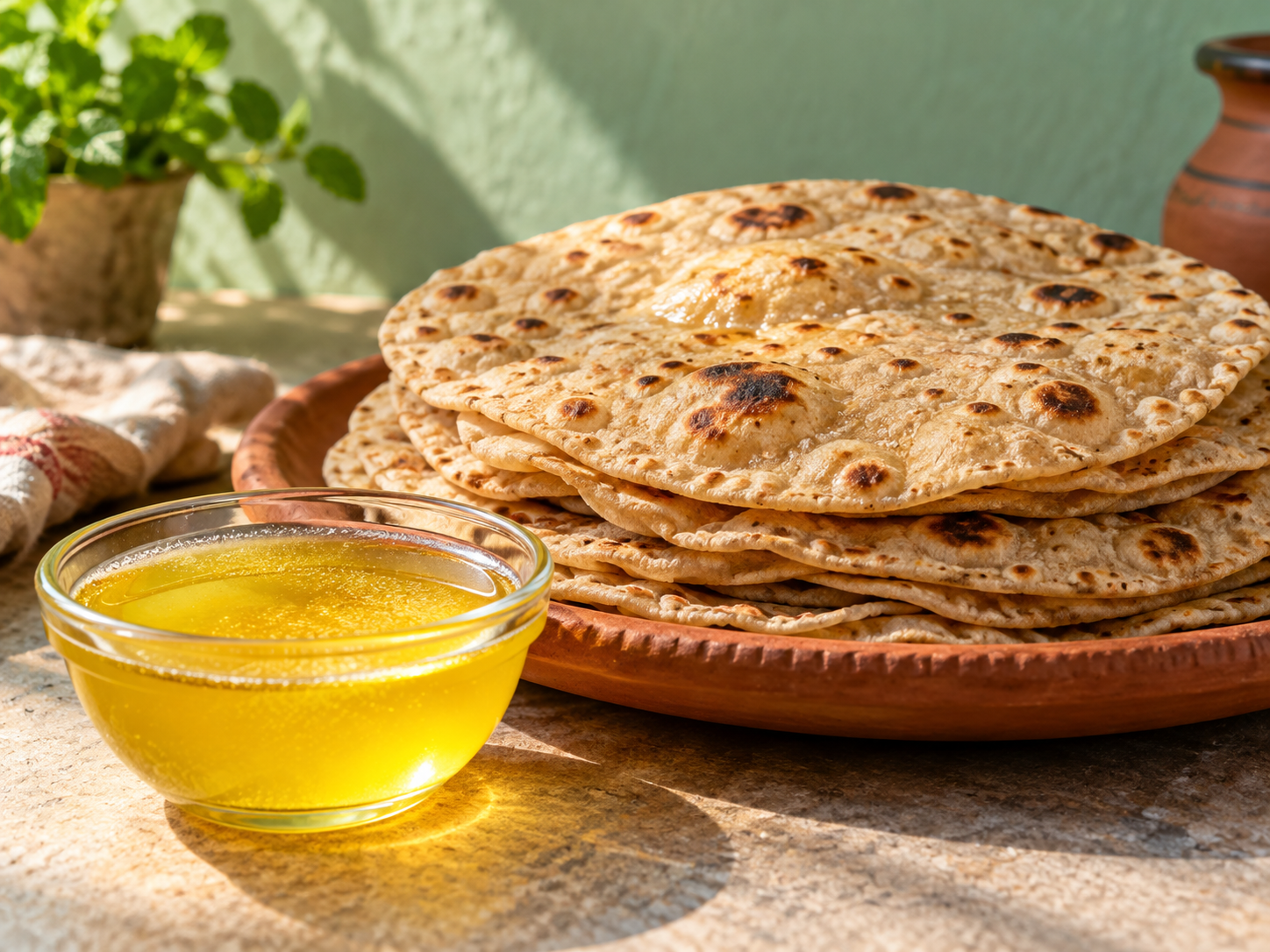
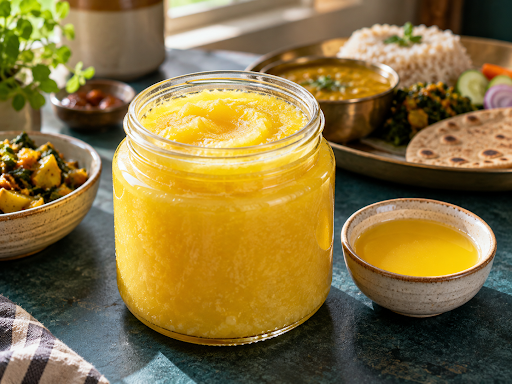
Brushing a little A2 Desi ghee over warm chapati is another familiar option. The same ingredient can also finish dal, khichdi or soup. These uses make it easy to work with meals you already cook instead of preparing a separate dish solely to include ghee.
No general food blog, including this one, can determine the right portion for a particular child. The amount needs to fit the child's age, overall food intake and whatever advice you have been given. Keep that uncertainty in mind while you read.
More ghee does not automatically mean more benefit. If you are worried that your child is not growing or eating well, increasing the amount in every meal is not a substitute for a proper assessment. Use A2 Desi ghee for its culinary role and take growth questions to a qualified professional.
Choose Carefully and Respect Individual Needs
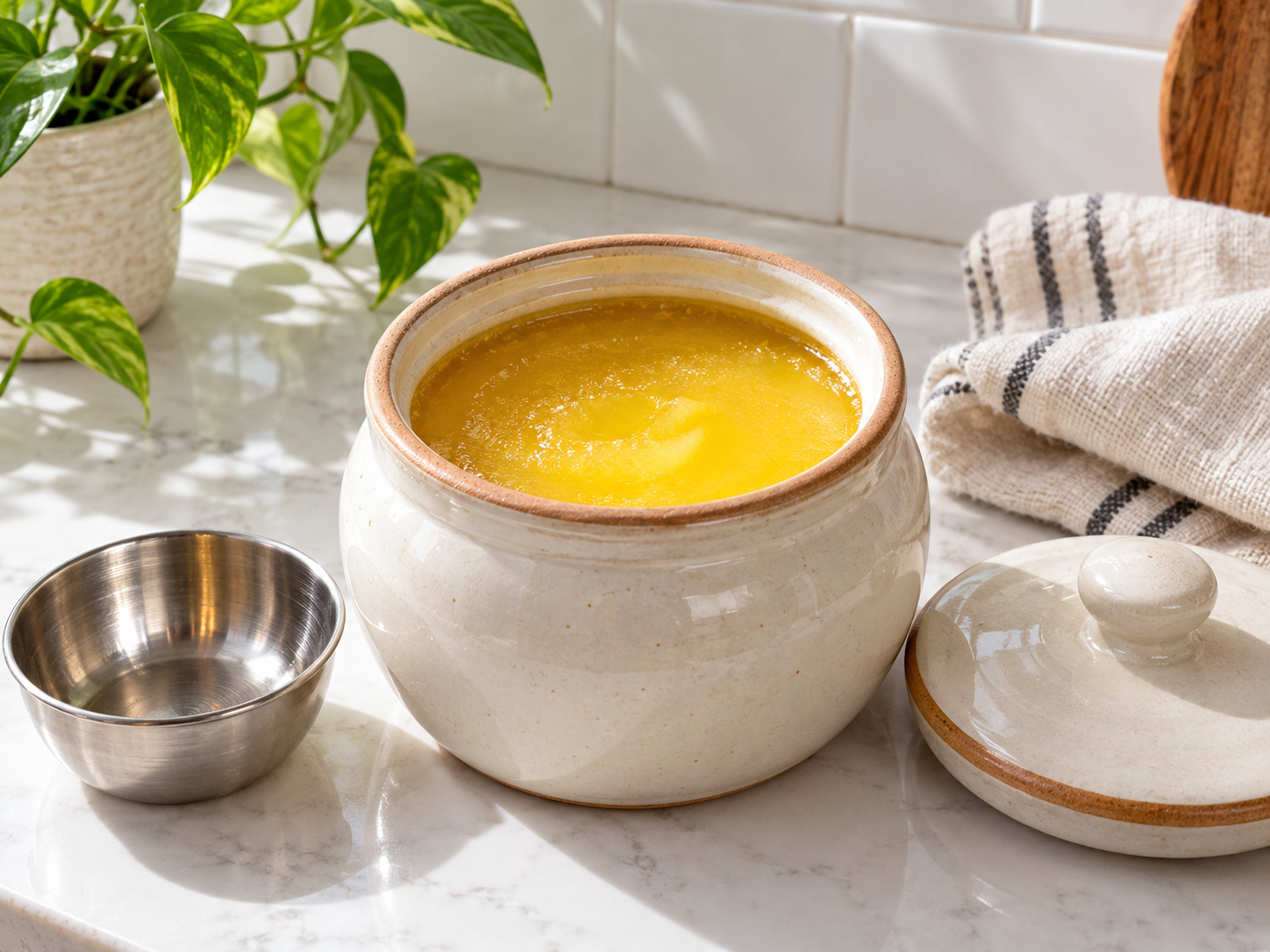
When choosing A2 Desi ghee, look for clear information about ingredients, milk source and preparation. Those are the product questions worth asking, because they tell you what you are bringing into the kitchen. They are separate from claims that a particular jar can produce a medical or developmental result.
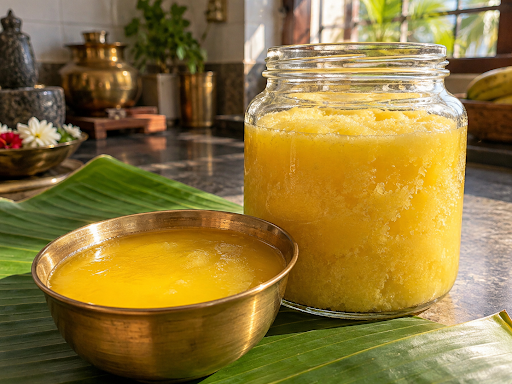
Our A2 Desi ghee at Raghas Dairy uses milk from Tamil Nadu native desi cows and the traditional bilona method. We describe it through the aroma, grainy texture and rich taste it brings to everyday cooking. Those qualities give families a practical basis for deciding whether it suits their recipes.
Take extra care if a child has a known dairy allergy, sensitivity or diagnosed health condition. Do not assume that the A2 description makes a dairy-derived food suitable. Follow the child's clinician's advice before introducing it, and keep health decisions separate from product claims or customer experiences.
What Families Say About Raghas Dairy
At Raghas Dairy, the feedback we share focuses on how our ghee tastes and feels in everyday use. Prashant G mentions its rich taste, aroma and granular texture, while Manjunath K connects the aroma with homemade ghee from his childhood. These are customers' personal food experiences, not evidence of a growth or health outcome for children.
Frequently Asked Questions
Is A2 Desi Ghee Essential for Every Child? Do not assume every child needs this specific food. It can have a place in meals as a cooking fat, but a child's nutrition needs deserve a broader view.
Will A2 Desi Ghee Make a Child Taller? Do not treat ghee as a height remedy. A pediatrician can assess concerns about a child's growth.
Which Everyday Foods Can I Pair It With? Rice and dal, khichdi, cooked vegetables, porridge, chapati and soups are familiar combinations. Choose foods that already suit the child's diet.
Should Every Child Have the Same Quantity? A portion that suits one child may not suit another. Seek guidance for your own child, particularly for babies, allergies or existing health conditions.
Final Takeaway
A2 Desi ghee can bring familiar flavor and richness to a child's meals, from rice and dal to warm chapati or porridge. Keep its role proportionate: it is one ingredient in the meal, not a promise of height, immunity or faster development. Choose a product you understand, use it thoughtfully and keep the rest of the child's food varied. For babies, allergies or concerns about growth, follow professional guidance rather than increasing portions on your own. A sensible approach lets you enjoy a traditional kitchen ingredient while keeping your child's own needs at the center of the decision.
Visit Raghas Dairy to learn more about our products and join our community of happy customers.
Member discussion