
5 Must-Know Tips for Successful Modeling
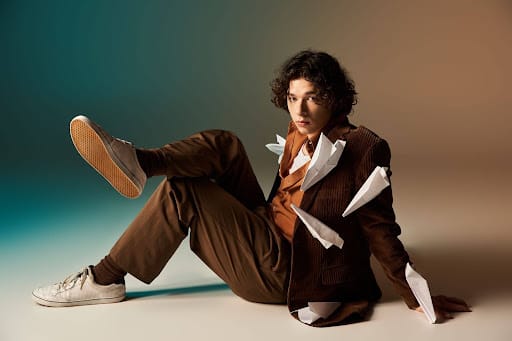
You can spend hours choosing a strong photograph and still feel unsure about the next step in modeling. Which opportunities suit you? What should an agency see first? How do you prepare when a shoot finally arrives? A clear modeling portfolio helps, but your everyday habits matter too. You need to understand the work, practice taking direction and check the people behind each opportunity. These five tips give you a practical starting point, whether you are preparing your first submission or making your existing presentation more focused.
Choose a Modeling Direction That Fits You
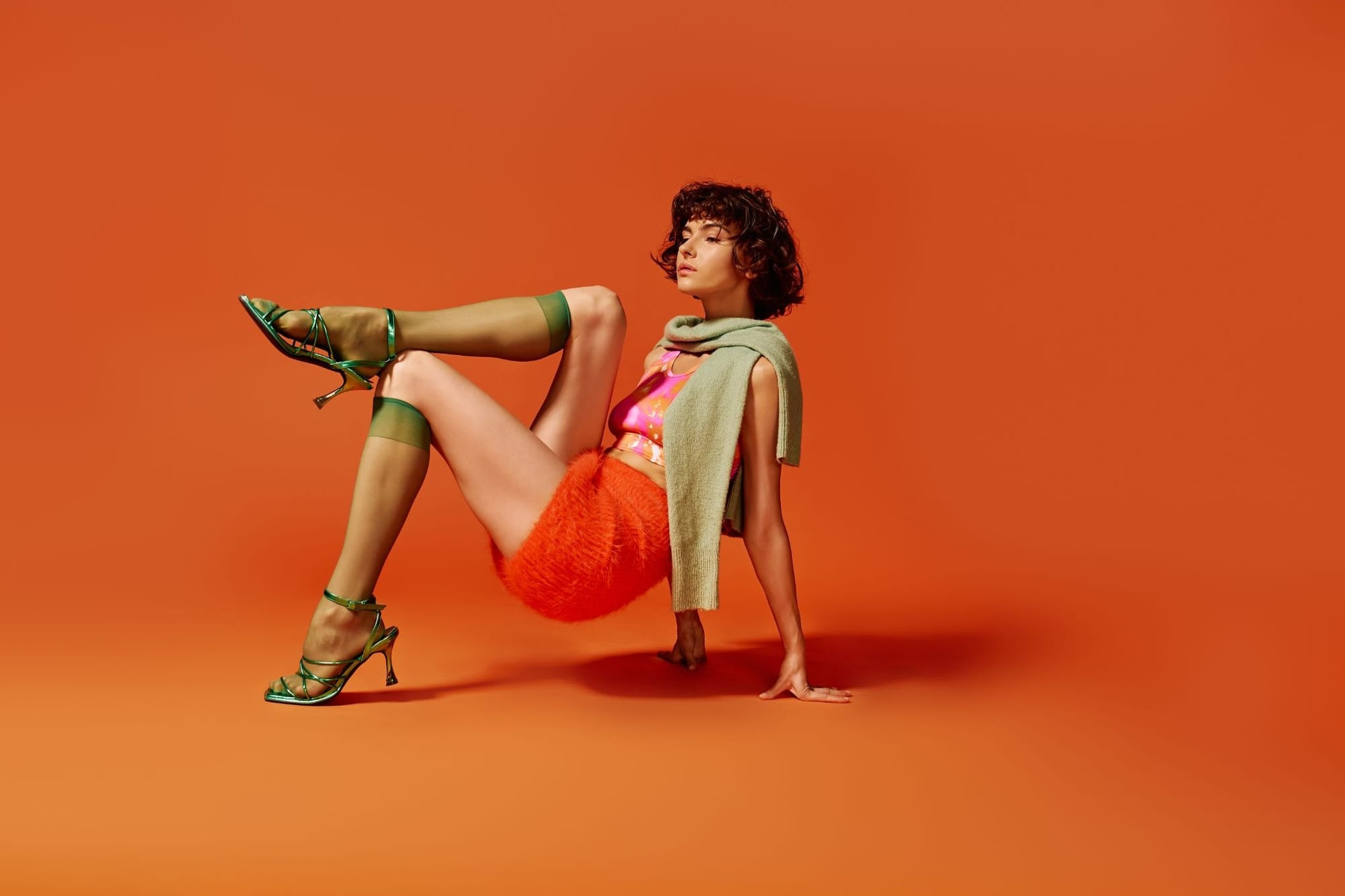
Start by learning what different modeling jobs ask you to do. Runway work emphasizes movement and timing, while commercial work can depend on an approachable expression or a convincing everyday moment. Beauty, fitness and editorial projects bring other requirements. You do not have to pursue every category at once.
Look closely at the work you want to apply for. Study the posture, expressions and presentation in those campaigns, then compare them with the pictures you already have. This gives your preparation a purpose. A portfolio aimed at beauty work needs to communicate different strengths from one centered on a runway walk.
Keep some room to explore. Your first preference may change as you gain experience or discover a type of work that suits you better. Use test shoots and feedback to learn what feels natural, then update your presentation around that direction instead of trying to appear suitable for every possible brief.
Build a Clear, Current Portfolio
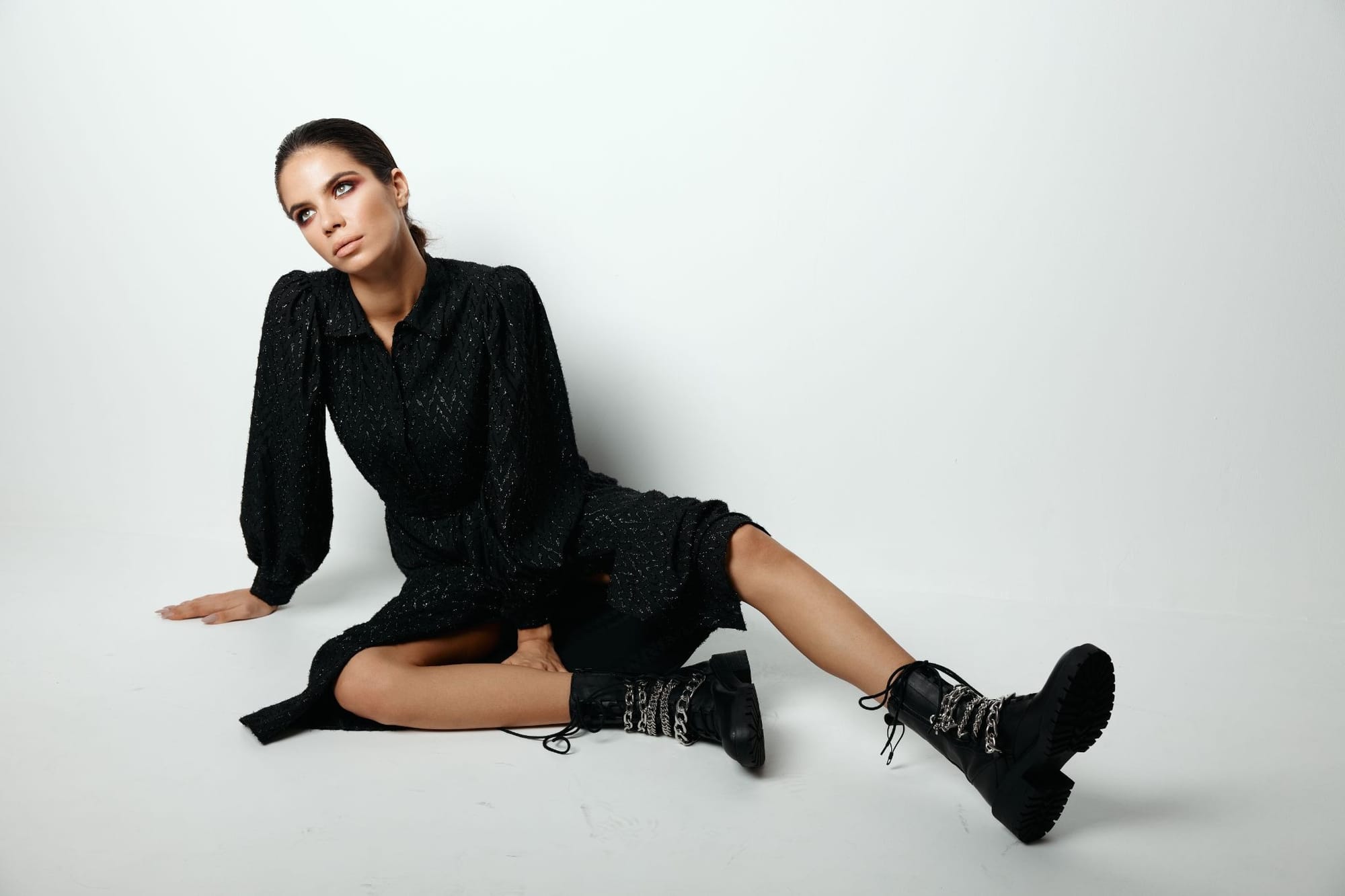
Your photographs should make it easy to understand your present appearance. Begin with clean images that show your face and full body clearly. Simple clothing, an uncluttered background and little or no makeup help with straightforward digitals. Heavy editing gets in the way when someone needs an accurate view of you.
Choose photographs with a reason for including each one. A close portrait, a profile and a full-length view show different information; several nearly identical frames add less. Styled photographs can demonstrate expression and versatility, but they should complement the clear images a casting team requests.
Keep your measurements and contact details current alongside the pictures. Read each submission's instructions before sending anything, because a polished portfolio does not replace the specific materials an agency or casting asks for. If the brief requests simple digitals, supply those rather than assuming a more elaborate presentation will work better.
Practice Expression, Posture and Movement
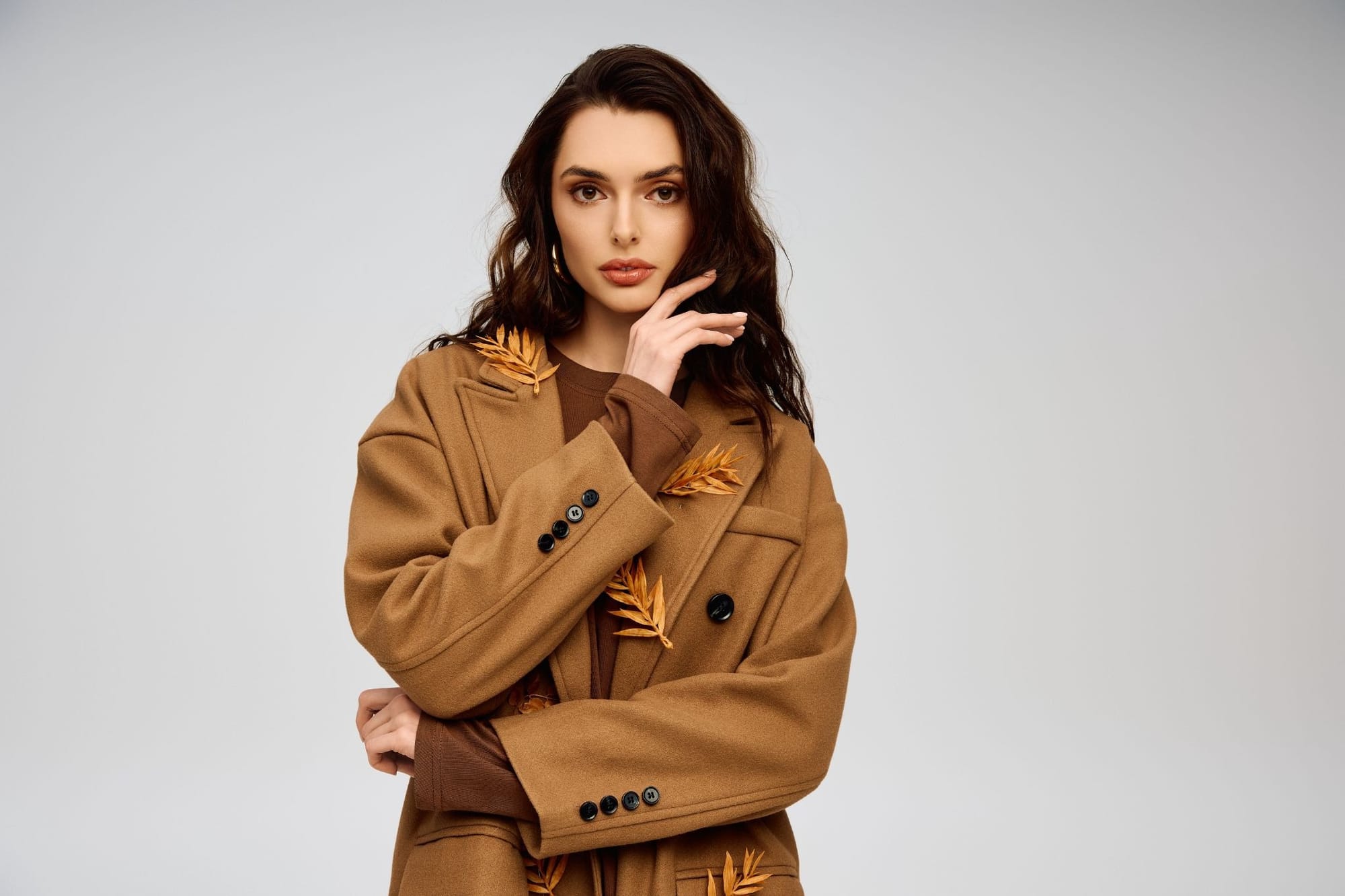
Posing becomes easier when you understand how small movements change a photograph. Practice turning your shoulders, shifting your weight and relaxing your hands. Review the results instead of judging a pose only by how it feels. A position that looks natural in a mirror may read differently through a camera.
Work on facial expression as deliberately as body position. Try an approachable smile, a neutral expression and a more focused look, then notice which changes feel controlled. Study professional photographs for ideas without assuming that copying another model's pose will produce the same result for you.
For runway goals, practice your pace, turns and posture as well as still poses. For photographic work, practice responding to a simple change in direction without losing concentration. These exercises give you more options on set and make it easier to adjust when a photographer needs a different mood or movement.
Arrive Prepared and Communicate on Set
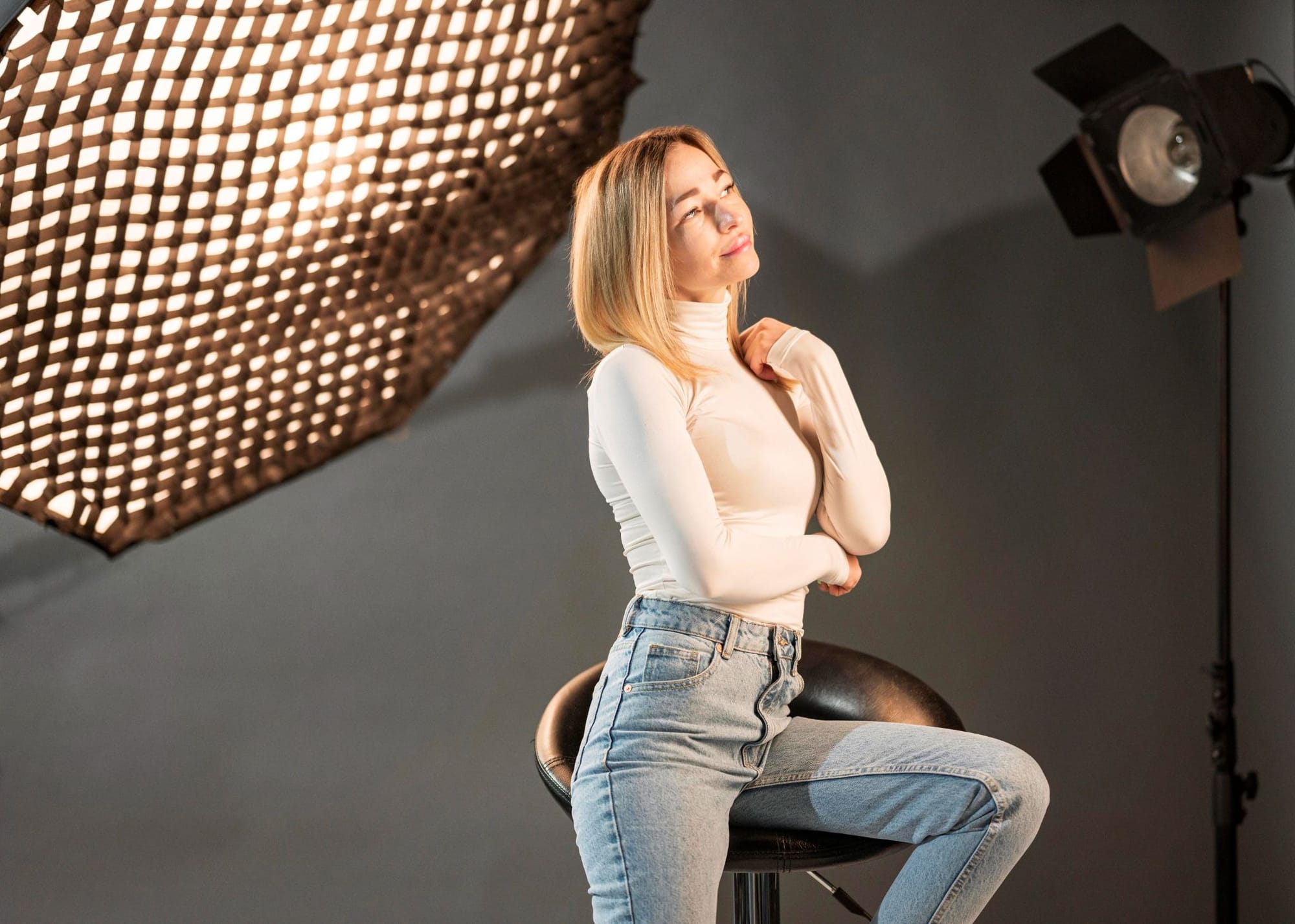
Preparation starts before you reach the studio. Confirm the time, location and wardrobe instructions, and ask about hair or makeup expectations. Avoid making assumptions about styling: the team may need a clean starting point for the planned look. Arrive on time so your preparation does not take time away from the shoot.
At the beginning of the session, make sure you understand the plan and ask any practical questions. Listen to the photographer's direction and stay involved in the work. A professional attitude includes clear communication with the whole team, not only the person holding the camera.
Speak respectfully if an outfit feels uncomfortable or you need clarification. Explain the issue clearly so the stylist or photographer can respond. Working cooperatively does not require ignoring your boundaries. It means making those boundaries understood while helping the team find a workable way forward.
Check Opportunities and Keep Improving

Before agreeing to a casting or collaboration, research the organizer. Look for previous work, clear contact information and a specific explanation of the project. You should know where it will happen, what participation involves and how the images may be used. Vague promises and pressure to respond immediately deserve caution.
Keep your professional contact information easy to find and your online presentation current. If someone asks to use your photographs, clarify their purpose before giving permission. An enthusiastic message is a starting point for a conversation, not a reason to hand over image rights without understanding the request.
Expect some applications to go nowhere. Casting decisions reflect a particular brief, so one rejection cannot tell you everything about your potential. Use quieter periods to practice, update your strongest photographs and act on whatever feedback you can use. Consistent preparation gives you something practical to improve while you continue looking for suitable work.
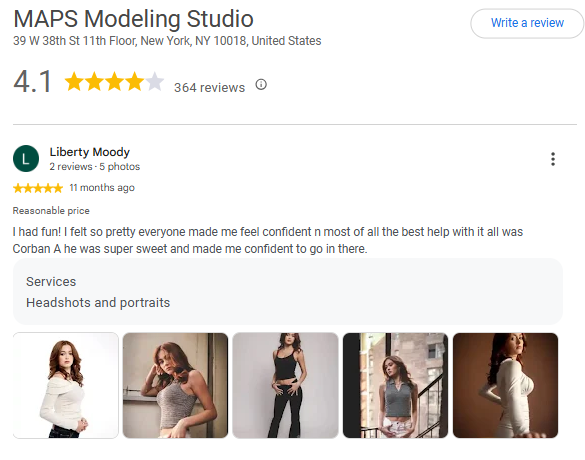
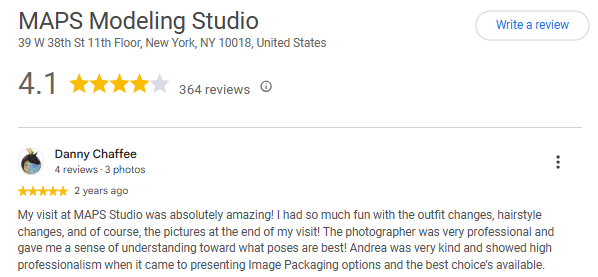
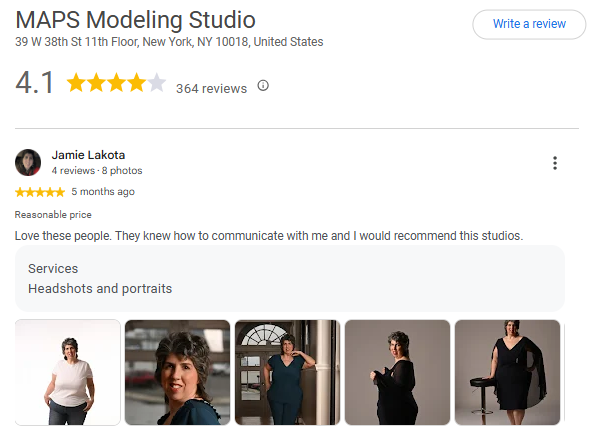
What Our Clients Say About Maps Studio
Preparing for a shoot can bring plenty of questions, especially when you are still finding your confidence in front of the camera. At Maps Studio, we value hearing how clients experienced their time with us. The reviews below share their own feedback about their visits and photography sessions.
Frequently Asked Questions
Can I Start Modeling Without Experience? Yes. Begin with clear photographs, accurate information and an understanding of the opportunities you want to pursue. Follow each casting's requirements and keep developing your skills.
Do I Need Professional Photographs for Every Submission? No. Some agencies and castings ask for simple digitals. Read the instructions first; styled portfolio photographs and straightforward digitals serve different purposes.
What Should I Practice Before a Photoshoot? Practice posture, hand placement and facial expressions, then review how they look in photographs. Work on responding to direction so you can adjust comfortably during the session.
How Should I Handle a Rejection? Avoid treating one decision as a judgment of your worth. Review any feedback worth acting on, keep practicing and apply to opportunities that match your direction.
Final Takeaway
Successful modeling takes a series of practical decisions. Choose work that suits your strengths, keep your modeling portfolio clear and current, and practice the skills that your preferred jobs require. When an opportunity arrives, read the instructions, verify the people involved and communicate openly with the team. Some applications will not lead to work, but you can still improve how you prepare and present yourself. Focus on the parts you control: accurate photographs, thoughtful submissions and dependable habits on set. That gives you a firmer foundation than trying to change everything after every casting decision.
Visit Mapsstudio for more information about photography.
Note: We enjoy sharing creative inspiration, photography tips, and industry insights to help you capture life's best moments. The services, styles, and equipment mentioned in our articles are for informational purposes only and may not reflect our current offerings. For the latest on our photography services and portfolio, visit Maps studio.
Member discussion