
What makes a model portfolio work?

A good portfolio does one job: it shows an agent or client what you look like and what you can do, quickly. That means sharp images, a few different looks, clothing that works with your frame, and a layout that stays out of the way. Update it as you grow and it keeps doing that job. Below is what goes into one, and how to put it together.
Why a professional portfolio matters in modeling
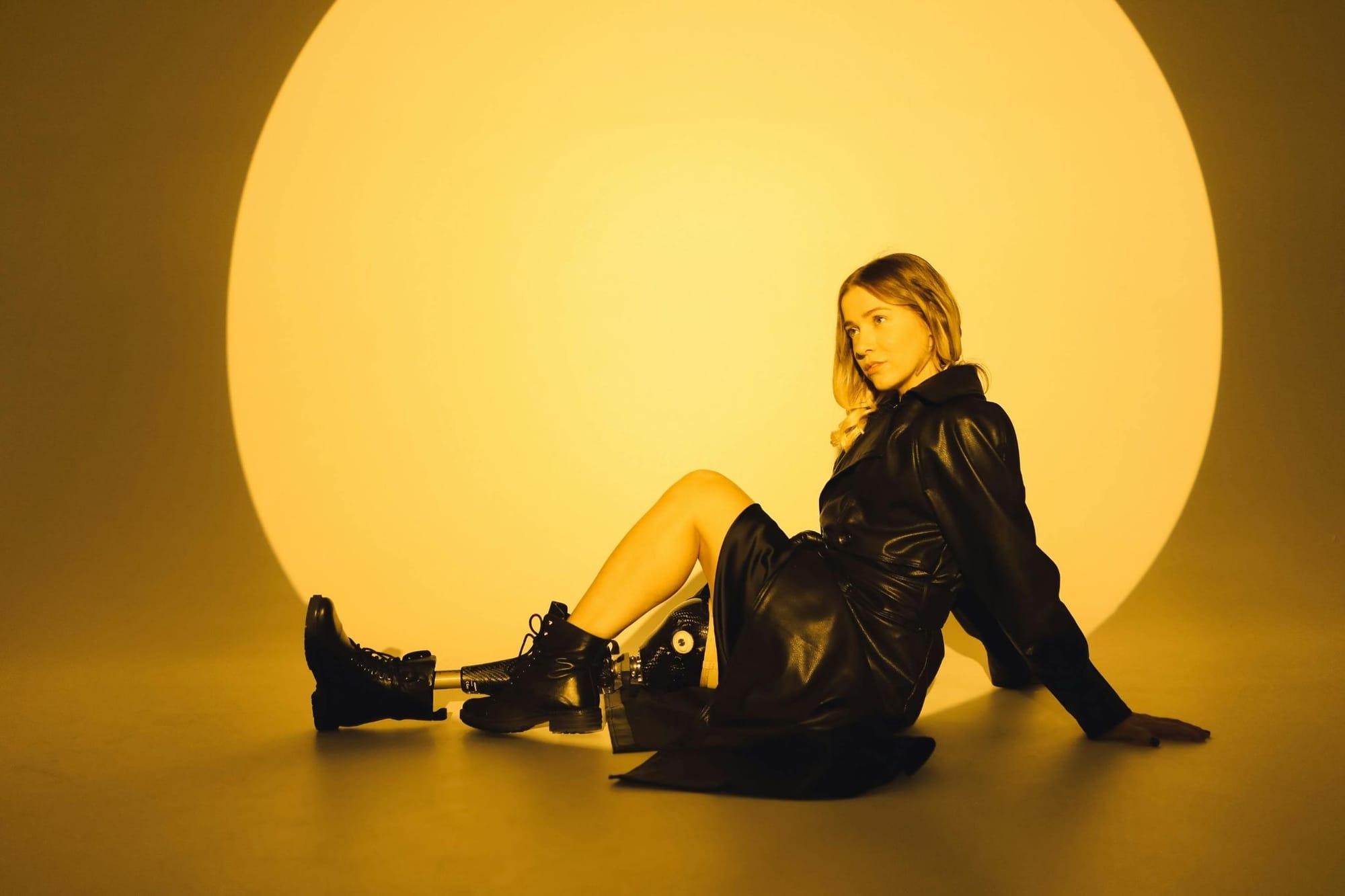
Your portfolio is usually the first thing an agent sees, and often the only thing. It carries your look, your range, and your personal brand before you ever walk into a room.
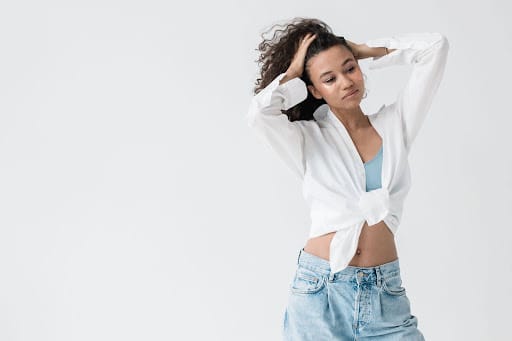
Lifestyle photos earn their place here. They show your personality and how you adapt to different settings, which headshots and full-body shots alone cannot do. Together the three give someone a full read on you and how you would fit a particular job.
Keep it current. A portfolio that reflects where you are now attracts the right work; one that is two years old sells an older version of you.
What goes into a strong portfolio
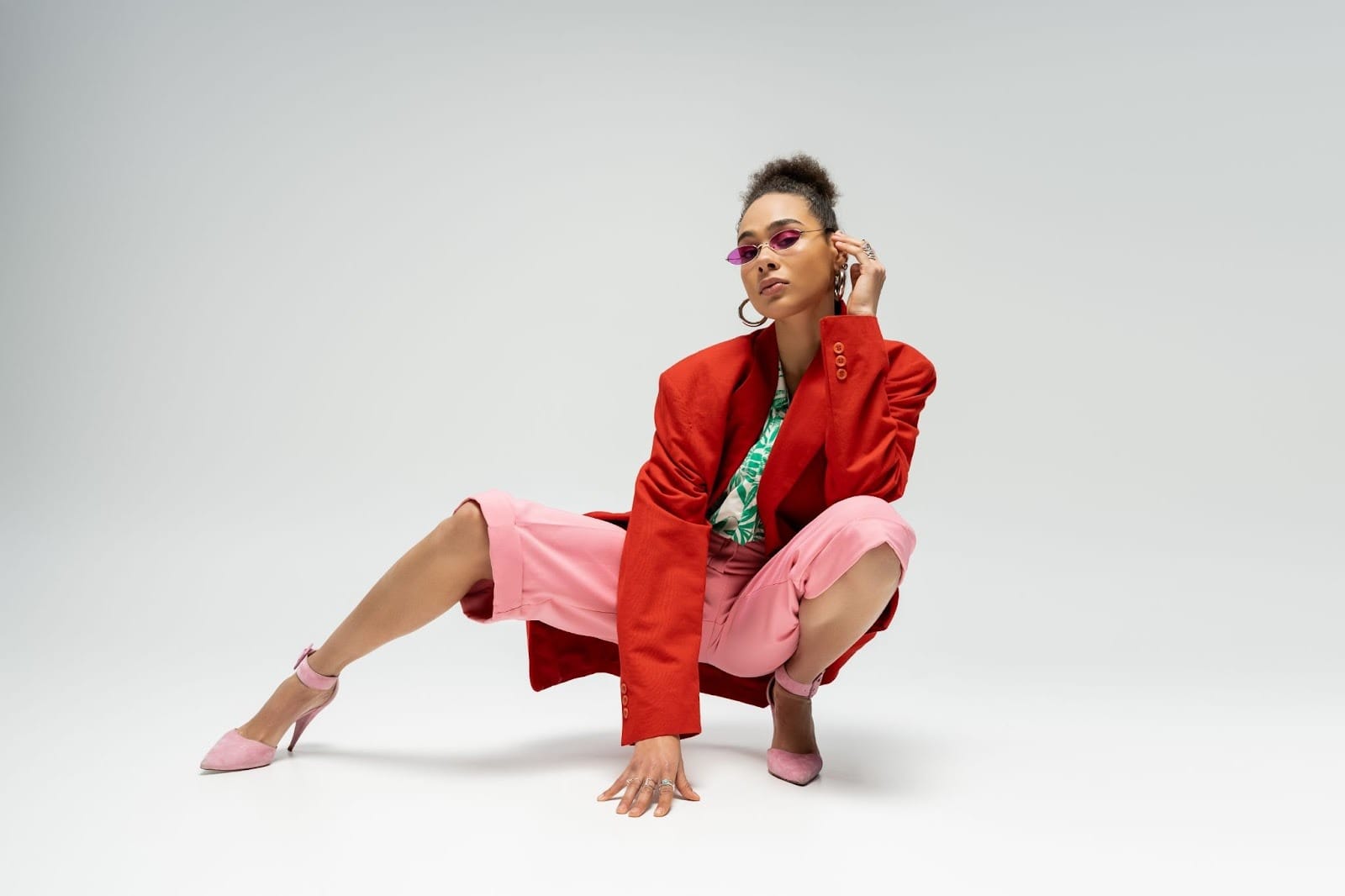
Start clean and natural. Four to six images is enough, and those should cover headshots and full-body shots.
Working with a professional photographer helps more than most people expect. A good one knows your angles, directs you through the shoot, and gets usable frames instead of near-misses.
Clothing matters too. Slim-fitting pieces in classic colors keep the attention on you rather than on the outfit. Add a couple of lifestyle shots for personality and to show you can shift between settings.
Then revisit the whole thing every 6 to 12 months. Present yourself honestly and agents get an accurate sense of who they would be signing.
Showing range without losing focus
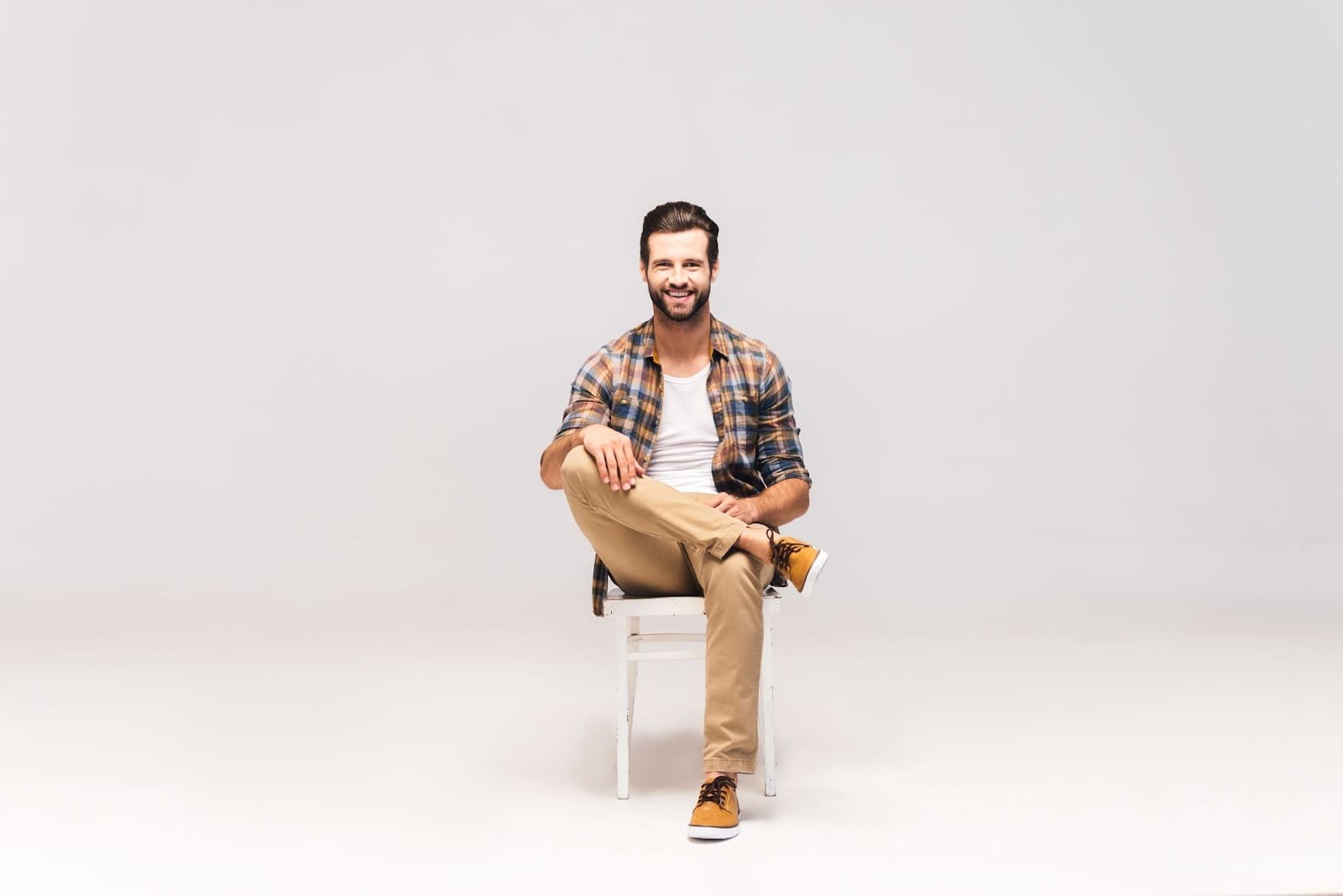
Range comes from the selection, not from the number of photos. Pick images that cover different styles and expressions instead of five versions of the same look.
Good headshots and full-body shots are the base. Lifestyle and commercial images do the rest of the work, since those are what prove you can adapt.
Test different looks and poses before you commit. You will find out fast which ones read as you and which ones read as someone imitating a trend. Vary the angles and the clothing, but keep a consistent style running through the set so it holds together.
A clean layout keeps the focus on the pictures. Ask people in the industry for feedback, act on what makes sense, and refresh the set as you go.
Photography quality
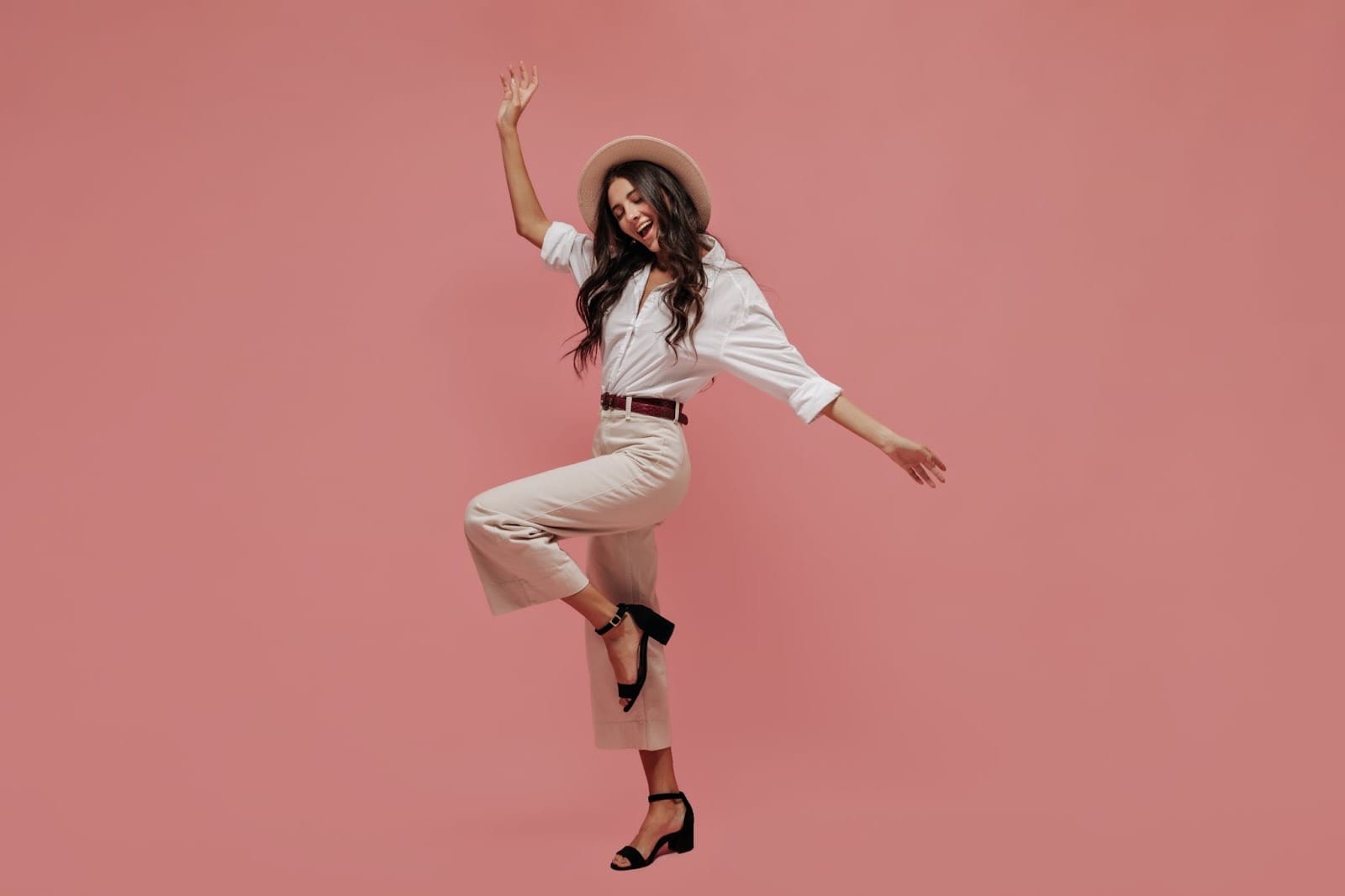
Range only counts if the images are good enough to see it. Professional photos across all the categories, from headshots to lifestyle work, are what carry the portfolio.
An experienced photographer will bring out your features and get frames you would not have thought to ask for, which is the whole argument for hiring one rather than borrowing a friend's camera.
Strong images also work as marketing on their own. A polished portfolio builds your brand and answers the question of whether you are ready for paid work, without you having to make the case yourself.
Keeping it current
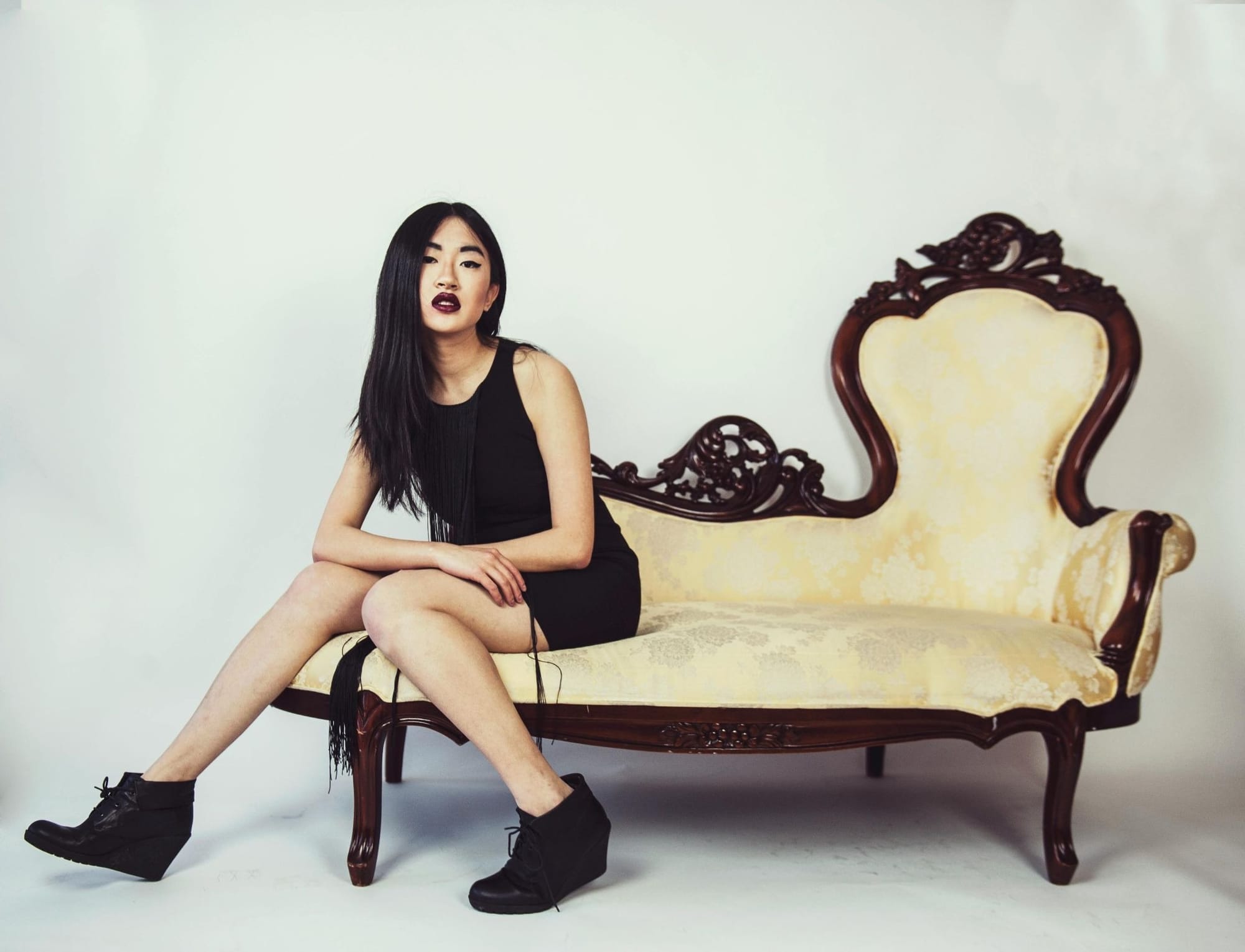
A portfolio is never really finished. Look at yours regularly and ask whether it still matches your skills and your look right now.
Adding new photographs as you go keeps the set honest about where you are and sets the tone for your personal brand. Working with different photographers and designers also brings fresh ideas into your projects.
Keep both a digital and a printed version. Digital travels anywhere, and print still lands harder in a room with someone.
Frequent updates build credibility and get your work in front of more people, which is most of what you need in a crowded field.
Client reviews and feedback
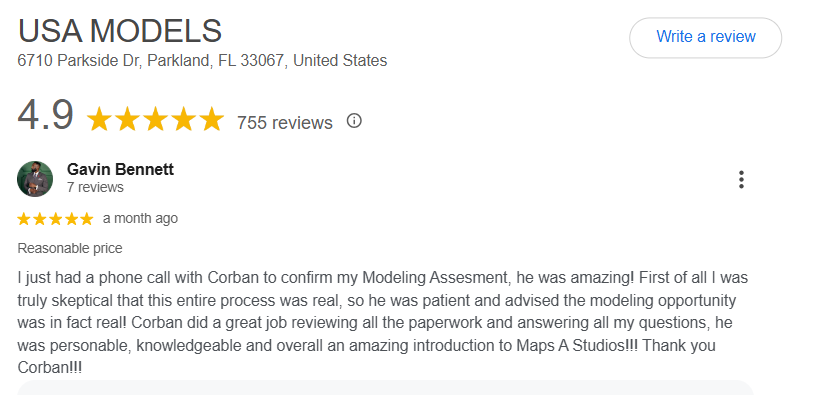
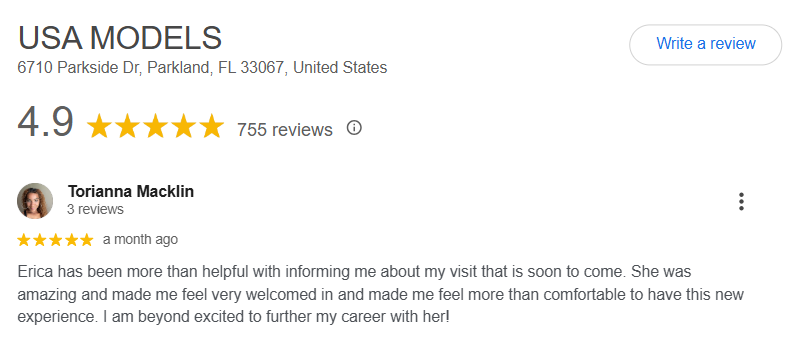
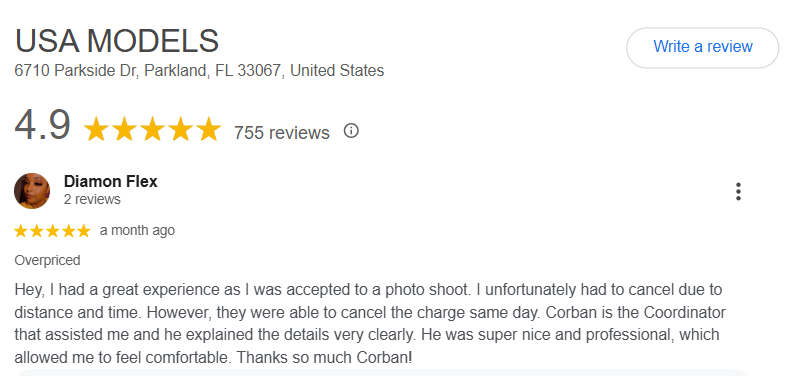
At USA Models Photography, what our clients say matters to us. We have gathered reviews from several platforms so you can see how the work has landed with the models and clients we have shot. Screenshots are below. For more, visit USA Models Photography.
Frequently asked questions
How often should I update my portfolio?
Every 6 to 12 months. That keeps the work current and shows how you have grown, so agents and clients are always seeing your best.
Which modeling niches are in demand?
Fashion, commercial, fitness, and plus-size all have steady work. Figure out where your strengths sit and build the portfolio around that instead of trying to cover everything.
How do I market my portfolio?
Use social media, get to know people in the industry, and go to networking events. Posting your work regularly is what keeps you visible to clients and agencies.
Should I include personal projects?
Yes, if they are good. Personal work shows your creativity and your style, and it gives clients a clearer sense of your range. It also makes the portfolio harder to forget.
What role does social media play?
It is where you post your work, meet people in the industry, and build your name. It also lets you talk to the people who follow your career, which builds a real audience over time.
Wrapping up
A portfolio works when it shows your strengths and your range clearly, and looks professional doing it. Good photography and a varied but focused set of shots will get you most of the way there. Keep it updated, keep it honest to who you are now, and it will hold up in a competitive field.
Note: We share creative inspiration, photography tips, and industry insight to help you capture life's best moments. The services, styles, and equipment mentioned in our articles are informational and may not reflect what we currently offer. For the latest on our services and portfolio, visit USA Models. We would love to create something with you.




Member discussion