
Step-by-Step Guide for Accurate Body Part Modeling
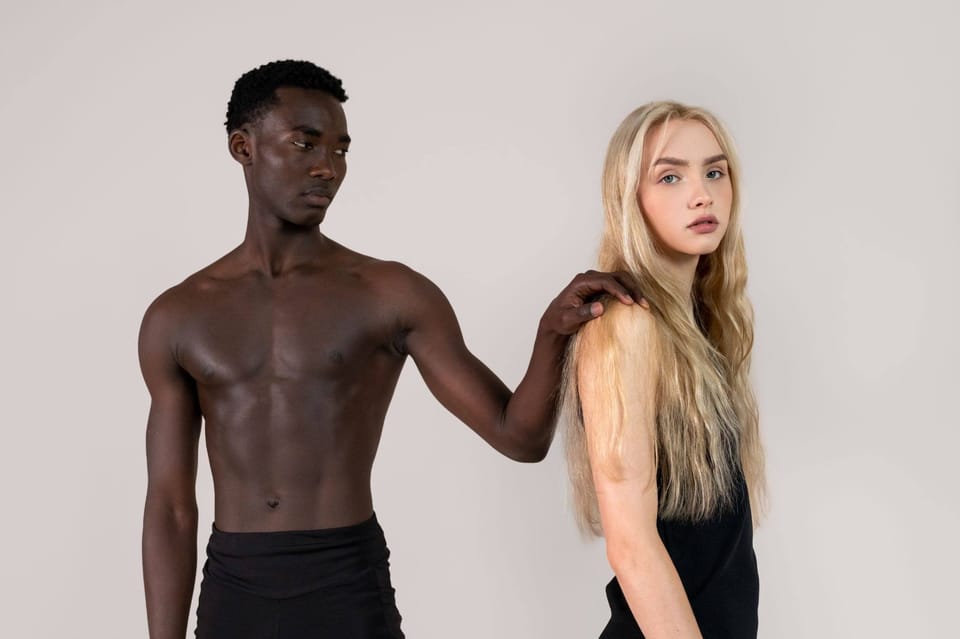
Parts modeling starts with knowing your best features and keeping them in good shape. From there, you build a professional portfolio with high-resolution images. Skincare and grooming matter a lot, since your body parts need to look their best. And networking with people in the industry - especially through social media - is how the work comes in. Here's how to put it all together.
Understanding the essentials of body part modeling
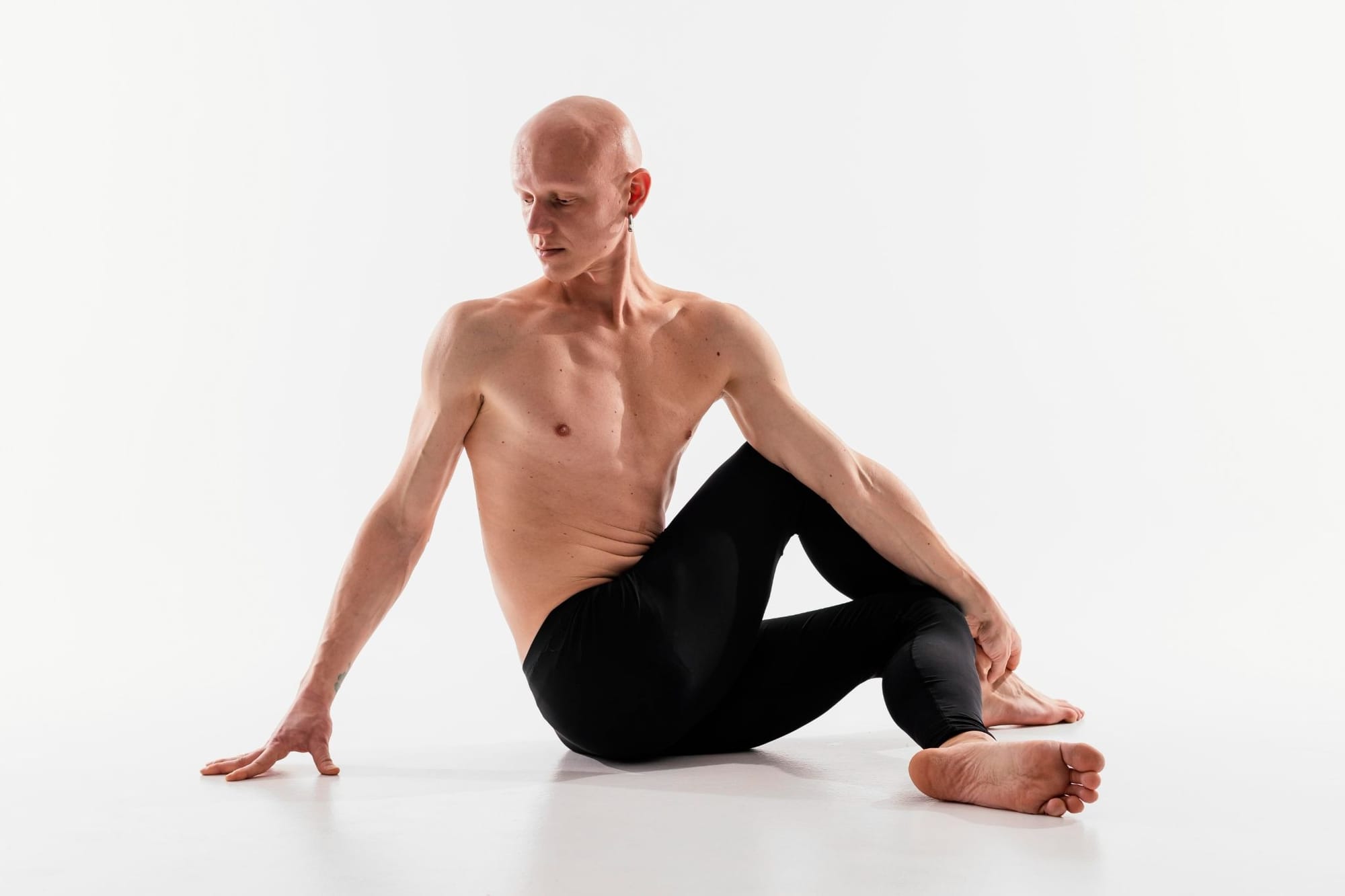
Parts modeling is its own corner of the industry, and it helps to know what it involves before jumping in.
The focus is on specific features - hands, feet, legs - so those parts need to look genuinely good. But looks aren't the whole story; versatility and professionalism count just as much. Parts models show off products in ads and e-commerce, so the role is a real part of how things get marketed. Demand is growing too, driven by social media and video content. To do well, you keep your features in top shape and stay adaptable to different styles. With a solid maintenance routine and a good portfolio, you can stand out and land real work.
Identifying your unique features
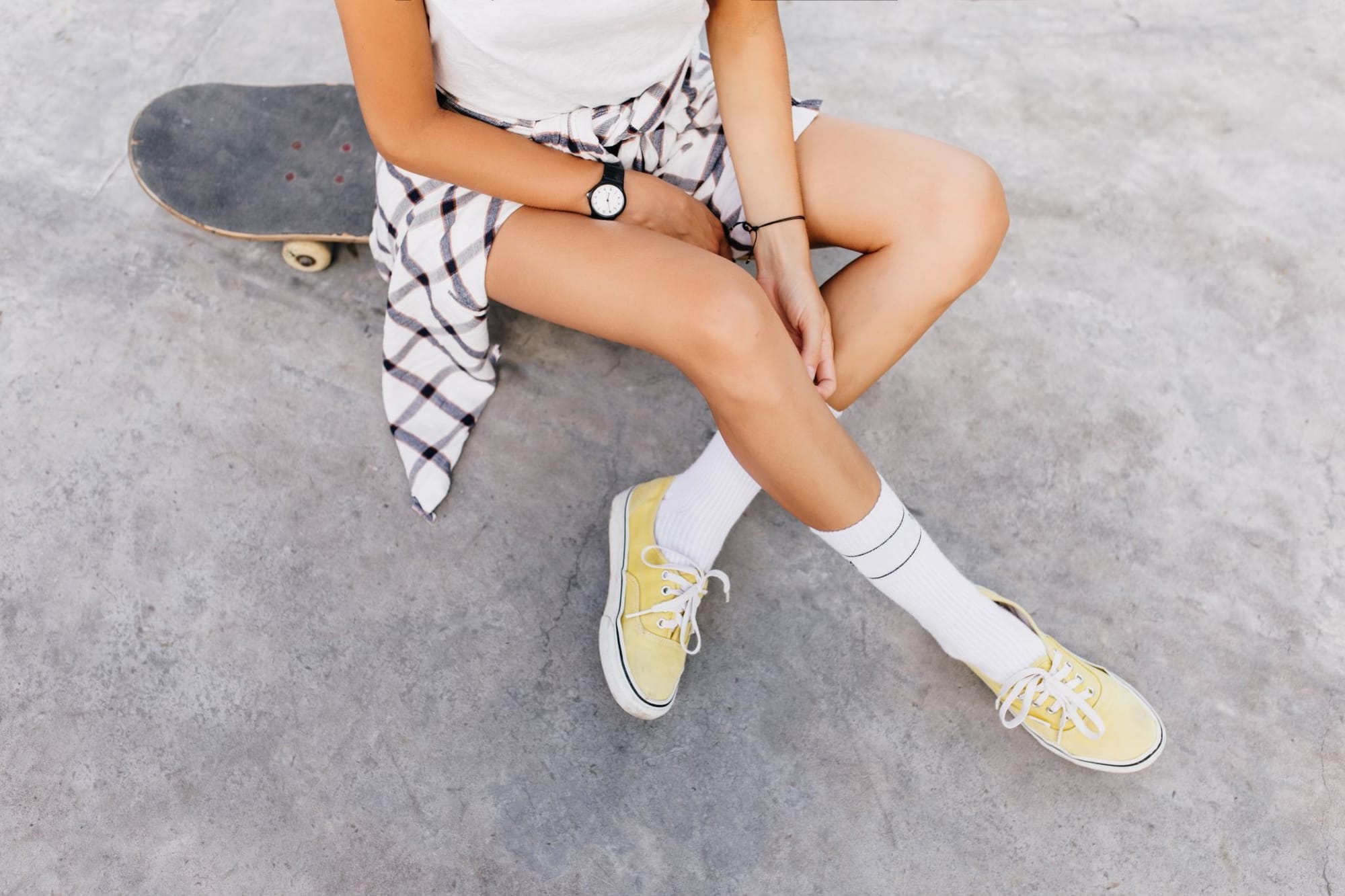
So how do you figure out what makes you a strong parts model? Start by taking stock of what you've got.
Maybe it's smooth skin, well-proportioned fingers, or long legs - whatever it is, spotting those traits is the first step. Focus on what sets you apart, whether that's an interesting freckle pattern or naturally well-shaped nails. Then make sure those features are in top condition, which means regular grooming and care. It also helps to think about what the market actually wants, so you can match your strengths to what clients are looking for.
Crafting a professional portfolio
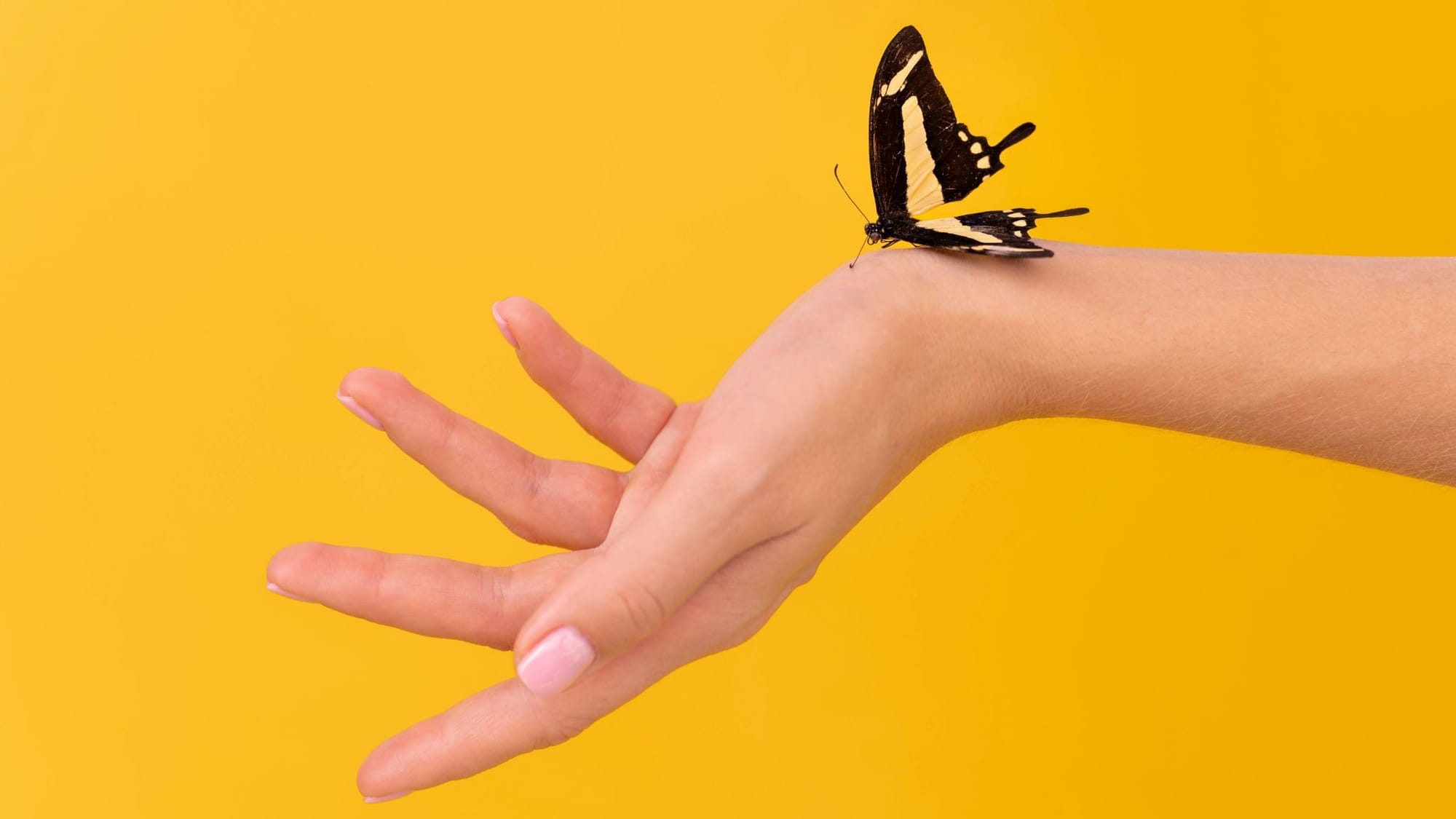
A good portfolio is what gets you into parts modeling, since it's how clients see what you've got.
Lead with high-resolution close-ups of your best features. Clean lighting and plain backgrounds keep the focus where it belongs. Mix in some natural shots and some product-based ones - holding items, for instance - to show you can do different things. Include a few angles and poses of the same body part so clients get the full picture. And skip the filters and heavy editing; your natural texture and tone are exactly what they need to see.
Maintaining body part aesthetics
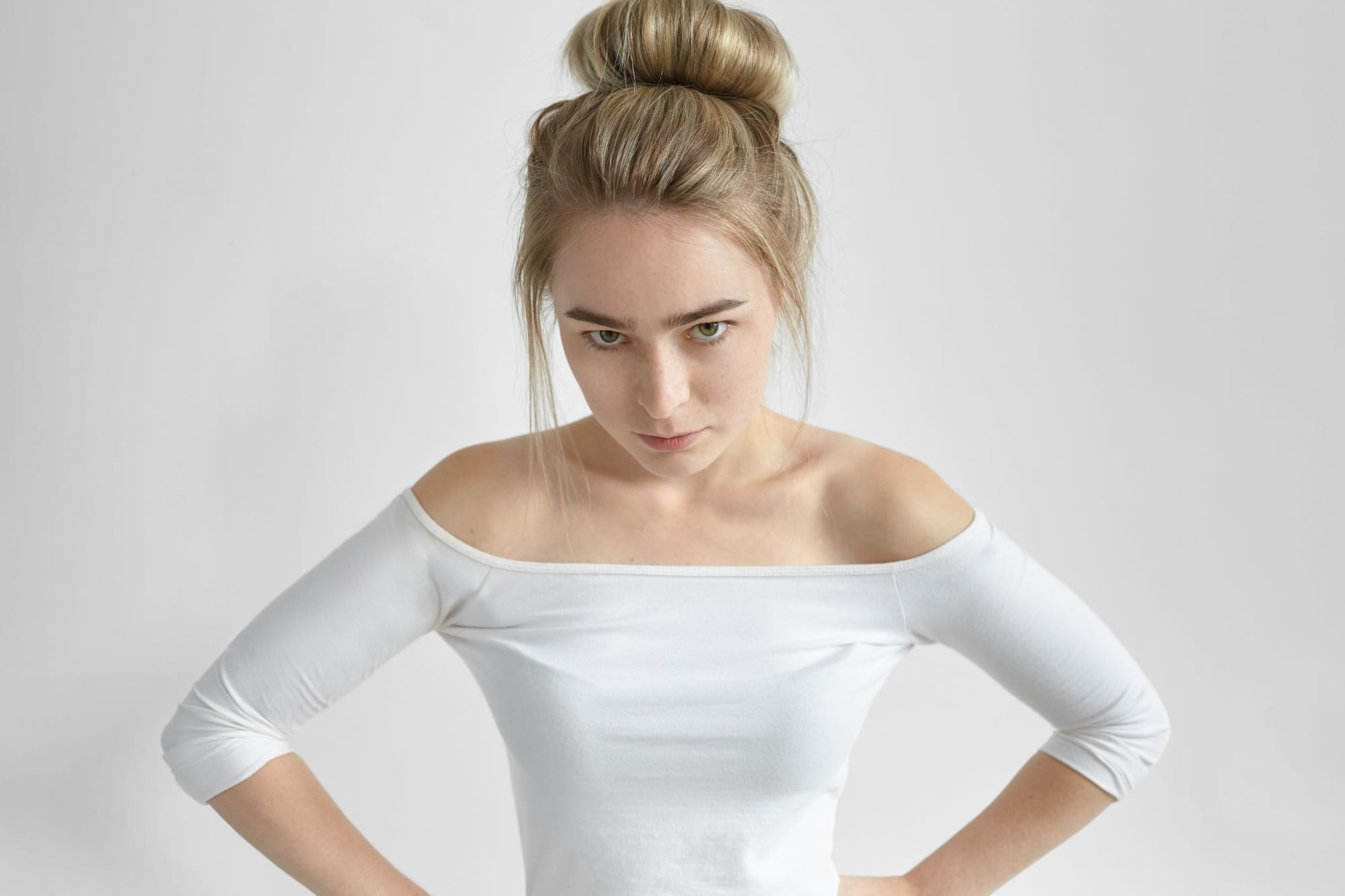
In parts modeling, how your features look directly affects how much work you get, so upkeep matters.
The bar is clear skin, good symmetry, and neat grooming. For hand models, that means long, slender fingers and well-kept nails. Foot models want even toes and smooth skin. Leg models need long, toned legs without blemishes. Whatever your specialty, a consistent skincare routine is non-negotiable - regular moisturizing and staying protected from sun damage keeps your skin looking its best.
Networking and finding opportunities

In parts modeling, who you know goes a long way. Connecting with photographers and casting directors gets you visibility and access to gigs.
Social media, Instagram especially, is a great way to show your work and catch the eye of brands looking for models. It's worth signing with an agency that specializes in parts modeling, since that adds credibility and representation. Industry events, workshops, and even online forums can lead to good contacts and useful insight. And keeping an eye on market trends lets you adjust your portfolio so you stay competitive and appealing to clients after fresh talent.
What parents are saying about USA Models Photography
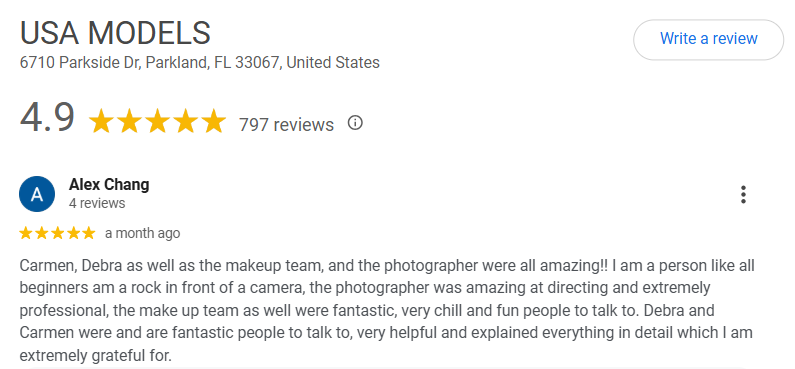
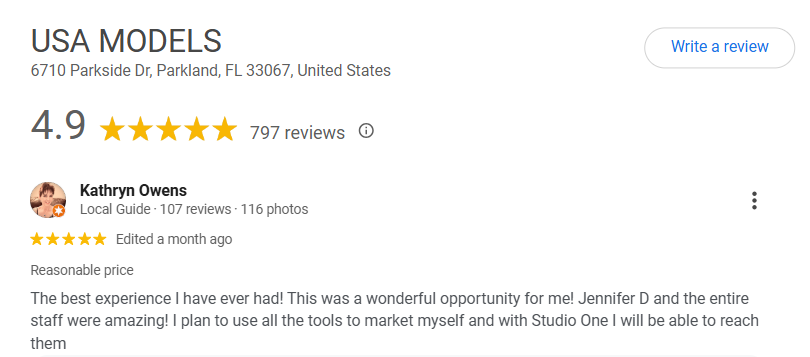
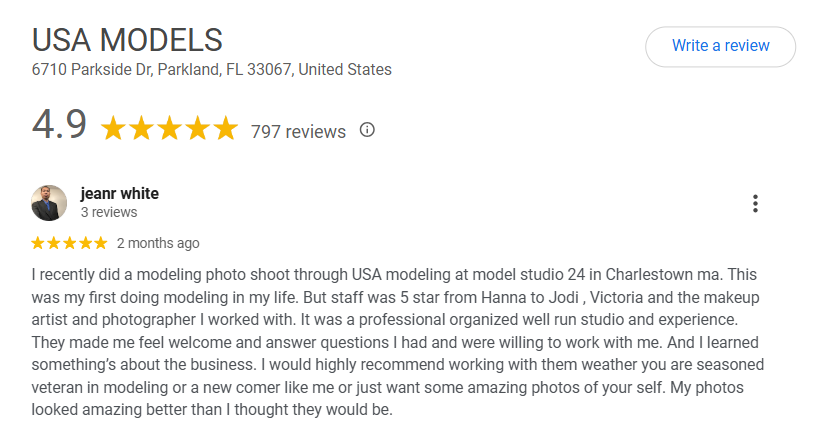
Take a look at these reviews from parents about their experience with USA Models Photography. A lot of them mention how the team put their kids at ease during sessions, and how the photographers captured each child's personality. Parents appreciate the effort to make every session enjoyable. Check out the screenshots below for the feedback. For more, visit USA Models Photography.
Frequently asked questions
What types of products do parts models typically advertise? Things like skincare, nail polish, shoes, watches, and fashion accessories. Parts models show off the look and function of a specific body part, which makes them useful for all kinds of marketing and commercial shoots.
How do I choose the right agency for parts modeling? Look into their reputation, go through their portfolio, and make sure they specialize in your body part. Talking to models who already work with them can tell you a lot too.
What should I wear during a parts modeling photoshoot? Keep it minimal and neutral so nothing distracts from your body part. Comfortable, fitted clothes help your features stand out in the shots.
How can I manage rejection in the modeling industry? It's not easy, but rejection comes with the territory. Stay resilient, take what you can from the feedback, and keep going after the work that fits your strengths.
Are there specific social media strategies for parts models? Show off your best features, share behind-the-scenes content to keep followers engaged, use relevant hashtags, collaborate with brands, and post the odd tip - it all helps you connect with potential clients.
Conclusion
Parts modeling really comes down to knowing your best features and taking care of them. Build a strong portfolio, keep up your aesthetics, and put real effort into networking, and the opportunities in this niche start to open up. Keep refining as you go, and you can build a genuine career in it one feature at a time.
Note: We enjoy sharing photography tips and industry insight to help you capture life's best moments. That said, the services, styles, and equipment mentioned here are for general information and may not match what we currently offer. For our latest services and portfolio, visit USA Models. Let's create something you'll want to keep.



Member discussion