
Mistakes to Avoid When Building a Model Portfolio
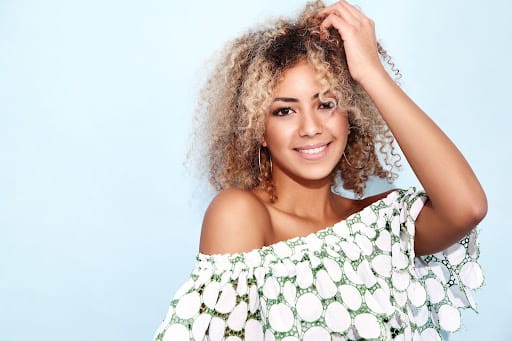
A few mistakes come up again and again when building a model portfolio. Choose a fashion photographer who knows the industry, not a family or portrait specialist. Define a clear niche, because that's what makes you marketable. Focus on the clothing without over-sexualizing your images, and keep things elegant and authentic. Put brand representation ahead of personal allure. Get those things right and your portfolio reflects what you can actually do.
Choose the Right Photographer for Your Model Portfolio
The first step is choosing the right photographer.
Avoid family or portrait photographers, since their work often lacks the fashion expertise that makes images land. Invest instead in experienced fashion photographers who understand market dynamics and bring a trained eye to the work.
That investment shows up in the quality of your images and in how well they present you. A well-curated portfolio reflects your look and your ability to sell a brand.
Define Your Niche: Why Direction Matters
Modeling is competitive, and a clear niche is what keeps you from getting lost in it. Trying to cover every possible look dilutes your appeal.
Agencies prefer models with a clear focus, because it reads as professional and makes your strengths easier to market. Picking the right modeling category is how you capture the attention of potential clients.
Keep the portfolio updated with recent images that match your current style and look. Outdated photos misrepresent you, while a clear, organized presentation lets the work speak.
Storytelling matters too. Each image should convey emotion and personality, showing more than just fashion.
Balance Fashion and Sensuality in Your Portfolio
Your focus should be on the clothing, not your body. Four points to consider:
- Emphasize fashion. Make the clothing the star of your images, with its details and fit clearly visible.
- Avoid over-sexualization. Keep poses elegant and sophisticated, since suggestive imagery undermines professionalism.
- Maintain authenticity. Authentic looks resonate more with clients, so opt for clean, natural styling.
- Storytelling matters. Each shot should tell a story that connects with the audience and conveys emotion and style.
Prioritize Brand Representation in Modeling
Focusing on the brand instead of yourself is what matches your portfolio to what the market wants. Each image should tell a story about the product, not just about how you look.
That emphasis makes you more appealing to agencies and clients who want models who can communicate their message.
Avoid overly personal or self-indulgent shots. Curate the portfolio around specific modeling categories instead, whether that's fashion, commercial, or lifestyle.
That kind of intentionality signals professionalism and an understanding of what the industry wants, which makes it easier to land the opportunities that fit your career goals.
Present Yourself Professionally and Authentically
Presenting yourself professionally and authentically makes a lasting impression on agencies and clients. A polished portfolio shows you take modeling seriously.
Four ways to come across as professional and genuine:
- Invest in quality photos. Choose experienced photographers who understand the fashion industry, since their expertise raises the quality of your images.
- Maintain consistency. Make sure the portfolio matches your modeling niche and shows a clear direction and style.
- Keep it authentic. Minimal retouching and natural makeup show who you really are, which reads as relatable and trustworthy.
- Update regularly. Refresh the portfolio every few months, replacing outdated images with recent work to show ongoing growth.
What Our Clients Are Saying: Reviews of Maps Studio
At Maps Studio, we take our clients' experiences and feedback seriously. This section shares some recent reviews from various platforms like Google My Business. These testimonials describe how our sessions have helped models present their skills and create standout editorial portfolios. The screenshots below show what clients say about working with us. For more details, visit Maps Studio.
Frequently Asked Questions
How Often Should I Update My Model Portfolio? Every six months, or whenever your look changes. Keeping it fresh means it shows your latest work and matches current market trends.
What Types of Images Should Beginners Include? A mix of headshots, full-body shots, and lifestyle images that show versatility. Your features and style are what help potential clients see your potential and match you to their brand.
Can I Use Smartphone Photos for My Portfolio? You can, but they shouldn't be your only option. Professional photography improves image quality and appeal and presents your potential more effectively to agencies and clients.
How Do I Choose the Right Modeling Agency? Research their reputation, clientele, and success stories. Connect with current models, attend open calls, and check that their vision matches your goals for growth.
What Clothing Styles Should I Wear for Portfolio Shoots? Versatile, timeless clothing that shows your features. Neutral colors and classic styles work best, keeping the focus on you rather than the outfit.
Conclusion
Building a model portfolio means staying mindful of these common pitfalls. Choosing the right photographer, defining your niche, balancing fashion with sensuality, prioritizing brand representation, and presenting yourself authentically is what produces a standout portfolio. It comes down to showing your strengths while meeting what the industry expects.
Visit Mapsstudio for more information about photography.
Note: We enjoy sharing creative inspiration, photography tips, and industry insights to help you capture life's best moments. The services, styles, and equipment mentioned in our articles are for informational purposes only and may not reflect our current offerings. For the latest on our photography services and portfolio, visit Maps studio.


Member discussion