
Kickstart your modeling career with this step-by-step guide
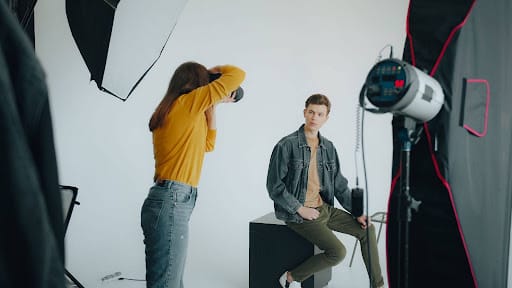
Getting a modeling career off the ground starts with knowing your niche, which means looking honestly at your strongest features and where you feel comfortable. From there it's a portfolio with real range behind it. Skills like body language and adaptability decide how well you handle whatever a job throws at you. And social media and networking are where most of the work actually turns up. Here's how to work through each of them.
How to identify your modeling niche
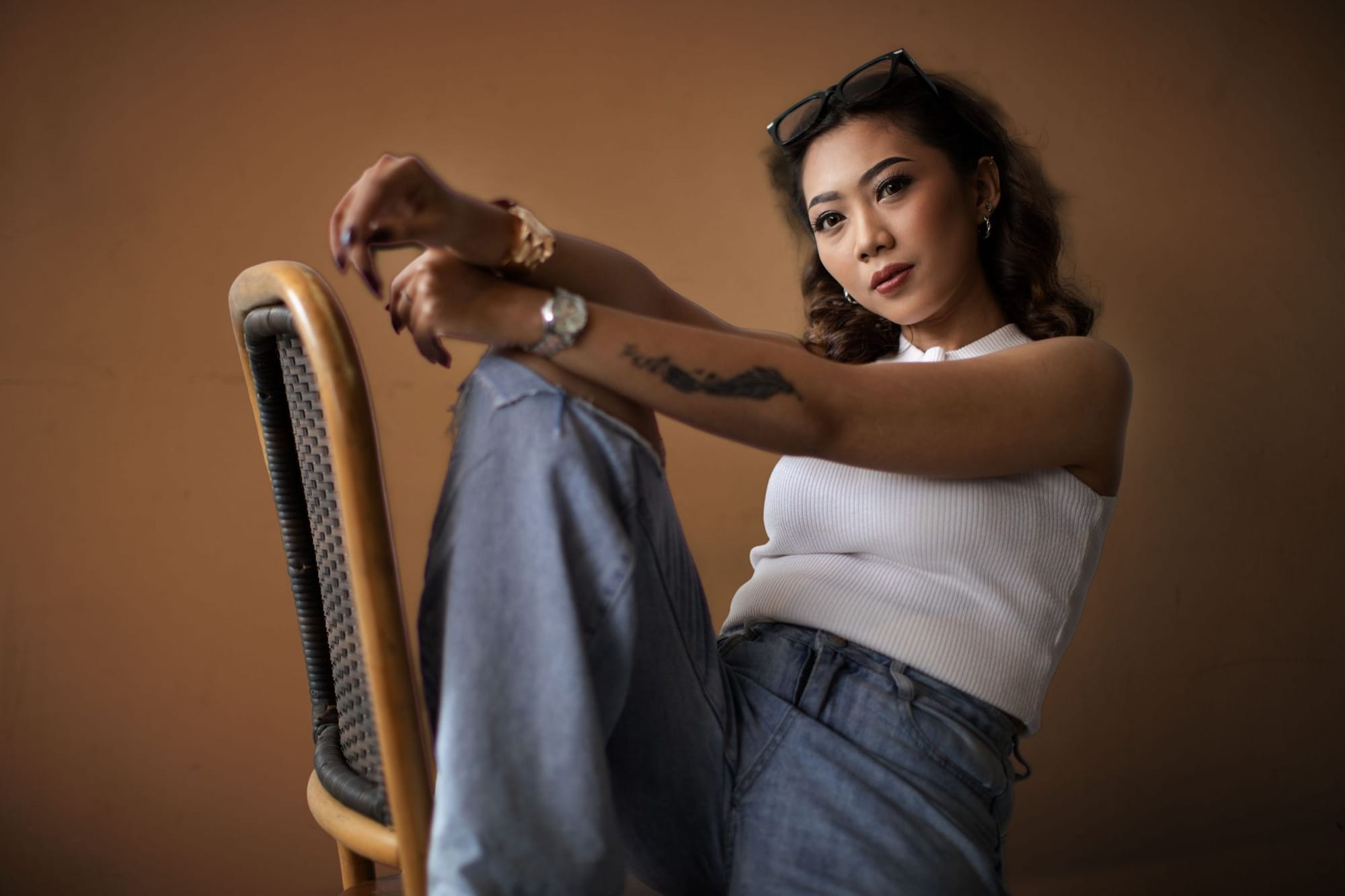
Start with your strongest physical features and the style that already feels like yours. High fashion suits some people; lifestyle campaigns suit others.
Be honest about how comfortable you are in your own appearance, because confidence carries a lot of weight in this work.
Look for local opportunities to test the waters, whether that's student fashion shows or brand ambassador roles. Both give you experience and show you where your strengths sit.
Research what your local market actually wants, since demand varies more by place than people expect. Stay open to feedback and the right niche becomes clear.
Crafting your unique modeling portfolio

Your portfolio should show what makes you different and where your strengths are.
Include a range of clear, quality images covering different poses, expressions, and settings. Working with professional photographers who understand what you're going for is how you get there.
Cover both headshots and full-body shots so clients can judge your range for themselves.
Skip the heavy filters. Natural, clean photos land better with the people who book models.
The book should look like you and match the kind of modeling you're chasing. Add new images regularly to keep it current, because this industry moves and an old portfolio starts working against you.
Essential skills for aspiring models
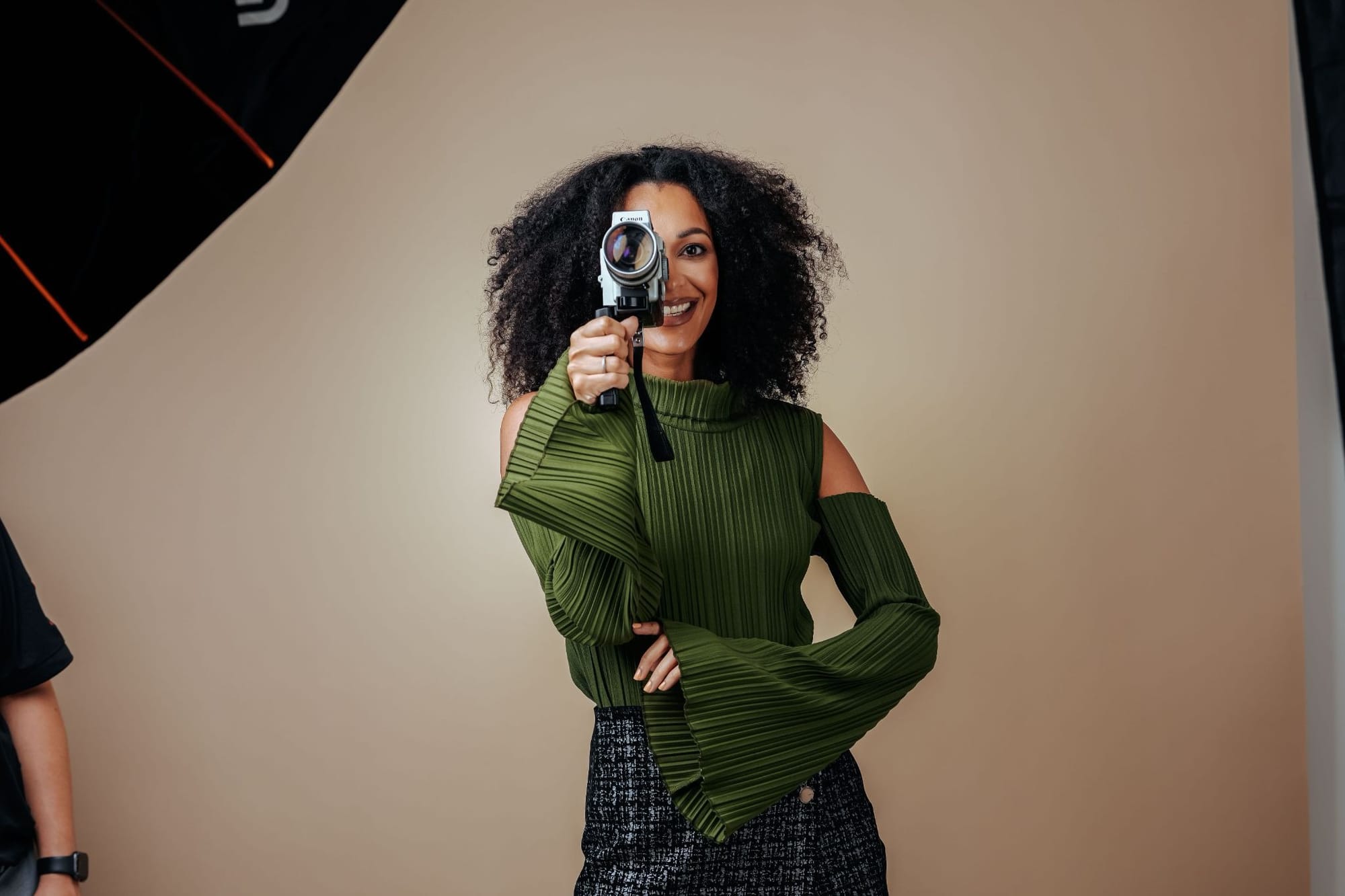
A few skills separate working models from everyone else.
Body language and posing come first. Hold a confident posture and learn to adapt it to whatever style the job calls for.
Staying fit and flexible is what gets you through long shoots and the poses that ask something of you.
Adaptability lets you handle different kinds of projects and work well with all sorts of professionals.
The soft skills matter too. Communication, time management, and problem solving come up constantly on set.
Understanding fashion, styling, and the basics of photography rounds it out and makes you easier to work with. Build these and you leave an impression that lasts past the shoot.
Finding job opportunities and making connections

Finding work and building connections is difficult without a plan. Three strategies that help:
- Monitor platforms. Watch social media and professional sites for listings, and apply quickly, since timing genuinely matters.
- Network actively. Get to events, auditions, and workshops. A lot of jobs never get posted anywhere and come through people instead.
- Engage online. Join forums and interact with brands and agencies. That visibility is what gets you noticed in a crowded market.
Leveraging social media for modeling success

Social media changes what's possible in this career. Instagram and TikTok both let you show your talent and your style to clients and agencies who'd never find you otherwise.
Build a personal brand that holds together, and present yourself honestly. Behind-the-scenes content and updates are what keep followers engaged.
Keep an eye on current trends, since being part of them raises your visibility. Engaging with brands and joining challenges widens your reach further.
Post quality images regularly and talk to your audience. That's what builds a following and establishes you as a professional rather than a hobbyist.
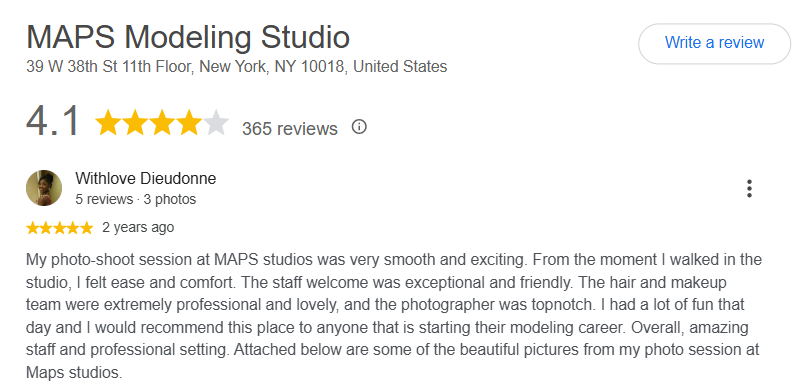
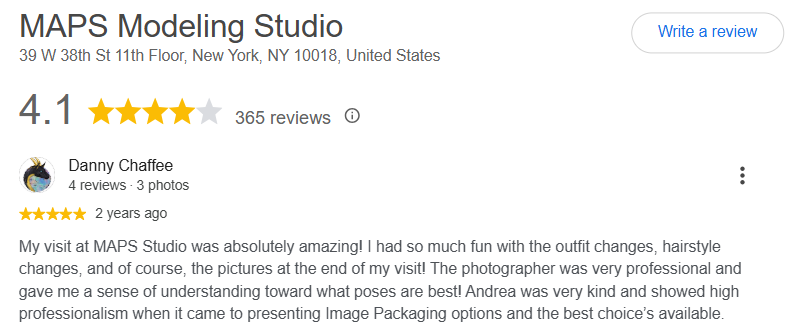
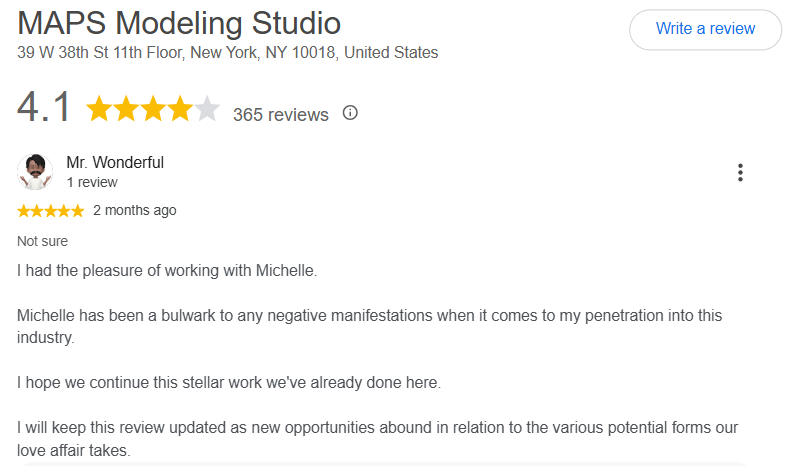
What clients say about MAPS Studio
Before choosing a photography studio for your portfolio, it helps to see what previous clients have said. Below are screenshots of reviews from platforms such as Google Business Profile and other review sites, giving you a clearer picture of what working with MAPS Studio is like. To learn more about the studio and its services, visit MAPS Studio.
Frequently asked questions
What age is too late to start a modeling career? There isn't one. Plenty of successful models start in their late teens or well into adulthood. Passion and commitment matter more than the number.
How important is height in modeling opportunities? It matters, but it isn't everything. Your distinctive qualities and your skills can carry you a long way. Focus on confidence and range.
Can models have visible tattoos or piercings? Yes. A lot of brands actively want individuality now. Research the specific market and brand requirements, though, since preferences vary widely between modeling sectors.
What should I wear to a casting call? Fitted, neutral-colored outfits that show your shape, with minimal accessories so your natural look comes through. Comfort matters too, since you need to move confidently.
Are there specific modeling certifications I need? No. Classes can sharpen your skills and your understanding of the industry, but a strong portfolio and real experience count for more than credentials here.
Conclusion
Starting a modeling career comes down to these steps. Find your niche, build a portfolio that stands up, and work on your skills. Networking and social media do a great deal for your visibility in a competitive industry. Approach it with determination and the right method, and the career becomes real.
Visit Mapsstudio for more information about photography.
Note: We enjoy sharing creative inspiration, photography tips, and industry insights to help you capture life's best moments. The services, styles, and equipment mentioned in our articles are for informational purposes only and may not reflect our current offerings. For the latest on our photography services and portfolio, visit Maps studio.




Member discussion