
5 tips for building your perfect modeling portfolio
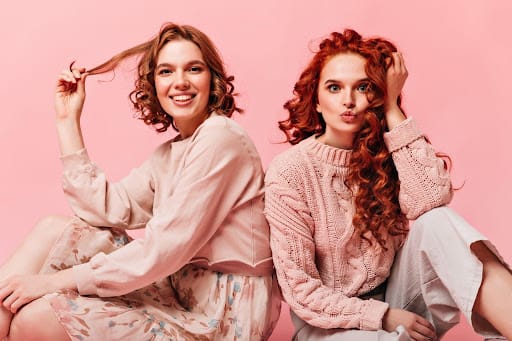
A strong modeling portfolio shows different sides of us, from high-fashion to lifestyle. That means professional photography instead of phone snaps, a tight edit of only our best images, and regular updates as our look and experience change. A digital version helps too, since clients can find us and view our work from anywhere. Here are five things that make the difference.
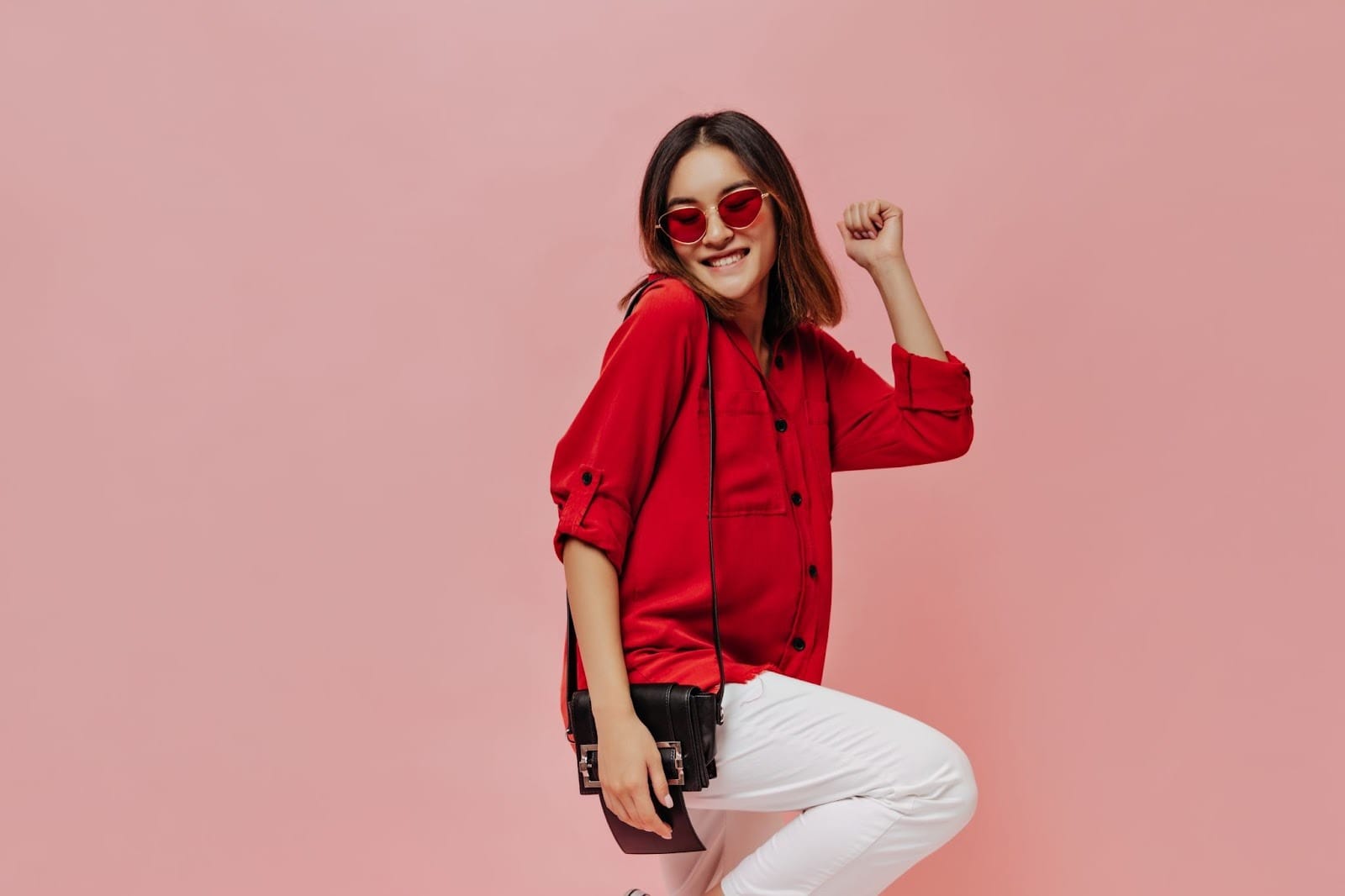
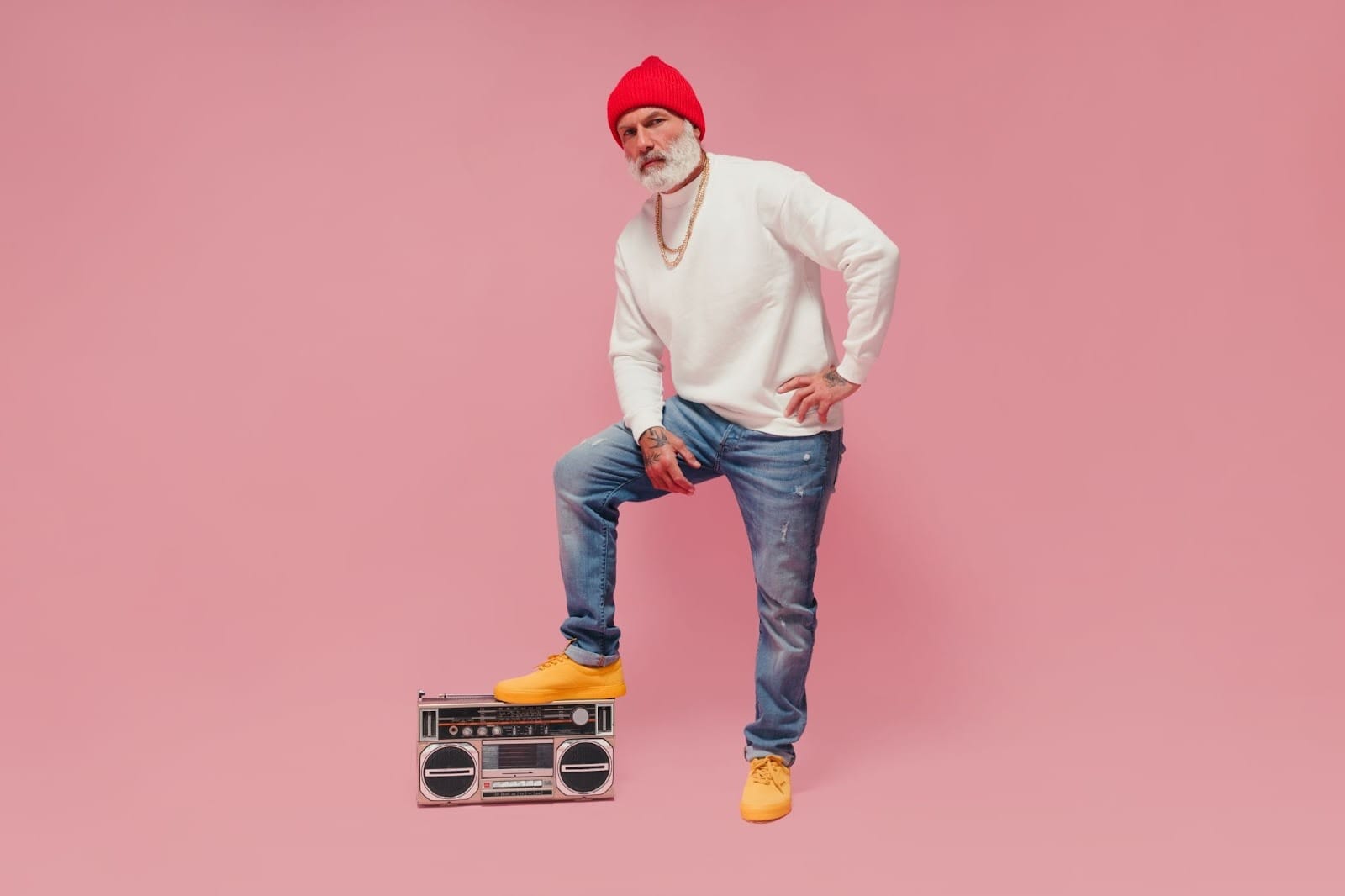
Show a range of looks
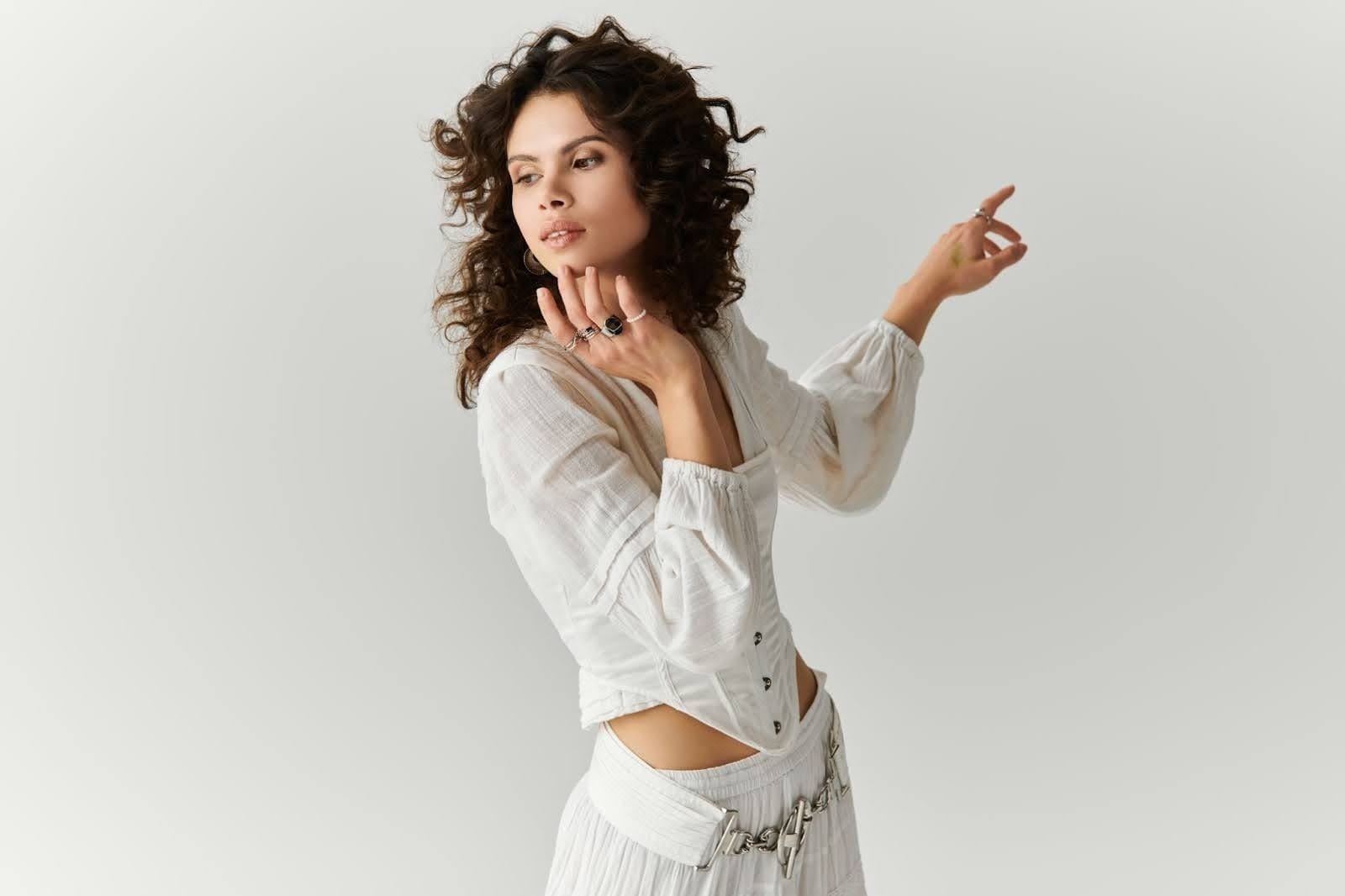
Casting directors want to know what we can handle, so one style is never enough.
Mixing high-fashion, commercial, editorial, and lifestyle shots gives them that answer. Different outfits, locations, and expressions show we can shift between roles instead of doing one thing well.
The more types of work our images cover, the more jobs we're in the running for. Every shot should say something specific about us and what we bring to a set.
Range also tells a story about where we've been and where we're headed, which is worth as much as any single image.
Invest in professional photography
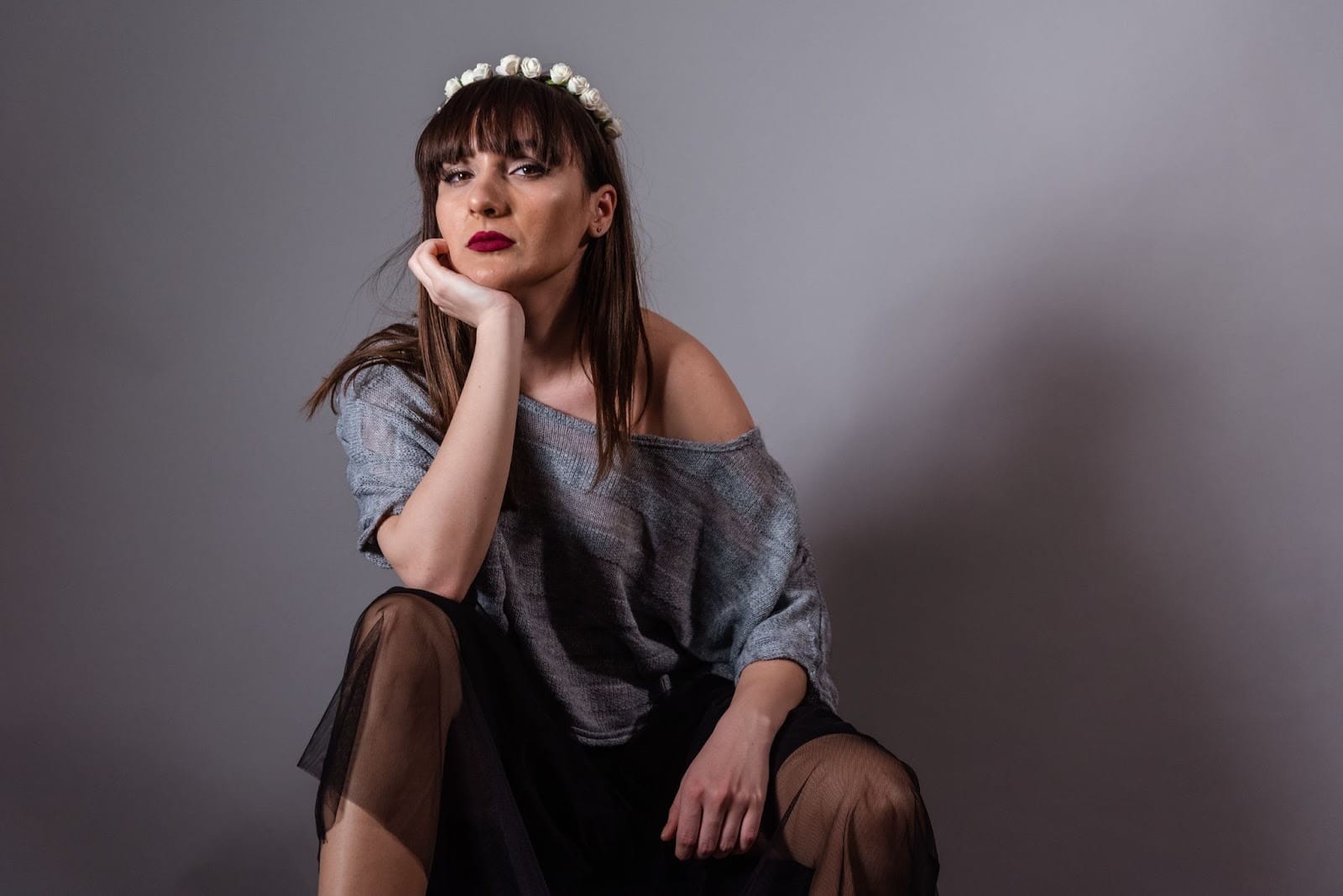
Once we know which looks we want, the photography itself decides how they land. Good images bring out our strengths and features in a way phone photos never do.
Working with an experienced photographer also gets us real direction on posing and expression, and that direction usually shows in the final frames. Selfies and amateur shots read as unpolished to anyone reviewing portfolios all day.
What we want instead are clean, well-composed images that match our brand and style. The money spent here tends to come back in the form of agency and client attention.
Include only your best shots
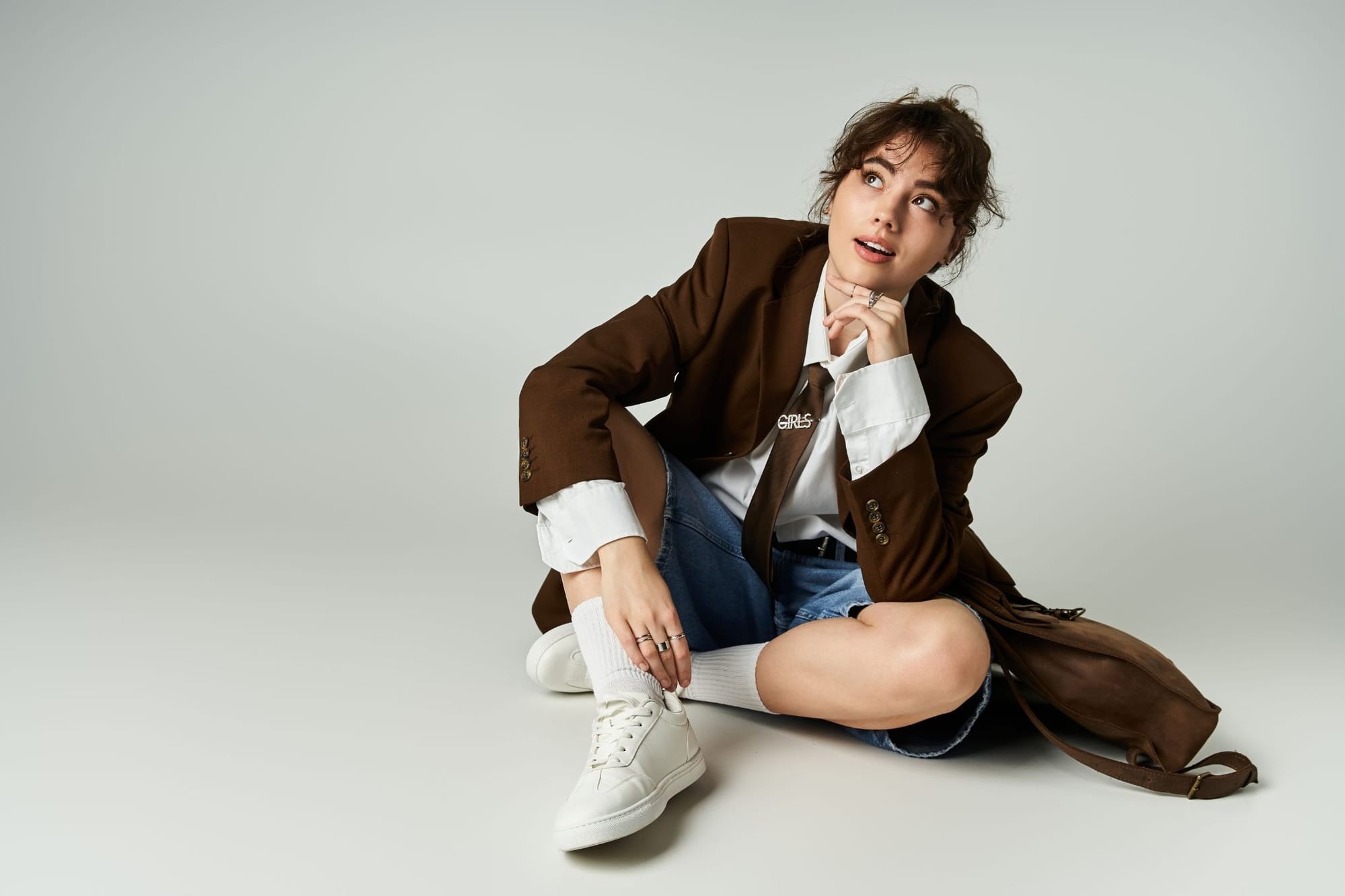
A tight portfolio beats a big one. Our strongest images do the storytelling, so everything else just gets in the way.
Three things to keep in mind:
- Quality over quantity. Ten to fifteen strong images is plenty. Anything more and viewers start skimming.
- Variety and representation. Open with a strong headshot, follow with a full-body shot, then mix in editorial and commercial looks that match the work we want.
- Purposeful selection. Every image should earn its place by showing something the others don't.
Edit this way and the portfolio stays memorable instead of exhausting.
Keep it updated
Our look changes, our credits grow, and the portfolio has to keep up.
New hairstyle, recent shoots, notable jobs: all of it belongs in there. Current work also tells clients we're active, not coasting on photos from two years ago.
Old images can misrepresent us entirely, so a refresh every six months is a reasonable habit. That keeps the portfolio in line with current trends and with what we can actually do today.
Staying current shows growth, and it puts us in front of clients while they're still hiring.
Consider a digital portfolio
Updating the book is one thing. Having it online is what gets it seen.
A web presence puts our work in front of people who would never see a physical portfolio, and it makes follow-up easy after a casting.
Three reasons it's worth setting up:
- Easy access. Clients can pull it up any time, from anywhere.
- Versatile formats. Photos, video, and behind-the-scenes content all live in one place, which shows more personality than stills alone.
- Real-time updates. New look or new project, and the portfolio reflects it the same day.
For how the industry works now, an online portfolio isn't optional.
What our clients are saying
At USA Models Photography, client feedback tells our story better than we can. We've collected reviews from Google My Business and other platforms so you can read them yourself. They speak to the quality of the work and to the portfolios we've helped models put together. The screenshots below show what people have said about working with us. For more, visit USA Models Photography.
Frequently asked questions
How long should a modeling portfolio take to create?
Anywhere from a few weeks to a few months. It's worth taking the time. Choosing photos and finding the right photographer both go better unrushed, and the result reflects that.
Can I include amateur photos in my portfolio?
No. Amateur shots pull down everything around them. Stick to professional images that show your range and your strengths to clients and agencies.
How do I choose the right photographer?
Look for someone whose existing work looks like what you want. Go through their portfolio, tell them clearly what you're after, and make sure they understand the looks you have in mind before you book.
What is the ideal number of outfits for a shoot?
Four works well. It gives you enough variety to move from casual to bold statement pieces and show different sides of your modeling identity.
Should I include personal projects in my portfolio?
They can work in your favor. Personal projects show creativity and a point of view, which makes you easier to connect with. Just pick the ones that fit your overall brand.
Conclusion
Building a strong modeling portfolio comes down to showing your style and your range. Professional photography and regular updates do most of the heavy lifting. Keep the edit tight, put the work online where more people can see it, and the portfolio will represent you the way you want to be seen in this industry.
Note: We enjoy sharing creative inspiration, photography tips, and industry insights to help you capture life's best moments. The services, styles, and equipment mentioned in our articles are for informational purposes only and may not reflect our current offerings. For the latest on our photography services and portfolio, visit USA Models.


Member discussion