
3 Key Steps for Aspiring Models to Build Stunning Portfolios
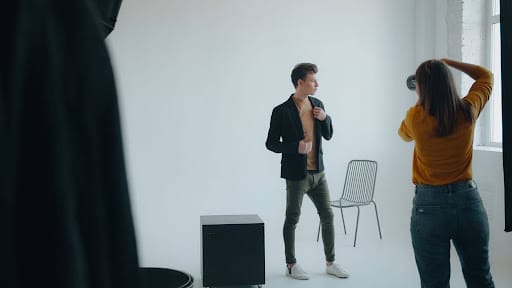
Starting a modeling portfolio can feel confusing when every photograph seems to need a different look. A good starting point is to plan the work you want, prepare a focused shoot, then select the images that represent you well. These three steps give your portfolio a purpose while leaving room to show personality. Here is how to put them into practice.
Choose the kind of modeling your portfolio should support
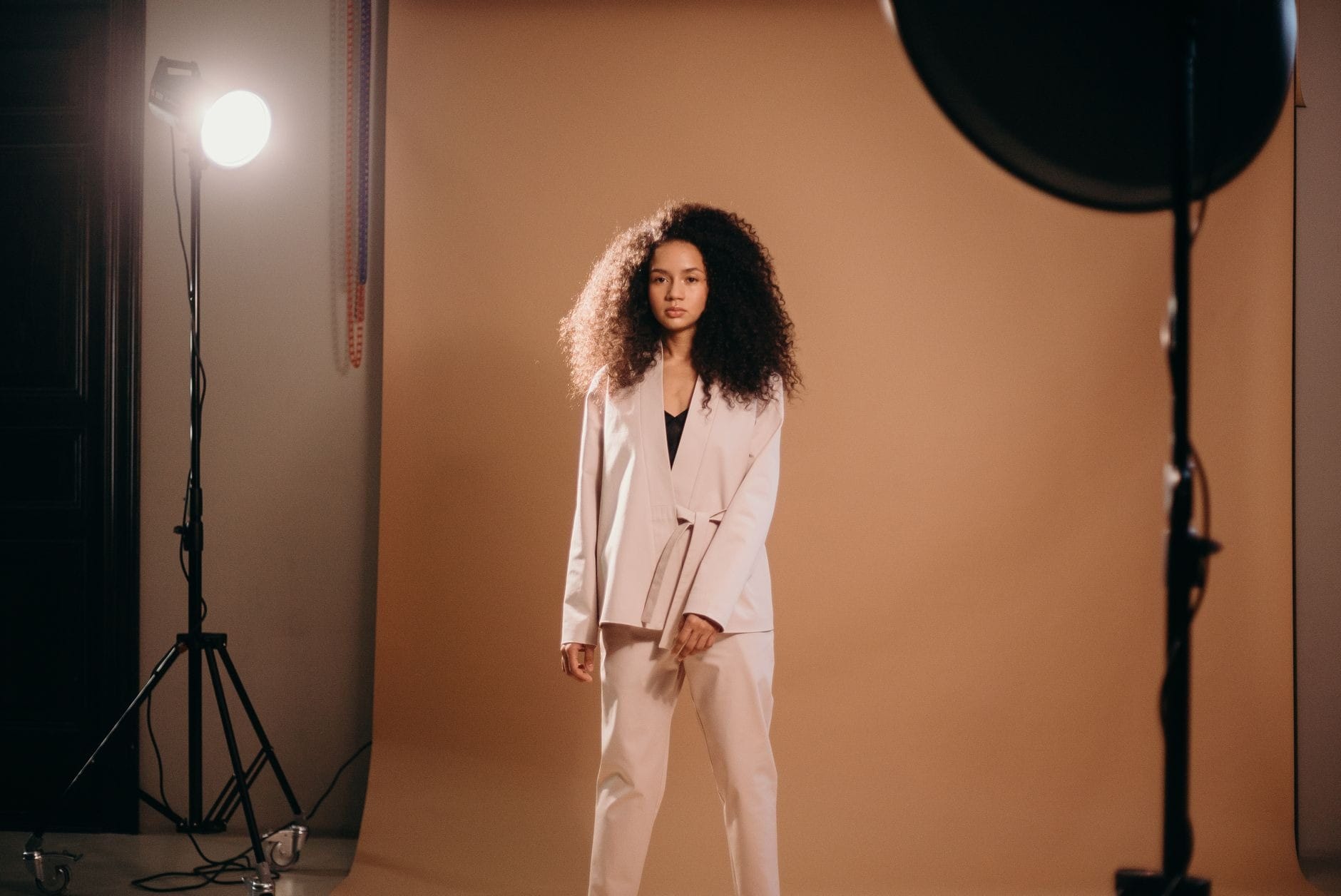
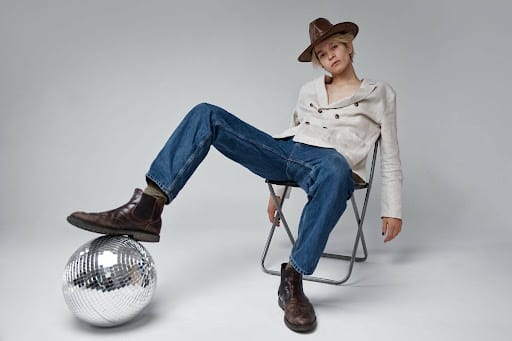
Before planning outfits or locations, decide what you want the photographs to communicate. Commercial work may call for an approachable expression, while a fashion image can allow more styling and a stronger pose. You can include different looks, but each should relate to work you would genuinely like to pursue.
Make a short visual brief for the shoot. Include a clear headshot, a full-length image and a few looks that fit your chosen direction. A photographer with model-portfolio experience can help turn those ideas into a workable session. Look through their previous photographs to judge whether their lighting and approach suit what you have in mind.
This planning gives you something specific to discuss. Instead of asking for a large collection of unrelated pictures, you can explain what is missing from your portfolio and what each new image needs to show.
Prepare simple looks and practice natural expressions
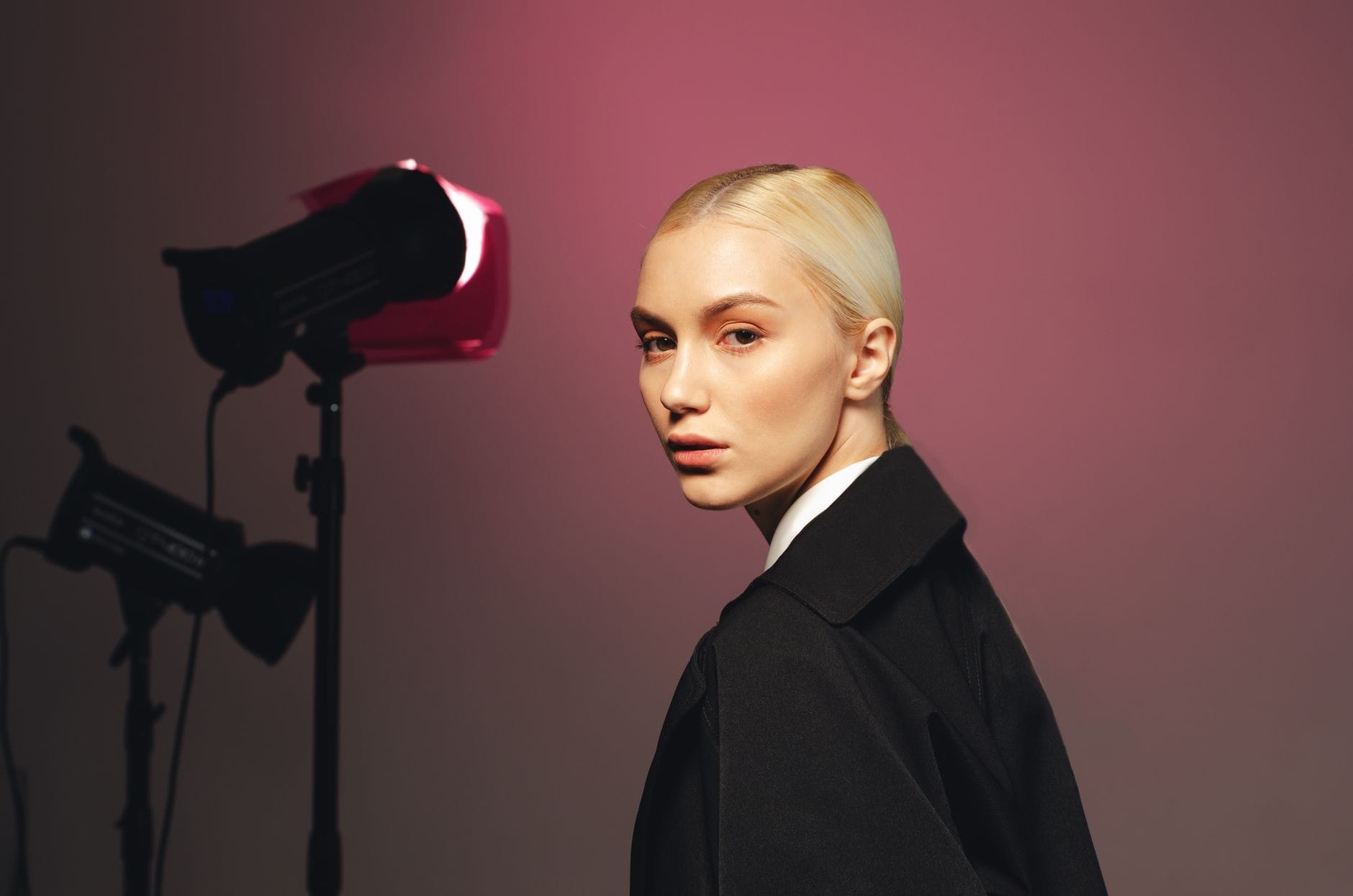
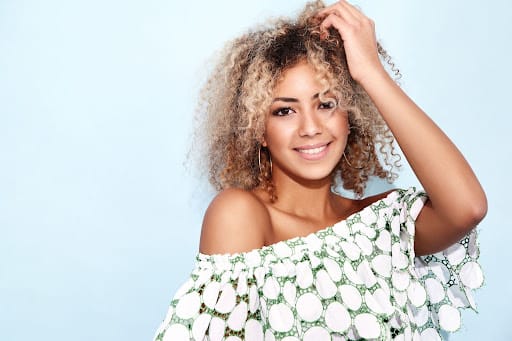
For a headshot, choose clothes that leave attention on your face. Solid colors and a comfortable fit usually make preparation easier; large logos and busy patterns can pull attention elsewhere. Think about the background too. It should support the portrait without competing with your features.
Spend a little time practicing in front of a mirror. Relax your shoulders, try a gentle smile and then a neutral expression. Small changes in your angle can change the photograph, so you do not need a complicated pose for every frame. Keep your expression connected to the kind of image you are making.
Digitals need a particularly straightforward approach. Use simple clothing, a plain background and soft natural light. Include front-facing and profile views along with a full-body photograph. Keep editing restrained so the pictures remain an accurate record of how you look now. A styled portfolio photograph and a clean digital serve different purposes; prepare for both when needed.
Select a focused set that shows useful range
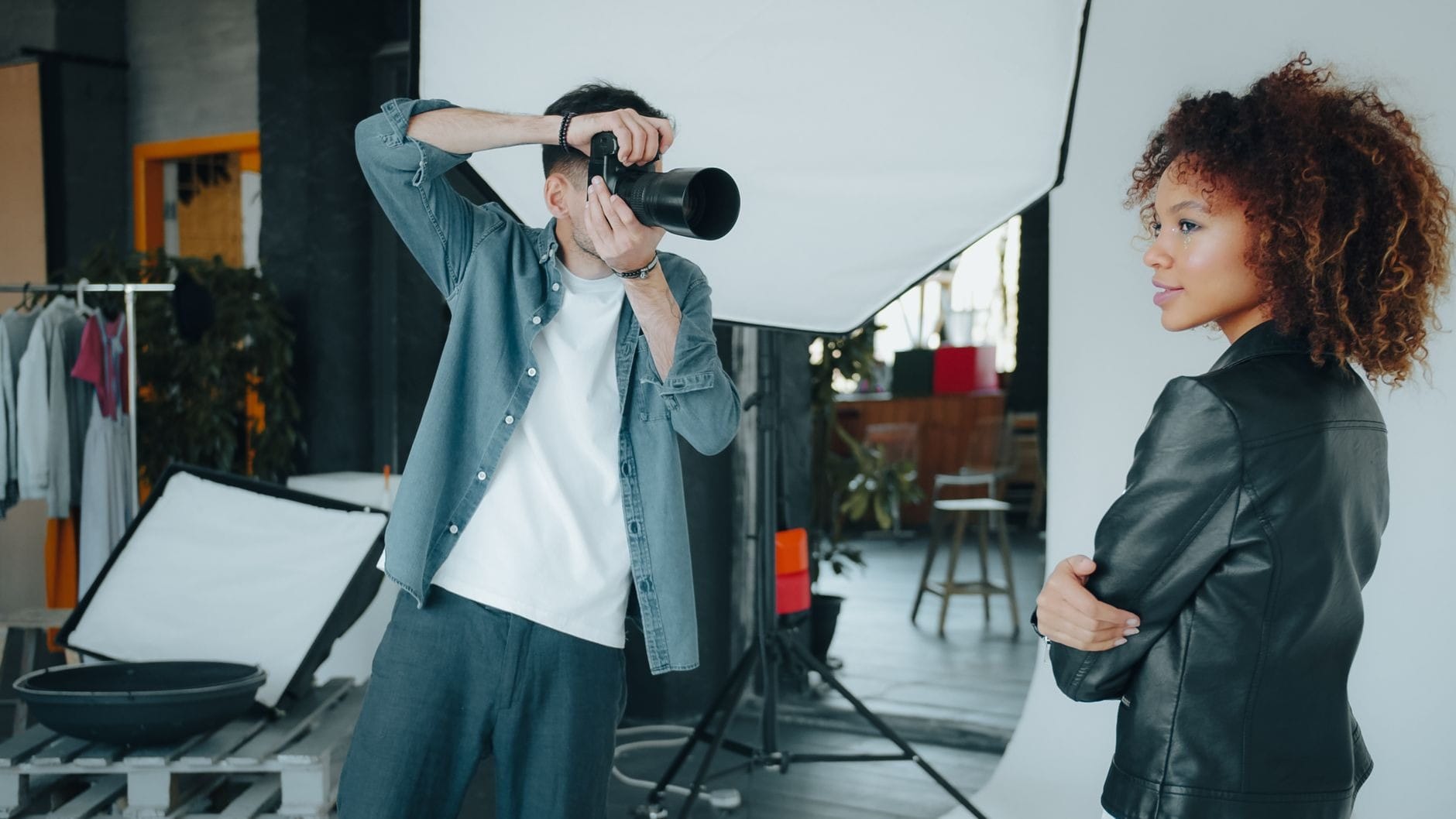
Once the photographs are ready, compare them as a collection. A strong individual picture may repeat something another image already shows. Keep the version with the clearest expression or the most informative view, then make room for a photograph that contributes something different.
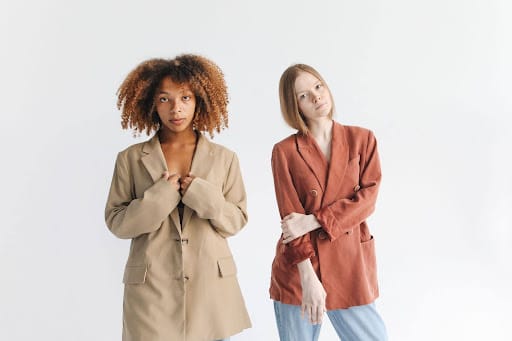
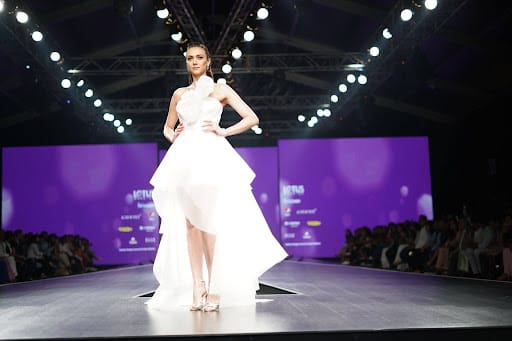
Look for a balance between close portraits and wider views. Headshots show facial detail, while three-quarter and full-length photographs show more of your posture and proportions. A mix of studio and location work can also bring variety, provided the images still fit the direction you planned.
Choose quality before quantity. You do not need to fill the portfolio simply because more photographs are available. Ask whether each image helps someone understand your current appearance or your ability to work with a different expression and setting. A careful edit makes those differences easier to see.
Check the photographs as a complete presentation
A portfolio should feel consistent even when the looks change. Review your headshot beside the more styled photographs. Heavy retouching that changes your features weakens the whole collection, particularly when the viewer also needs an accurate digital.
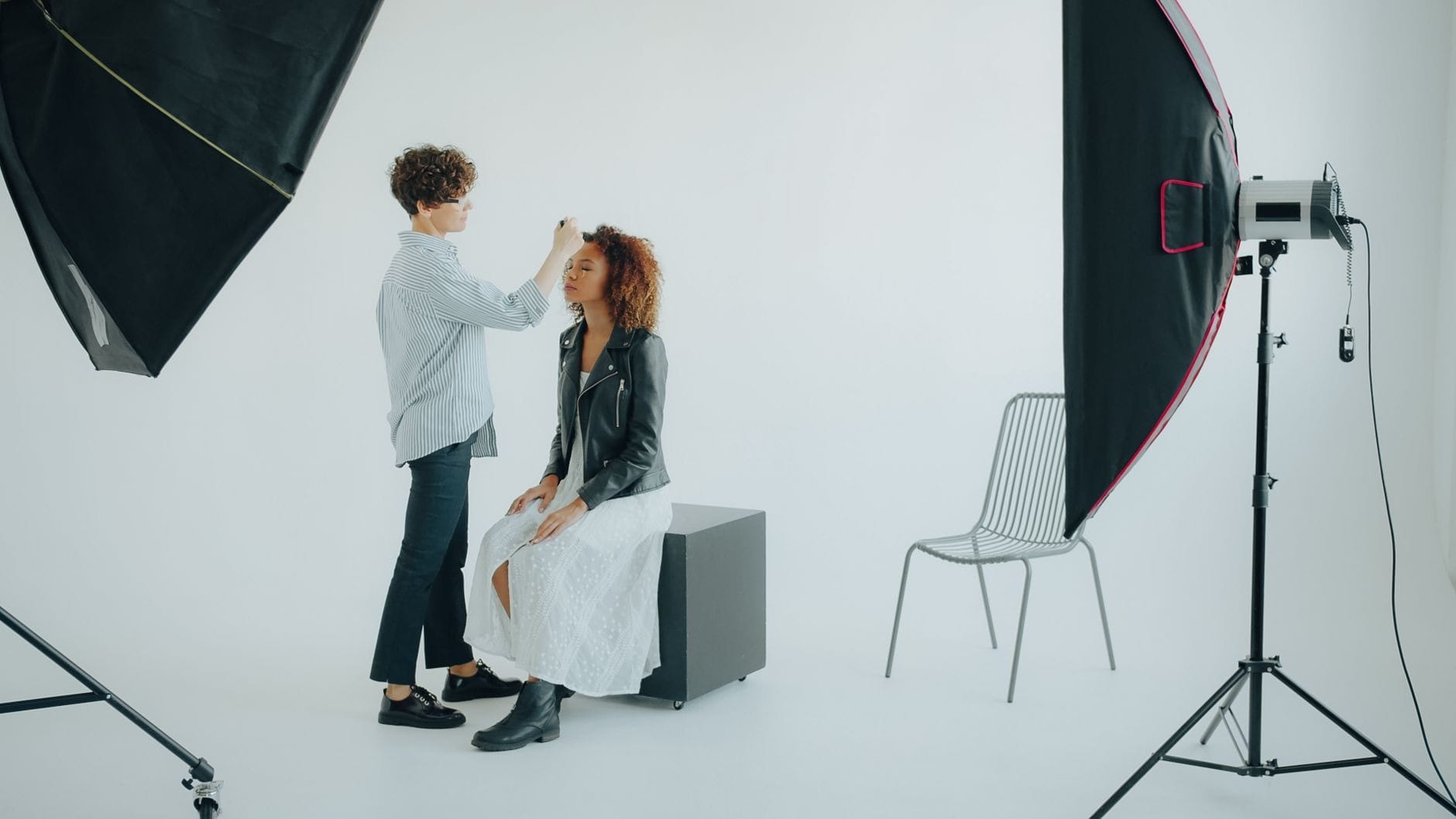
A photographer's contribution includes lighting and direction during the session. If you are new to being photographed, that guidance can help you understand where to stand, how to settle your posture and when a smaller movement will work better. Discuss the intended result before the session so you both know what you are working toward.
Keep the final selection easy to review. An online portfolio can bring the chosen photographs together, while a compact selection works well when someone asks to see your work. Revisit the edit if several pictures make the same point or if one looks out of place beside the rest.
Keep your portfolio current and understand image use
Update your photographs when your appearance changes enough that the existing images no longer represent you. Digitals should be current, and the portfolio should remain recognizably yours even when the styling is more elaborate. New work is worth adding when it strengthens the selection or fills a genuine gap.
Before agreeing to a shoot or representation arrangement, understand how the photographs may be used. Ask for clarity about where images can appear and how long permission lasts. Read written terms carefully, especially if the promises made in conversation sound different from the agreement.
Our guide to modeling contract warning signs explains why unclear image-use terms and pressure to commit deserve attention. Building a portfolio involves decisions about both photographs and the people you work with. Taking time to ask questions helps you make those decisions with a clearer understanding of the arrangement.
Your experience with Maps studio
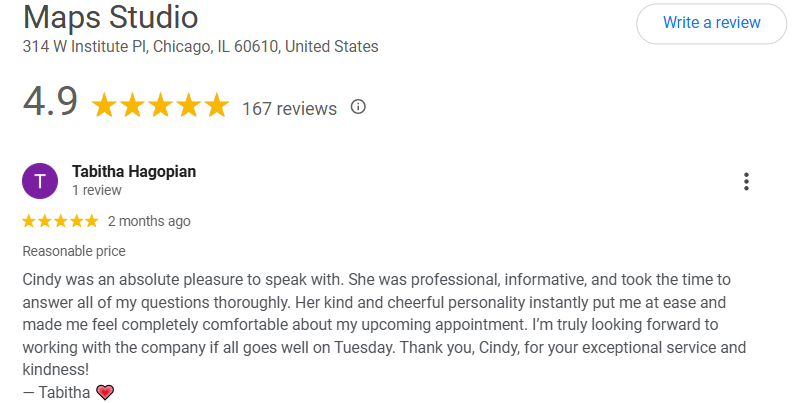
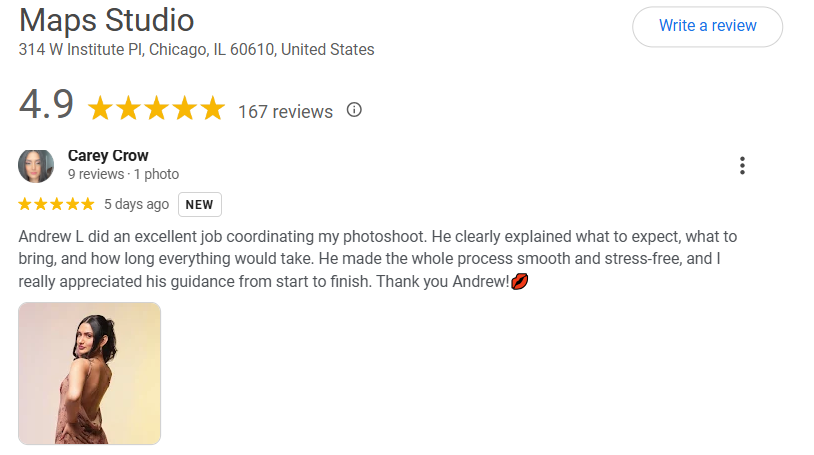
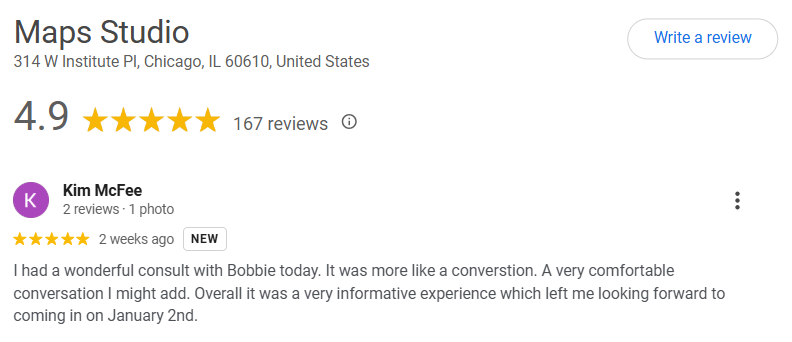
At Maps studio, we want you to feel comfortable discussing your ideas and preparing for your photographs. Feedback about your experience helps us understand what made the session work and where we can improve. Whether you are creating your first portfolio or adding a new look, we welcome an honest account of your time with us.
Frequently asked questions
What photographs should a beginner include? Start with a clear headshot and full-length photograph. Add other views or looks that show a real difference and suit the work you want to pursue.
Are digitals the same as styled portfolio photographs? Digitals give a simple, current view of your appearance. Styled photographs allow more creative direction. Keep both recognizable and avoid edits that substantially change your features.
Should every photograph use the same expression? No. A natural smile and a neutral expression can show different sides of your look. Choose expressions that suit the purpose of the photograph.
When should I replace older pictures? Replace images when your appearance changes or when stronger work improves the collection. Avoid keeping a photograph simply to increase the total.
Final thoughts
Build a portfolio around a few clear decisions: the work you want, the photographs that support it and the images worth keeping. Prepare simple looks, leave room for direction during the shoot and give the final selection the same care as the session itself. Keep your digitals current as your appearance changes. Before moving ahead with new arrangements, read our modeling contract guidance and ask questions about anything unclear. A good portfolio gives an honest sense of your appearance and range, while a thoughtful working agreement helps you understand how those photographs may be used.
Visit Mapsstudio for more information about photography.
Note: We enjoy sharing creative inspiration, photography tips, and industry insights to help you capture life's best moments. The services, styles, and equipment mentioned in our articles are for informational purposes only and may not reflect our current offerings. For the latest on our photography services and portfolio, visit Maps studio.
Member discussion