
What Is a Portfolio and Why Is It Important for Modeling?
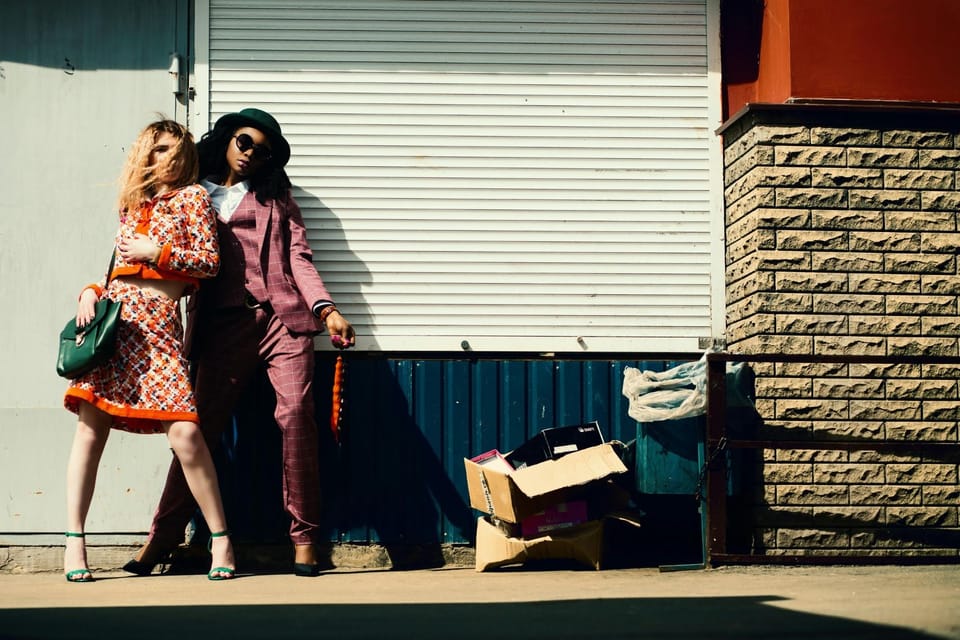
A modeling portfolio is your visual resume. It's how you show your skills and your style in an industry where everyone's competing for the same slots. It gets you a strong first impression with casting directors and agencies, and that's what turns into work. A good one has high-quality images, a range of shot types, and something of your personality in it. Keep it professional and keep it current and you'll be taken seriously. Here's what goes into building one.
Understanding the Purpose of a Modeling Portfolio
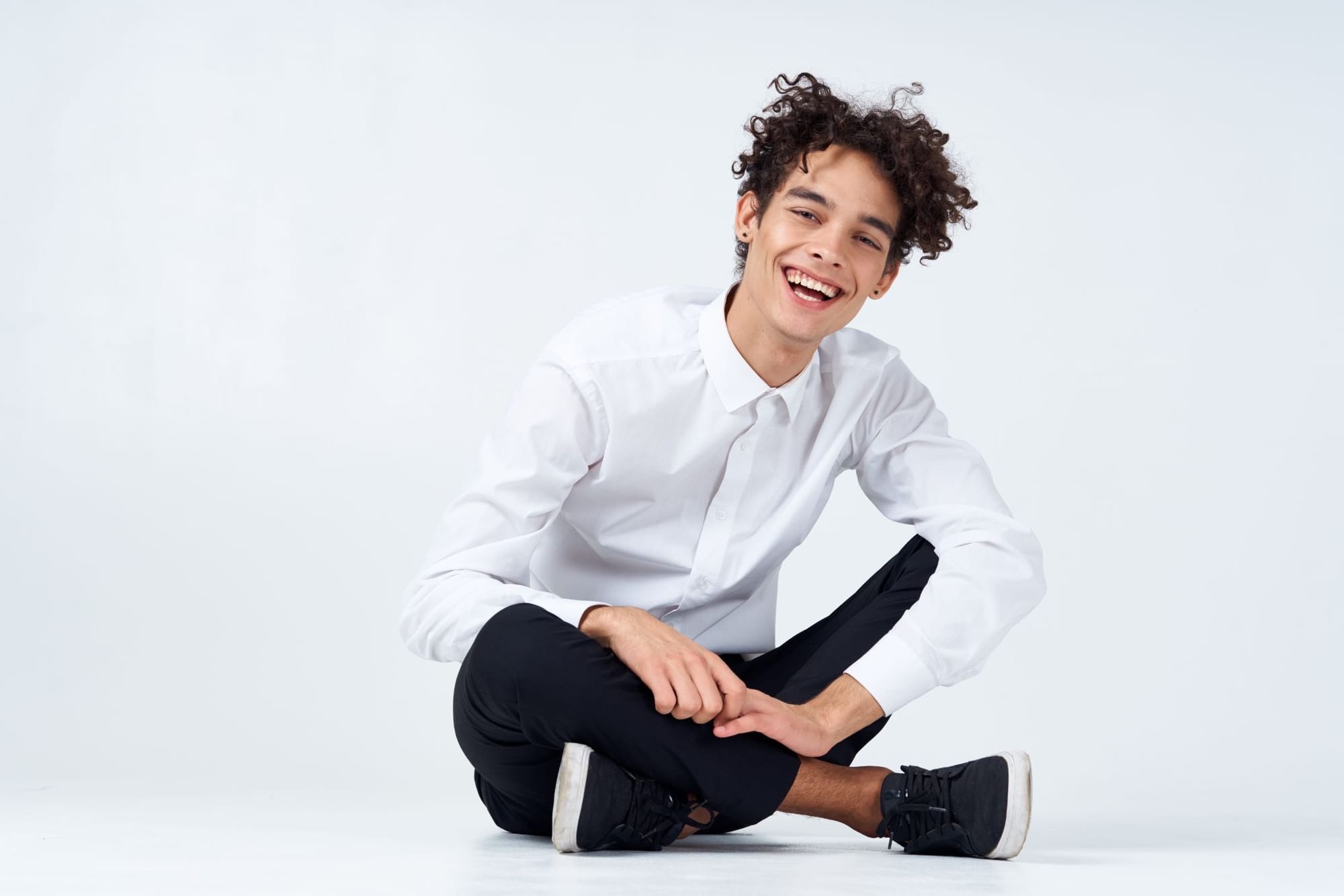
A strong portfolio isn't optional in this business. It's your visual resume, and it carries your skills and your style in a crowded field. A good one leaves a lasting impression, which is what gets you noticed by casting directors and agencies.
Your best headshot does a lot of heavy lifting it's often what secures that first bit of interest. The rest of the portfolio needs to back it up by showing your range and what you can actually deliver in front of a camera. Every image should give an employer a reason to want you on the job.
Key Components of an Effective Portfolio
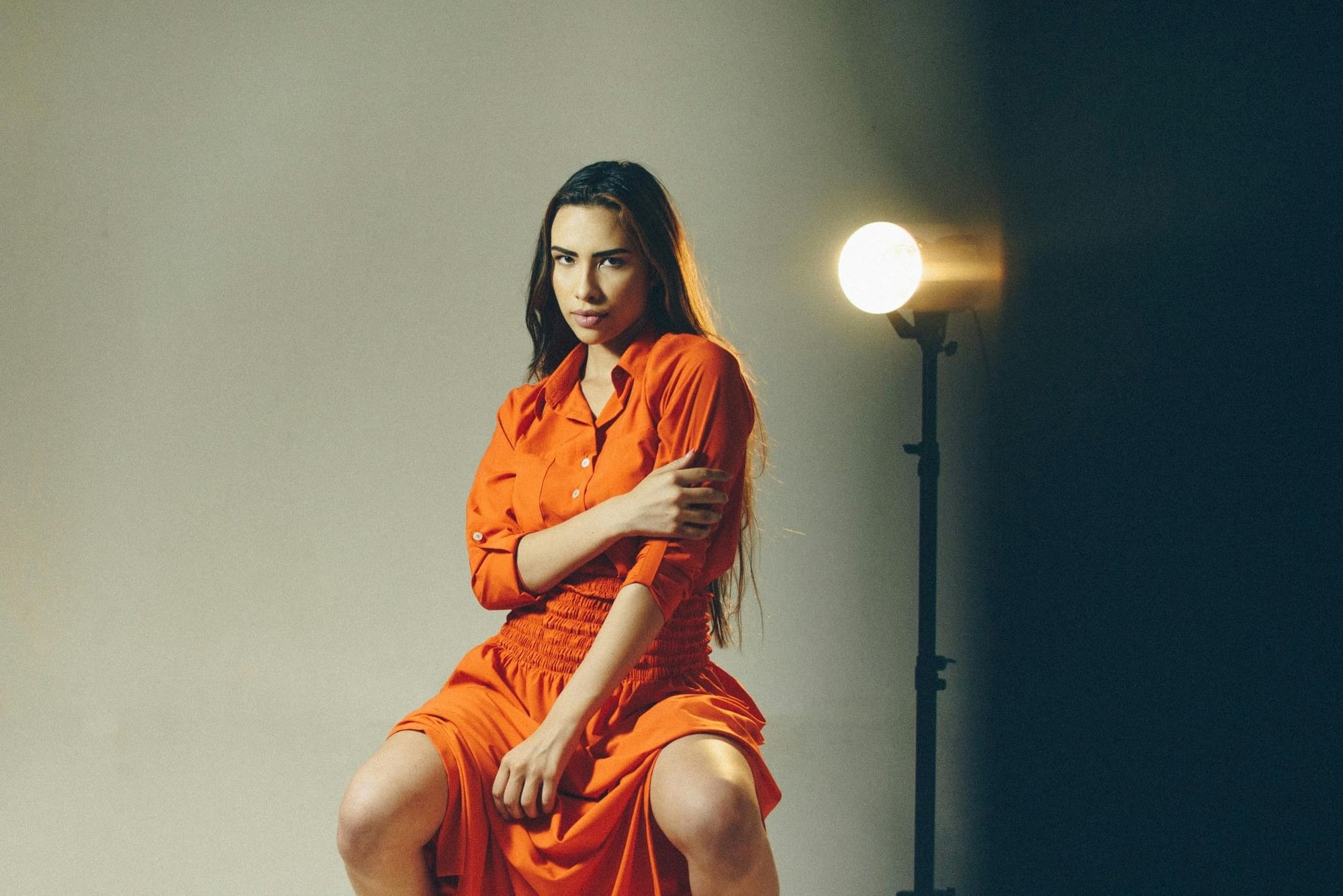
So what actually goes in? A strong portfolio has:
- High-quality images. Aim for 10 to 20 professional photos covering a range of styles.
- Diverse photo types. Headshots, full-body shots, editorial, and beauty images, so your versatility is obvious.
- Cohesive theme. A unified look that reflects your style rather than a scattered collection.
- Personal touch. An "About Me" section with a bit of insight into who you are and where you've been.
- Professional presentation. Keep it organized and tight - 10-15 strong images do more than 30 mediocre ones.
Types of Shots to Include in Your Portfolio
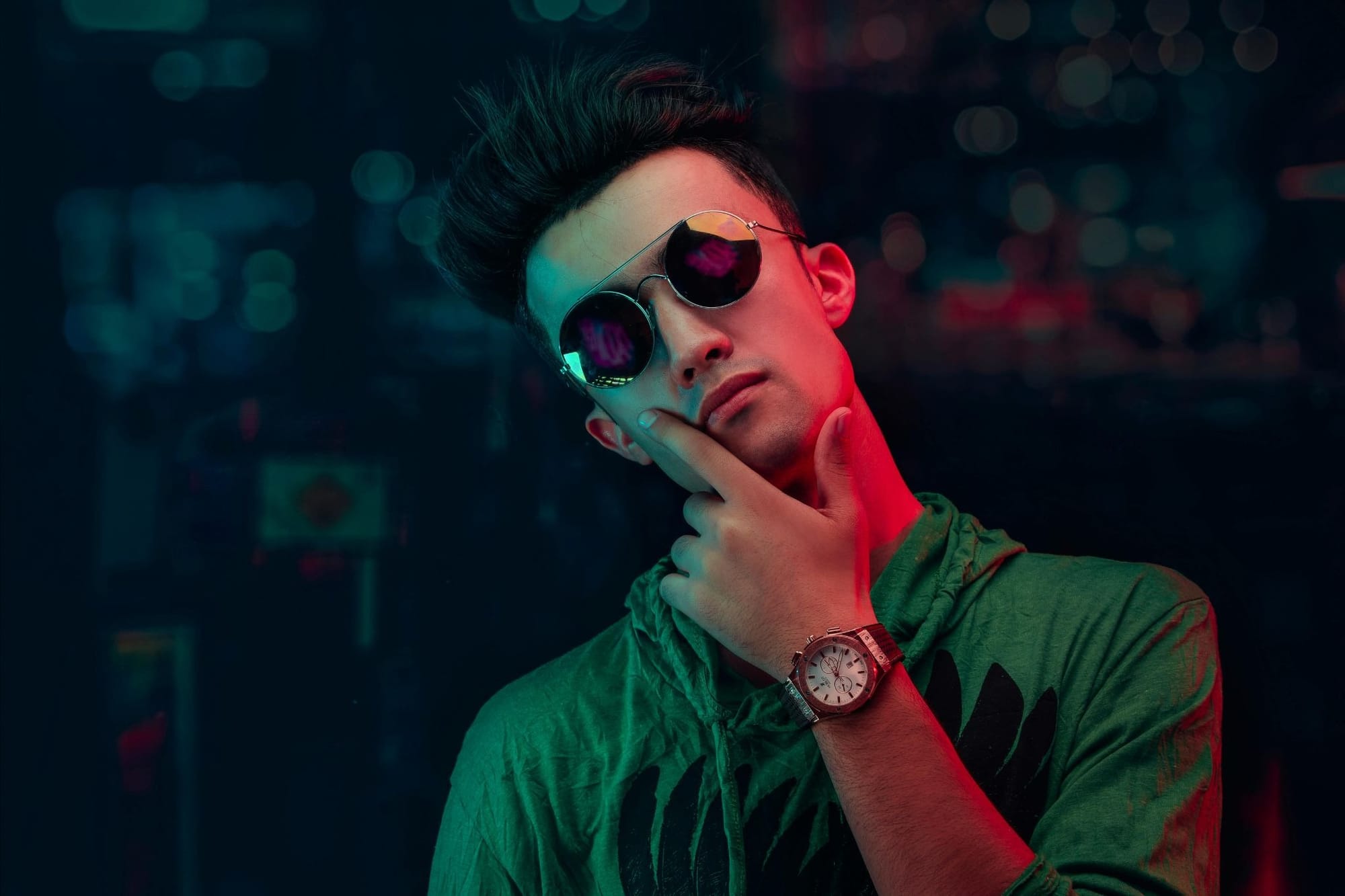
Five shot types cover most of what agencies want to see.
Headshots come first. They capture your facial features and expressions, and they're usually the first thing anyone looks at.
Full-body shots show your proportions and how you carry styling.
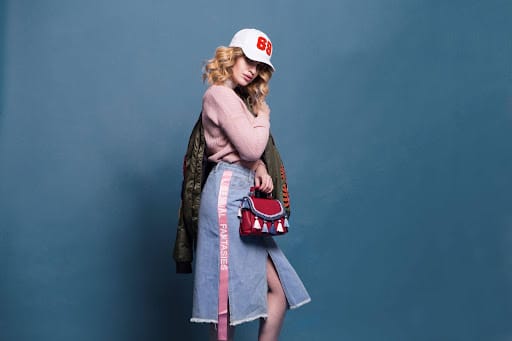
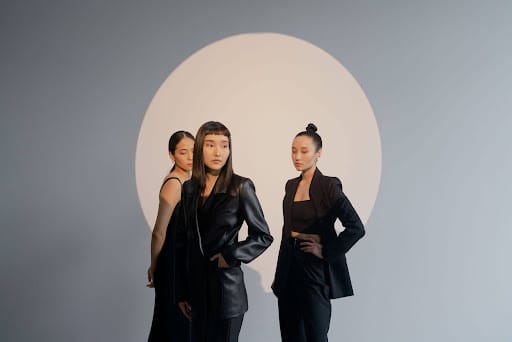
Editorial shots are where your creativity comes through this is fashion as storytelling.
Commercial shots matter too, since they show how you read in product modeling and lifestyle contexts.
And beauty shots put the focus on makeup and hairstyling.
Give each image its own outfit and pose. Repetition across the set defeats the purpose.
The Role of Professional Photography
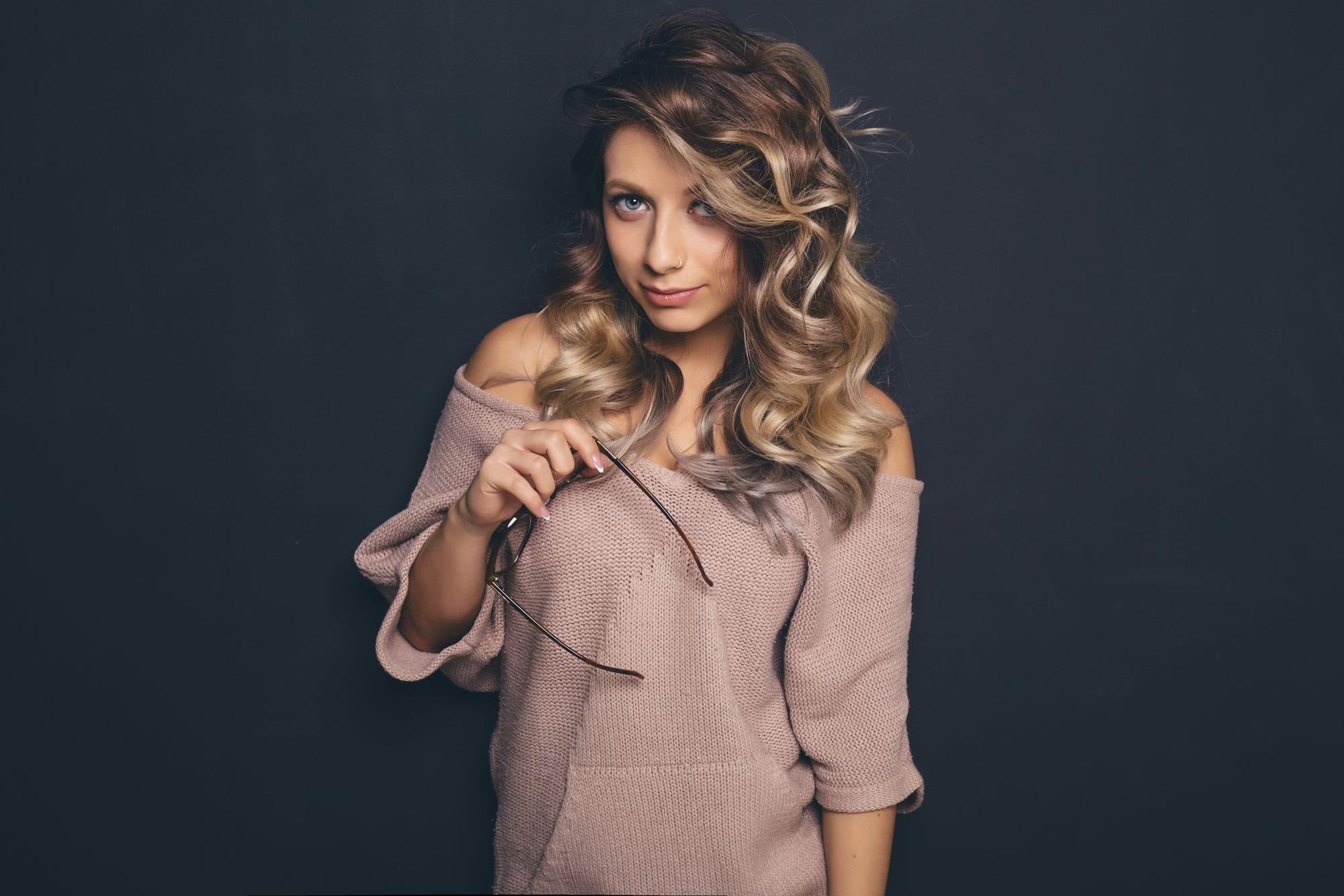
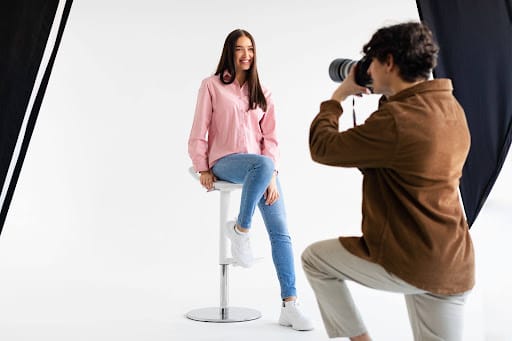
Good images are the whole foundation, which is why professional photography is worth paying for. Quality photos show your range and set the tone for a client's first impression of you. A few reasons to prioritize it:
- Visual resume. It's the clearest summary of what you can do.
- Quality matters. Professional images give you credibility, and they get looked at.
- Diverse shots. A mix of styles is how you demonstrate adaptability.
- Collaboration. Good photographers know how to capture what's specific about you.
- Regular updates. Fresh work reflects where you are now and keeps you relevant.
If you want to stand out and land the jobs worth having, this is where the money goes.
Strategies for Building an Impressive Online Presence
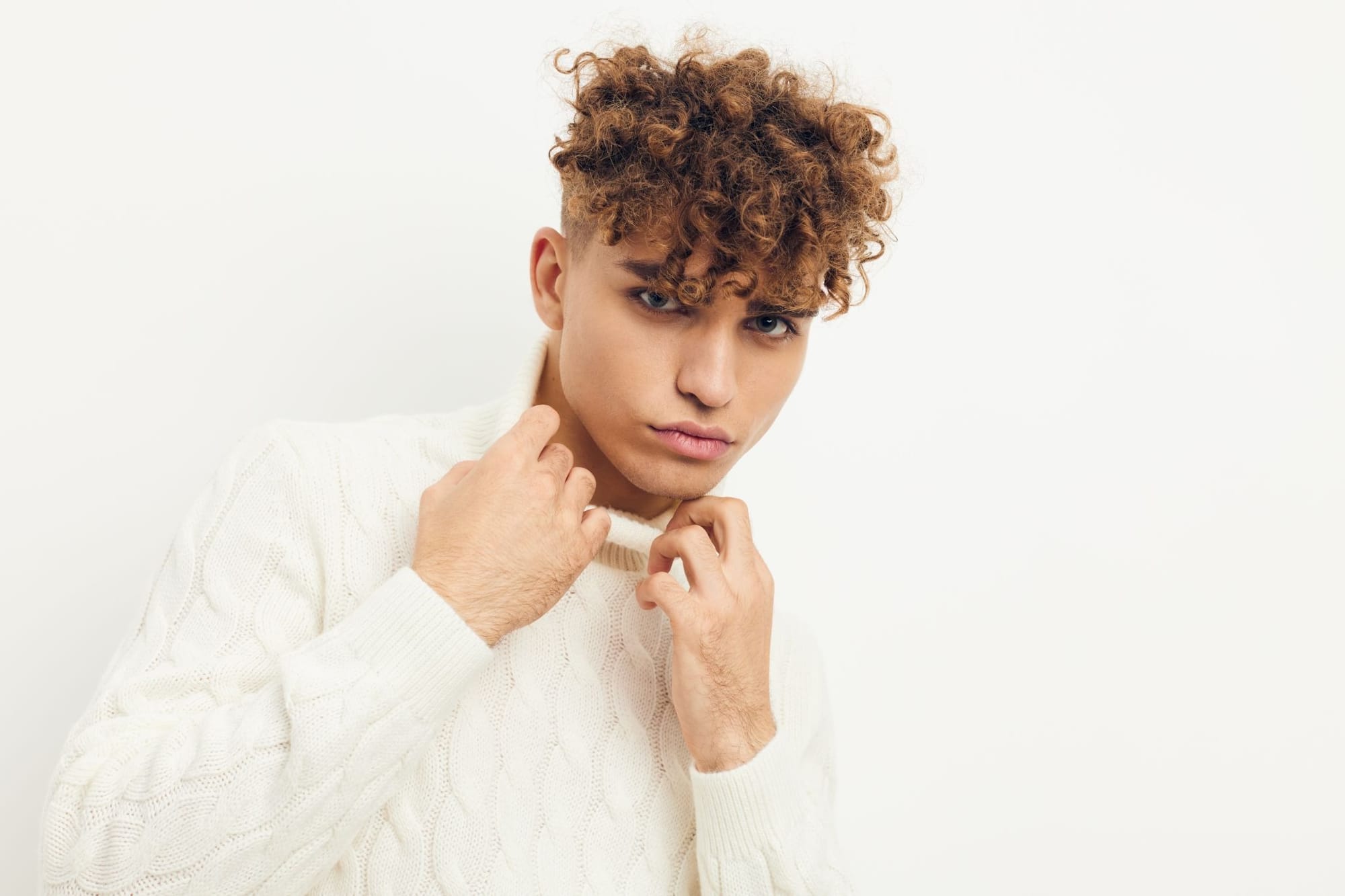
Getting your portfolio online properly takes a bit of thought.
Start with a professional-looking website that organizes your best work in a clean layout. Include high-quality images full-body, editorial, commercial - so your range is clear at a glance.
Update it regularly. A portfolio that's fallen behind current trends works against you.
Social media is worth the effort too. Sharing your work and actually engaging with people who follow you puts you in front of potential clients.
Network with people in the industry as well. Referrals open more doors than cold applications ever will. Do all of this together and you'll have an online presence that pulls opportunities toward you.
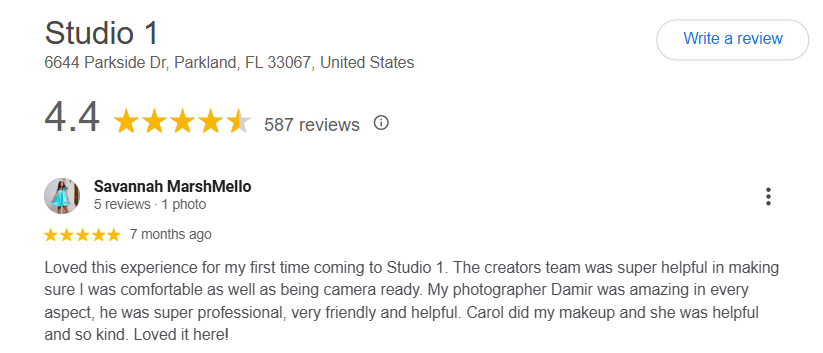
Client reviews for Studio1 Photography
Below you'll find review screenshots from platforms like Google My Business showing what people think of Studio1 Photography. The feedback speaks to how much a strong portfolio matters and how we've helped models build theirs. Have a read and see whether we're a fit for you. For more, visit Studio1 Photography.
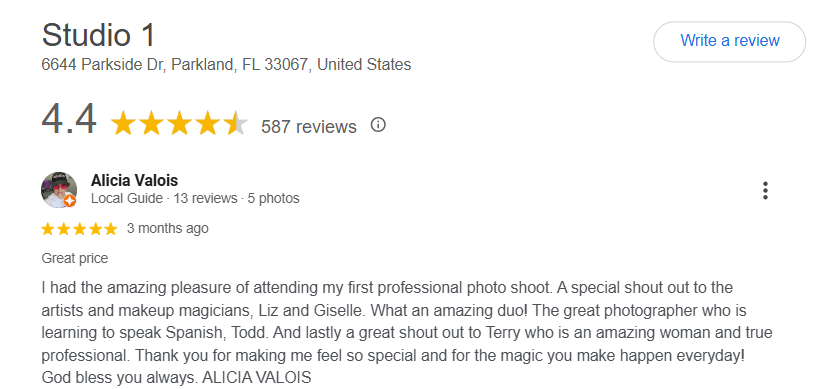
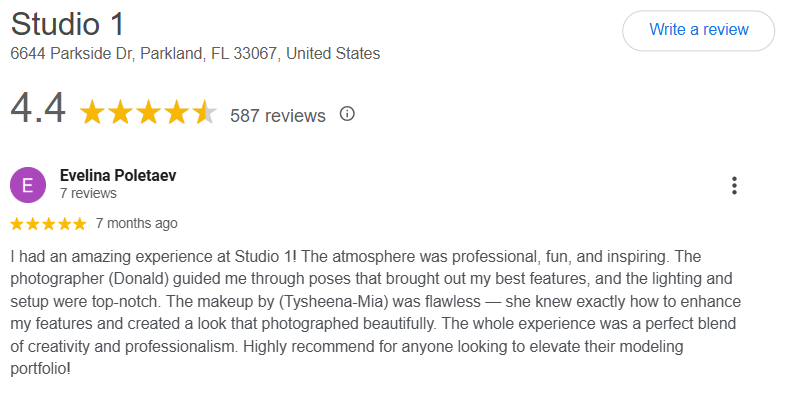
Frequently asked questions
How often should I update my modeling portfolio?
Every 6 to 12 months. That keeps the work current, shows how you've developed, and stays in step with what agencies are looking for.
Can I include non-professional photos in my portfolio?
You can, as long as they add something to your best work - personality, a bit of your own style. Just don't let quality slip to make room for them.
What should I do if I lack experience?
Start building anyway. Get good photos, work with photographers who are also coming up, and get to local modeling events. Every shoot moves you forward.
How can I effectively showcase my personality in my portfolio?
Candid shots, a range of expressions, and styling choices that are actually yours. An "About Me" section helps too - it gives people your story alongside the images.
Is it necessary to hire a makeup artist for portfolio shoots?
We'd say yes. A good makeup artist knows how to make you look your best on camera, and the difference in overall quality shows.
Conclusion
A well-built modeling portfolio is how aspiring models show their talent and range. Cover the different shot types, invest in professional photography, and get it online properly, and you'll make an impression in a field where that's hard to do. Take the time to build something that actually looks like you. That's what opens doors.
Visit Studio 1 Photography for more information.
Note: We enjoy sharing photography tips and industry insight to help you capture life's best moments. That said, the services, styles, and equipment mentioned here are for general information and may not match what we currently offer. For our latest services and portfolio, visit Studio-1.us. Let's create something you'll want to keep.


Member discussion