
The Ultimate Guide for Effective Portfolio Building
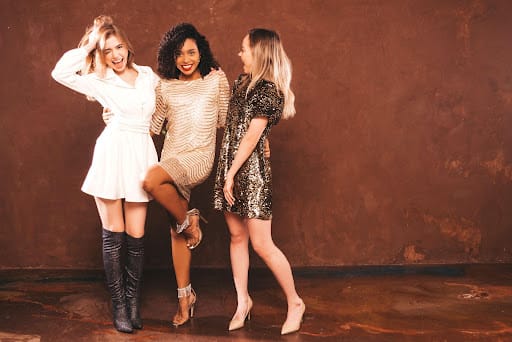
An effective modeling portfolio is what puts your skills and versatility in front of people. Aim for a mix of headshots, full-body shots, and editorial images that carry your own style. Choosing an experienced photographer and preparing properly for the shoot matters just as much. A polished online presence and a professional layout do the rest. Get those right and your odds of landing jobs improve.
Importance of a Modeling Portfolio
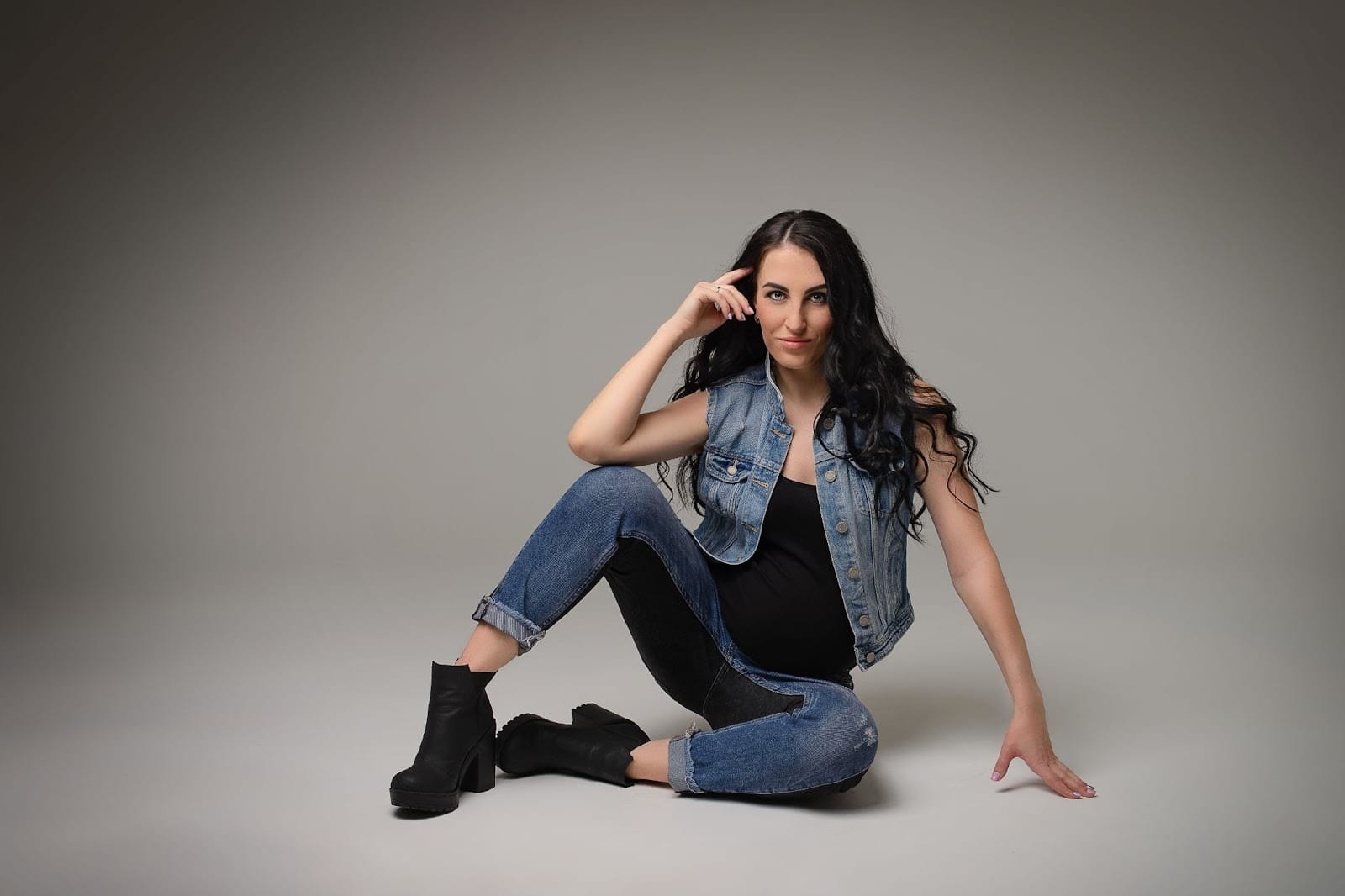
Your portfolio is your visual resume, and it's what shows your skills and versatility.
You don't need a professional portfolio at the start, though clean images or model digitals make a real difference. Agencies prefer natural photos, so simple shots taken yourself on a smartphone are enough early on.
Once you sign with an agency, a professional shoot becomes worth the investment. Those photographers know what agencies look for and can help you present your best self.
Update the portfolio regularly, even if it's only digitals, so it stays relevant. A good portfolio improves your chances of landing gigs and collaborations in a competitive industry.
Types of Portfolio Shots and Outfit Selection
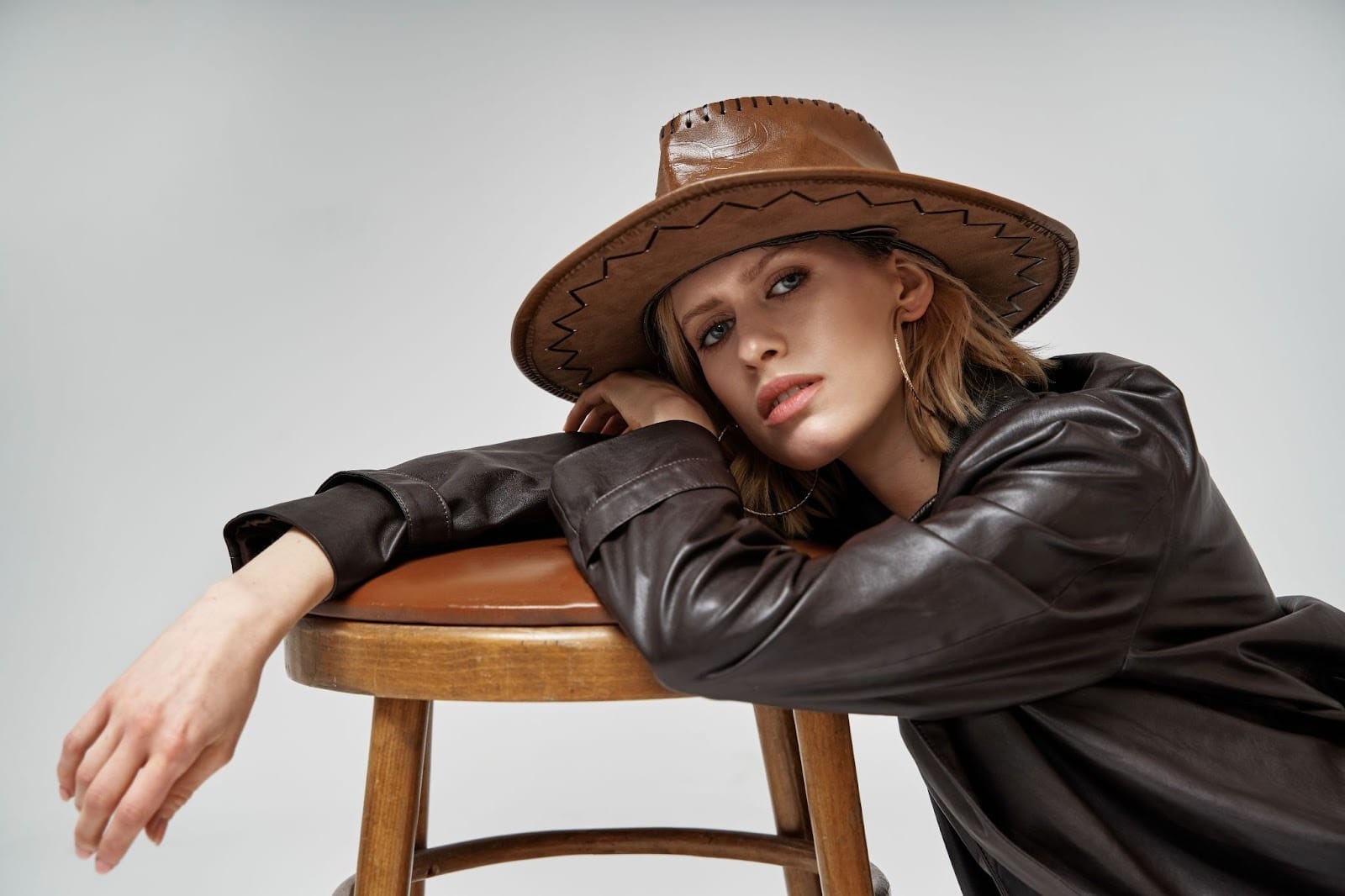
A compelling collection needs variety, since that's what shows your versatility and style.
The types to include:
- Headshots. These capture your facial features and expressions.
- Full-body shots. These show your body proportions and styling.
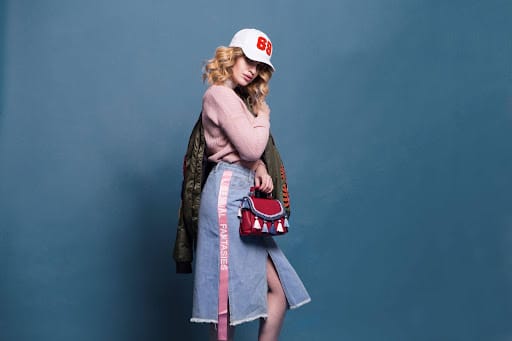
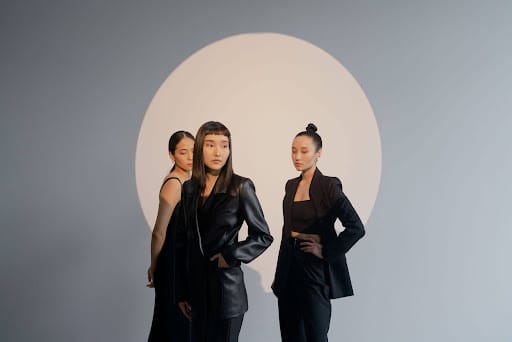
- Editorial shots. These convey creativity and storytelling through fashion.
- Commercial shots. These emphasize product modeling and lifestyle appeal.
Outfit selection matters as much as the shots. Go for basic, casual clothing without excessive colors or prints.
Each image should feature different outfits and poses so the presentation has real range. That's what leaves an impression on casting directors and clients.
Choosing the Right Photographer
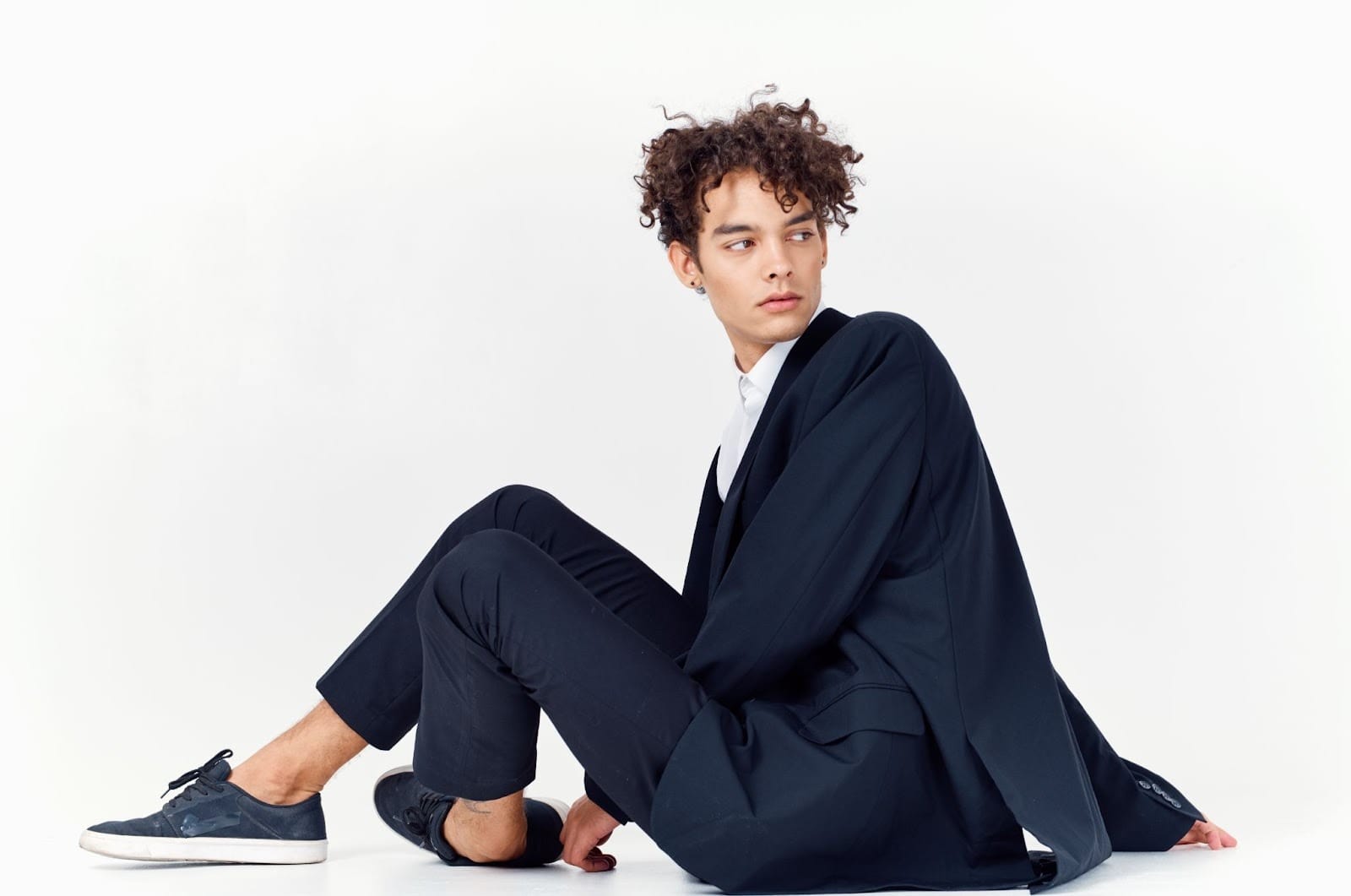
Prioritize photographers with experience in fashion and modeling, since their expertise shows in the images.
Review their portfolios to check their style matches your vision. Agree on rates, deliverables, and expectations upfront so nothing gets misunderstood later.
Working with multiple photographers is worth considering too, since it gets you a wider variety of shots. Relying on amateur photographers for your important portfolio images diminishes how professional you look.
Preparing for the Photoshoot
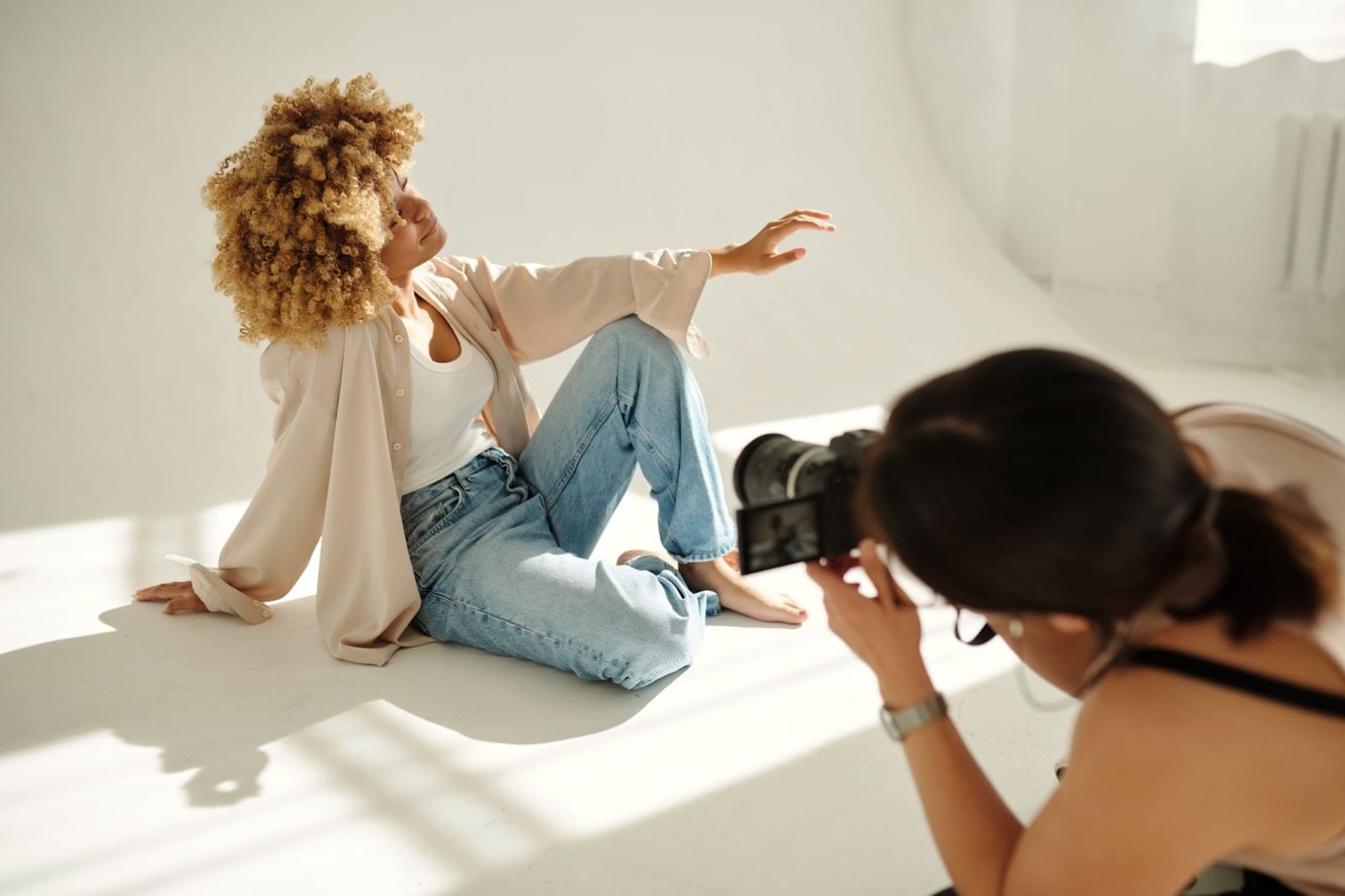
A few things make the difference between a good shoot and a wasted one.
Select a diverse range of outfits that reflect your personal style. Plan your hair and makeup so you look your best. Practice your poses and expressions to show versatility. Stay hydrated and rested, since it shows in the images.
A quick checklist to keep you on track:
- Choose outfits that play to your strengths.
- Arrange professional hair and makeup.
- Practice various poses in front of a mirror.
- Arrive early so you can communicate with the team.
Professional Presentation and Online Presence
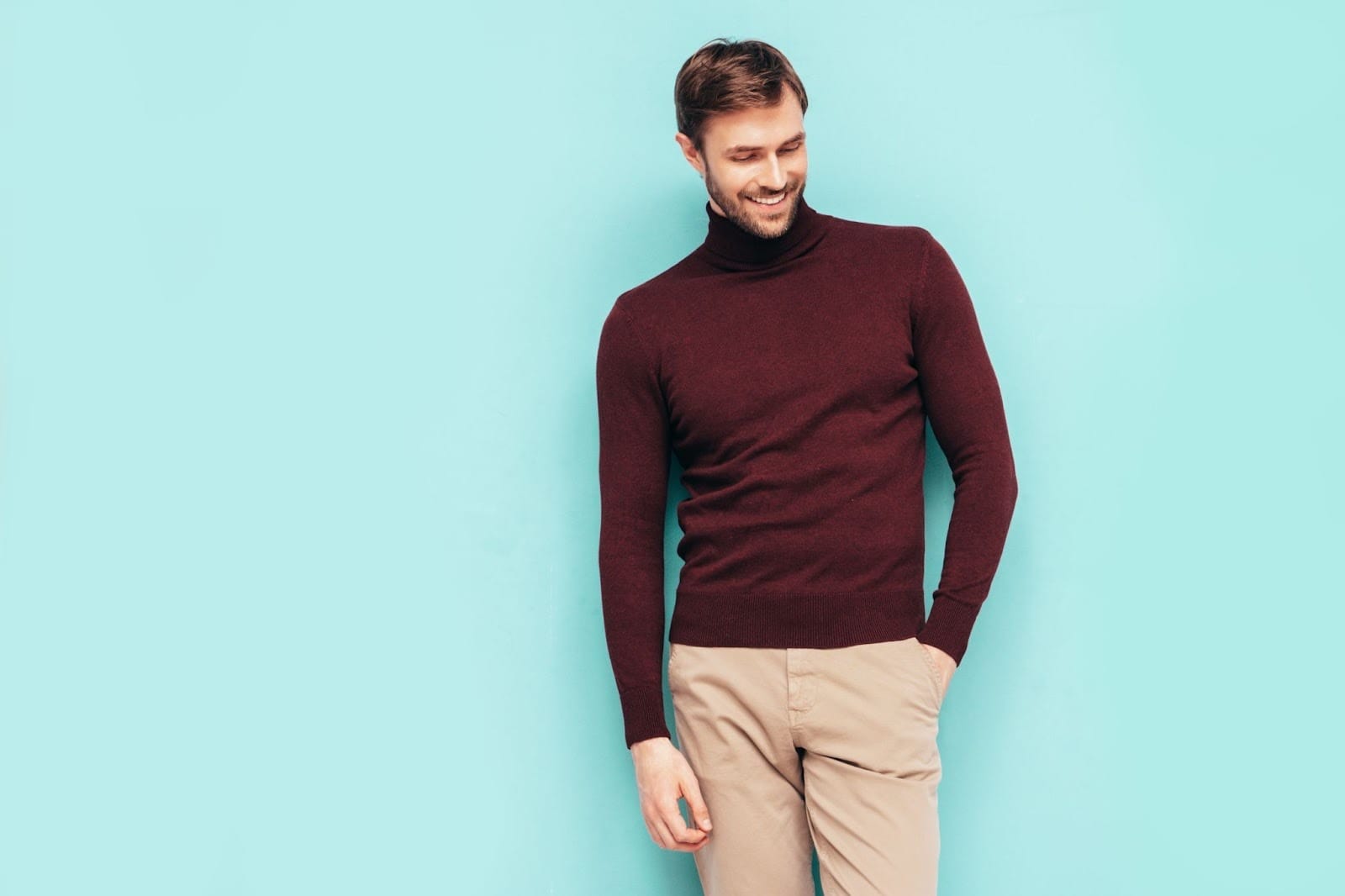
Presentation is what attracts potential clients once the shooting is done.
Organize your portfolio with a clean layout, limited to 10 to 15 quality images that reflect your versatility. Professional printing services add sophistication, and an online portfolio widens your reach.
Videos and highlights of your achievements make the presentation more dynamic and hold a viewer's attention. Social media links boost your visibility and open up networking.
A cohesive theme that shows what you can do makes a strong first impression and improves your chances of landing modeling gigs and collaborations.
What Our Clients Are Saying
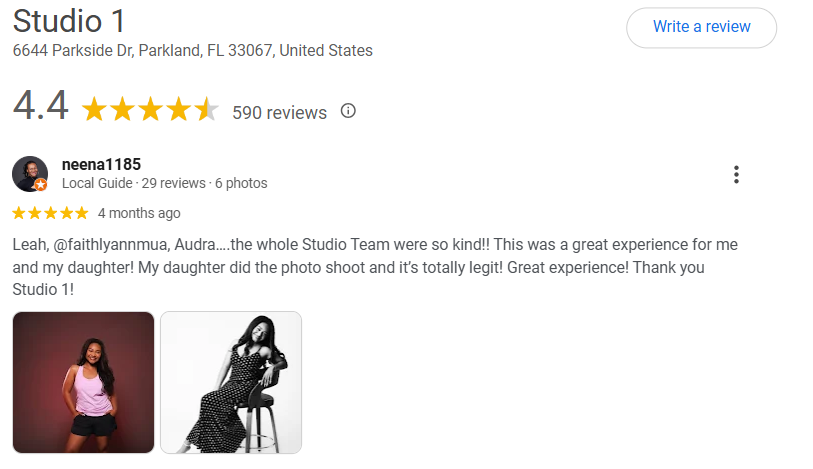
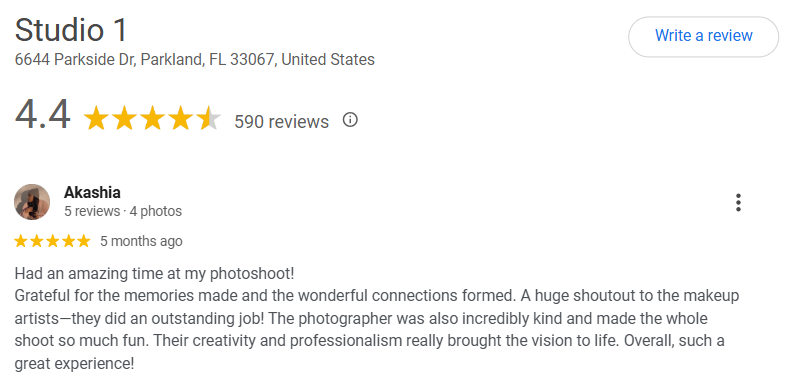
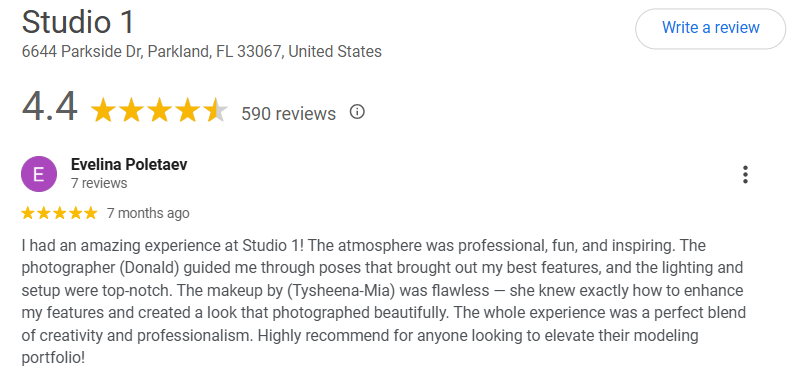
At Studio1 Photography, we enjoy sharing feedback from our clients. Here are some reviews from various platforms describing the experiences of people who have built their portfolios with us. These testimonials reflect what our services have done for their modeling careers. Have a look at what they have to say. For more details, visit Studio1 Photography.
Frequently Asked Questions
How Often Should I Update My Modeling Portfolio?
Every six months, or after any significant shoot. That keeps the work fresh, shows your growth, and means you're always presenting your best self to potential clients.
What Should I Include in My Modeling Resume?
Personal details, a brief bio, your modeling experience, skills, notable collaborations, and contact information. That gives potential clients a clear picture of your background and strengths.
Can I Use Smartphone Photos for My Portfolio?
Yes, as long as they're high quality. Good lighting and proper framing are what make the images appealing to potential clients.
How Do I Handle Negative Feedback on My Portfolio?
Treat it as a chance to grow. Assess the critiques, work out what to improve, and make the adjustments with confidence.
Should I Include Personal Branding Elements in My Portfolio?
Yes. They communicate your style and identity, which makes your work more memorable to potential clients and collaborators.
Conclusion
An impressive modeling portfolio is what shows your individuality and versatility. Understand why diverse shots matter, select the right photographer, and prepare properly for your shoots. Your portfolio reflects who you are, so present it professionally offline and online alike. That's what catches the attention of casting directors and clients.
Visit Studio 1 Photography for more information.
Note: We enjoy sharing creative inspiration, photography tips, and industry insights to help you capture life's best moments. The services, styles, and equipment mentioned in our articles are for informational purposes only and may not reflect our current offerings. For the latest on our photography services and portfolio, visit Studio-1.us.



Member discussion