
Must-Know Tips for Building Your Perfect Portfolio
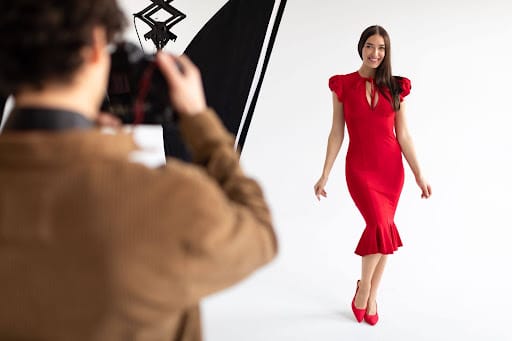
A good modeling portfolio starts with knowing what it's for: it's your digital calling card. From there it's about picking images that show your range, headshots and full-body shots both. A personal "About Me" section gives clients a sense of who you are beyond the photos. The platform you build on matters for navigation and visibility, and a bit of SEO work helps people actually find you. There's plenty more to get into below.
Understanding the Purpose of Your Portfolio
Your modeling portfolio is your digital calling card in this industry. It's a curated set of photos and videos that shows your look and your experience, and it's what brings potential clients to you.
A portfolio website beats a physical lookbook on two counts: it's easier to share and easier to update, which improves your odds of getting hired. It shows your range and your professionalism through good photos across different categories, headshots and lifestyle among them.
It also builds your brand and gives clients a reason to believe you're qualified, which makes it a real marketing tool. Show that you're strong in the niches you want to work in, and you'll stand out and be remembered in a crowded field.
Selecting High-Quality Images
Good images are what set a portfolio apart. They need to show your range and how much you can adapt.
Work with professional photographers who shoot fashion, and make sure their style fits your branding. Every photo should be crisp, clear, and well lit, and it should capture your looks and styles.
A mix of headshots and full-body shots proves you can handle different kinds of projects. Label each image properly too, so a client can identify what they're looking at without asking.
Curate the portfolio this way and you end up with a visual resume that pulls in job offers and says something about how seriously you take the work.
Crafting an Engaging About Me Section
An About Me section works when it's authentic and it connects. Share the stories and experiences that show your personality.
Keep it short. Mention your main achievements, your modeling specialties, and what keeps you in this industry. A little personal flair, your passions or your inspirations, gives readers something to relate to.
Make it easy to read with clear formatting and a friendly tone. Link to your professional modeling resume and put your contact information somewhere obvious, so a client doesn't have to hunt for it.
Choosing the Right Platform for Your Portfolio
Your About Me section sets the tone, and the platform you put it on matters just as much.
The right platform lifts your work and helps you reach clients. Three things to weigh when you're choosing one:
- User-friendly design. You should be able to upload, organize, and display your best images without a fight.
- Customization options. The templates and layouts need to let your brand come through.
- Mobile optimization. Plenty of clients browse on their phones, so your portfolio has to look good and work properly on mobile.
Implementing SEO Strategies for Visibility
Search engine optimization is worth your attention while you build. Pick keywords that match your niche and clients have an easier time finding you.
Optimize your image titles and alt text, since search engines read that information. A blog with behind-the-scenes posts or modeling tips helps too, and it keeps the site current.
Your site should load fast and work on mobile. Add social media links so people can share what they find, which widens your reach.
What Our Models Think About Us
At Studio1 Photography, we like hearing from our models about how their portfolio shoots went. We've pulled together reviews from platforms like GMB so you can read the insights and tips they found useful. The comments give a sense of the support we offer and what it's done for their careers. The screenshots below have their words. For more, visit Studio1 Photography.
Frequently Asked Questions
How Often Should I Update My Modeling Portfolio?
Every few months is a reasonable rhythm. Regular updates keep your new work and your changing style in front of people, and they show how far you've come. Clients should always be seeing your latest and best.
What Types of Modeling Should I Focus On?
Start with your strengths and what genuinely interests you. Lifestyle, fashion, and commercial modeling are all worth a look. Build your portfolio around the niches you're actually excited about.
Should I Include Personal Projects in My Portfolio?
Yes. Personal projects show your creativity and where your passion is, and they often reveal skills that paid work never asked for. It's a chance to show clients who you really are.
How Can I Promote My Portfolio After Building It?
Share it across social media, talk to people in the industry, and take part in online communities. Collaborations help, and so does optimizing for search engines, which can make a noticeable difference to your visibility.
What Mistakes Should I Avoid When Creating My Portfolio?
Don't cram in too many images, don't lose sight of your own brand, and don't skip quality checks. Show your best work and keep the whole thing looking professional and consistent.
Conclusion
Building a strong modeling portfolio takes time, and what comes out of it reflects your talent and your personality. Know what the portfolio is for, choose good images, write an "About Me" section worth reading, build on the right platform, and put in the SEO work. Do those five things and you'll stand out in a competitive industry, with a portfolio that looks like you and gets you in front of the right people.
Visit Studio 1 photography for more information.
Note: We love sharing creative inspiration, photography tips, and industry insights to help you capture life's best moments. The services, styles, and equipment mentioned in our articles are for informational purposes only and may not reflect our current offerings. For the latest on our photography services and portfolio, visit Studio-1.us. Let's create something beautiful together.





Member discussion