
Key Requirements to Become a Runway Model?

Successful runway models meet specific physical standards, like height and a polished appearance. They have mastered a confident runway walk and can express emotion on cue. A strong professional portfolio that shows versatility matters too, along with agency representation for guidance. And the industry's standards keep changing, so embracing diversity and adapting go with the job. Here's what each requirement involves, plus the skills and networking tips that help.
Physical Standards for Aspiring Runway Models

Female runway models typically stand at least 5'9", and males should be between 6'0" and 6'5". These height requirements exist so models fit the designer's sample sizes, which are often tailored for those dimensions.
A polished appearance is also critical. Hair, skin, nails, and teeth need to stay in top condition. Beyond that, you should be flexible and open-minded, ready to adapt to different looks and travel demands.
Meeting these standards is what lets you pursue opportunities in this competitive industry and present the latest fashion trends well.
Essential Skills for Successful Runway Modeling

Runway modeling takes skills that go beyond physical appearance. Confidence comes first. You need to walk with poise and purpose and hold the audience with every step.
You also need to convey emotion through facial expressions, which adds to the overall presentation of the designer's collection.
And adaptability matters, since you have to learn different styles quickly and adjust to different creative directions.
- Master a confident and versatile runway walk.
- Express emotions effectively through facial expressions.
- Be adaptable and quick to learn for different shows.
Importance of a Professional Portfolio

A professional portfolio is your visual resume. It shows your style and versatility to anyone deciding whether to book you.
A strong portfolio typically includes 8 to 12 high quality images covering a variety of poses, expressions, and looks. Include headshots, full-body shots, and swimwear images to demonstrate your range.
A well-curated portfolio helps you stand out to agencies and designers and shows your commitment to the craft. It also conveys your personality and adaptability, both of which matter in runway modeling.
Agency Representation and Networking
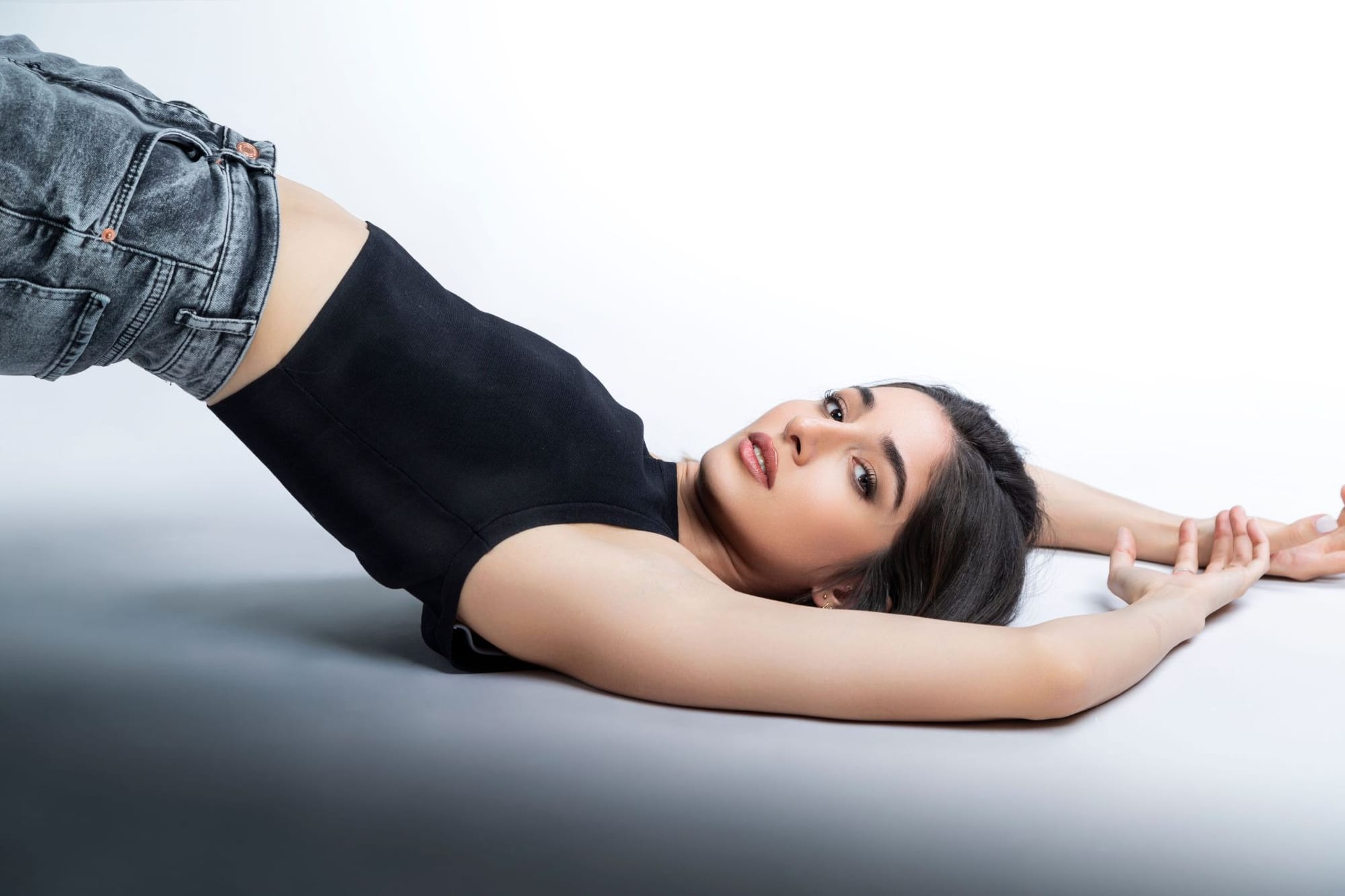
A reputable agency helps you find casting calls and gigs and provides guidance through a competitive industry.
Building a strong network matters just as much, since connections can lead to unexpected opportunities. A few points to consider:
- Research agencies. Look for ones that fit your goals and have a solid reputation in the fashion industry.
- Attend networking events. Industry events put you in front of designers, photographers, and fellow models, which can open doors for collaborations.
- Maintain relationships. Cultivating relationships with industry professionals can lead to referrals and future opportunities.
Adapting to Industry Changes and Diversity

Runway modeling keeps changing, and embracing diversity and adapting to those changes is part of the work.
There's growing recognition of different body types, ages, and ethnicities, reflecting a cultural shift toward inclusivity. Plus-size and curvy models are gaining prominence, challenging traditional standards and broadening the industry.
To keep up, stay flexible and adjust your approach as these norms emerge. Staying informed about size standards and developing a versatile portfolio helps you stand out.
Keep a polished appearance and a resilient mindset as you adapt. Embracing these changes expands your opportunities and contributes to a more inclusive fashion world.
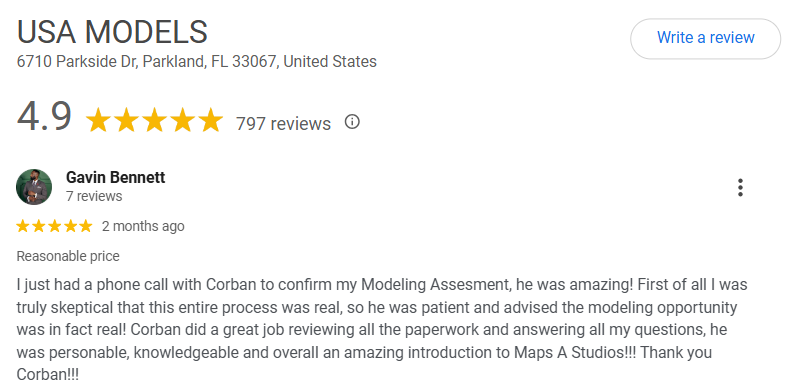
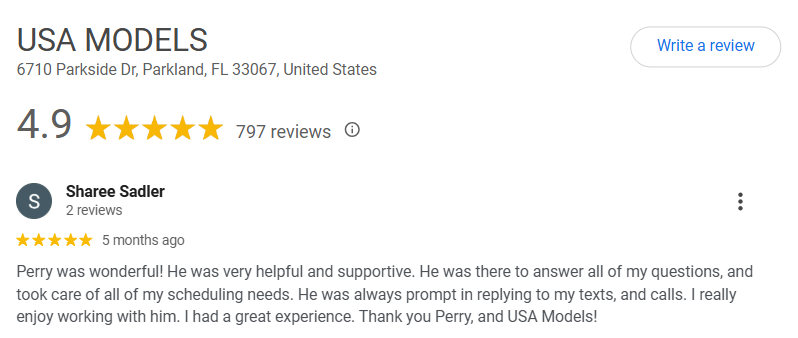
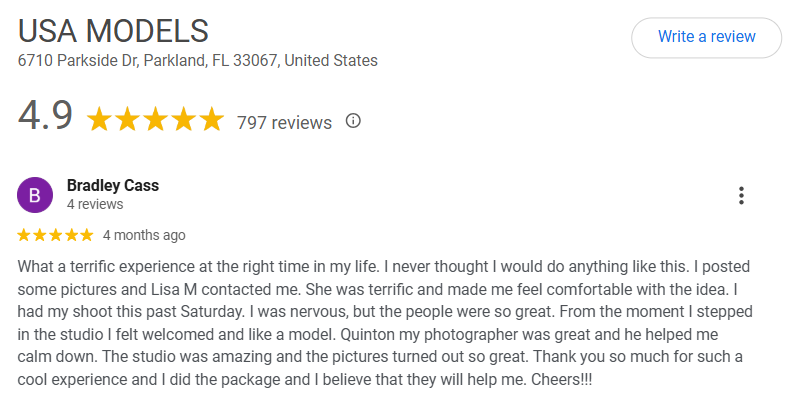
What People Think About USA Models Photography
Here are some reviews from parents and models who have worked with USA Models Photography. These testimonials from platforms like Google My Business show how the team supports aspiring models and offers guidance throughout the process. Many clients mention the friendly atmosphere and the professional approach. For more, check out USA Models Photography.
Frequently Asked Questions
What Is the Typical Age Range for Runway Models? Mid-teens to mid-twenties, typically. Age diversity is growing, though, in line with the industry's move toward inclusivity.
How Important Is Social Media Presence for Models? Very. It lets you show your work, connect with brands, and engage with fans. Being active online can raise your visibility and career opportunities considerably.
Are There Specific Runway Shows for Plus-Size Models? Yes. Events like New York Fashion Week now feature plus-size talent, with shows built around different styles and body positivity.
What Should I Wear to Casting Calls? Form-fitting clothing that shows your shape, with minimal makeup. Keep your hair neat and bring your portfolio.
How Do I Handle Rejection in the Modeling Industry? Rejection is tough, but it's part of the process. Learn from it, stay resilient, and keep pursuing the opportunities that fit your goals.
Conclusion
Becoming a successful runway model takes more than dreaming of the spotlight. Meeting physical standards, honing your skills, and building a strong portfolio open doors to real opportunities. Agency representation and networking matter in this competitive industry, and staying adaptable to changes in fashion and diversity keeps you relevant.
Note: We enjoy sharing creative inspiration, photography tips, and industry insights to help you capture life's best moments. The services, styles, and equipment mentioned in our articles are for informational purposes only and may not reflect our current offerings. For the latest on our photography services and portfolio, visit USA Models.





Member discussion