
How to Become a Teenage Model in the Modeling World?
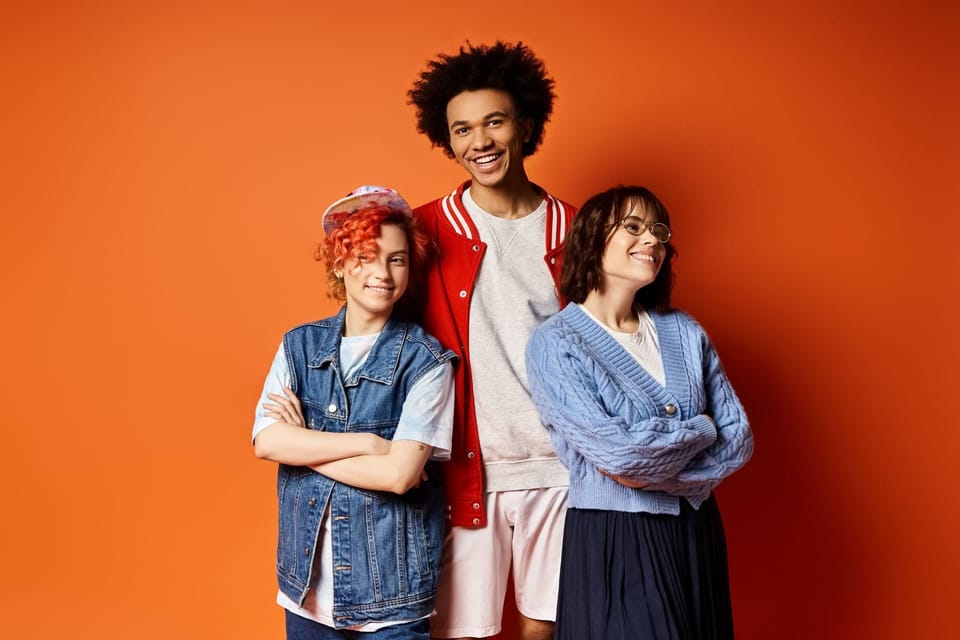
To become a teenage model, you need to understand how the industry works and put together a portfolio with varied, professional quality photos. Research casting calls and get experience by actually auditioning. There's a legal side too work permits, and parents involved in any contract. And school still comes first, so scheduling matters. Here's what each part involves.
Understanding the Teen Modeling Industry
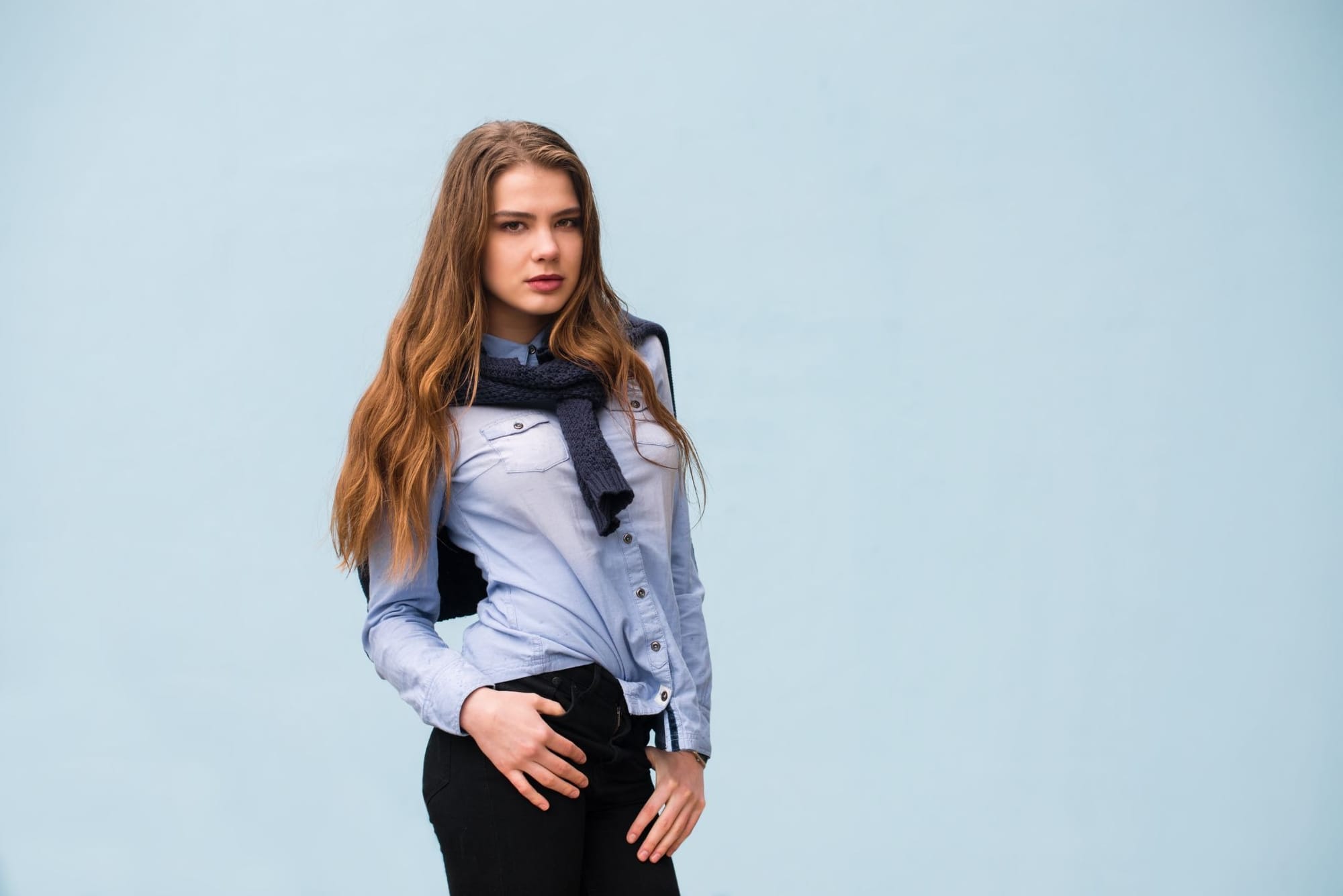
Teen modeling comes with real opportunities and real complications, and it's worth knowing both.
It gives young people aged 12-17 a way to represent brands and concepts, and for some it turns into a career. Plenty of celebrities started here, picking up confidence and industry contacts along the way.
That said, do your research. Look into the different types of modeling runway, commercial, whatever else and work out which agencies are legitimate. You'll also need to know the age-specific regulations, work permits included.
Talk to your parents about contracts, and be honest about how modeling fits around school. With the right support behind you, this is a manageable industry to enter.
Preparing Your Portfolio
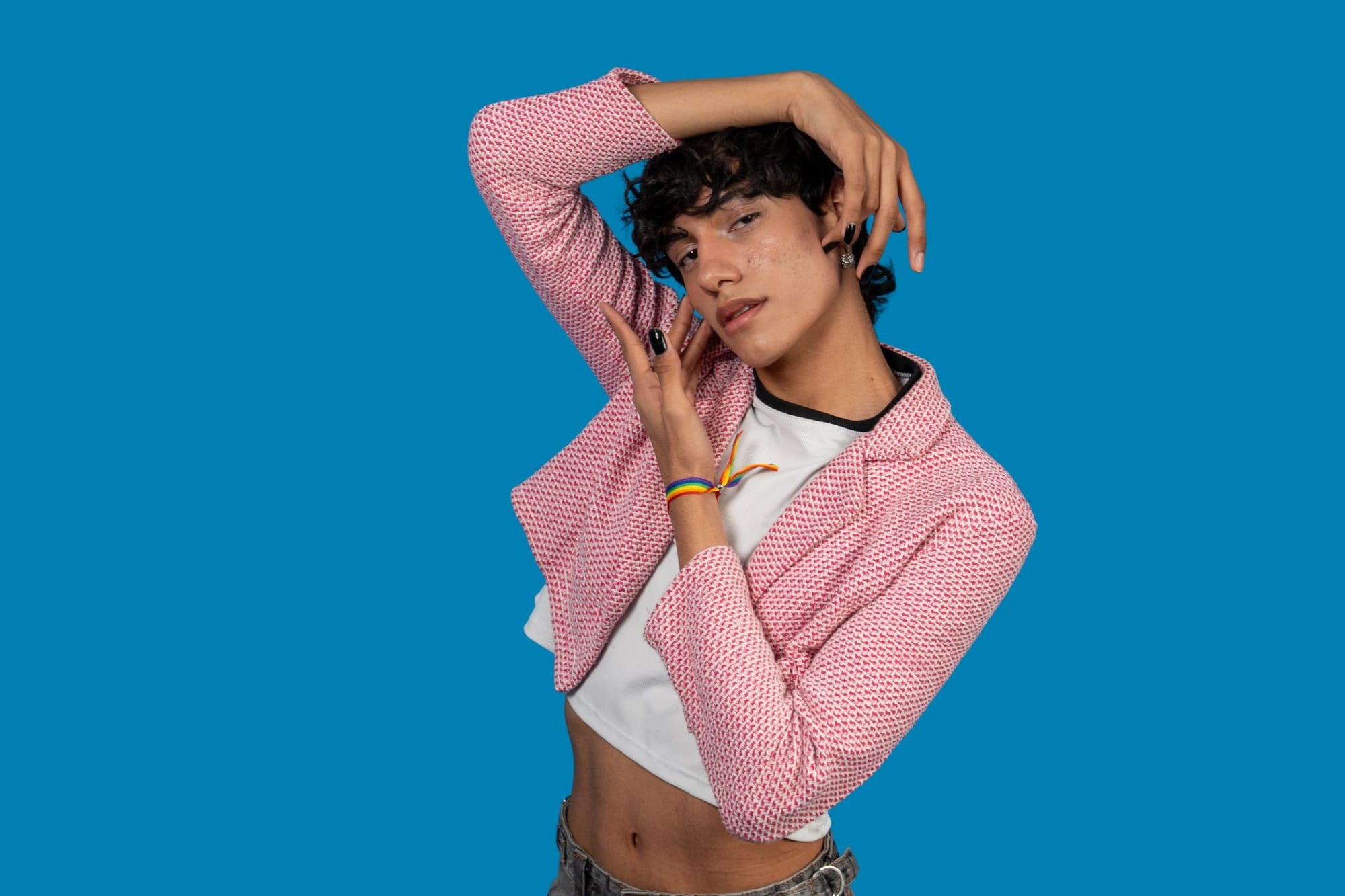
Your portfolio is what shows agencies your look and your potential. A few things it needs:
- Diverse photos. Headshots, full-body shots, and a range of expressions. Variety is what shows range.
- Professional quality. Professional photography is ideal, but quality images from a trusted friend or family member can get you started, as long as they actually look like you.
- Regular updates. You'll change a lot at this age. Keep the portfolio current so it matches how you look now.
Navigating Casting Calls and Auditions

Once the portfolio is together, casting calls are next. They're exciting and nerve-wracking in roughly equal measure.
Treat each one as a chance to show your talent and your personality. Research local casting calls and turn up to them every audition builds confidence, and the feedback teaches you something.
You'll get rejected. That's normal, and it's not a verdict on you.
Networking at these events matters too, so talk to other aspiring models and the industry people who are there. And keep on top of your schoolwork alongside all this. Staying organized is what makes both possible.
Legal Considerations for Teen Models

The legal side sounds daunting, but there are really only three things to know:
- Work permits. Most states require minors to get a work permit before modeling legally. It's a labor law requirement.
- Parental involvement. A parent or guardian has to review and sign any contract, since minors can't legally sign one alone.
- Earnings protection. Laws like California's Coogan Law require a percentage of earnings to be held in a trust for the minor, which protects the money you make.
Balancing Education and Modeling Commitments

The legal side is one piece; keeping school and modeling in balance is the other.
Academics come first. Careful scheduling is what makes it possible to do both without one collapsing into the other. Education gives you a foundation, and doing well at school keeps more doors open than modeling alone ever will.
Talk openly with your parents and your agency about what you've committed to, so nobody's caught out.
The upside of managing all this is real: you pick up discipline and professionalism that carry over into everything else. Handling both makes you more resilient, and that serves you well in modeling and outside it.
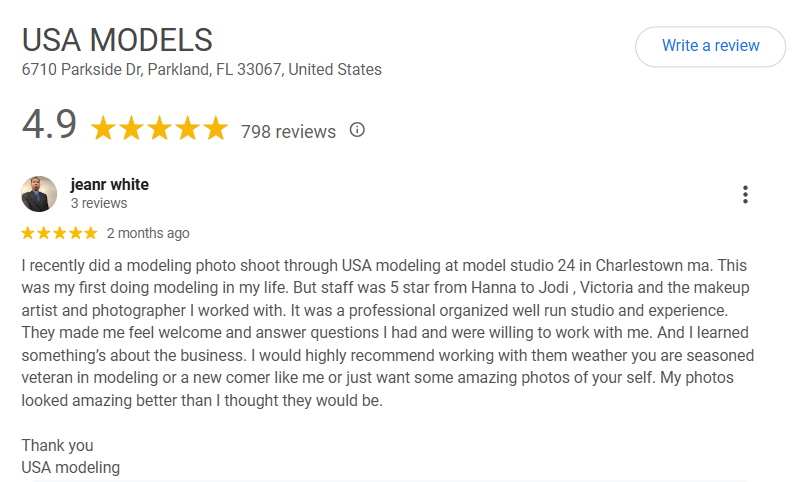
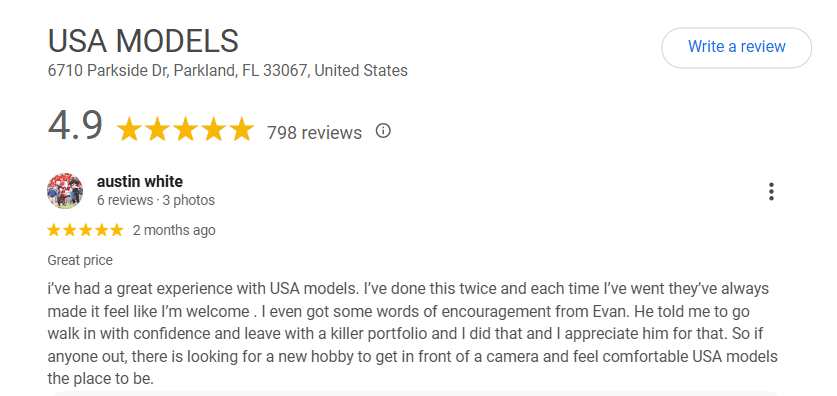
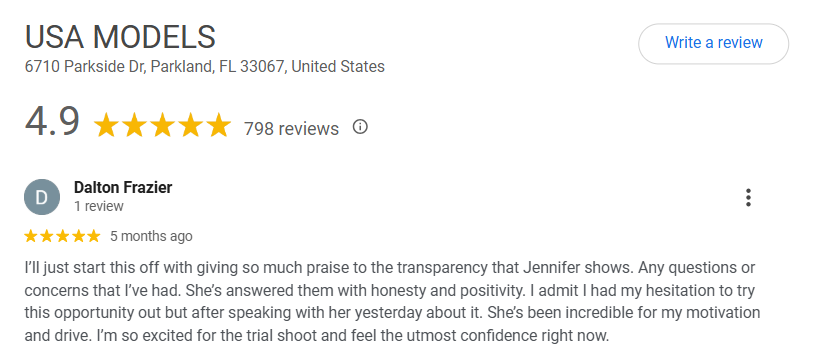
What our models are saying
At USA Models Photography, we pay attention to what our young models tell us. Below are reviews from platforms including Google My Business covering the support and guidance we give aspiring teenage models. They speak to how we help them grow. For more, visit us at USA Models Photography.
Frequently asked questions
How can I find reputable modeling agencies for teens? Research online, read reviews, and look at their portfolios. Talking to other aspiring models will point you toward the trustworthy ones faster than anything else.
What should I wear to a casting call? Fitted clothing that shows your figure, in neutral colors. Bring a couple of options. Being comfortable is what lets you be confident.
How do I handle rejection in modeling? It comes with the territory. Take what you can from each one, stay resilient, and keep going. Most careers here are built on the far side of a lot of noes.
Can I model if I don't fit traditional beauty standards? Yes. The industry values diversity more than it used to, and a distinctive look works in your favor. Lean into what makes you different.
What are common scams to be aware of in modeling? Agencies charging upfront fees or promising guaranteed work. Research any agency properly and talk it over with an adult you trust before committing to anything.
Conclusion
Starting out in teen modeling means covering a few things at once: a solid portfolio, knowing what auditions involve, and having your parents in the loop. Manage your time well and get advice from people who know the business, and this becomes a career you can actually build.
Note: We enjoy sharing photography tips and industry insight to help you capture life's best moments. That said, the services, styles, and equipment mentioned here are for general information and may not match what we currently offer. For our latest services and portfolio, visit USA Models. Let's create something you'll want to keep.




Member discussion