
How to become a model

Becoming a model starts with working out which path suits you, whether that's runway, commercial, or fitness. Then comes practice: watching established models and working on your poses in front of a mirror. A varied portfolio of quality images shows what you can do. From there it's casting calls and finding an agent whose roster matches your style. Knowing the industry's vocabulary makes all of it easier. Here's how it works.
Understanding the modeling industry and career path

There's more than one way into this business, and each one asks for something different.
Runway, commercial, print, fitness, and niche markets all want different skills and different looks. Runway usually favors taller models with strong poses. Commercial work wants relatable faces that sell products in ads.
Training makes a difference. A lot of successful models have had formal training, and it helps you understand how the industry actually operates. If there's no modeling school near you, look at programs connected to agencies in nearby cities.
Passion and motivation will carry you a long way in this business. Just stay alert to the scams that target newcomers, because there are plenty of them.
Practicing modeling skills and building experience
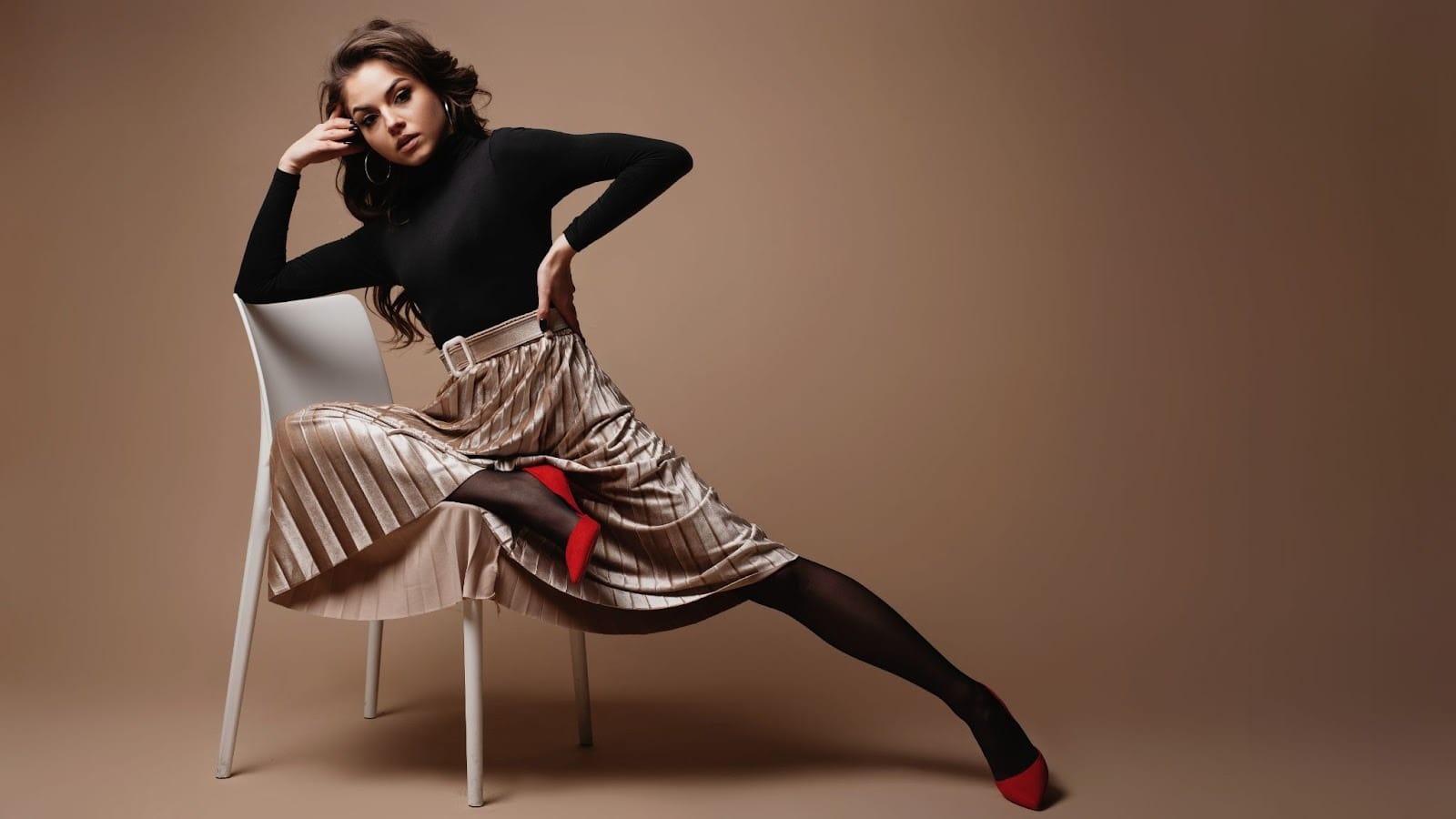
Skills come from repetition, so practice consistently.
Watch videos of established models and study how they move and hold a pose. A full-length mirror shows you your best angles and lets you refine your expressions. Ask friends or mentors for honest criticism, since you can't see everything yourself.
Test shoots give you real experience and images for your portfolio at the same time. Runway classes sharpen your technique before a shoot that matters, and that shows up as confidence on the day.
Get comfortable in front of a camera before you approach agents. Nothing replaces actual practice in an industry this competitive.
Building a modeling portfolio

Your portfolio is what proves your range, so it needs to be varied. Start with quality images: headshots, full-body shots, and a few different styled looks.
A professional photographer will catch your best angles and expressions. Working with emerging photographers is worth doing too, and often more affordable.
Mix professional and candid shots so the book shows more than one side of you.
Update it regularly, because it should reflect how you look and work now. Local gigs and trade-for-print shoots build both experience and your network while they fill out the portfolio.
The finished book should look like you and say clearly what you bring to a job.
Navigating casting calls and finding an agent

Casting calls and agent hunting feel intimidating, and they're how careers move forward.
Online platforms like Backstage list local casting calls, which is a good place to start. Turn up dressed appropriately and looking polished, ready for the casting team to see you at your best.
Research agencies whose look and style match yours, and read their submission requirements properly before you apply.
Approach agents once you have some experience behind you. A good agent opens doors to higher-profile work that you won't reach on your own.
Build a real working relationship with them, and follow up after casting calls. That follow-up is where a lot of opportunities come from.
Key modeling terms and resources

Knowing the vocabulary makes you sound like someone who belongs. Terms like "book" (your portfolio), "go-see," and "tear sheet" come up constantly, and understanding them keeps conversations easy.
Keep your portfolio stocked with quality images that show your range.
Backstage carries modeling listings and casting calls, and the Model Alliance works on models' rights and protections, so both are worth knowing about.
Networking with people already in the industry brings opportunities and information you won't find posted anywhere. Keep learning and keep up with the trends, because this business doesn't stand still.
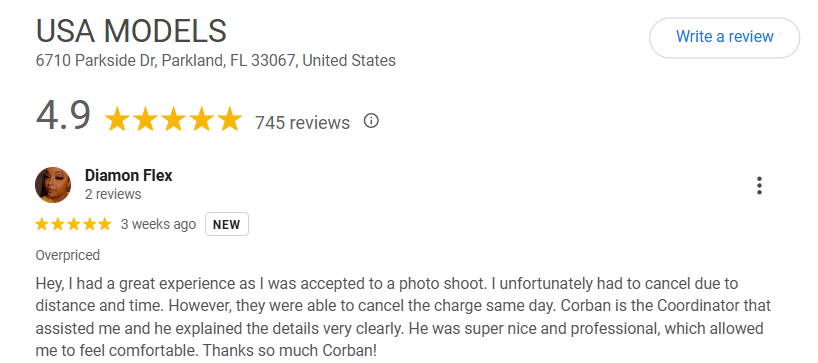
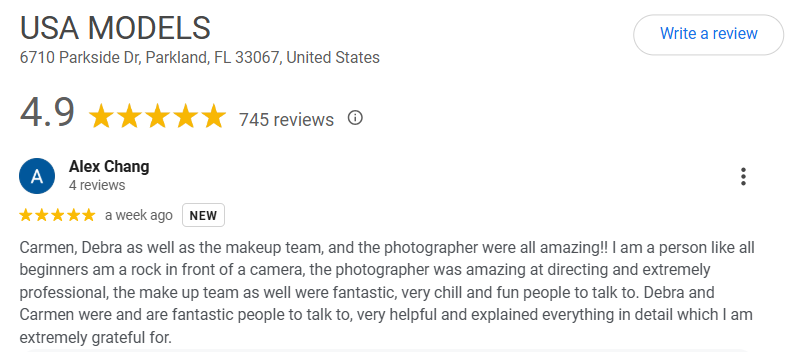
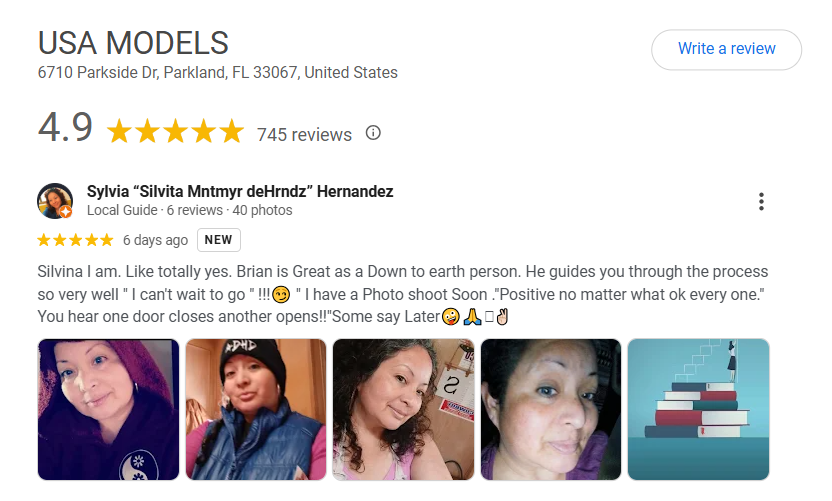
Hear from our clients at USA Models Photography
We're always glad to hear from our clients. Below are reviews from several platforms, including Google My Business, describing what working with USA Models Photography was like. Our team is here to help models get seen and get hired, and this feedback speaks to the work we put into capturing what makes each person distinctive. For more on how we can help you, visit USA Models Photography.
Frequently asked questions
What are the age requirements for modeling? Most modeling work falls between 16 and 30, depending on the type. Plenty of niches take models outside that range, so it's worth looking around.
How do body measurements affect modeling opportunities? They shape which kinds of modeling are open to you. Knowing the requirements helps you aim at the categories that suit your build rather than wasting submissions.
Is prior experience necessary to start modeling? No. Many successful models started with none. Work on your skills, build a portfolio, and let confidence come from practice.
Can I model part-time while maintaining another job? Yes. A lot of models keep another career alongside it, which gives them room to take opportunities and build experience without committing fully before they're ready.
What should I do if I face rejection in modeling? Rejection comes with the work. Take what you can from the feedback, keep at it, and keep improving. The setbacks are where most of the learning happens.
Conclusion
Persistence and passion are what carry a modeling career. Understand how the industry works, practice your skills, and build a portfolio that shows what you can do. Networking and the right opportunities open the doors, and the things that make you different are what get you remembered. Every step you take is one closer to the career you're after.
Note: We enjoy sharing creative inspiration, photography tips, and industry insights to help you capture life's best moments. The services, styles, and equipment mentioned in our articles are for informational purposes only and may not reflect our current offerings. For the latest on our photography services and portfolio, visit USA Models.





Member discussion