
Essential tips for successful portfolio building
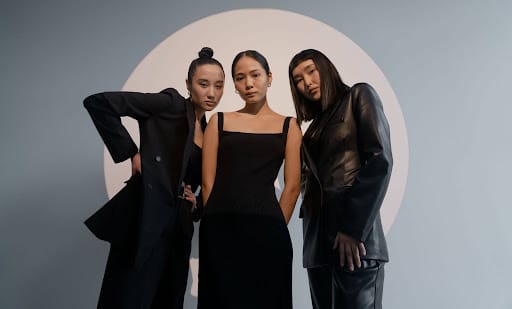
Your modeling portfolio has one job: show your style and prove you can handle range. That means high-quality images, an "About" section people actually want to read, and contact details anyone can find in two seconds. The photographer you pick makes a real difference, and the fastest way to find a good one is through other models. After that it's about getting yourself seen, on social media and ideally on your own website. Do those things and work starts finding you.
Why a modeling portfolio matters

Your portfolio is your visual calling card. In a business this competitive, it's what establishes that you're credible, whether you're brand new or years into the work.
It also signals that you take modeling seriously as a career, which is a bigger deal than most beginners realize when it comes to attracting clients and agencies. A well-built portfolio doesn't just list your experience. It shows your style.
Include beauty shots for your features, body shots for your physique, and enough variety in your looks that nobody has to wonder whether you can adapt.
Add your personal story and your contact information, and you've made it easy for an agency to see what you can do and get in touch.
First impressions count here more than almost anywhere. A strong portfolio changes yours.
What to include
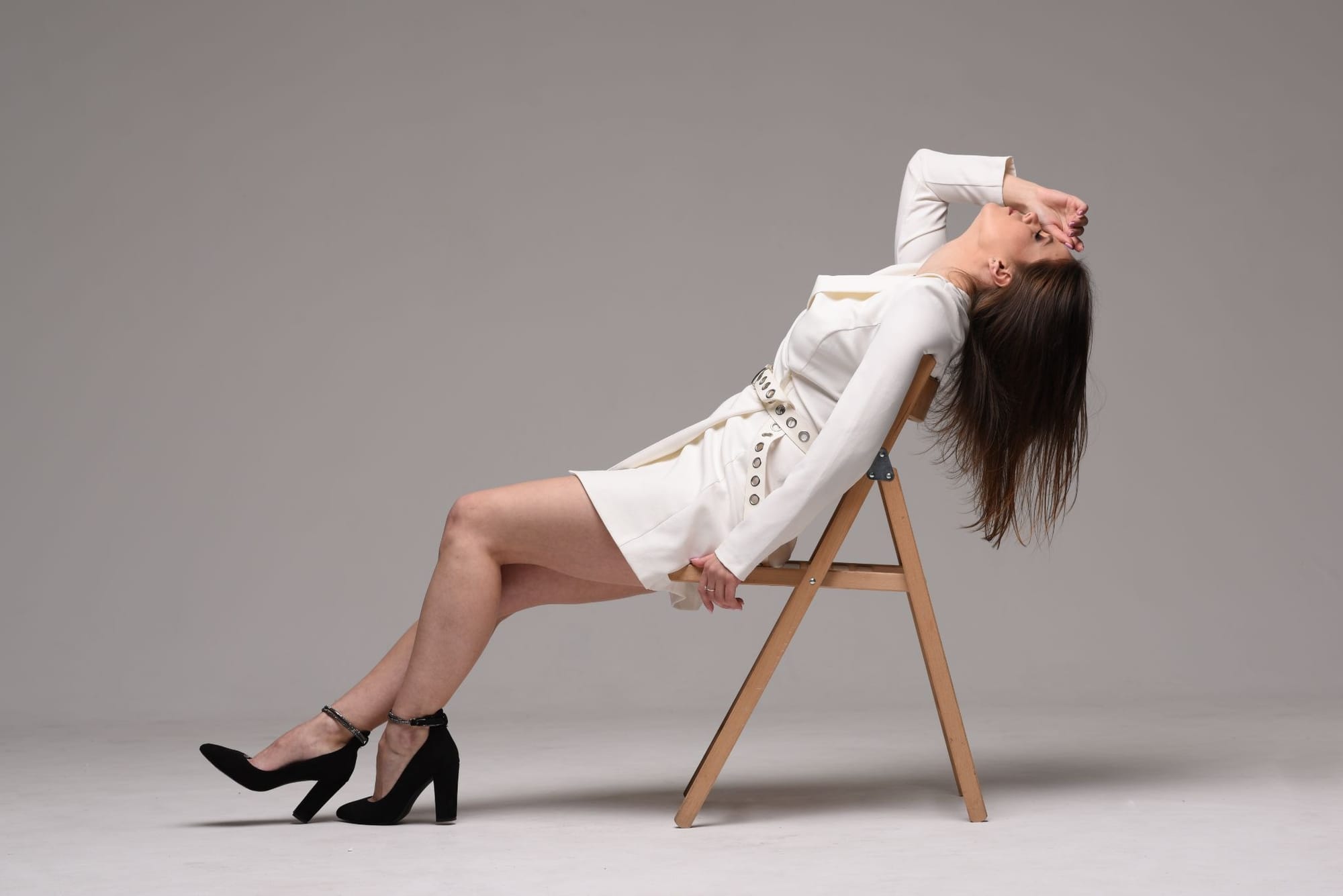
A few pieces do most of the work.
Start with high-quality beauty and body shots that bring out your features and your physique. Somewhere between 10 and 20 images is the sweet spot: enough to hold attention, few enough to stay cohesive.
Build in a variety of looks so your range is obvious. Write an "About" section that shares your story and your vision, and label your "Contact" section clearly so agencies can reach you without digging. Social media links help too, since people will look you up anyway.
Mix in some different content while you're at it. Behind-the-scenes images add depth and let clients see you as a person rather than a set of measurements.
Choosing the right photographer
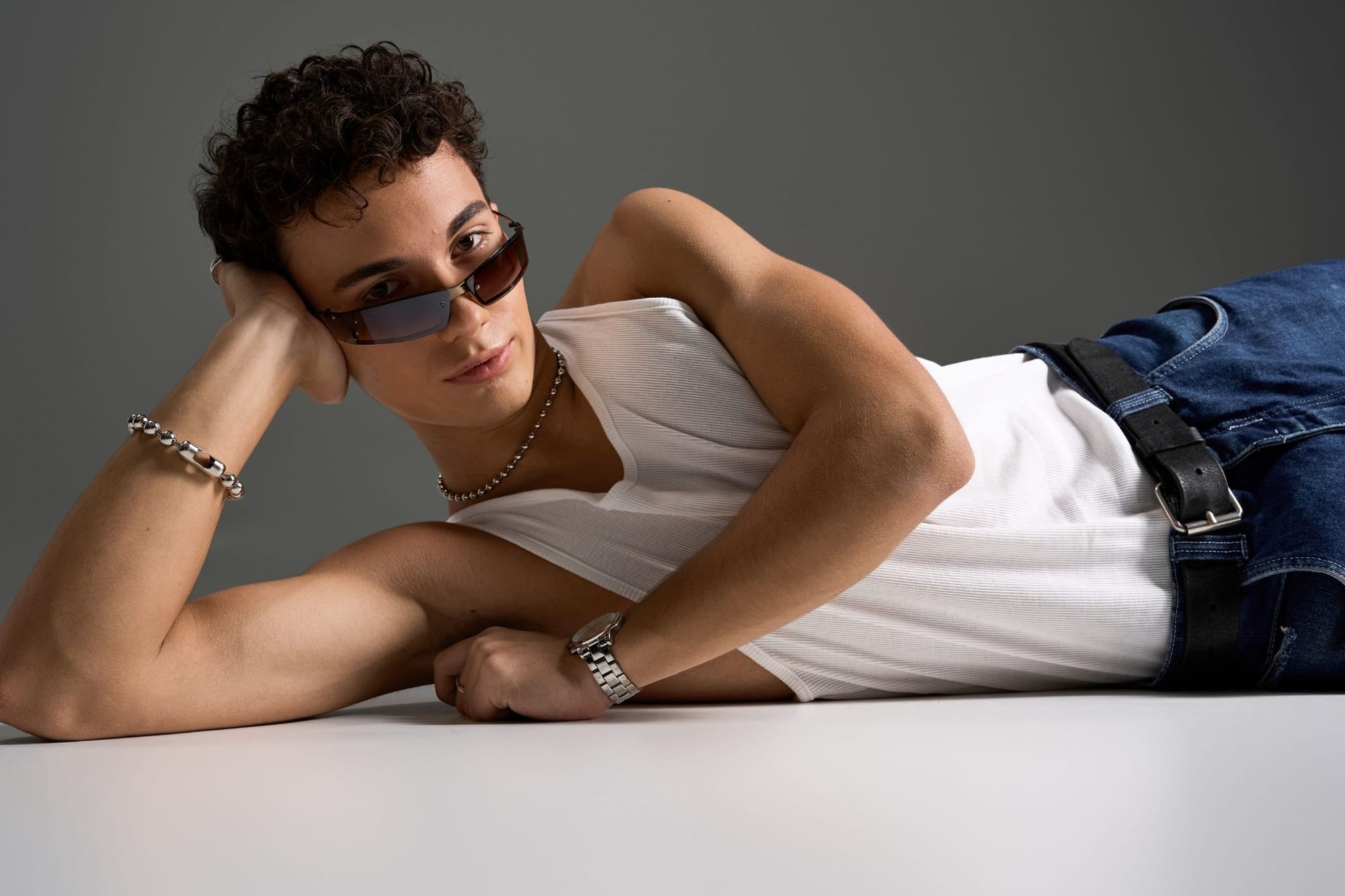
Start with research. Look through photographers' portfolios online and check whether their style actually matches what you're going for. If it doesn't, move on.
Talk to other models. Referrals and recommendations from people who've already done the shoot are worth more than any amount of scrolling.
TFP (Trade for Portfolio) agreements are worth considering too. They let you build your portfolio without spending money you may not have yet.
When you first speak with a photographer, say clearly what you're expecting and pay attention to whether they get it. Some will, some won't.
Watch out for scams. Always verify credentials, and bring a friend along to photoshoots. It's a simple precaution and there's no reason to skip it.
Promotion and networking
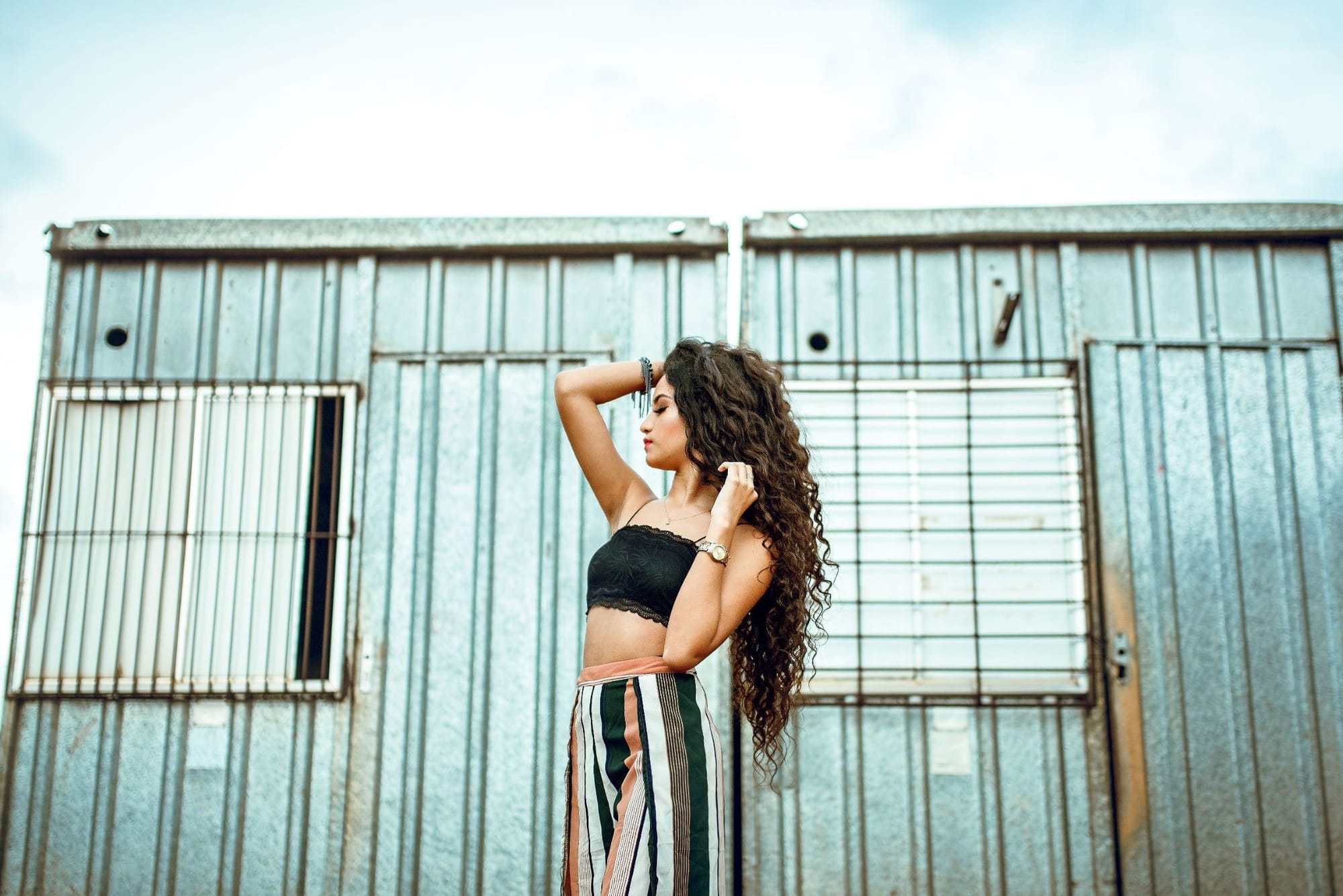
The photographer is only the first step. Getting seen is what actually turns a portfolio into work, and that takes some effort in the fashion industry.
Here are some strategies we can use:
- Leverage social media: set up dedicated modeling accounts for your portfolio and stay engaged with the people who follow you.
- Attend events: fashion shows and industry mixers put you in the same room as professionals and potential clients.
- Network actively: build real relationships with stylists, makeup artists, and other models. Collaborations come out of those.
- Follow up: send a note after meetings so you stay on people's radar instead of fading from it.
Building a portfolio website
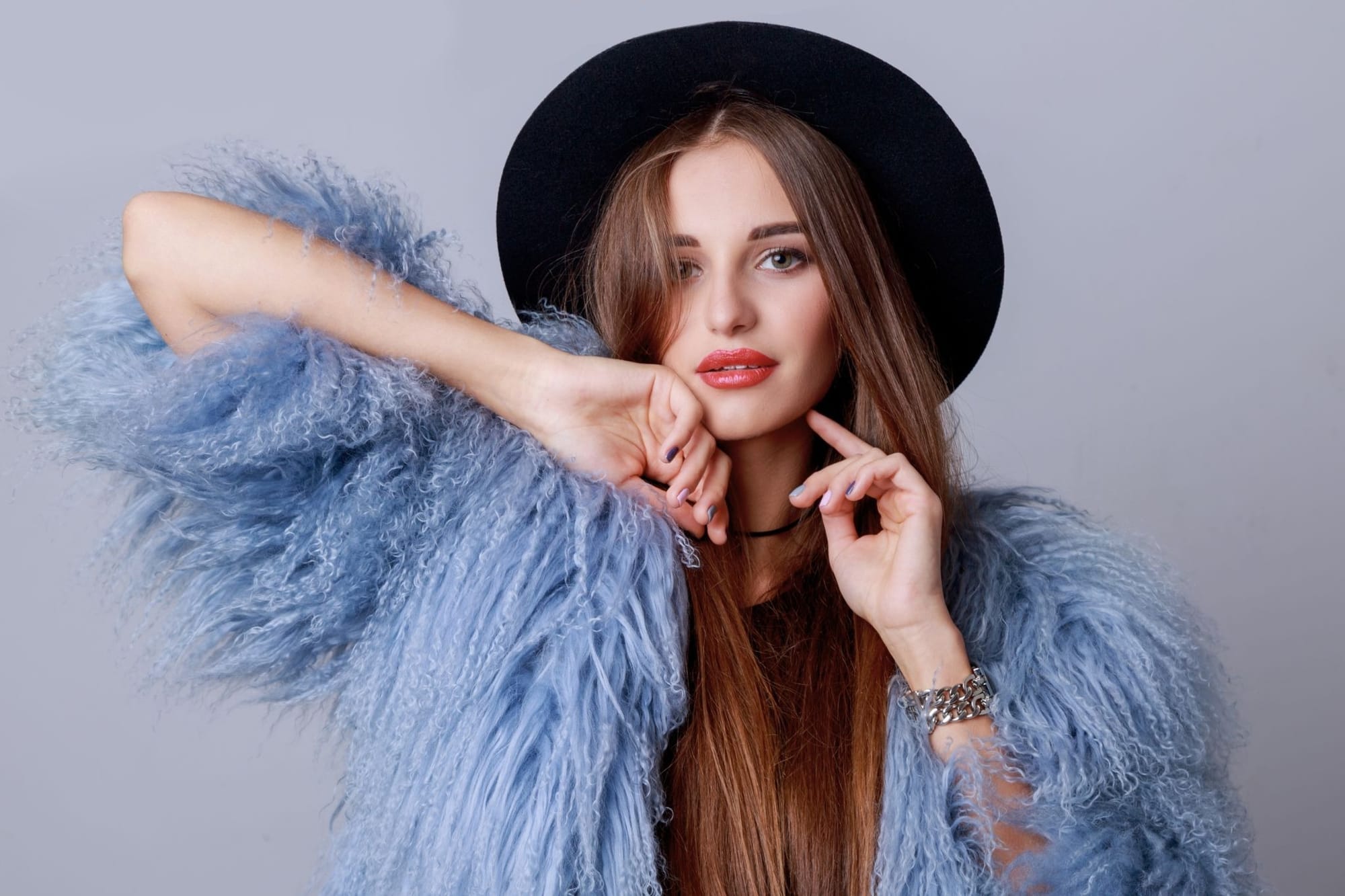
Your own website gives you somewhere to send clients that isn't an Instagram grid.
Pick a website builder you can actually use, and keep the layout clean so your images do the talking. Make sure it works on mobile, because that's where most people will see it.
Include your measurements and an "About" section with your story in it. Update the site with new work as it comes in. That shows how you've grown and gives clients a reason to check back.
Connect your social accounts to the site too. Handled well, all of this adds up to an online presence that shows both your range and your professionalism.
Client feedback that matters
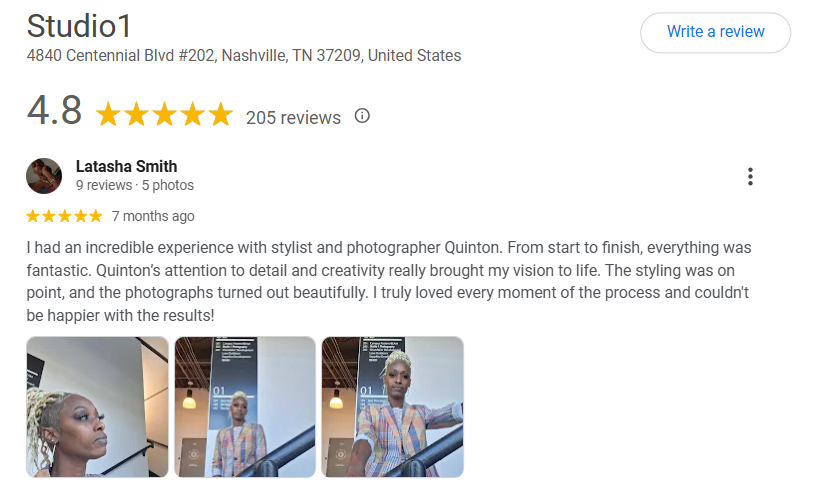
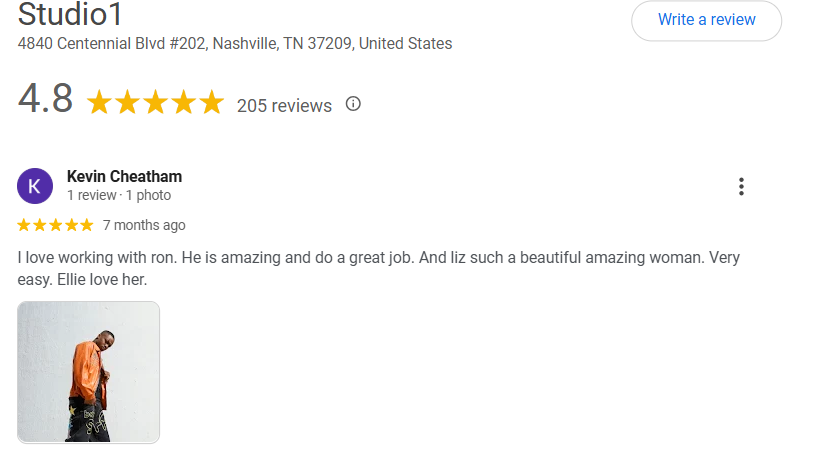
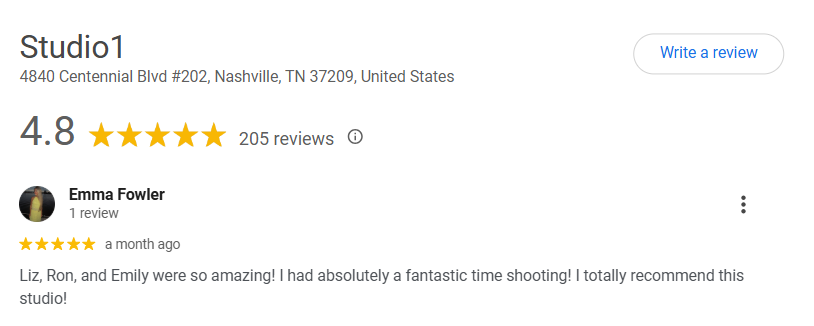
At Studio1 Photography, we love hearing from our clients about their experiences. Below you'll find screenshots of reviews from various platforms, including Google My Business (GMB). They cover how our team helps people build strong portfolios and hit their photography goals. We appreciate every kind word, and we hope you find something useful in what our clients have to say. For more information, visit Studio1 Photography.
Frequently asked questions
How often should I update my modeling portfolio? Every few months is a good rhythm. Fresh images keep your work current and show how you've developed, which is what brings in new opportunities in an industry that changes constantly.
What should I wear for portfolio photoshoots? Go for versatile pieces that flatter your features. Solid colors photograph well. Skip busy patterns, since they pull attention away from you.
How can I choose the right modeling niche? Look honestly at your strengths and what genuinely interests you. Try different styles, fashion and commercial included, and see what clicks. The work goes better when you actually care about it.
Should I include personal projects in my portfolio? Yes. Personal projects show your creativity and your style in a way client work sometimes can't. They give people a sense of your range and what you're passionate about, and that's what makes you memorable.
What are common mistakes to avoid in portfolio building? Low-quality images, too many photos crammed in, and no clear sense of your own style. Focus on quality, variety, and keeping the whole thing cohesive.
Conclusion
A modeling portfolio that works is one that shows your talent and your range clearly. Know what it's for, include the right pieces, and find a photographer who understands your vision. Promotion and networking matter just as much, so don't let those slide. A professional website ties it all together and gives you one place to point people. Start applying this and see where your modeling career goes.
Visit Studio 1 photography for more information.
Note: We love sharing creative inspiration, photography tips, and industry insights to help you capture life's best moments. That said, the services, styles, and equipment mentioned in our articles are for informational purposes only and may not reflect our current offerings. For the latest on our photography services and portfolio, visit Studio-1.us. Let's create something beautiful together.


Member discussion