
Become a Model by Navigating Your First Steps in the Industry
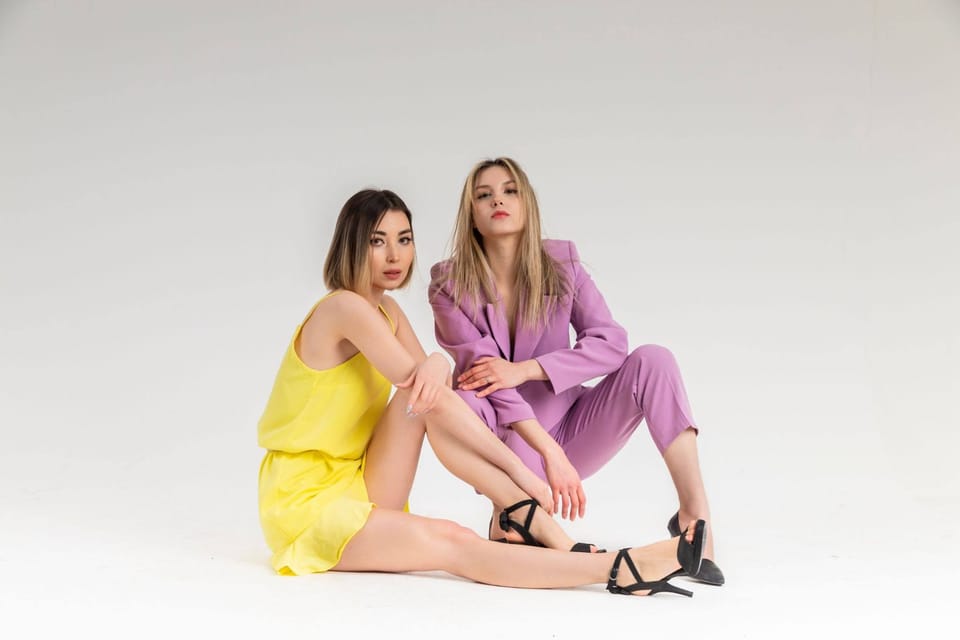
To become a model, start by figuring out which types of modeling fit your style. From there, build your skills through practice and feedback. A professional portfolio matters too, since it shows your range. When you approach agencies and casting calls, present yourself with confidence and professionalism. And network with people in the industry, because those connections open doors. Stick with it and you'll pick up more along the way.
Exploring Different Types of Modeling
Look into the world of modeling and you'll find there's a niche for just about everyone, whatever your body type or height.
Fitness, commercial, curve modeling, each one has its own openings. Fitness models work with athletic wear, for example, while commercial models sell products across all kinds of campaigns. The trick is figuring out what fits your strengths. As you go, pay attention to the skills and looks each niche calls for.
Passion and motivation carry you a long way, but watch out for scams that target newcomers. Money matters too. Income can be unpredictable, so you may need a day job to cover things while you chase the modeling work.
Developing Essential Modeling Skills
Building your skills is what helps you compete in a crowded field.
To stand out, work on your craft through steady practice and feedback. A few skills worth developing:
- Mirror practice: pose in front of a mirror regularly to find your best angles and expressions.
- Study the greats: watch videos of established models to learn effective poses and movement.
- Seek feedback: ask peers and professionals for honest criticism so you can sharpen your skills.
- Do test shoots: get real experience and build portfolio material at the same time.
Creating a Professional Modeling Portfolio
Once your skills are coming along, the next step is a professional portfolio that shows your range.
Start with a clean headshot, a full-body shot, and a swimwear shot if it applies. Capturing different looks matters, so hiring a professional photographer, or teaming up with emerging talent, makes a real difference. A variety of poses and styles will appeal to casting directors. Keep the portfolio current as you gain new experiences and photos.
One thing to remember: being comfortable on the shoot really does show, so research photographers and find one whose style fits yours. A good portfolio is what gets your foot in the door.
Approaching Agencies and Casting Calls
Approaching agencies and casting calls is a big step. Present yourself with confidence and professionalism so you make a good impression. Here's how to prepare:
- Research agencies that fit your niche and read their submission guidelines.
- Dress appropriately for casting calls, since a polished look signals you take the work seriously.
- Be ready to perform. You may have to show your poses or walk, so practice ahead of time.
- Follow up after auditions. A polite email shows your interest and professionalism.
Building a Network in the Modeling Industry
Networking is a big part of getting anywhere, mostly because connections lead to opportunities.
Look to build relationships with photographers, agents, and other models. Industry events, workshops, and casting calls are good places to meet people and show what you can do. Social media like Instagram is a great way to connect with professionals, share your work, and engage with theirs.
Stay professional but genuine. Real relationships are the ones that turn into collaborations and job referrals. A strong network gives you a support system and makes you more visible and credible in a competitive field.
Client Testimonials for Studio1 Photography
Here we share reviews from clients who've worked with Studio1 Photography, collected from platforms like Google My Business. Many mention the supportive atmosphere and the guidance they got during their shoots. They like how our team captures what makes each person distinct, and how we try to make the whole experience enjoyable. These reviews reflect the work we put into helping models do well. For more information, check out Studio1 Photography.
Frequently asked questions
How do I handle rejection in the modeling industry? Rejection is tough, but it comes with the territory. Learn from each experience, stay motivated, and keep your focus on what you do well.
What are common scams to watch out for in modeling? Watch for agencies that ask for upfront fees or promise guaranteed work. Research thoroughly and trust your gut, and you'll steer clear of most of these.
How much should I expect to earn as a beginner model? Usually somewhere from $50 to $500 per job, depending on the type and location. Many beginners keep some supplemental income while they get established.
Can I model if I don't fit traditional beauty standards? Yes. The industry is changing and increasingly welcomes diverse looks and distinctive features. Lean into what makes you you and go after the opportunities that fit.
Are there age limits for starting a modeling career? There aren't strict age limits, so you can start at various stages of life. Your own qualities and experiences can actually set you apart.
Conclusion
Starting out in the modeling world is a series of steps, and each one gets you closer. Explore the niches, work on your skills, and build a portfolio that stands out. Network and approach agencies with confidence, and the opportunities follow. There will be challenges, but there will be wins too. Give it a real shot and see where it takes you.
Visit Studio 1 photography for more information.
Note: We enjoy sharing creative inspiration, photography tips, and industry insight to help you capture life's best moments. That said, the services, styles, and equipment mentioned in our articles are for general information and may not reflect what we currently offer. For the latest on our services and portfolio, visit Studio-1.us. Let's create something you'll be glad you made.


Member discussion