
Why Choose A2 Butter for Nutritional Advantages?
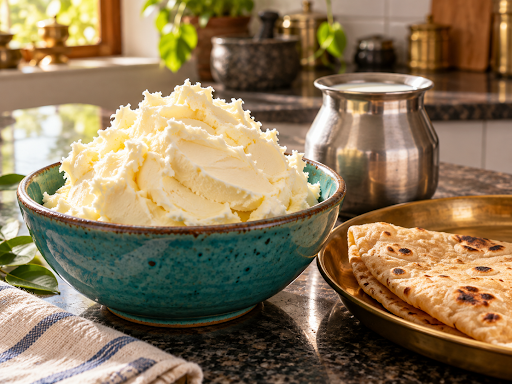
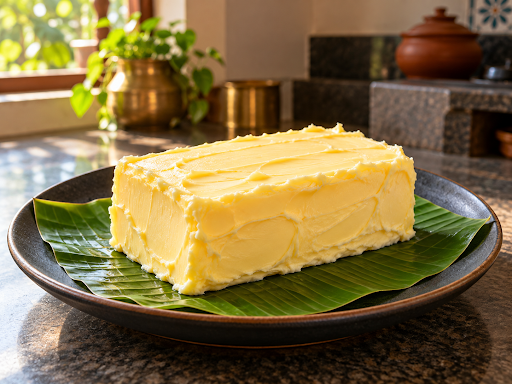
A small pat of butter melting over a hot chapati brings a familiar richness to the meal. Choosing the butter behind that flavor takes a little more thought, especially when the pack carries an A2 label. Milk source, ingredients and serving size each tell you something different. When considering organic butter or an A2 option for your kitchen, it helps to understand what those terms establish and what they do not. You can enjoy butter while making a careful, realistic decision about its place in everyday food.
Understand What the A2 Label Refers To
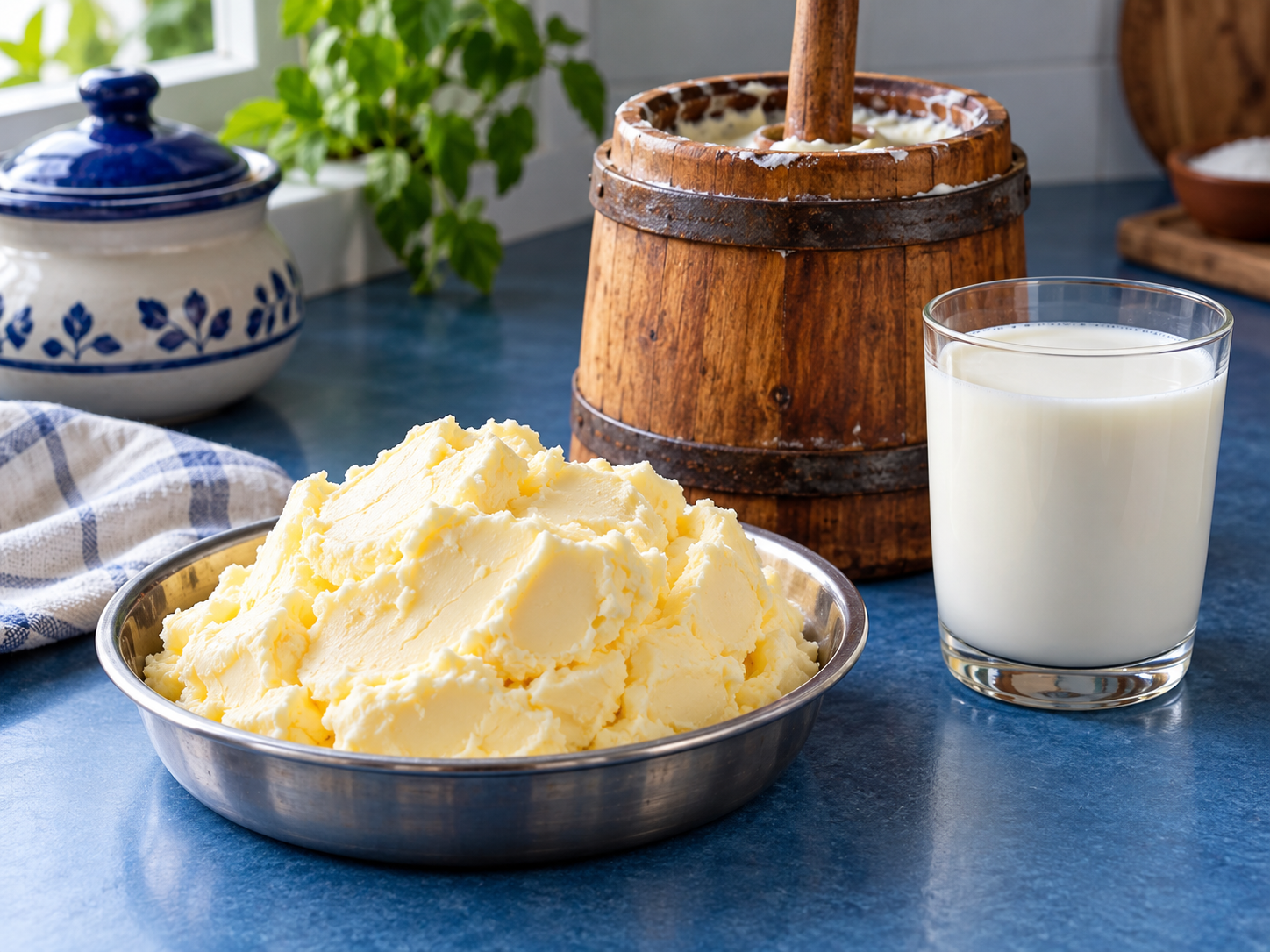
A2 refers to a form of beta-casein protein in the milk used as the dairy source. It does not name a new kind of butterfat. That distinction matters because butter is primarily a fat-rich food, while much of the discussion around A2 concerns milk and its protein composition.
If you prefer dairy made from an identified A2 milk source, the label can help you make that sourcing choice. Look for a clear explanation from the producer instead of treating the term as a complete nutrition statement. The actual ingredients and nutrition information still matter.
Research or observations about drinking A2 milk do not automatically prove the same benefit from eating A2 butter. The foods differ in composition and serving size. Choose the butter for an understood milk source and the qualities you enjoy, without expecting the label alone to establish better digestion or a special health effect.
Recognize Butter's Nutritional Contribution
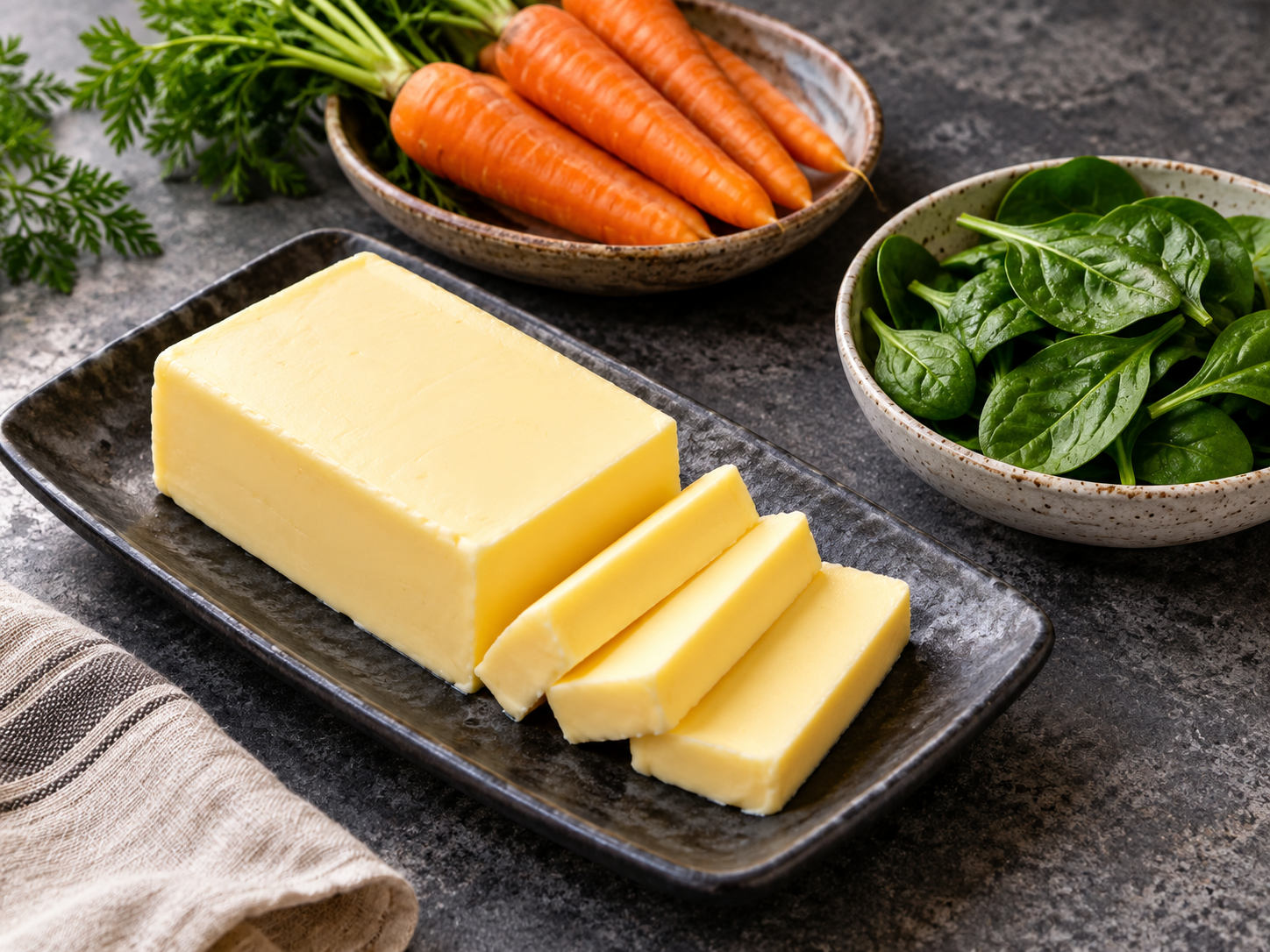
Butter supplies dietary fat and energy, and it can contribute fat-soluble nutrients such as vitamin A. The amount you receive depends on the product and the portion you use. A description of butter as nutritious should therefore sit alongside a realistic view of how much ends up on the plate.
Its richness also explains why a small quantity can noticeably change the flavor of food. You can use that quality without treating butter as the main nutritional foundation of a meal. Vegetables, pulses and other foods still have their own roles in a varied eating pattern.
Butter contains saturated fat, so an A2 label is not a reason to ignore overall intake. Compare the nutrition panel when it is available and consider your usual food choices together. Claims that one type of butter prevents disease or produces weight loss go beyond what the supplied information establishes.
Keep A2, Grass-Fed and Organic Claims Separate
A2, grass-fed and organic describe different things. A2 relates to milk protein type. Grass-fed describes feeding practices, while organic concerns production standards. A product carrying one term does not automatically meet the meaning of the other two.
Feeding practices can influence the fatty-acid profile and carotenoid content of butter. That is why information about grass-fed butter may discuss composition and color. It does not prove that every A2 butter has the same characteristics, or that a deeper yellow shade confirms an A2 milk source.
Check each claim on its own terms. Ask what milk the producer uses and what supports any separate organic or feeding claim. This gives you a clearer basis for choosing than combining several appealing words into one assumption about quality.
Read the Ingredients Before Making a Comparison
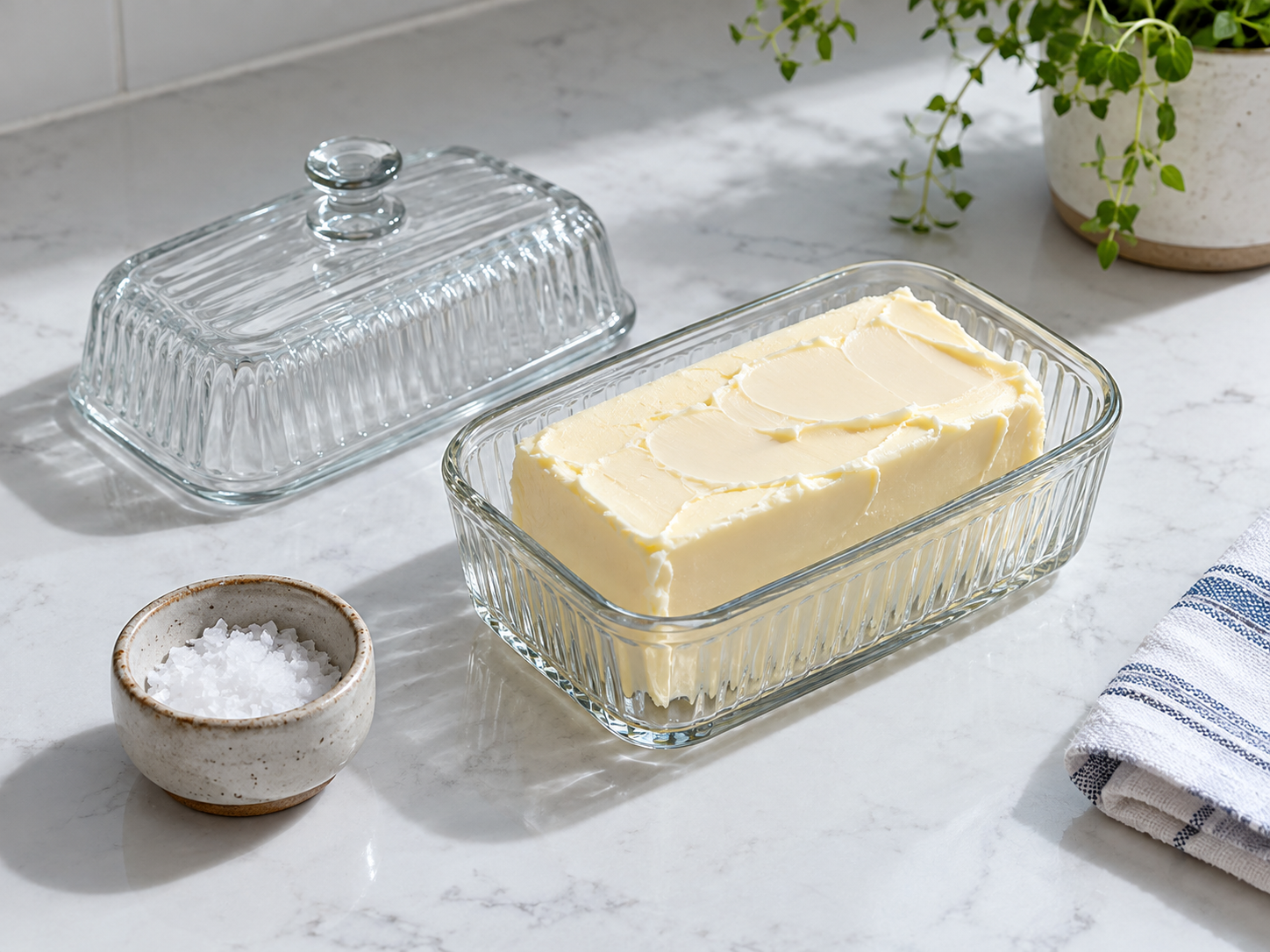
The ingredient list helps you compare the butter you will actually use. Check whether it contains added salt and whether other ingredients appear. Keep those details separate from broad claims about naturalness; a familiar ingredient list tells you more than an undefined promise.
Salted and unsalted butter suit different preferences and cooking needs. When comparing two products, account for that difference as well as the stated serving size. Otherwise, a nutrition comparison can look more meaningful than it really is.
A2 also does not mean lactose-free or safe for someone with a cow's-milk allergy. Do not use the label to decide that an allergy concern has disappeared. Anyone managing a dairy-related condition should follow appropriate professional advice instead of relying on promotional descriptions of digestibility.
Use a Small Portion Where the Flavor Matters
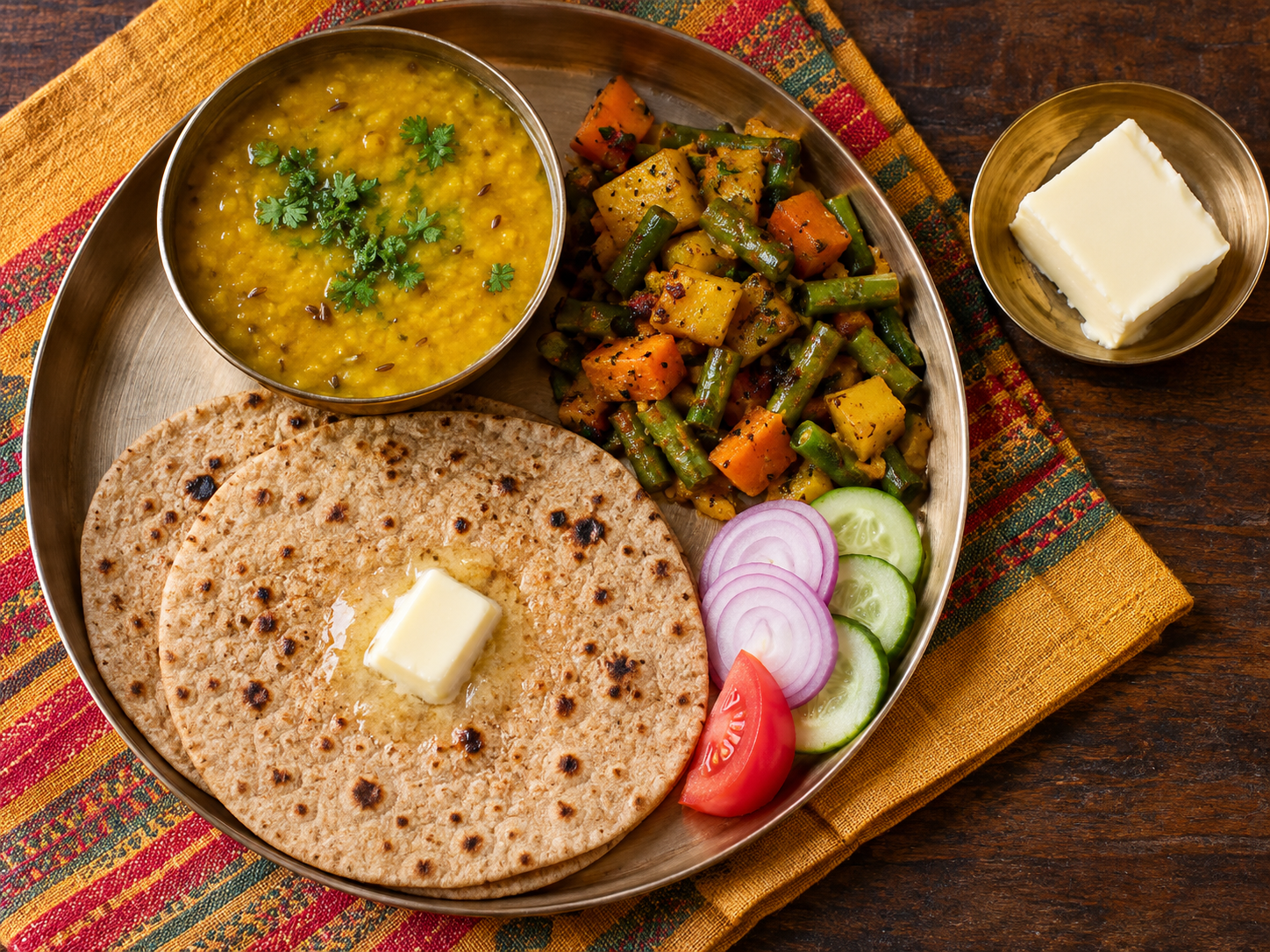
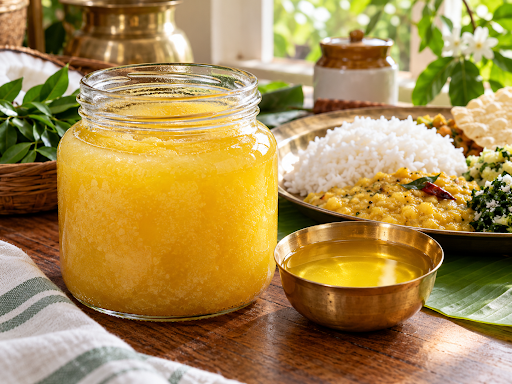
Butter can be enjoyable without appearing in large amounts throughout the day. Think about the meal where you most appreciate its flavor, such as a warm chapati or a vegetable preparation. A deliberate portion helps you enjoy that richness while keeping the rest of the meal in view.
Avoid increasing the quantity simply because the product carries an A2 or organic label. The label does not remove the fat or energy in the food. What matters for everyday eating is the overall pattern, including how often you use butter and what you eat alongside it.
Choose an option with clear product information and a flavor that suits your household. That is a practical reason to make a considered purchase. You do not need promises of dramatic health changes to appreciate a well-chosen ingredient in familiar home cooking.
Bring Raghas Organic Butter Into Your Kitchen
At Raghas Dairy, we share our organic butter offering with households that value familiar dairy ingredients in everyday cooking. Explore the product information and choose according to your taste, dietary needs and the way you use butter at home. A considered choice begins with understanding the food rather than expecting one ingredient to transform your diet.
Frequently Asked Questions
Is A2 Butter Automatically More Nutritious Than Other Butter? The A2 term identifies the milk source's beta-casein type. It does not, by itself, establish a superior nutrient profile for the finished butter.
Does A2 Mean the Butter Is Organic? No. A2 and organic describe different attributes. Check the evidence for an organic claim separately.
Can Someone With a Milk Allergy Use A2 Butter? Do not assume it is safe. A2 butter remains a dairy product, and the label does not remove a cow's-milk allergy concern.
Can I Use More Butter Because It Is A2? The A2 label does not remove butter's fat or energy. Keep portions and your overall eating pattern in mind.
Final Takeaway
Choosing butter becomes simpler when each claim has a clear meaning. An A2 milk source may suit your preference, but it does not establish every nutritional advantage sometimes attached to it. Check ingredients, distinguish organic and grass-fed information, and use a portion that fits your meals. When exploring organic butter, keep flavor and reliable product details ahead of dramatic promises. A small amount can bring welcome richness to home cooking while the rest of the meal provides variety. That balanced approach lets you enjoy butter for what it offers without asking it to do more than the evidence supports.
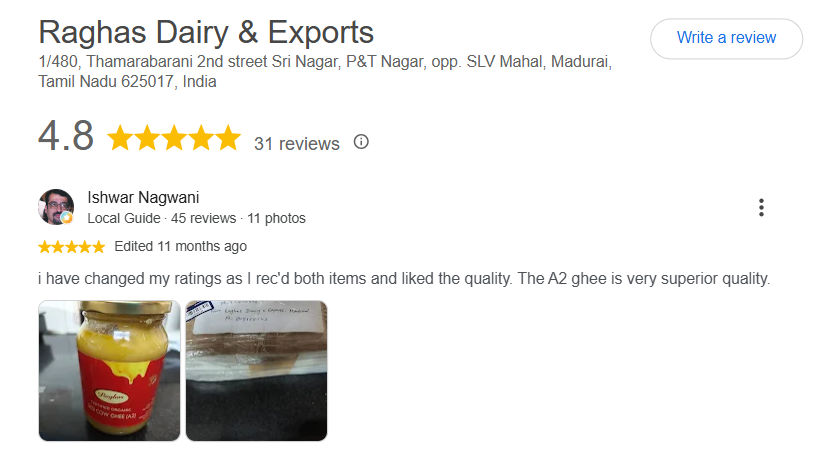
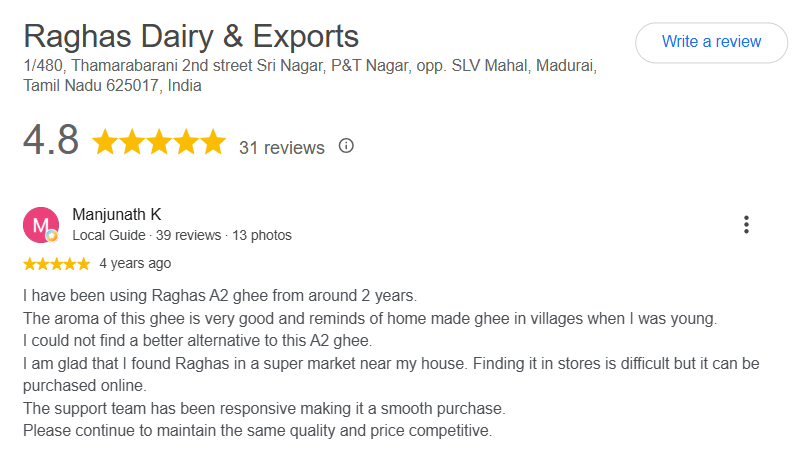
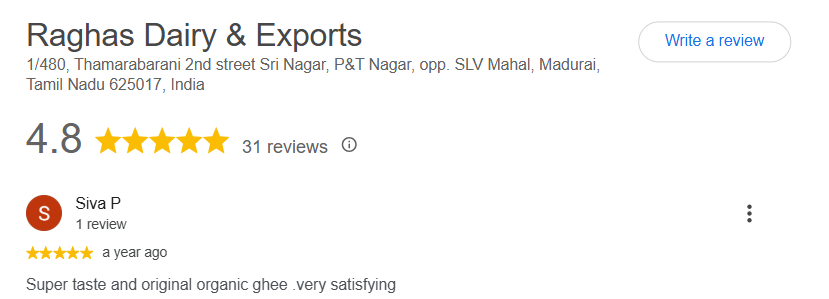
Visit Raghas Dairy to learn more about our products and join our community of happy customers.



Member discussion