
What Is Runway Modeling and How to Get Started?

Runway modeling presents fashion designs on stage, with models walking T-shaped runways to show the latest trends. Getting started means meeting the height requirements: 5'9" for women and 6'0" for men. Practicing your runway walk, keeping a polished look, and building a diverse portfolio are the next steps. Networking and finding the right agency are what open doors. Here's how it all fits together.
Understanding Runway Modeling
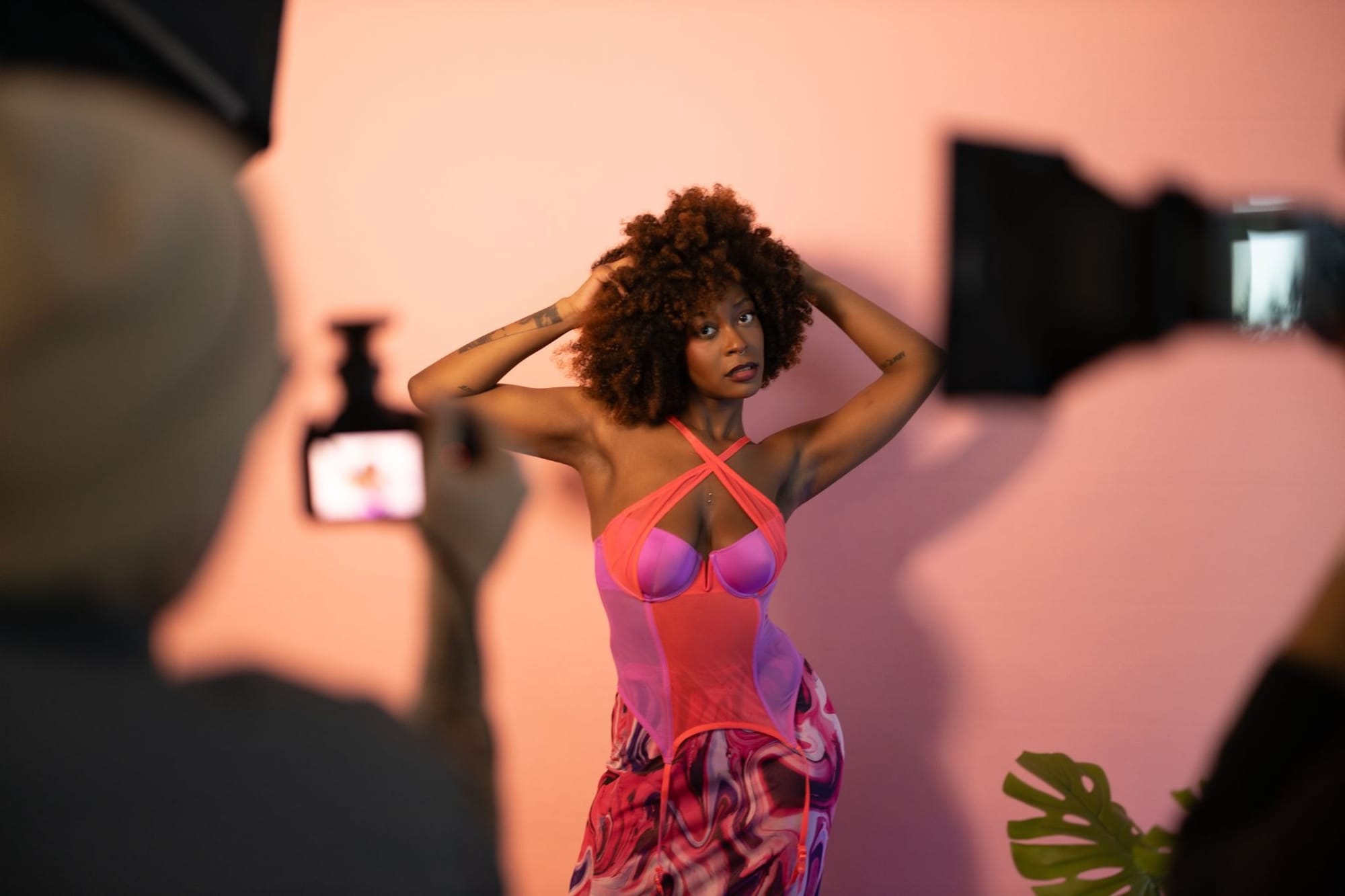
Runway models present clothing and accessories on stage, which gives them a particular place in the fashion industry.
They walk narrow, sometimes T-shaped stages, showing designs to live audiences during fashion shows. They work closely with designers, brands, and clothing companies, which is what separates the role from commercial and editorial modeling.
Female runway models typically stand at least 5'9", and males range from 6'0" to 6'5". Since trends get set on the runway, models need a polished appearance and strong walking skills.
Their performances influence fashion trends and inspire other people, which is what makes the work worth doing.
Requirements to Become a Runway Model
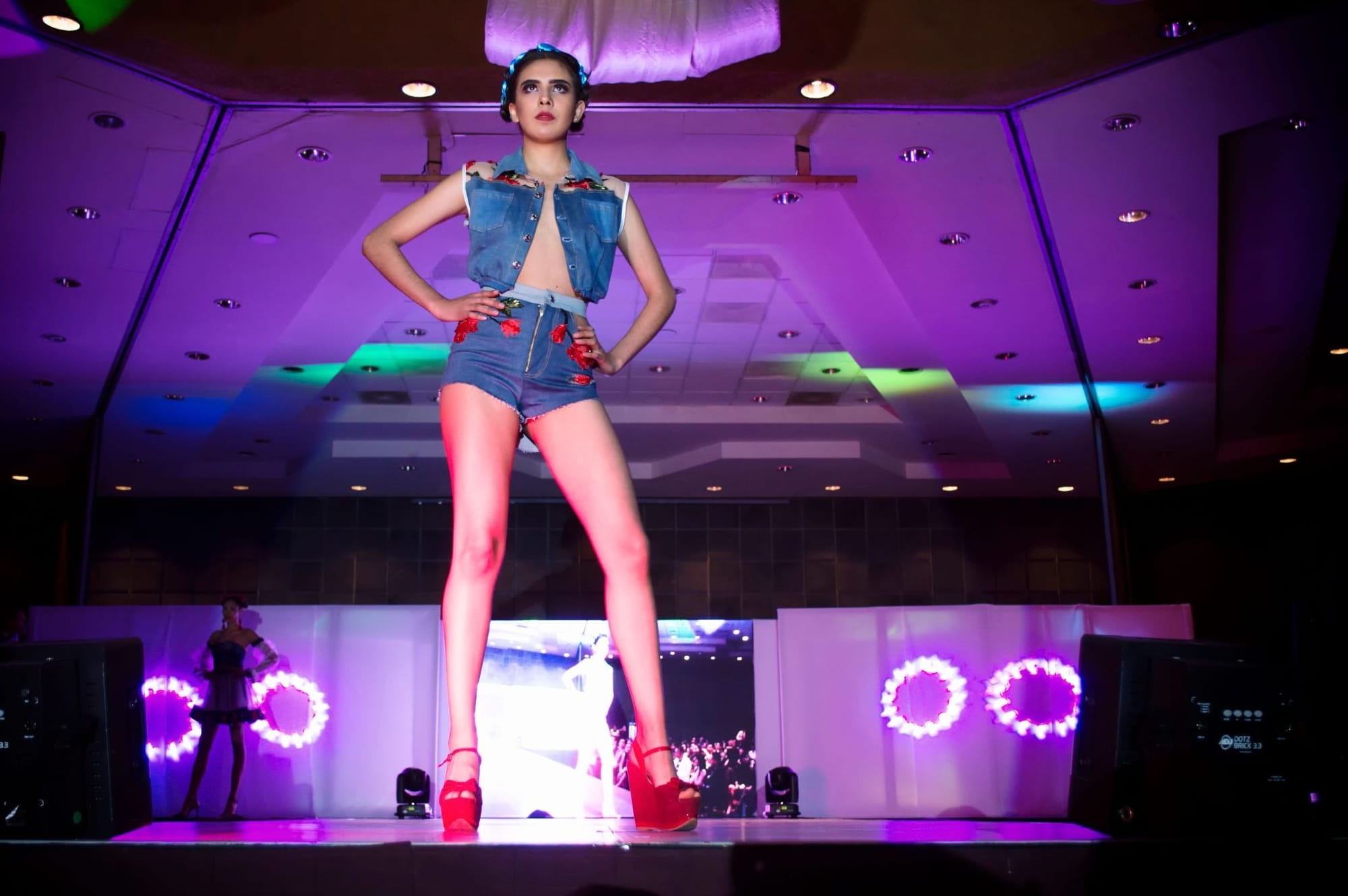
Becoming a runway model means meeting specific physical requirements and keeping a flexible mindset.
What the industry expects:
- Height. Females typically need to be 5'9" or taller, and males 6'0" or taller.
- Flexibility. You need to be willing to travel and adapt to various looks and styles.
- Collaboration. Strong teamwork matters for working with designers and other professionals.
- Adaptability. Size standards keep changing, and the industry is embracing diversity, so stay open to that.
- Open-mindedness. Being receptive to different opportunities helps your career.
Steps to Get Started in Runway Modeling
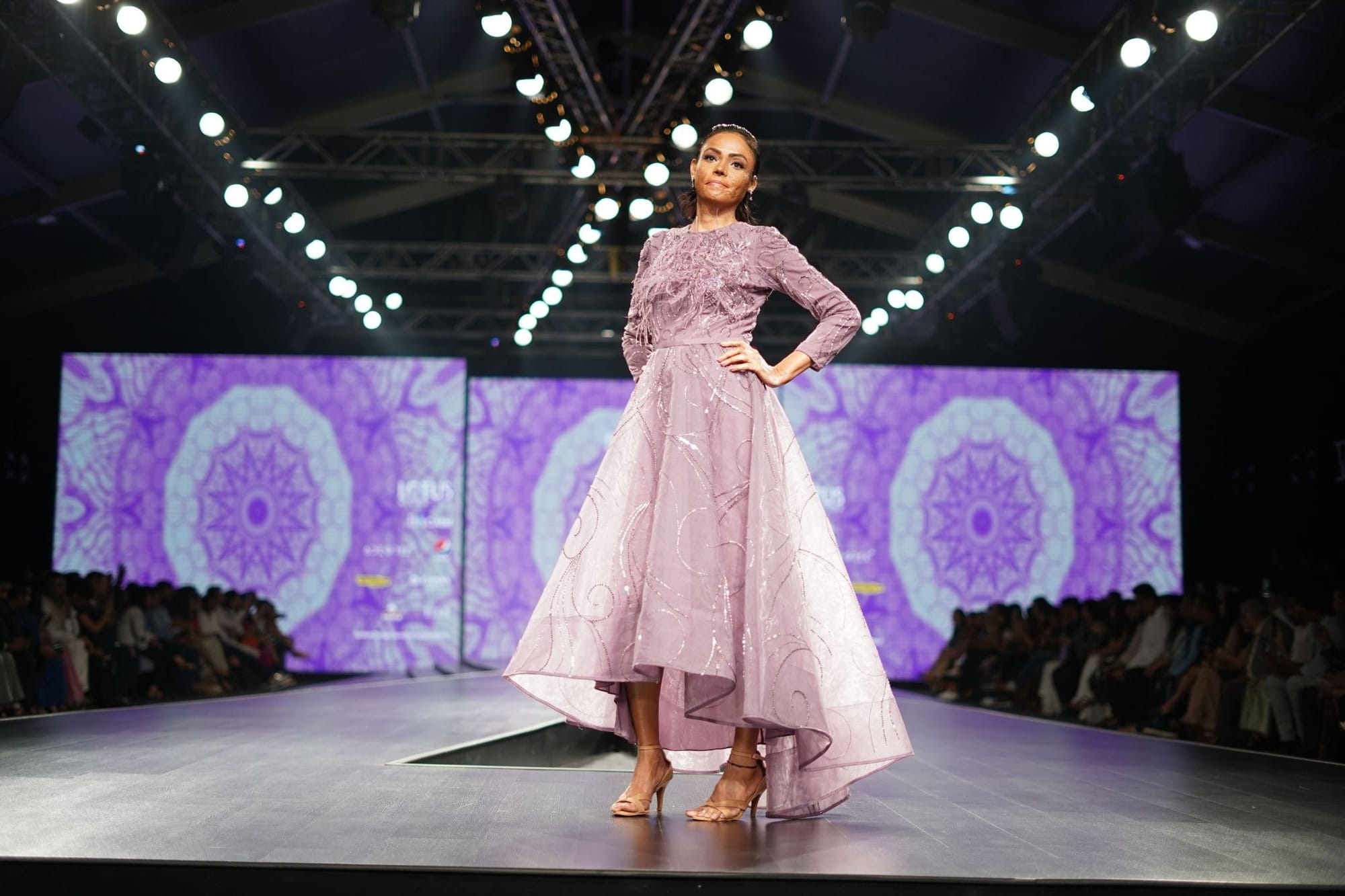
A few steps set you up for a runway career.
Meet the physical requirements first, typically at least 5'9" for women and 6'0" for men.
Practice your runway walk, studying videos of top models to pick up the technique.
Keep a polished appearance, which means paying attention to your hair, skin, nails, and teeth.
Build a strong modeling portfolio with headshots, full-body shots, and swimwear images.
Attend casting calls, and use platforms like Backstage to find opportunities.
Building Your Portfolio and Skills

A strong portfolio is what presents your abilities and helps you stand out in a competitive industry.
When curating it, focus on a few things:
- Include professional headshots, full-body shots, and swimwear images.
- Show a variety of looks to demonstrate versatility.
- Keep the presentation polished and organized.
- Collaborate with photographers and stylists to capture your particular style.
- Update the portfolio regularly with new work and experiences.
Navigating the Fashion Industry as a Runway Model
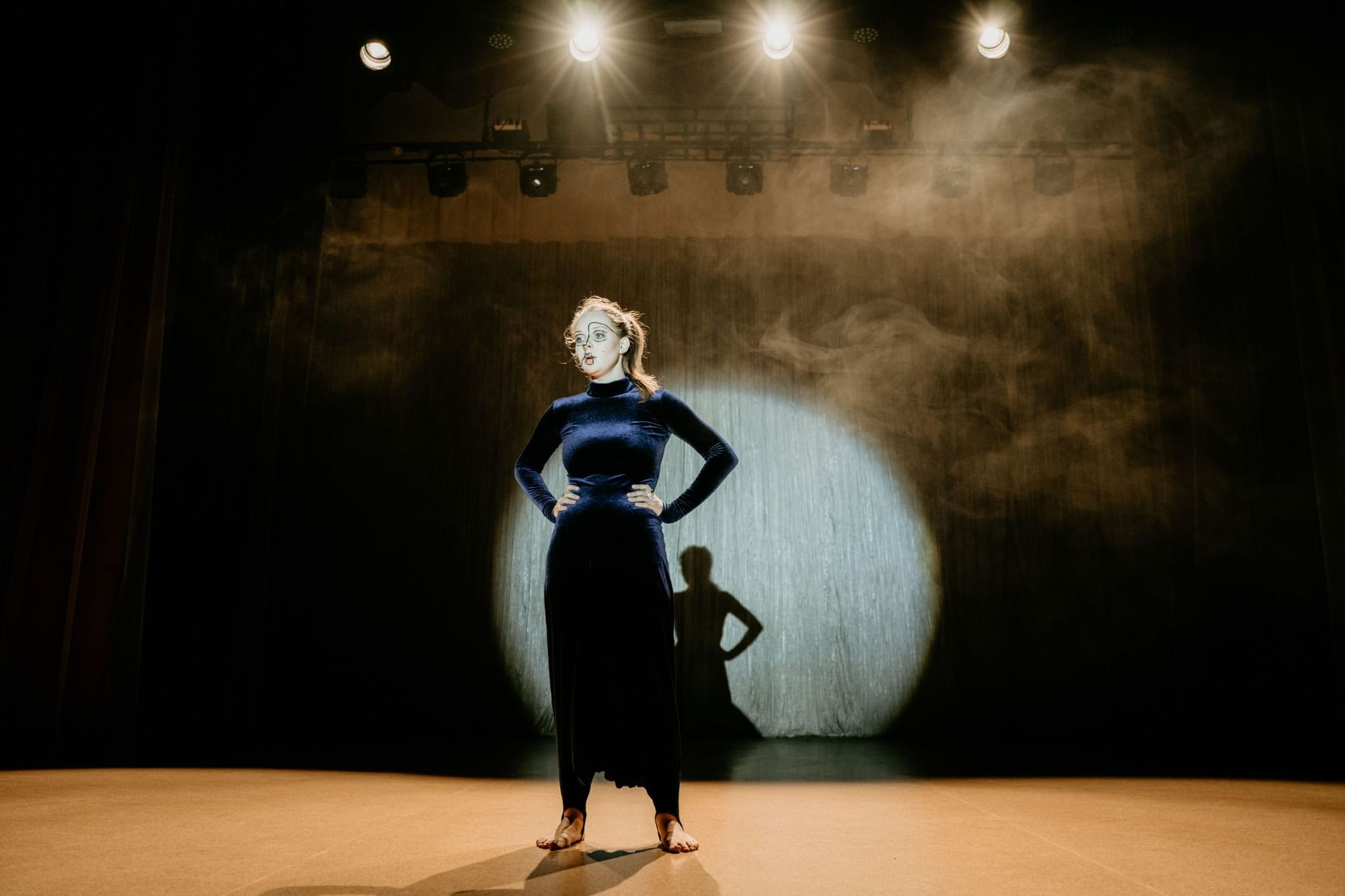
Working in fashion as a runway model is both exciting and hard, particularly when you're trying to make your mark. Meet the height requirements and keep a polished appearance, with your skin, hair, and fitness all in order.
Master your runway walk by practicing daily, with attention to confidence and emotional expression. Networking at fashion events builds connections and turns up opportunities.
Resilience matters too, since rejection comes with the work. A strong portfolio and reputable agency representation put you in a position to succeed.
Dedication and adaptability are what carry you through.
What Our Clients Are Saying
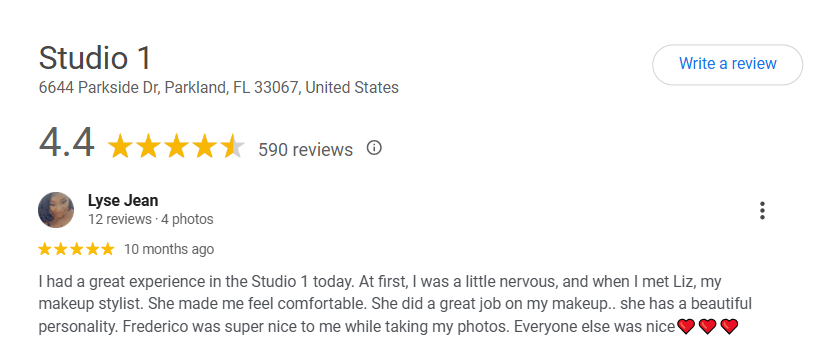
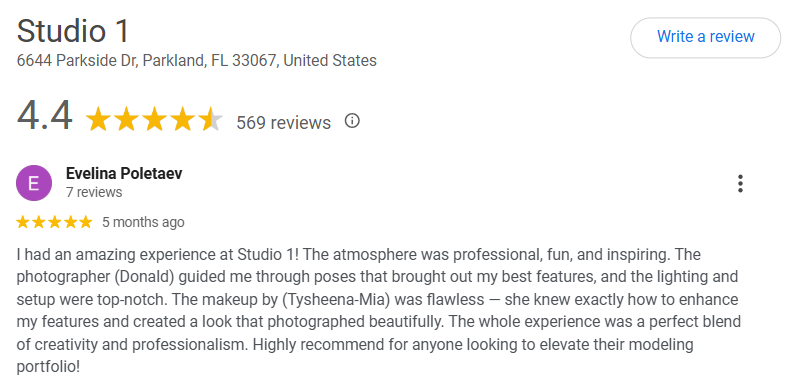
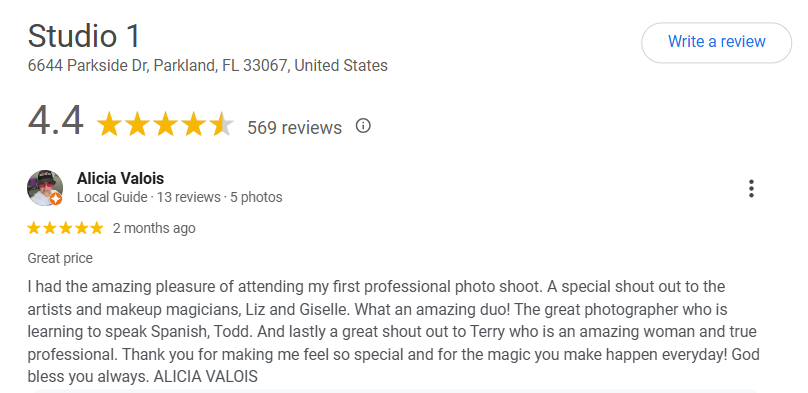
At Studio1 Photography, we enjoy hearing from our clients about their experiences. Here you can read reviews from various platforms that reflect what people starting in runway modeling have been through. These testimonials show how our services have supported new models as they take their first steps in the industry. For more details, visit Studio1 Photography
Frequently Asked Questions
What Should I Wear to a Runway Casting Call?
Fitted clothing that shows your shape, neutral colors for versatility, and minimal accessories. Make sure your hair and makeup are polished and professional.
How Do I Handle Rejection in Runway Modeling?
It isn't easy, but it comes with the work. Stay resilient, learn from each experience, and keep going toward your goals.
Are There Specific Diet Plans for Runway Models?
The focus is balanced nutrition with whole foods first. Staying hydrated and keeping portion control gives you the energy and physique the runway needs.
Can I Model Part-Time While Maintaining Another Job?
Yes. Many successful models balance their careers with other commitments, which lets you gain experience and build a portfolio without committing fully to modeling yet.
What Are Common Misconceptions About Runway Modeling?
That it's only for tall, thin people. The industry increasingly embraces diverse body types and styles, and passion and dedication matter more than fitting a particular mold.
Conclusion
Runway modeling is a gateway into fashion that blends creativity with elegance. Understand the requirements and take the practical steps, and you can start with confidence. A strong portfolio and well-honed skills are what set you apart in a competitive field. Take the challenges and opportunities as they come, and the catwalk is yours to walk.
Visit Studio 1 Photography for more information.
Note: We enjoy sharing creative inspiration, photography tips, and industry insights to help you capture life's best moments. The services, styles, and equipment mentioned in our articles are for informational purposes only and may not reflect our current offerings. For the latest on our photography services and portfolio, visit Studio-1.us.



Member discussion