
What are the key differences between editorial and commercial modeling?
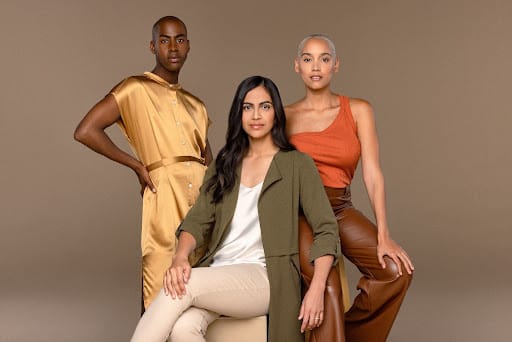
Editorial and commercial modeling pull in opposite directions. Editorial is about artistic expression and telling a story through dramatic images. Commercial is about relatability and market appeal, connecting with the people who buy the product. Editorial chases high fashion aesthetics and holds to stricter standards, while commercial casts across a much wider range of demographics. The money usually favors commercial, since the work ties directly to sales, but editorial builds a portfolio through genuine creative collaboration. Here's how the two compare in detail.
Understanding editorial modeling

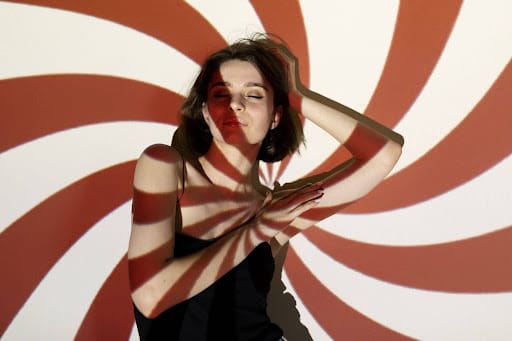
Editorial images are the ones that stop you on a page, telling a story or carrying an artistic idea. The work is about creative expression and emotion, and it lives in high fashion magazines and inventive campaigns.
Collaboration drives it. Photographers, stylists, and whole creative teams work together to realize a concept, and the model is part of that.
The skills it asks for are specific: dramatic poses and strong facial expressions, used to show range and artistry.
Standards in editorial are strict, and the work still pays off in portfolio terms and in the doors it opens later. Keeping up with fashion trends and networking actively is what raises your profile in a field this competitive.
Exploring commercial modeling
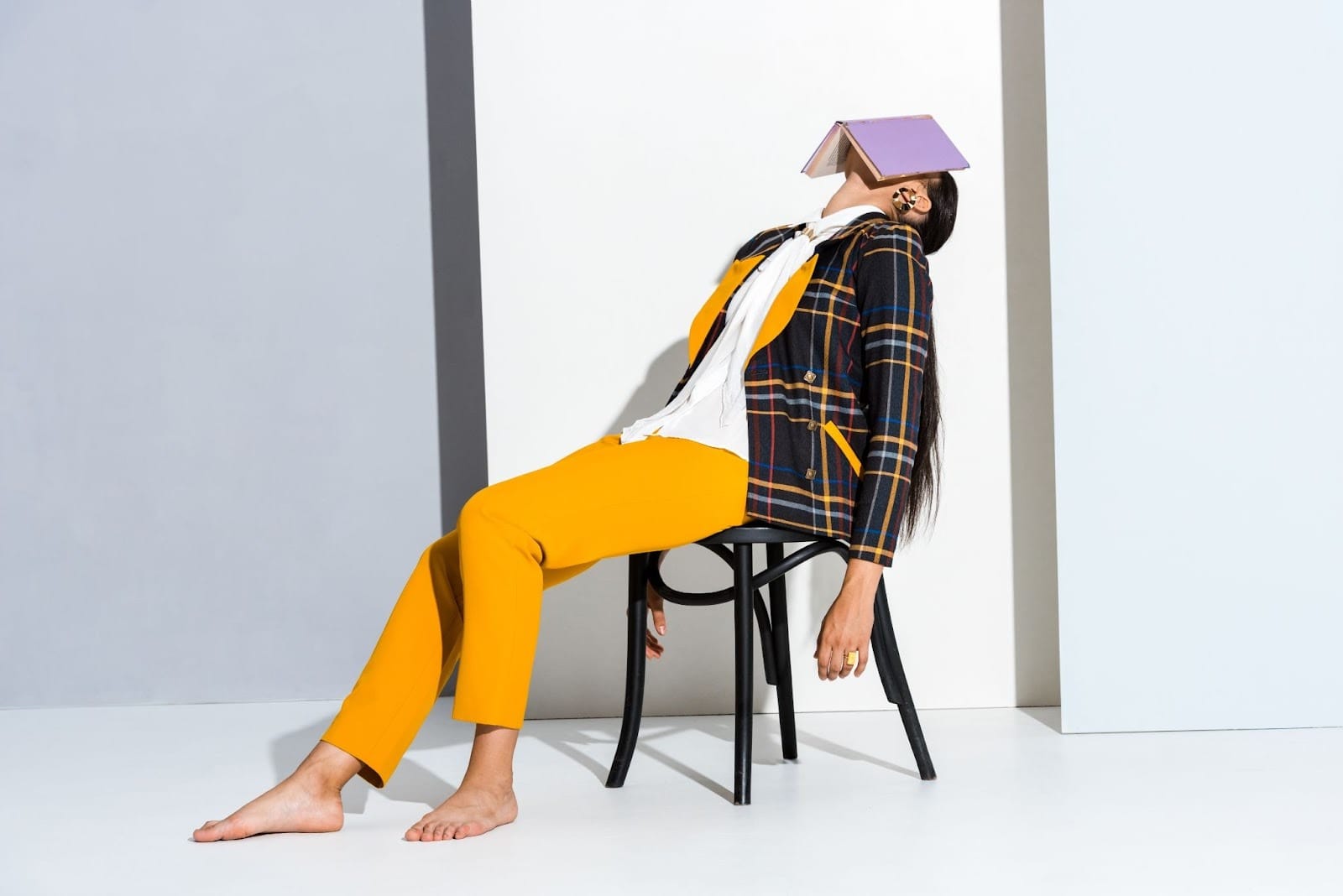
Commercial modeling runs on relatability. Where editorial leans into artistry, commercial reaches consumers directly through advertisements, billboards, and catalogs.
The job is presenting products and lifestyles that ordinary people recognize as their own.
Authenticity matters more than polish here, because clients want models who look like their actual customers. That means real diversity in ethnicity, size, and age, which widens the appeal and strengthens the brand's connection to its audience.
Commercial models also tend to earn more and receive better benefits, which makes this the more lucrative path. Adapting to what each client needs and connecting with viewers is what keeps the work coming.
Creative expression vs. market appeal

The gap between the two comes down to what the image is for.
Editorial work means artistic storytelling, striking visuals that stir something in the viewer and push against conventional beauty norms. You're working alongside talented creatives to make imagery that lands with a niche audience.
Commercial work means promoting lifestyles and products, aiming wide and connecting honestly with everyday consumers. Approachability and consistency matter most, since you're carrying a brand message that has to work across very different demographics.
The two demand different skills, and each one draws on a different side of what a model can do.
Standards and inclusivity in modeling
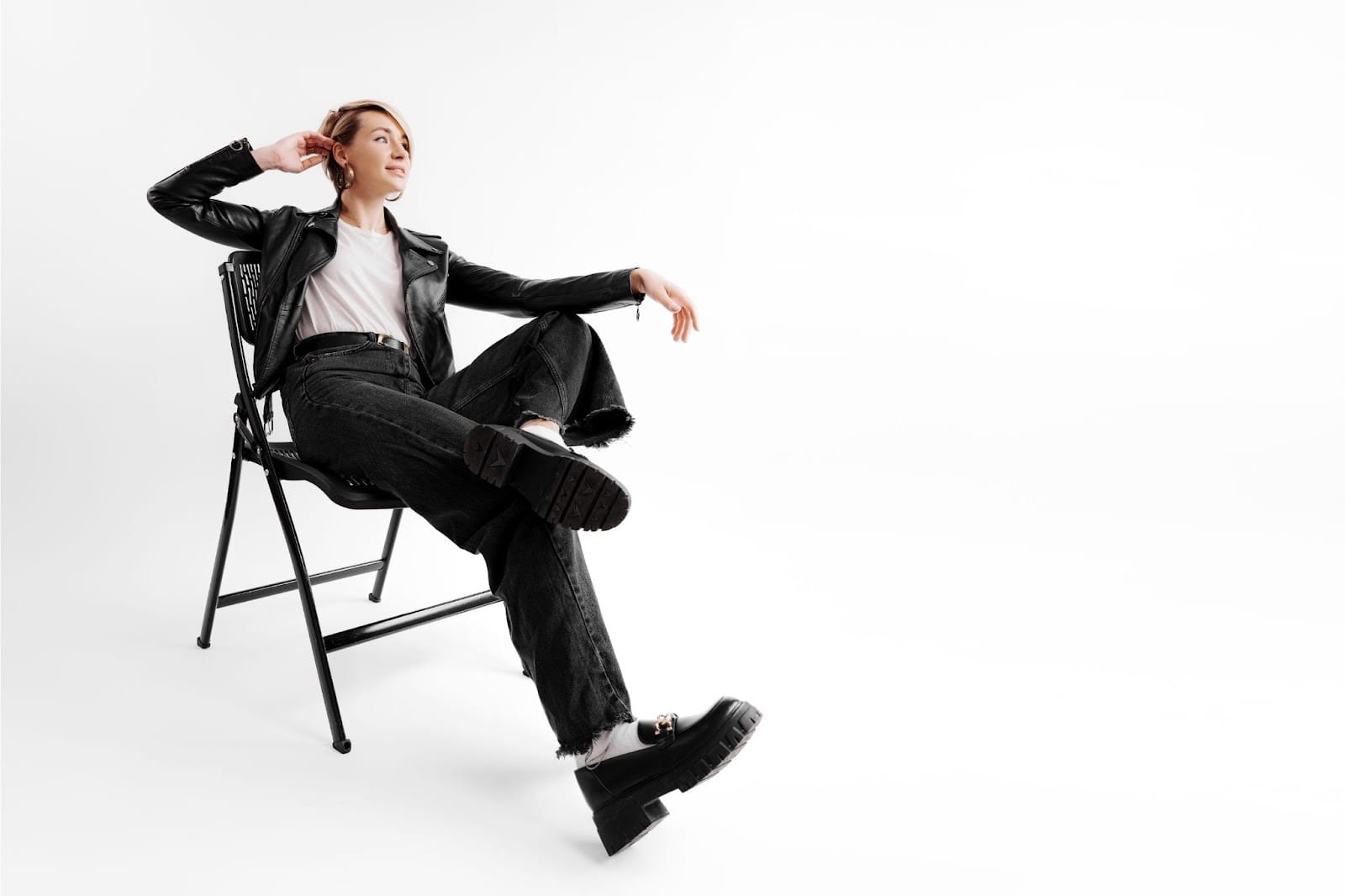
Standards are where the difference becomes hardest to ignore.
Editorial modeling holds to stricter height and beauty requirements, built around high fashion and designer aesthetics. That narrows the range of physical characteristics it accepts, which shuts out a lot of capable models.
Commercial modeling casts far more broadly across ethnicities, sizes, and ages, which is what makes the images relatable in the first place.
In markets like Wichita, professionalism counts for more than hitting strict physical requirements, and adapting to what the client needs matters more than any measurement.
Knowing where these standards sit helps you work out which path is realistically open to you.
Compensation and career opportunities
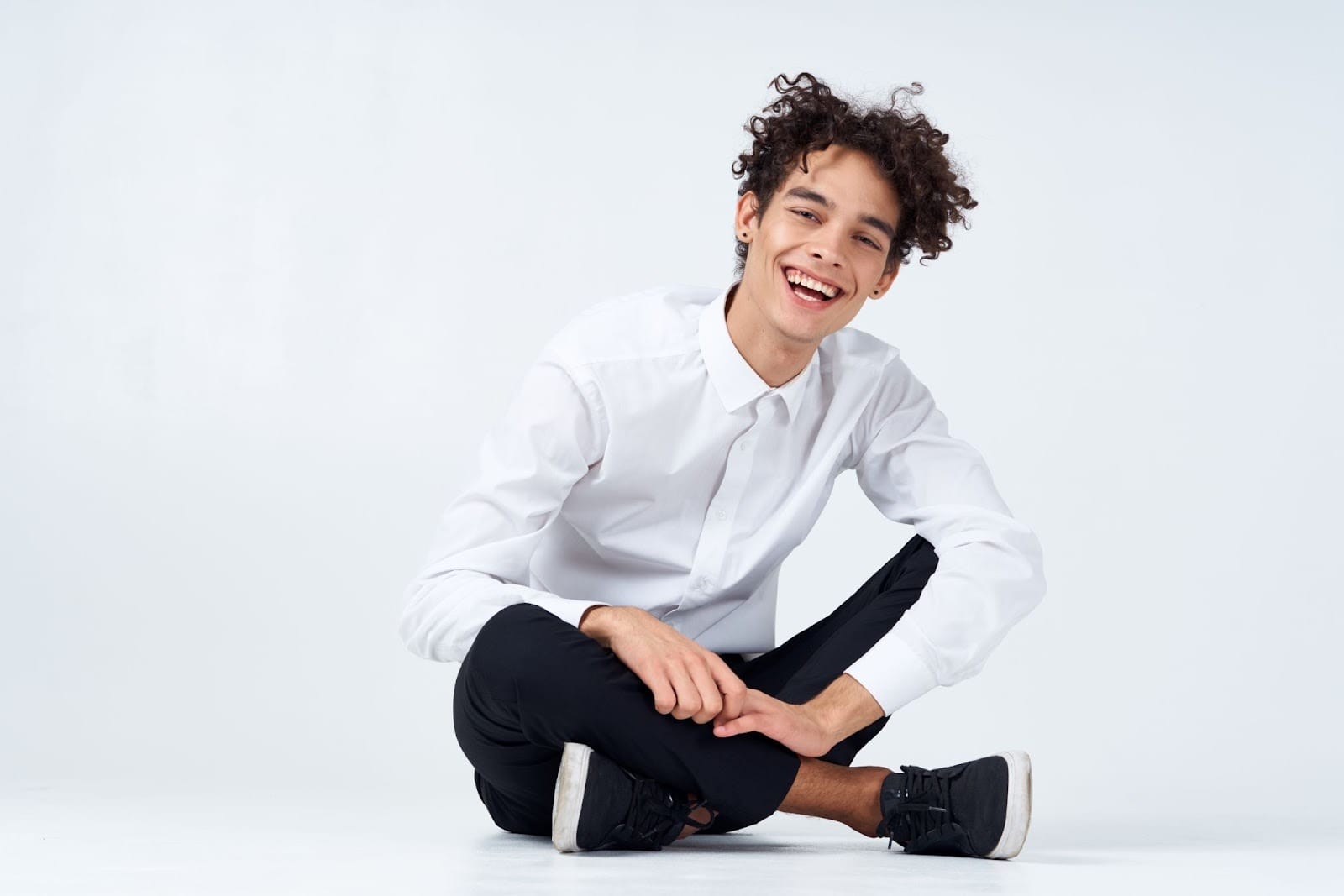
Pay differs sharply between the two, and it shapes how you plan a career.
Editorial work often pays little, especially early on, because it puts artistic expression ahead of financial return. It gives you exposure and strengthens your portfolio, but it rarely provides stability.
Commercial modeling pays better, since the work connects directly to product sales. It values relatability and accessibility, which opens it to a much wider range of models.
Building a portfolio that covers both kinds of work improves your odds of landing the well-paid jobs while keeping a career going over the long run. Working both paths is what makes the whole thing sustainable.
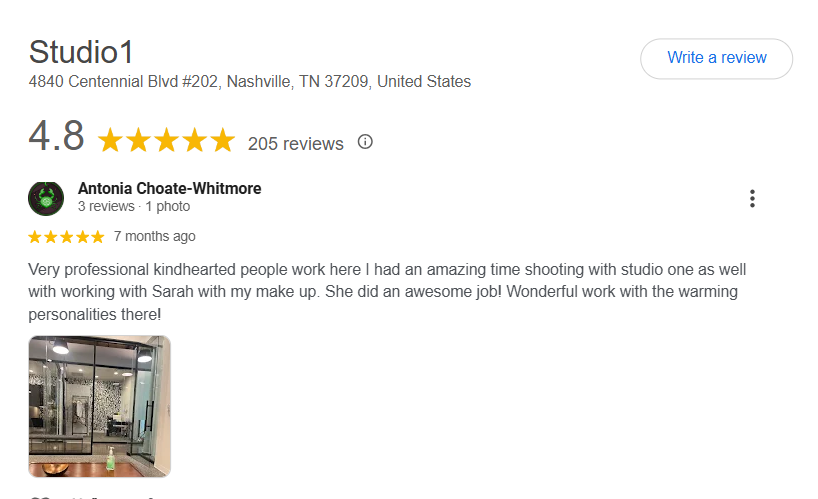
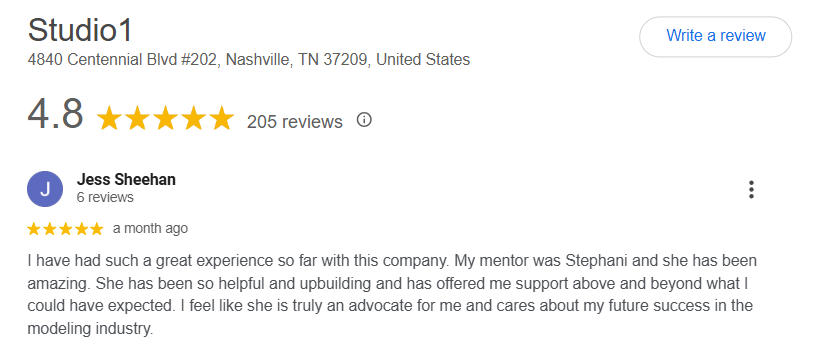
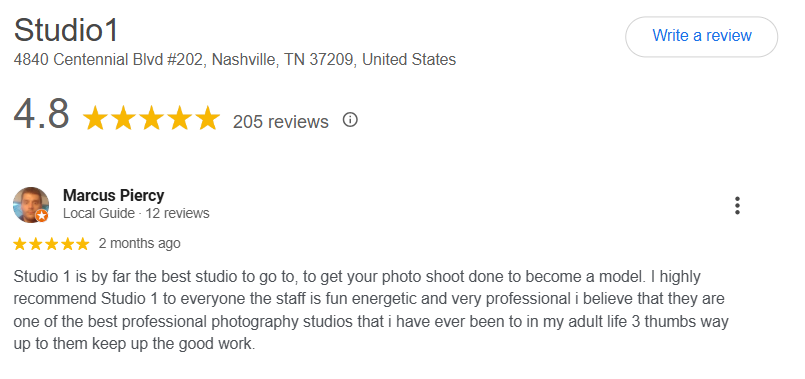
What our clients have to say: reviews of Studio1 Photography
Client feedback matters to us at Studio1 Photography. Below are recent reviews from platforms including Google My Business. They describe how our work has helped models understand where editorial and commercial differ, and how supported they felt through the process. Take a moment with the screenshots below to see why clients come back to us. For more information, visit Studio1 Photography.
Frequently asked questions
What type of modeling is more competitive?
Editorial, in our experience. The artistic side and the high standards draw a lot of aspiring models, which makes standing out in that niche hard.
How do models build a portfolio for each type?
Work on varied projects. Editorial calls for collaboration with photographers and stylists, while commercial needs relatable lifestyle images that connect with consumers.
Are there age limits for editorial or commercial modeling?
It varies. Editorial tends to favor younger models, while commercial takes a much wider range of ages. Look at opportunities in both, whatever age you are.
Can a model transition from editorial to commercial work?
Yes, and many do. It takes showing your versatility, adapting your skills, and understanding what each type actually demands.
What role does social media play in modeling today? A large one. It's where portfolios get seen, where brands make contact, and where you keep an audience engaged. Visibility and networking both run through it now.
Conclusion
Editorial and commercial modeling are separate paths with different rewards and different difficulties. Editorial runs on creative expression and artistic vision. Commercial runs on relatable market appeal. Knowing which is which lets you aim at the part of the industry that actually suits you, and both have room for a real career.
Visit Studio 1 Photography for more information.
Note: We enjoy sharing creative inspiration, photography tips, and industry insights to help you capture life's best moments. The services, styles, and equipment mentioned in our articles are for informational purposes only and may not reflect our current offerings. For the latest on our photography services and portfolio, visit Studio-1.us.




Member discussion