
Types of modeling to pursue in today's industry
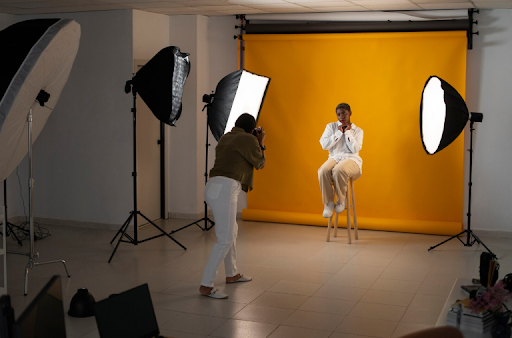
There are several types of modeling worth knowing about. Fashion and editorial modeling put high-end designer clothes in front of an audience. Commercial modeling sells products to a broader one. Specialized modeling, body-part and bridal work among it, serves specific needs, and promotional modeling puts brands directly in front of consumers at events. Each type carries its own opportunities and welcomes different looks. Here's what each one involves.
Fashion and editorial modeling
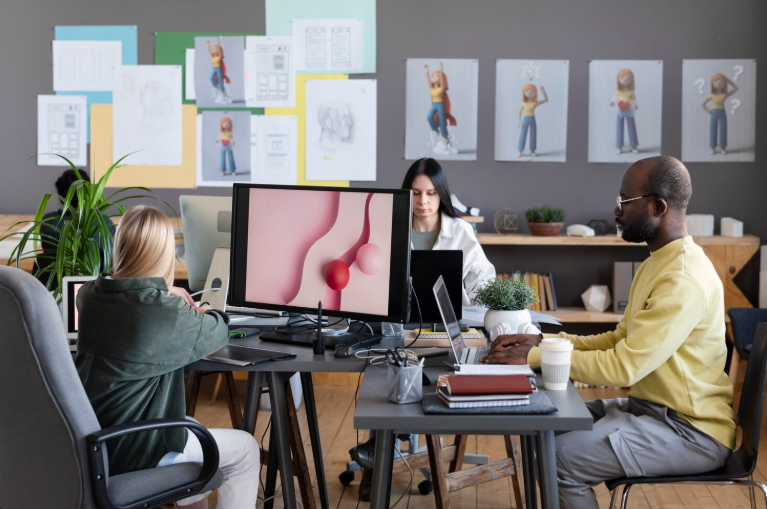
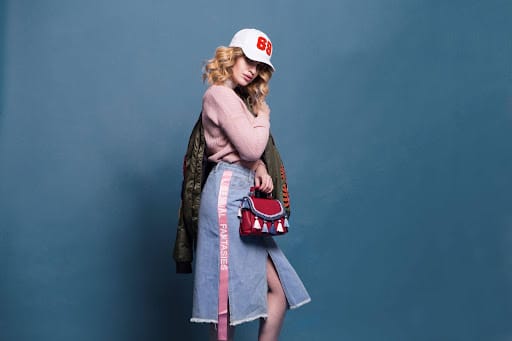
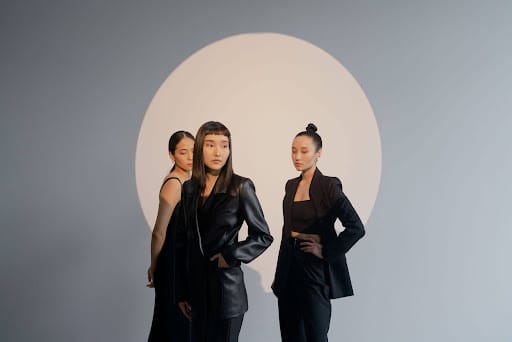
Fashion and editorial modeling are the most glamorous and sought-after categories, and the ones people picture first. These models present high-end designer clothes and carry the stories that run in magazines.
Fashion models work the runways for designers. Editorial models bring magazine pages to life, often on covers or alongside articles. Both need a distinctive look and enough presence to hold a viewer's attention.
The ideal heights are 5'9" to 6' for female models and 5'11" to 6'3" for males.
In a competitive industry, success rests on appearance and on the ability to convey emotion and connect with an audience.
Commercial modeling
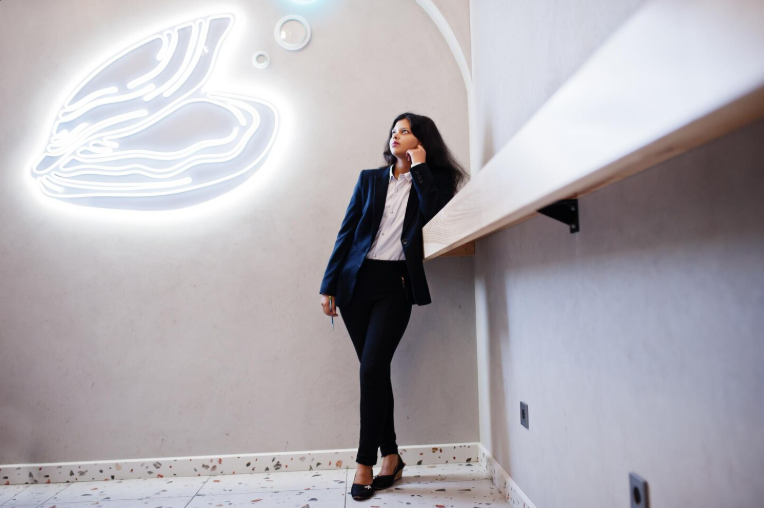
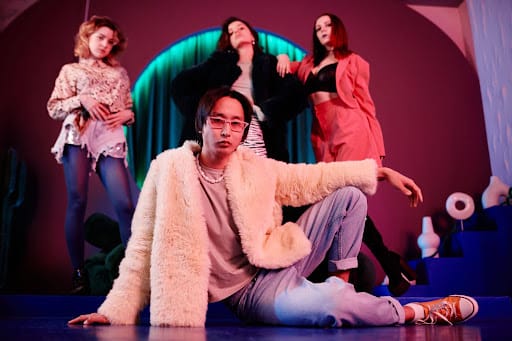
Commercial modeling covers a broader spectrum of talent and opportunity. The work is versatile and centers on selling products and services through advertisements. It welcomes models of all ages, sizes, and appearances, which makes it more accessible than other types.
Some of what falls under commercial modeling:
Specialized modeling types
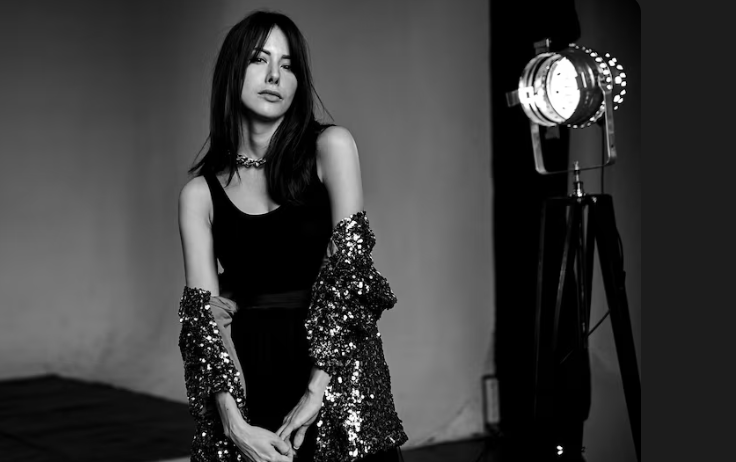
The specialized niches serve particular audiences and industries.
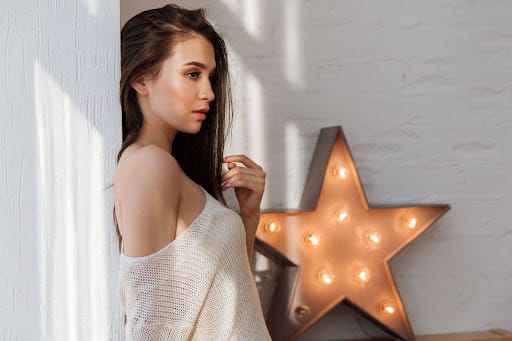
Print modeling puts you in magazines and advertisements, and it calls for a warm persona and clear skin.
Bridal modeling covers diverse wedding attire and reflects current trends in sustainability.
Fit modeling does important work behind the scenes, checking that garments fit properly on real bodies.
Promotional modeling engages consumers directly, so strong communication skills matter.
Each of these categories opens doors for people with different looks and personalities, which says something about how much more inclusive the industry has become.
Body-part modeling
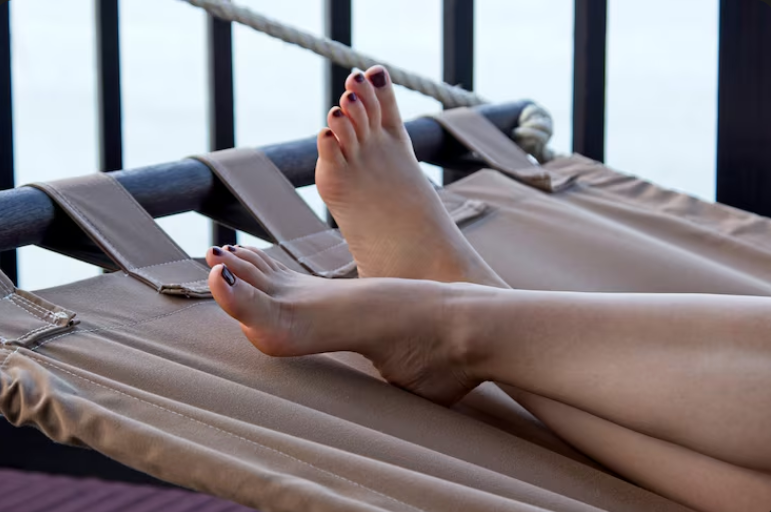
Body-part modeling focuses on specific features and lets brands concentrate on the details of a product. Models get hired for their hands, feet, or hair, and those attributes carry the advertisement.
Brands may want long, slender hands for jewelry, or smaller hands for children's toys. Rougher-looking hands suit tool ads.
This kind of work matters for brands that need detailed close-ups showing quality and craftsmanship. Understanding what body-part modeling demands gives you a sense of its place in advertising and the particular skills it takes to do well in it. The job is capturing the right detail to tell a brand's story.
Promotional modeling
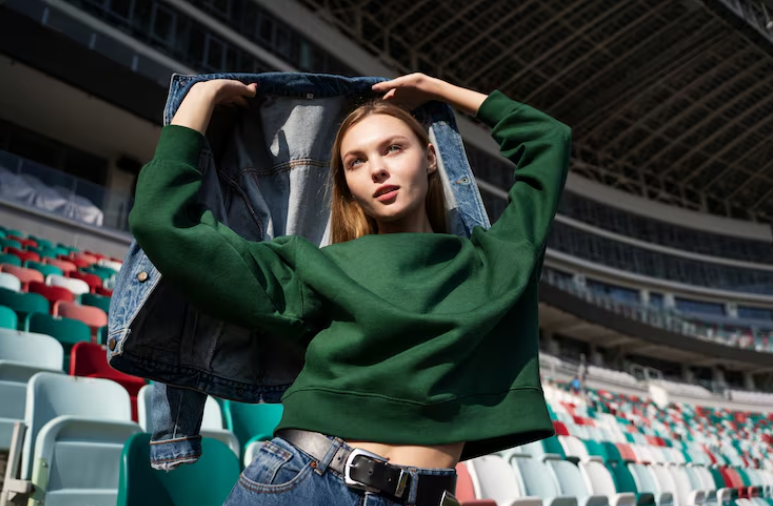
Promotional modeling connects brands with their audience at live events, trade shows, and conventions. The work involves engaging attendees, sharing brand information, and creating experiences that drive consumer interest.
It calls for strong communication and interpersonal skills, since you're representing a company or a product. Handing out samples, running demonstrations, talking with people: the goal is leaving an impression on potential customers.
Promotional work moves fast, so you're adapting quickly to different audiences and settings. It suits anyone who enjoys being in the spotlight and thrives on interaction.
Client testimonials
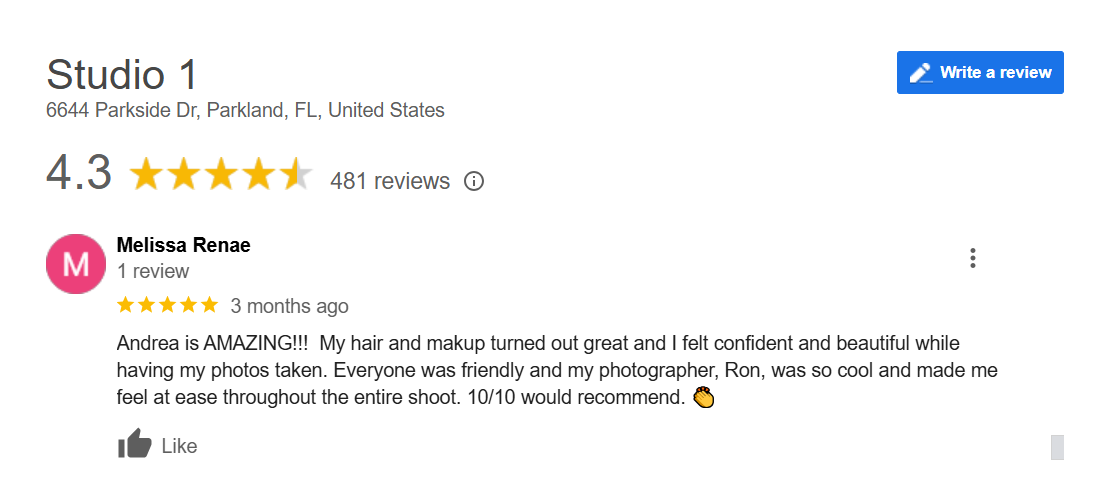
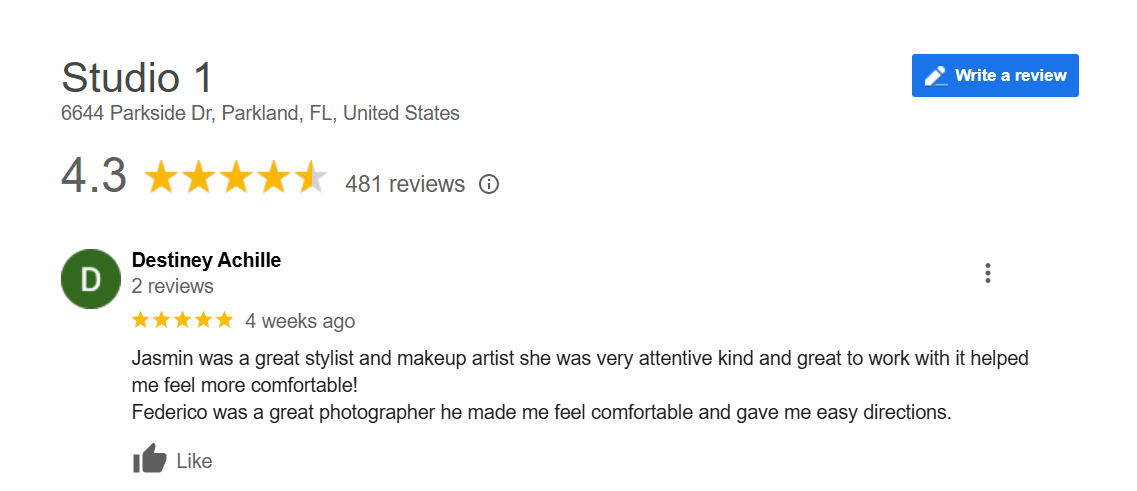
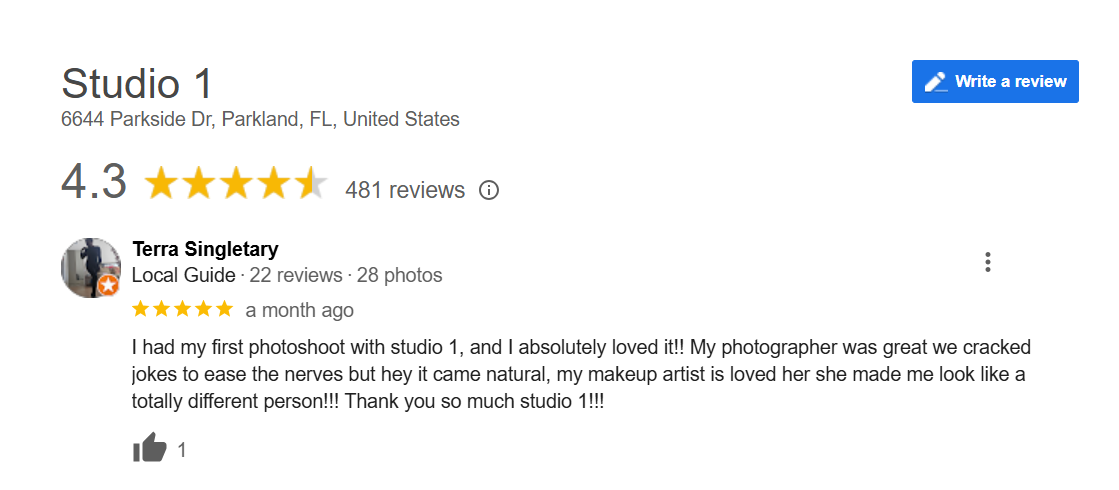
At Studio1 Photography, we enjoy hearing from our clients, particularly about capturing the joy and spirit of child modeling. Our goal is creating beautiful portfolios that bring out each child's charm. Below are some reviews from various platforms where parents share their experiences with us. Their feedback reflects our dedication to a fun and professional atmosphere for kids. For more about our services, visit us at studio-1.us.
Frequently asked questions
What are the typical fees for different modeling categories?
They vary widely. Experience, category, and demand all influence earnings, so research the rates and negotiate to get the most out of your work.
How do I create a strong modeling portfolio?
Focus on diverse, quality images that show your range. Professional headshots, full-body shots, and various styles demonstrate versatility and help you stand out to potential clients.
What should I wear to a modeling audition?
Form-fitting clothes that show your figure. Neutral colors work best, and minimal accessories keep the focus on you. Confidence is the rest of it.
How do I find reputable modeling agencies?
Research online, read reviews, and ask for recommendations. Attending local fashion events also connects you with industry professionals who can point you toward trustworthy agencies.
What are common misconceptions about modeling careers?
That you need to be excessively thin, or young. The industry welcomes various body types, ages, and looks that better represent the people looking at the ads.
Conclusion
The range of modeling available today opens up a lot of options. Whether high fashion, commercial, or a specialized niche appeals to you, there's a place for what you bring. Knowing your own qualities and understanding the market are what help you carve out a path. Stay true to yourself and go after the work you want.
Member discussion