
Proven Tips for Building a Successful Portfolio
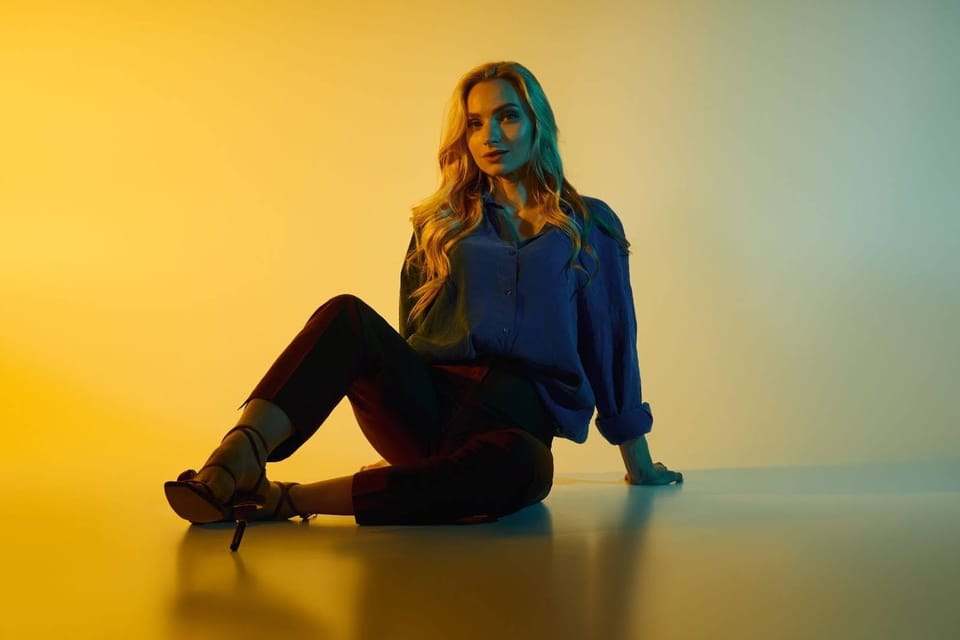
A good modeling portfolio shows range. That means quality images that reflect your brand and your style, and knowing who you're building it for. Include variety - beauty shots, emotional expressions, the lot. Update it regularly so it stays current with where the industry is. And work with different photographers to widen what you can show. Here's how each part comes together.
Understanding the Purpose of a Modeling Portfolio

Your portfolio is two things at once: a visual resume and a marketing tool.
It shows your range through quality photographs, which is how clients and agencies decide whether you're right for a job. It's also your chance to put your style and experience in front of people in a way they'll remember.
Professional headshots and images from different shoots give you control over how your work reads. The collection shows your skills, sure, but it also builds credibility, and credibility is what gets you taken seriously.
Ultimately a good portfolio is what turns into work.
Defining Your Brand and Target Audience
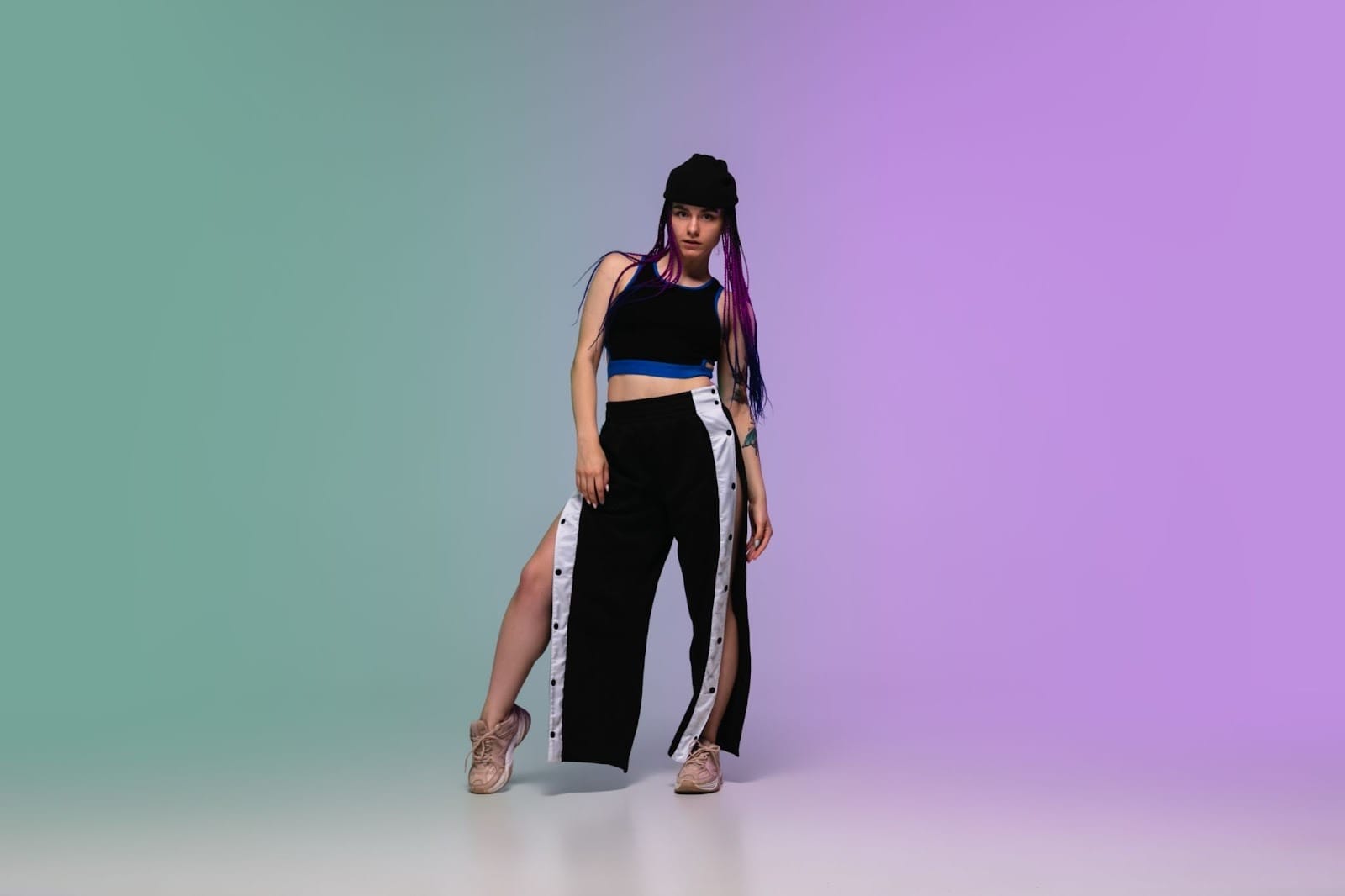
With the purpose clear, the next question is who you're building it for.
Work out what kind of jobs you actually want - lifestyle, athletic, high fashion. That decision shapes everything about your brand identity.
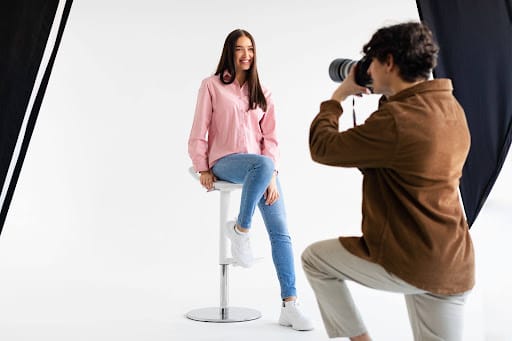
Working with professional photographers matters here. They're the ones who can capture the looks that match where you're trying to go.
And when you design your portfolio website, pick templates, colors, and layouts that feel like you rather than defaulting to whatever's standard.
Essential Elements to Include in Your Portfolio

A portfolio that stands out has a few things in it without fail.
Start with quality photos - beauty shots, headshots, and full-length images that show your physique and style. Emotional shots matter too, since they demonstrate the range of expressions commercial work asks for.
Put your contact information somewhere easy to find. Email and social media handles, at minimum.
And be clear about what kind of modeling you do - fashion, commercial, fitness - so the portfolio points in the direction you actually want to go.
Strategies for Photo Selection and Presentation

Choosing the right photos and presenting them well is half the job.
Prioritize versatility. A range of expressions and emotions shows the different characters you can play, and that's what clients are assessing.
Avoid repetitive images. If three shots look the same, two of them are wasted. Variety is what shows adaptability and appeals to more kinds of work.
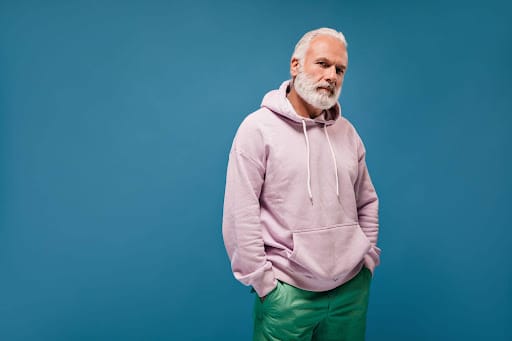
It's also worth demonstrating your age range through makeup and wardrobe choices.
Tips for Continuous Improvement and Updates
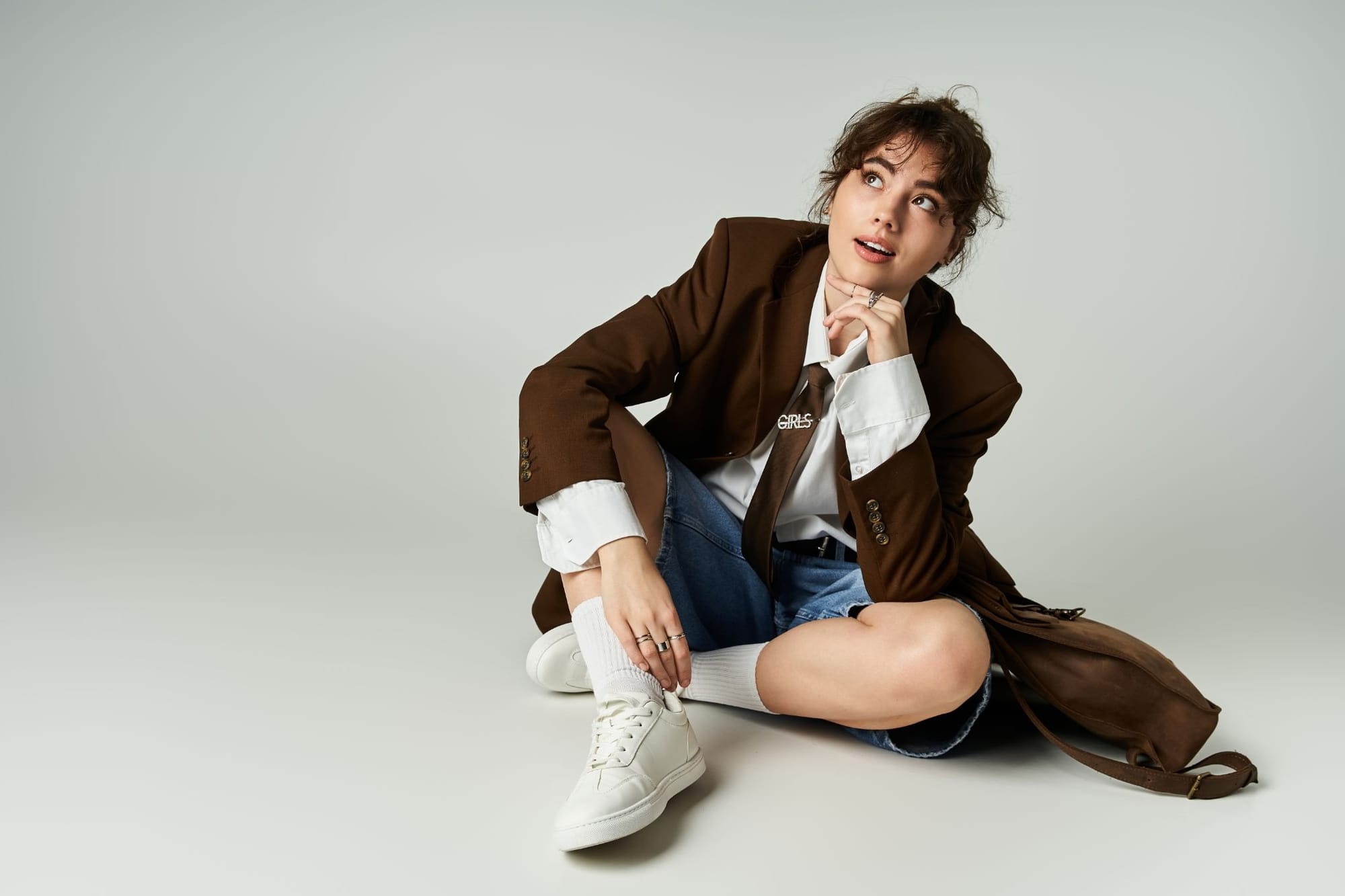
As your career moves, your portfolio needs to move with it.
Review it regularly and swap older images for fresh, high-quality shots that look like you now.
Keep an eye on where the industry is going so your portfolio matches what clients are actually asking for.
Working with different photographers widens your range and brings in styles and emotions you wouldn't get otherwise.
Use SEO on your portfolio website too. It makes you easier to find, which is the whole point.
And include an About Me section with some personality in it. That's what turns a collection of images into a story about who you are as a model.
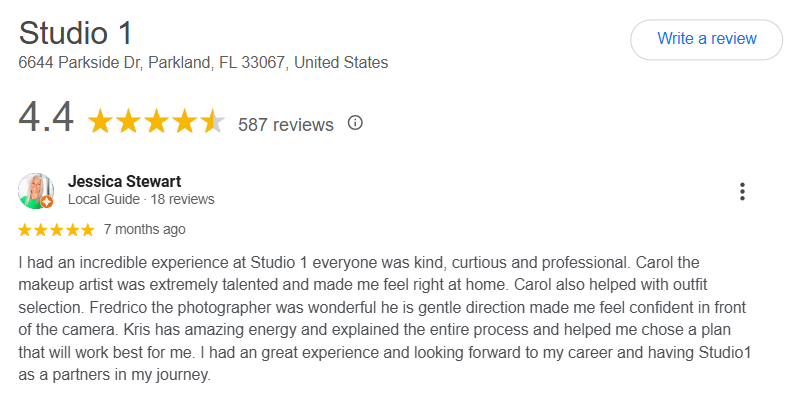
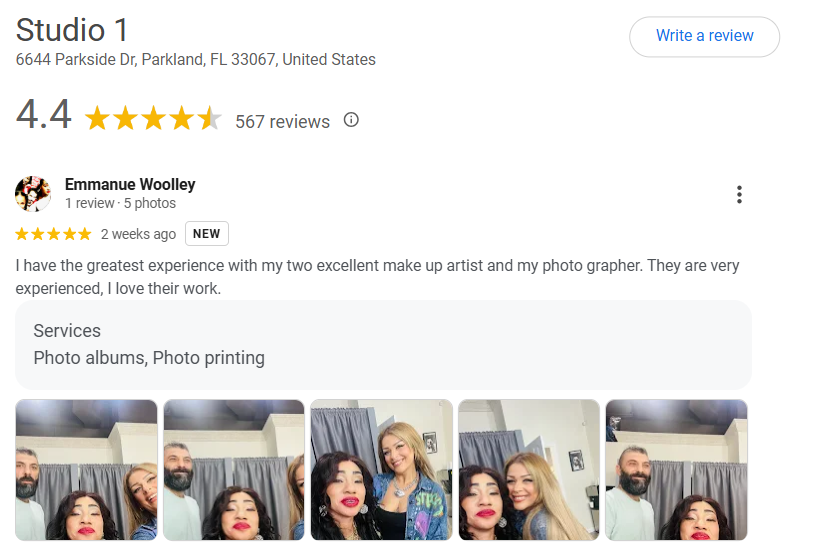
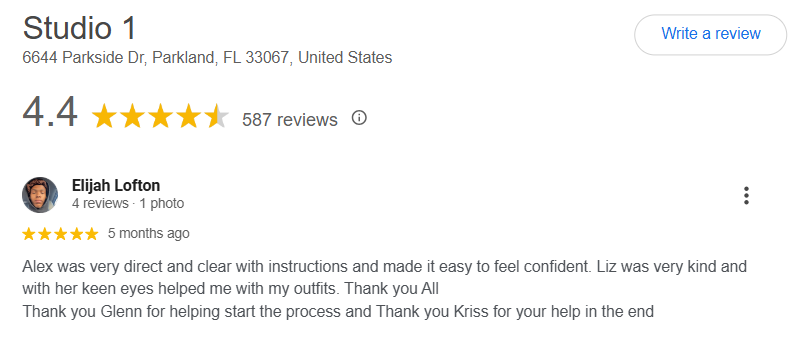
Client Feedback for Studio1 Photography
Below you'll find review screenshots from platforms like Google My Business covering what clients have experienced with Studio1 Photography. They speak to how we help models build portfolios that work. Have a read and see what people say about working with us. For more, check out Studio1 Photography.
Frequently asked questions
How often should I update my modeling portfolio? Every few months, or whenever you've got new, high-quality images. Keeping it current shows how you've developed and keeps you relevant.
Can I include personal projects in my portfolio? Yes. They show your creativity and let clients see your style. Just pick the ones that genuinely represent you.
What should I avoid including in my portfolio? Outdated work, images that look too much like each other, and personal projects that don't relate to what you're going for. Stick to your best and most varied work.
How do I choose a professional photographer? Look at their portfolio, their style, and their experience. Be clear about what you want, and make sure you're comfortable with them. Good rapport shows up in the photos.
Should I include social media links in my portfolio? Yes. They make you easier to find, give people a sense of your personality, and let clients connect with you across platforms.
Conclusion
Building a good portfolio is ongoing work that takes thought and creativity. Know what it's for, define your brand, choose the right elements, and you end up with something that genuinely shows what you can do. Keep updating it as you grow. Get that right and you're in a good position to catch the attention of the clients and employers worth having.
Visit Studio 1 Photography for more information.
Note: We enjoy sharing photography tips and industry insight to help you capture life's best moments. That said, the services, styles, and equipment mentioned here are for general information and may not match what we currently offer. For our latest services and portfolio, visit Studio-1.us.http://studio-1.us/?utm_source=srcvxj Let's create something you'll want to keep.



Member discussion