
7 best taste comparisons: A2 vs A1 butter
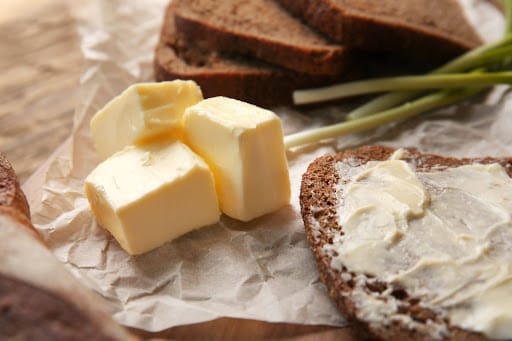
Put A2 and A1 butter side by side and the differences show up quickly. A2 tastes creamier and richer, which does good things for baked goods and sauces. A1 has the familiar, traditional butter flavour most of us grew up with, and it works for just about anything. A2 also spreads more easily thanks to its texture, while A1 can feel slightly grainier. Both have their place, and the comparison below goes through where each one wins.
What is A2 butter and how does it taste
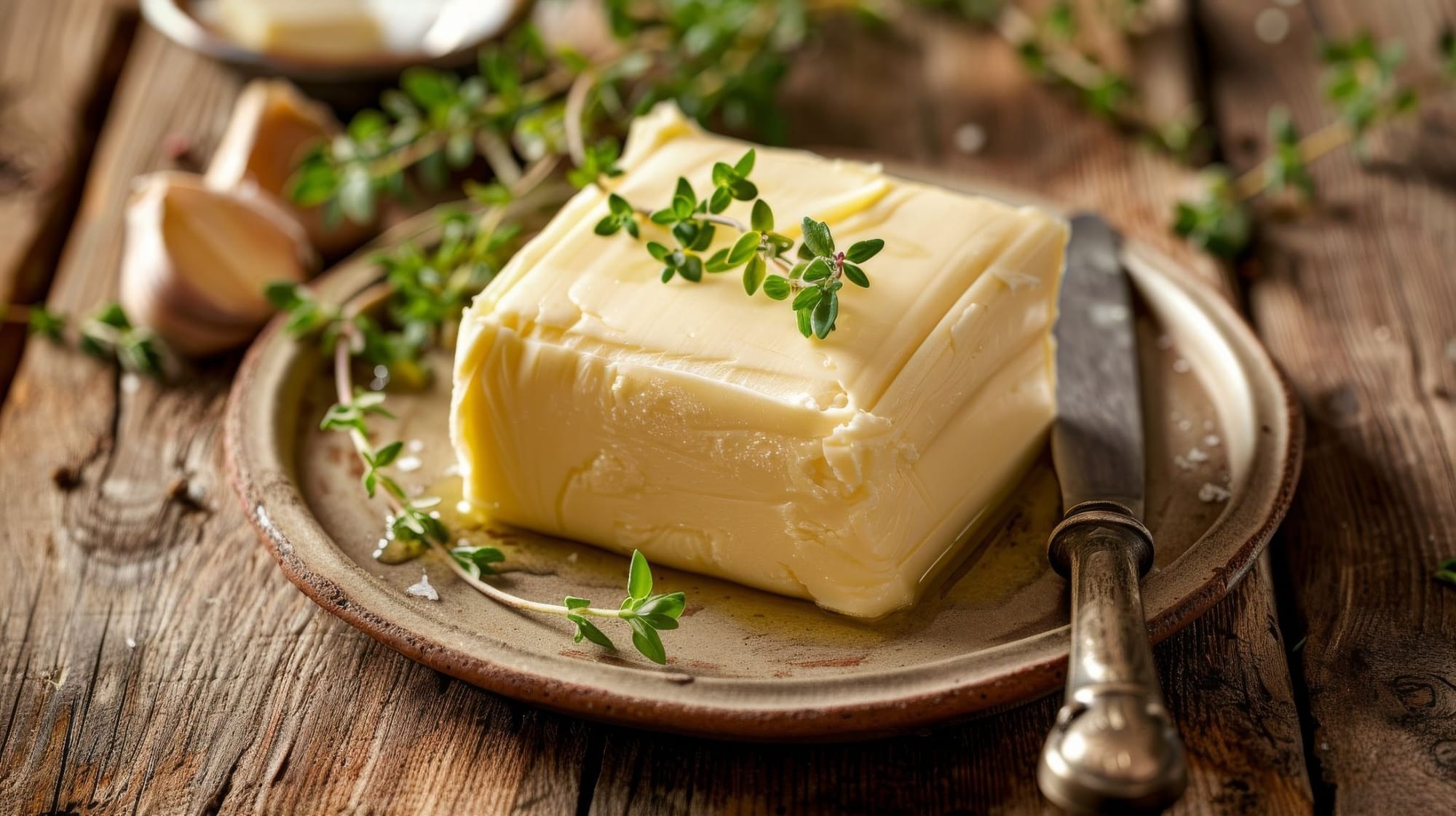
A2 butter comes from cows that produce only A2 beta-casein protein. That single difference is what sets it apart from conventional butter, and it may be easier to digest because it doesn't release BCM7, a peptide connected to digestive discomfort.
Nutritionally it holds up to regular butter. You get the fat-soluble vitamins A, D, E, and K2, which support immune and bone health, plus lecithin, which helps with cholesterol digestion. It carries both saturated and unsaturated fats, making it a reasonable choice for the heart.
The texture is creamy and it goes down easily, whether that's spread on bread or melted into whatever you're cooking.
Understanding A1 butter's flavour profile
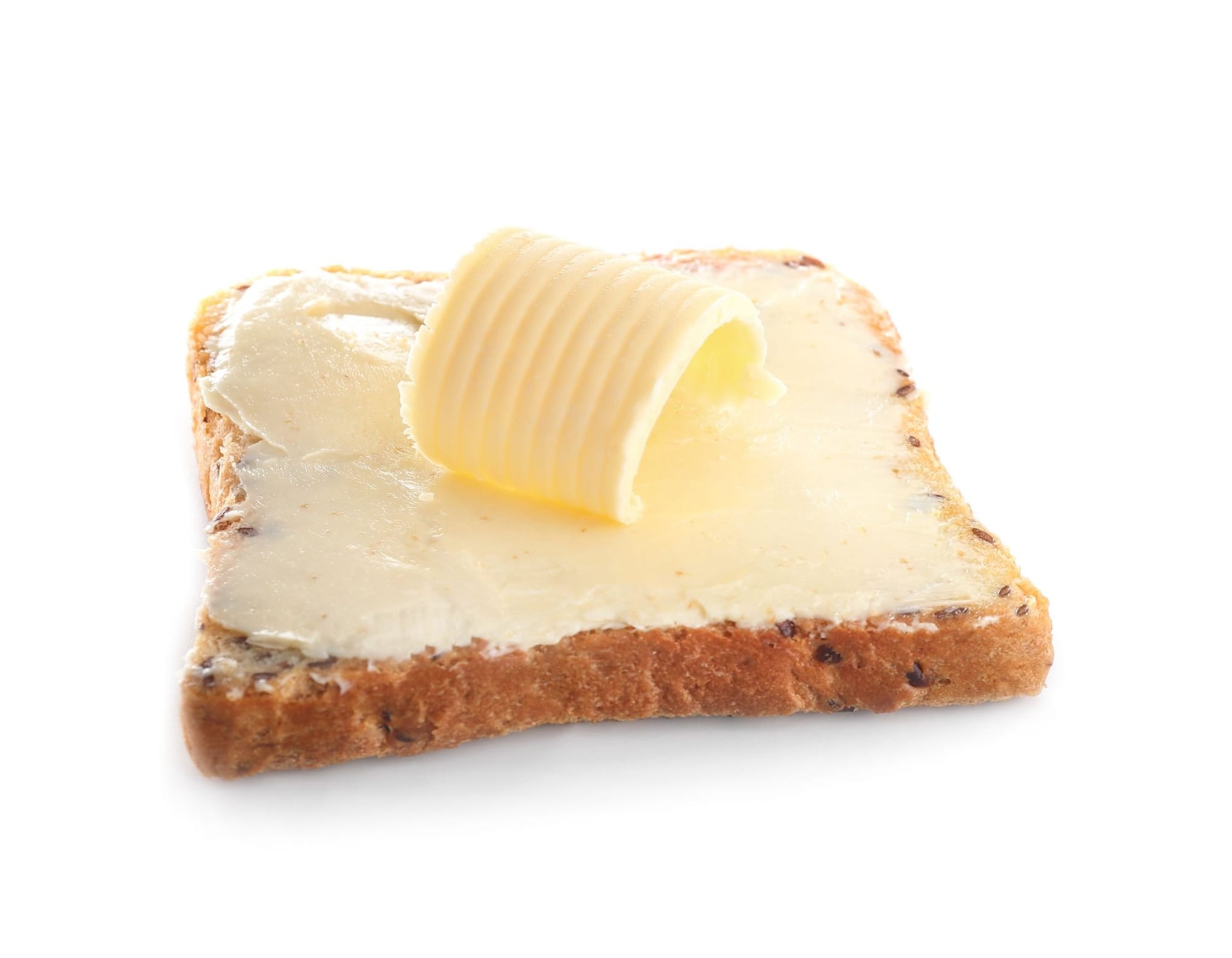
A1 butter tastes rich and creamy in a way most people recognise straight away. It's comfortable, familiar butter.
Compared with A2, the flavour is a little sharper. That comes down to amino acid composition: A1 contains histidine, and that shows up in the taste. Between the creamy texture and the distinct flavour, it handles baking and spreading equally well, which is why it's a staple in so many kitchens.
Some people find it harder on digestion than A2. For anyone who likes a bolder, traditional butter flavour, though, it's the one they reach for.
Taste comparison: A2 vs A1 butter
Most people notice A2 butter has a creamier, richer flavour that does more for a dish. And those who are sensitive to dairy often say it sits better with them.
Where the difference shows up most:
- A2 butter can improve the taste of baked goods.
- Its flavour has more complexity, which adds depth to sauces and gravies.
- On artisan bread, the finish is smoother.
- Grilled meats and vegetables get a lift from it.
So the choice comes down to flavour and to how your stomach handles it.
Texture comparison: A2 vs A1 butter
Texture affects everything, from how butter spreads to how it behaves in a bake.
A2 butter, from cows producing A2 beta-casein, feels creamier and melts more smoothly on the tongue. That velvety quality is noticeable on toast and in pastry work.
A1 butter can feel slightly grainier by comparison, and that sometimes changes how it incorporates into a recipe. If you pay attention to those finer details, A2's texture makes it worth reaching for, whether you're making toast or something more involved.
What do people think about A2 and A1 butter
Opinions are mixed, and they mostly track personal preference and digestive tolerance. Plenty of people like A2 for how it digests and for the health benefits they associate with it. Others stay with A1 because it's easier to find and cheaper.
- A2 butter gets credit for being gentler on the stomach.
- A1 butter is seen as more accessible and cost effective.
- Taste is split, with some people preferring A2's richer flavour.
- People watching their health may lean toward A2 for its potential anti-inflammatory properties.
Both earn a spot in the kitchen. It depends on what you need and what you like.
Why choose Raghas Organic Butter for a richer, natural taste?
If you want to taste what quality ingredients do, Raghas Organic Butter is worth considering. It's made from A2 desi cow milk using traditional methods, with a creamy texture and a full dairy flavour that holds up whether you're spreading it, cooking with it, baking with it, or putting it on the table with a meal. Natural ingredients only, with no added colours or chemical preservatives. Read more about it or buy Raghas Organic Butter here.
Frequently asked questions
Is A2 butter suitable for lactose-intolerant individuals? Often, yes. A2 protein may cause less digestive discomfort. Experiences vary, so it's worth trying it and seeing how you get on.
How does grass-fed affect the taste of A2 butter? Grass-fed A2 butter tastes richer and creamier, and it usually carries a subtle nuttiness that comes from the cows' diet. It makes a noticeable difference in cooking.
Can A2 butter be used in baking recipes? Yes. The creamy texture and rich flavour work well in baked goods, and it may be easier on your digestion than conventional butter.
What is the shelf life of A2 butter? Roughly one to three months in the fridge when stored properly. Check for off smells or a change in texture before using it.
Are there any allergens in A1 butter? Yes. A1 butter can contain allergens, especially for anyone sensitive to dairy proteins like casein. If allergies are a concern, talk to a healthcare professional before eating it.
Conclusion
A2 and A1 butter taste and feel different, and now you know where those differences come from. A2 may sit better with some stomachs. A1 remains the familiar favourite for plenty of people. The right pick depends on your palate and on what your body handles well.
Visit Raghas Dairy to learn more about our products and join our community of happy customers.
Member discussion