
3 Signs Your Sewing Machine Needs Repair
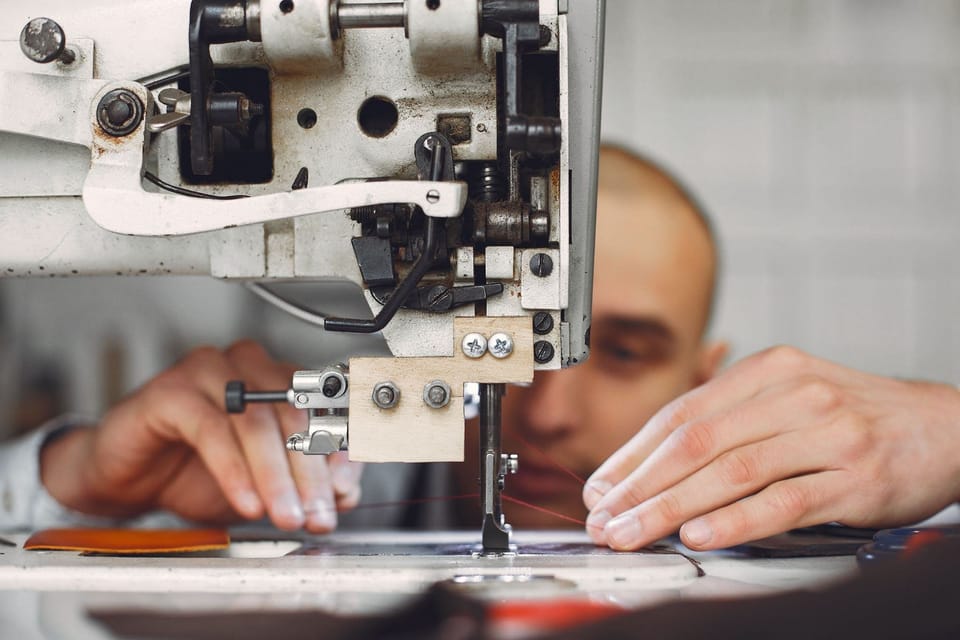
Squeaking or grinding noises mean your sewing machine needs looking at. Thread that keeps breaking and stitches that keep getting skipped usually point to threading problems or a dull needle. And if the machine runs slowly or jams, something's wrong. None of these fix themselves they get worse. Knowing what to watch for is how you catch problems early. Here's what each sign actually means.
Unusual Noises While Sewing: What They Mean
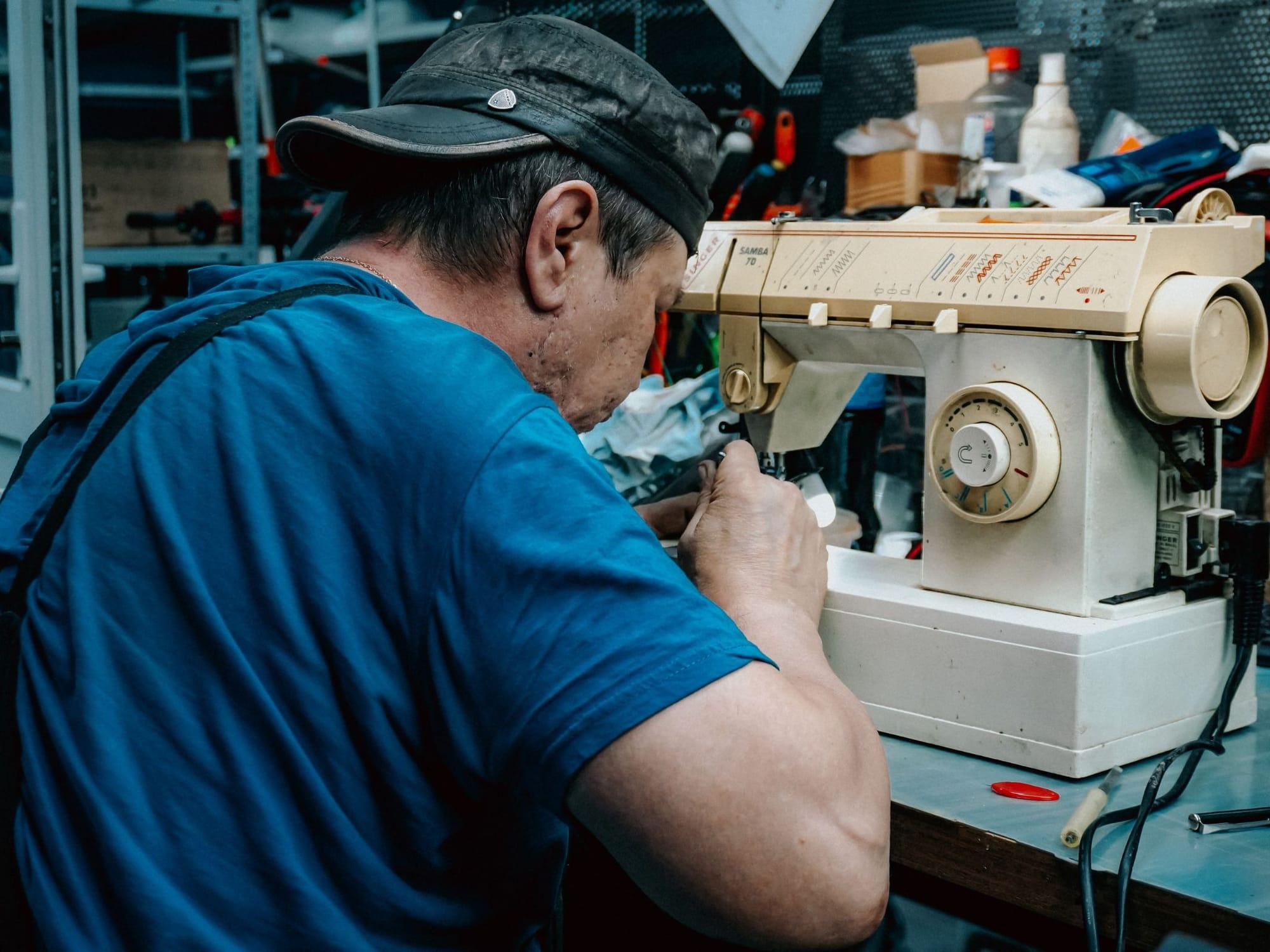
Strange noises are usually your machine telling you something. Squeaking or grinding means parts aren't moving the way they should.
Nine times out of ten it's a lack of lubrication or lint that's built up inside. If the machine is also running slow alongside the noise, it's due a tune-up.
Servicing it roughly every 12 months keeps performance where it should be and stops small noises turning into real damage.
At Gator Vacuum & Sewing Co., our technicians can diagnose and fix whatever's going on, so you can get back to sewing.
Frequent Thread Breaks and Skipped Stitches
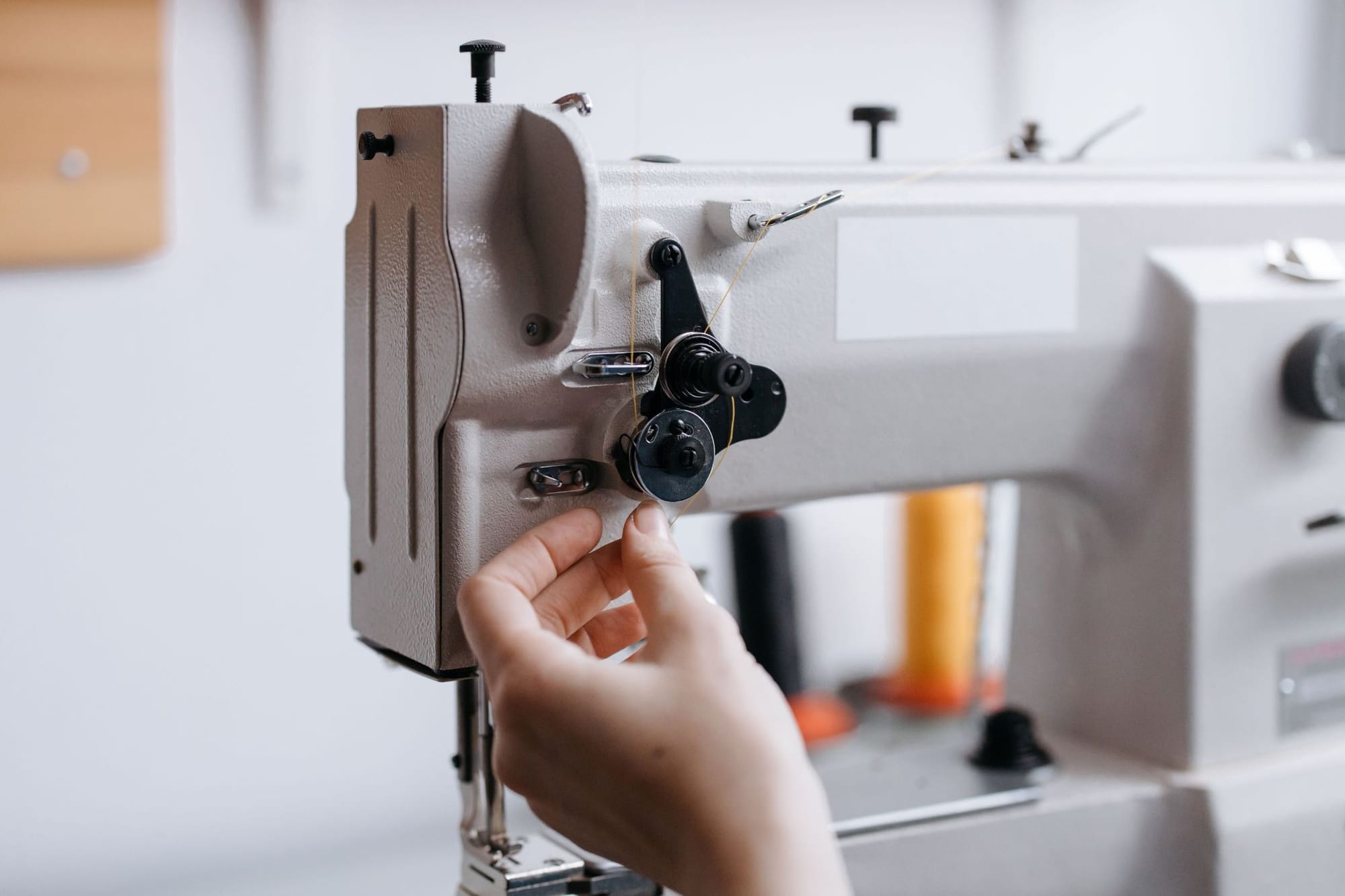
Thread breaks and skipped stitches are maddening, and they're also among the most common problems there are. Usually it comes down to improper threading, a dull needle, or tension settings that are off.
If your thread keeps snapping or you're missing stitches, the machine needs attention. Leaving it alone tends to turn one problem into three, so deal with it early.
A yearly tune-up is worth scheduling. Regular maintenance sorts these issues and adds years to the machine.
If you're in the Coral Springs area, the technicians at Gator Vacuum & Sewing Co. can diagnose and repair this quickly.
The Machine Is Running Slowly or Keeps Jamming
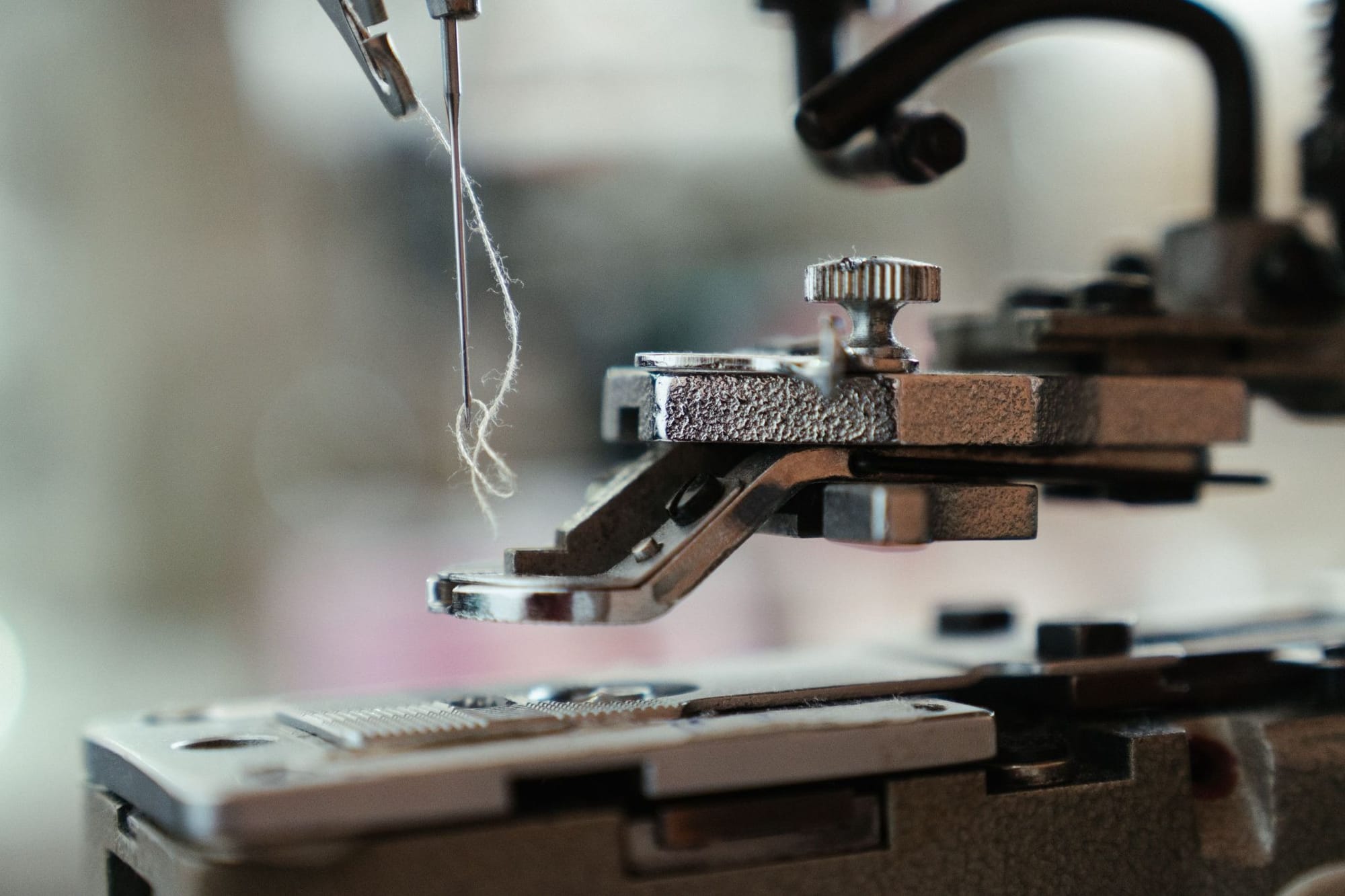
The other common complaint: a machine that runs slowly or jams.
When your machine can't hold a steady pace, it needs looking at. You might also see loose stitches or threads bunching up under the fabric. Usually it's lint buildup or not enough lubrication behind it.
Regular maintenance is what prevents this. A yearly tune up avoids most of it and keeps the machine going longer.
If yours is running slow or jamming, get a technician to look at it rather than fighting with it.
Common Causes of Sewing Machine Problems
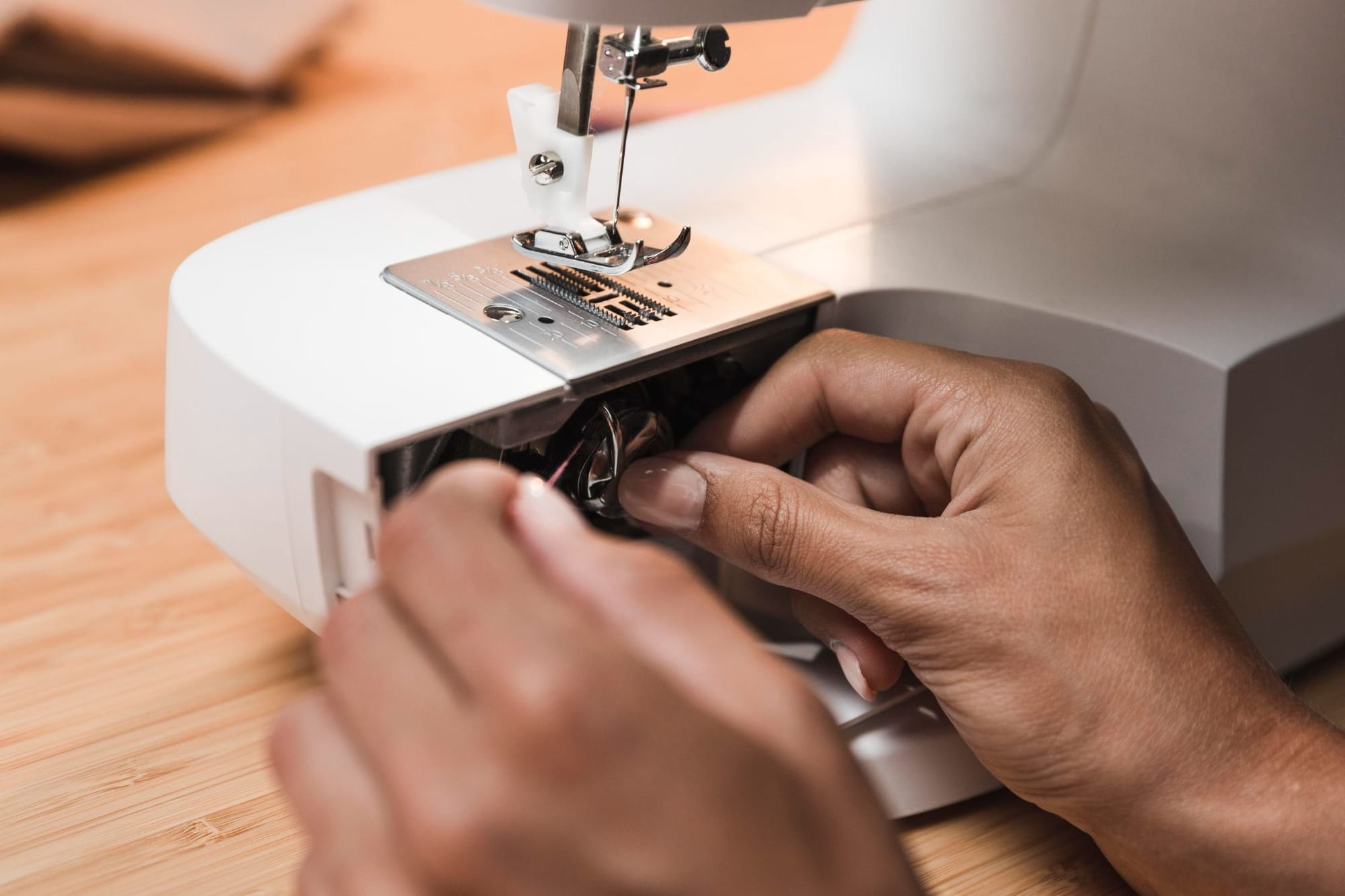
Sewing machines do a lot of work, and plenty can go wrong. Loose or skipping stitches usually trace back to improper threading or a worn needle.
Slow running and strange noises typically mean it needs lubrication or a clean. Threads gathering under the fabric can point to bobbin winding issues or tension settings that need adjusting.
A light bulb that's gone makes sewing genuinely difficult, and a burning smell means something mechanical is wrong - don't ignore that one. Catch these early and your machine stays in good shape for whatever you're making.
When to Repair Your Sewing Machine Instead of Replacing It
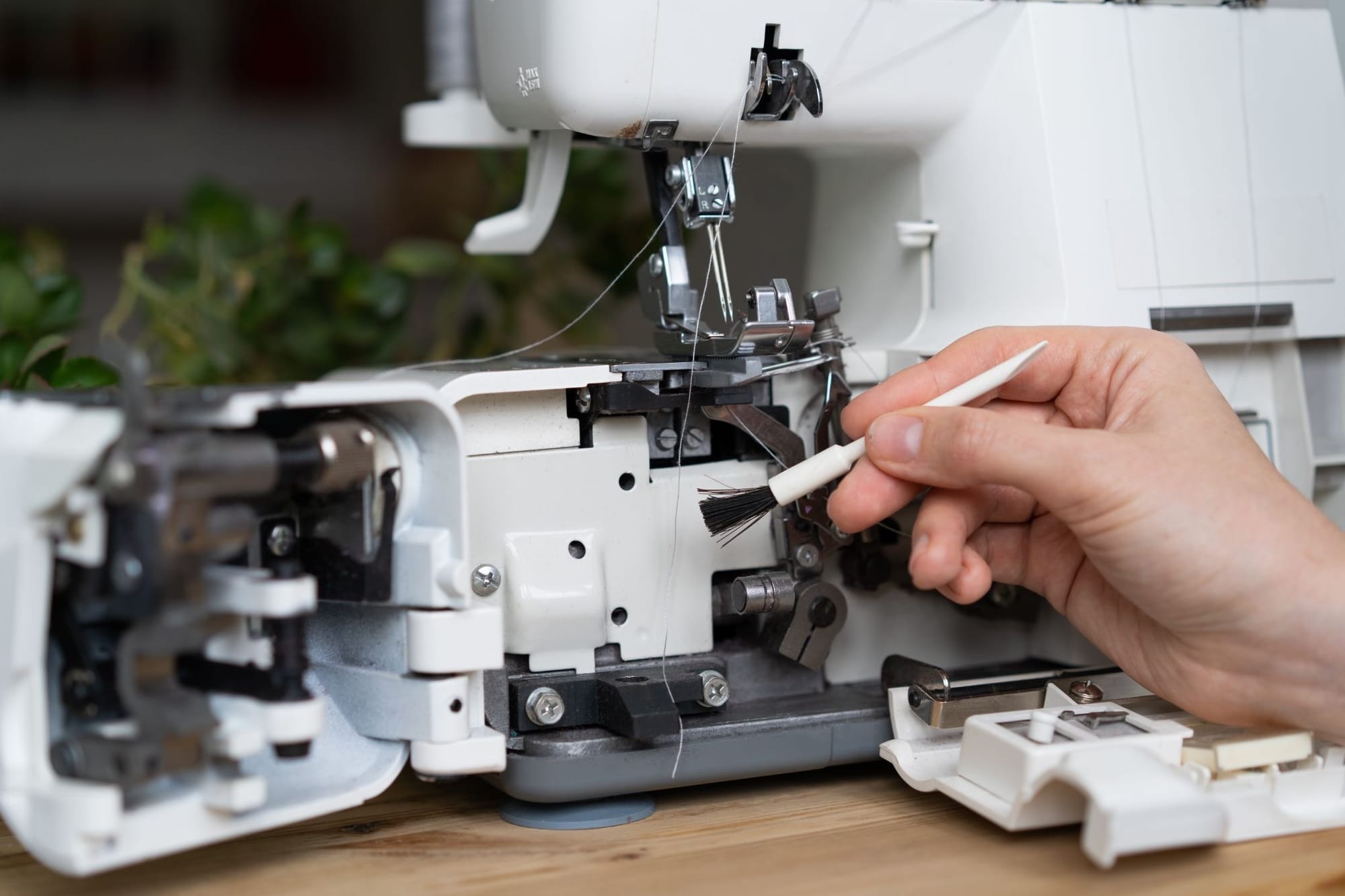
Deciding whether to repair or replace can feel like a bigger decision than it is.
Start with how bad the problem actually is. Loose stitches, skipping, or slow running are usually fixable without spending much.
Minor stuff like a dead light bulb or bobbin winding trouble is worth repairing too - those fixes buy you years.
And a yearly tune-up handles most of this before it becomes a decision at all.
One more thing: if it's a machine you trust and have some history with, repairing it is almost always the right call.
Frequently asked questions
How often should I service my sewing machine? At least once a year. Regular maintenance keeps it running smoothly, heads off problems, and extends its life.
Can I troubleshoot issues before seeking professional help? Yes, some of it. Check for lint buildup, make sure the needle is installed correctly, and see whether the thread is tangled. If it keeps happening, get a professional to look.
What tools do I need for basic maintenance? A screwdriver, a brush, sewing machine oil, and a lint-free cloth. Cleaning and oiling it regularly makes a bigger difference than people expect.
How can I prevent lint buildup in my machine? Clean the bobbin area and feed dogs regularly, use a lint brush, and make sure you're using the right thread. Staying on top of it keeps everything running well.
Is it safe to use my sewing machine during repairs? No. Running it mid-repair risks more damage or injury. Wait until a qualified technician has finished and checked it over.
Conclusion
Strange noises, thread that keeps breaking, a machine running slow - those are your cues to act. Deal with them early and you avoid the kind of damage that costs real money. We're here for repairs and maintenance whenever you need. Don't let a broken machine stop you mid-project.
Note: The right vacuum makes a real difference in keeping a home clean and healthy. At Gator Vacuum, we carry upright, canister, cordless, bagged, and bagless models to fit every budget and cleaning preference.
Whether you need something for pet hair, hardwood floors, carpets, or commercial spaces, our collection includes trusted, high-performance options.
Visit Gator Vacuum today to find a vacuum that works for your home.

Member discussion